

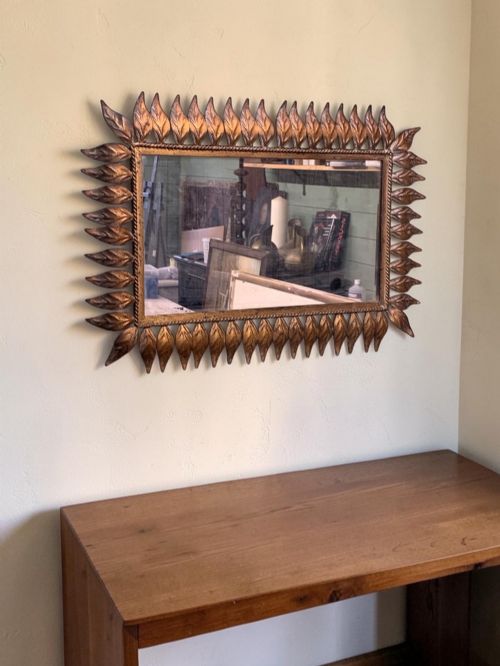
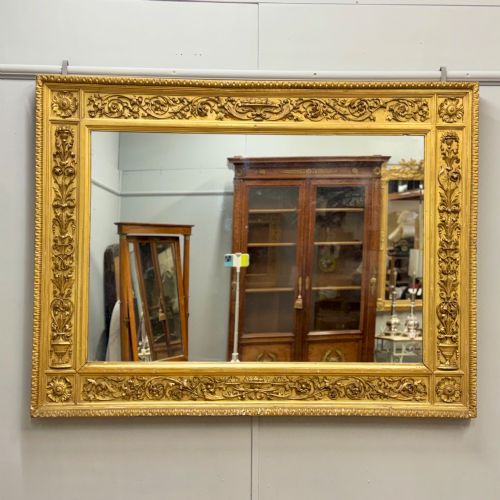
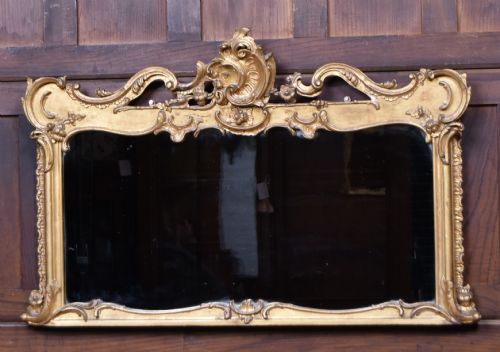
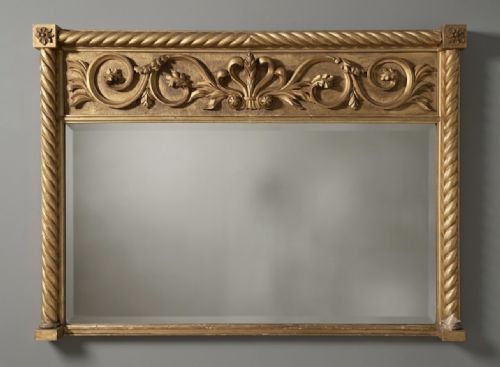

Horizontal Wall Mirror
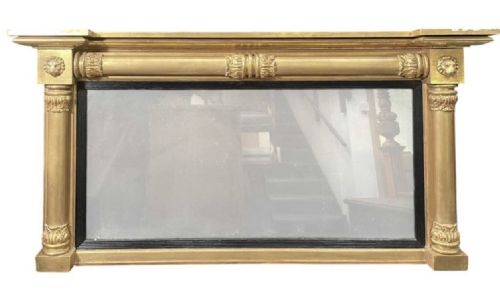
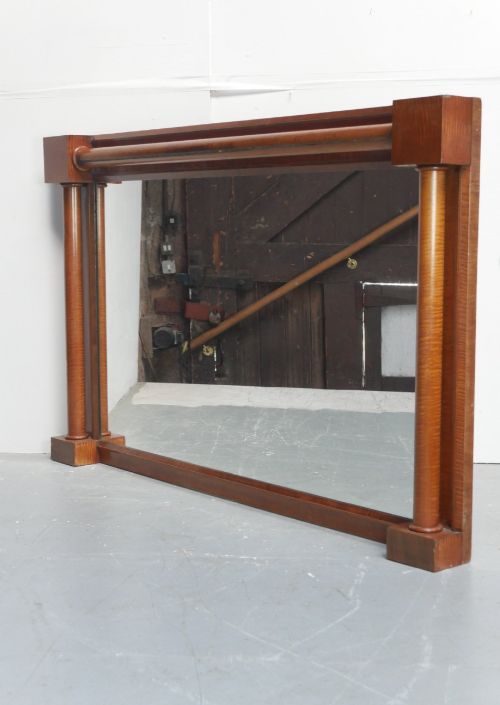
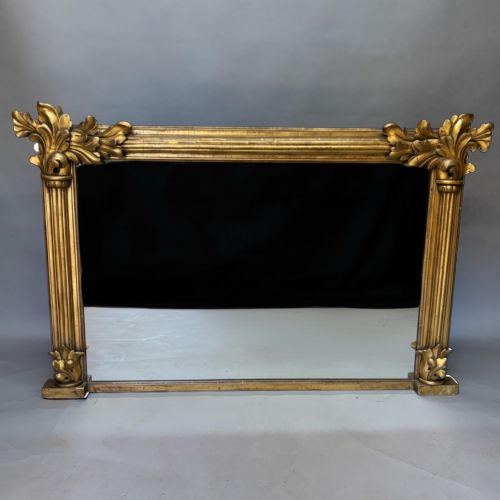
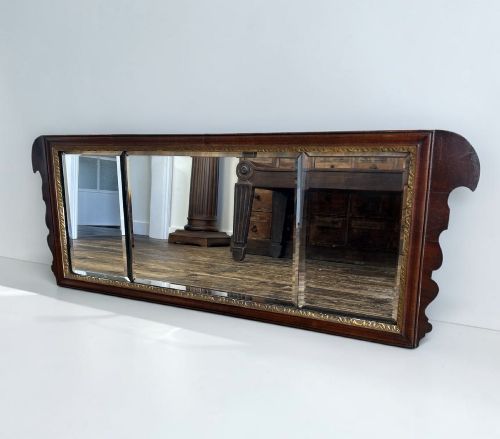
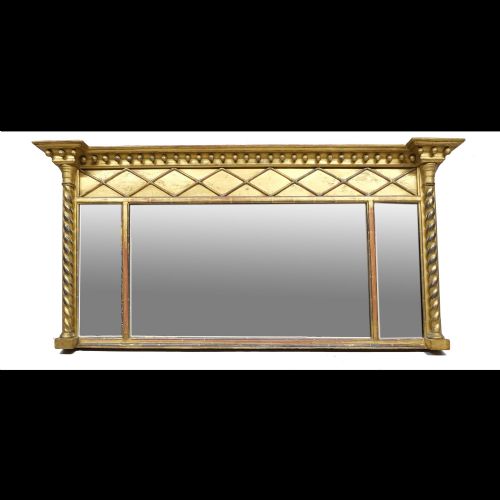
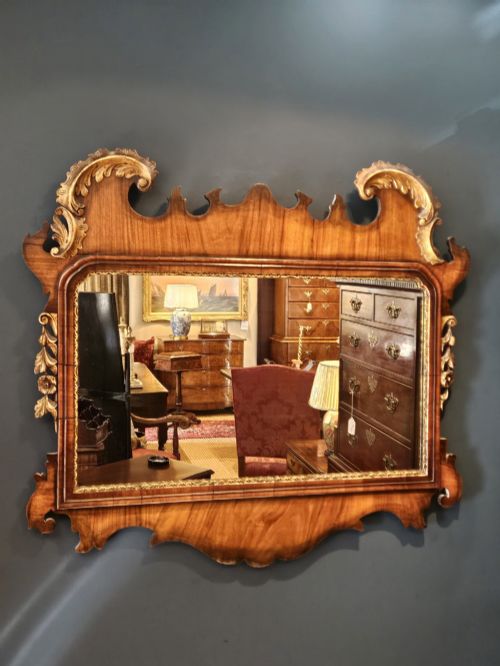
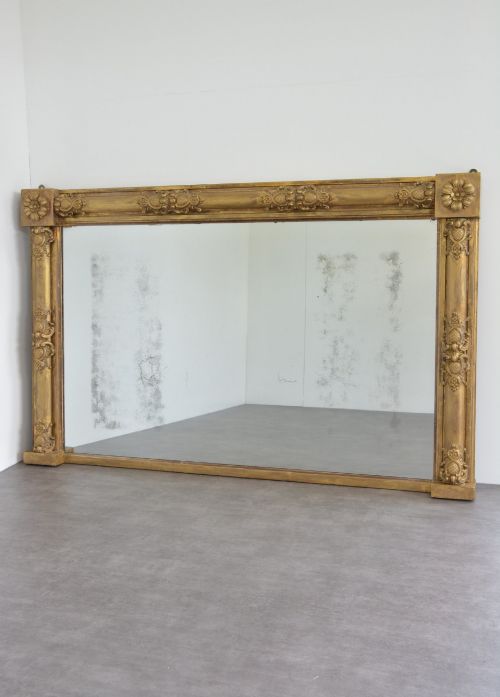
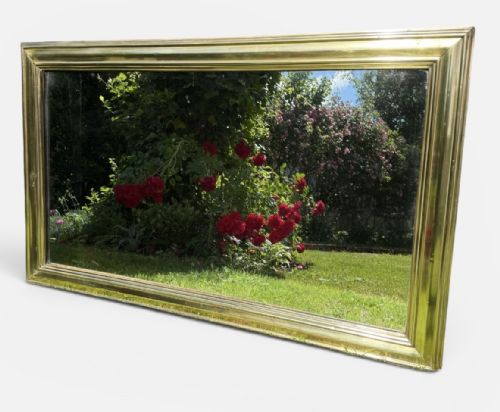
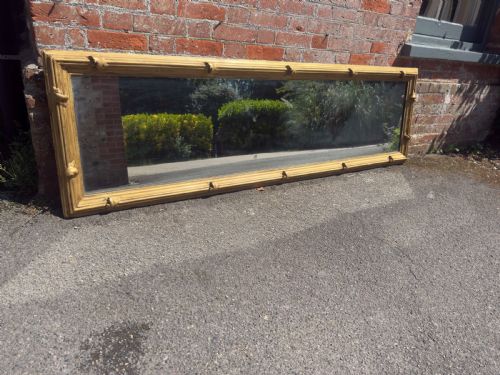
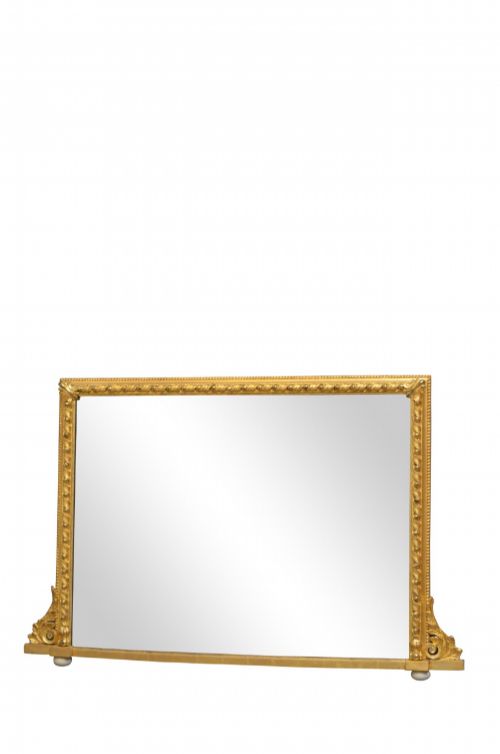
A horizontal wall mirror anchors a room by drawing the eye across the space, and these examples bring period character through giltwood, mahogany, and walnut frames.
Horizontal Wall Mirror
When you search for a horizontal wall mirror, you find wide formats designed to span chimney pieces, sideboards, or broad expanses of wall. The most common versions on this page are nineteenth century overmantel mirrors, which incorporate landscape proportions suited to domestic interiors.
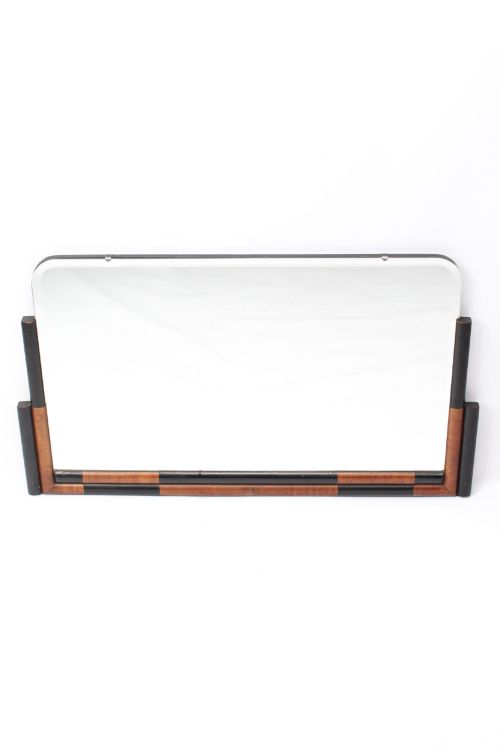
The selection ranges from early Georgian triple plate formats and Regency gilded overmantels to later Art Deco oak and metal designs. Overmantel mirrors dominate the offerings, alongside occasional pier mirrors and French bistro pieces.
Periods span the eighteenth, nineteenth, and twentieth centuries, taking in Regency, Victorian, Edwardian, and Art Deco styles. These frames vary from simple rectangular timber mouldings to elaborately carved and gilded compositions.
Materials and construction
Frames rely on timbers such as walnut, mahogany, oak, and rosewood, often paired with gesso and gold leaf or painted surfaces. Carved wood provides structural depth, while composition ornament builds up intricate relief details on giltwood frames.
Glass plates are set within the rebated frames, sometimes exhibiting original foxing or silvering that marks their age. Parcel gilt highlights bring out the carved details on painted and gilded mouldings.
Horizontal Wall Mirror Retail Price Guide 2026
Typical asking prices for horizontal wall mirror among the pieces listed under this phrase on Sellingantiques today, from the lower quarter to the upper quarter. They describe what is for sale here now, not the wider market.
Several mirrors carry the faint spots of foxed glass, whispering tales of dim Victorian parlours and flickering candlelight.
Assessing quality and finish
Quality rests on the crispness of the carving, the integrity of the original gilt or painted surface, and the preservation of the glass plate. Finer pieces demonstrate deep, clean hand-carving in wood and gesso rather than heavy, indistinct moulding.
The relationship between the plate and the frame matters greatly, with superior examples retaining their original mirror glass and backboards. Proportion and balance across the horizontal span distinguish better designed mirrors from standard utility pieces.
The Horizontal Wall Mirror Glossary
- Overmantel mirror
- A wide mirror designed specifically to hang on the wall above a fireplace mantelpiece. These pieces often feature horizontal formats and landscape orientations.
- Giltwood
- Timber, typically pine or carved wood, coated with gold leaf over a prepared gesso ground. This technique creates a rich metallic surface characteristic of formal period frames.
- Gesso
- A plaster mixture applied to wood frames to provide a smooth base for gilding or painting. It allows craftsmen to model sharp decorative reliefs.
- Parcel gilt
- A finish where portions of a painted or stained frame are highlighted with gold leaf. This creates a contrasting two-tone appearance.
- Foxing
- Small dark spots and patination that develop on antique mirror glass over time as the backing oxidises. Collectors often value this sign of age.
Horizontal Wall Mirror: Frequently Asked Questions
Where should I hang a horizontal wall mirror?
These mirrors suit long expanses of wall, traditionally sitting above a fireplace mantelpiece or a sideboard in a dining room.
Their width helps reflect light across the room and creates a sense of greater space.
How do I identify a Regency mirror?
Regency frames often display classical motifs such as ball ornamentation, reeded columns, and gilt surfaces.
They date from the early nineteenth century and frequently take the form of landscape overmantels.
What is an overmantel mirror?
An overmantel mirror is a wide format mirror built to sit directly above a fireplace. They were proportioned to match the width of the mantel shelf below.
Many examples from the nineteenth century feature tripartite glass plates.
Is original mirror glass important?
Original glass retains historic character, often showing light foxing and subtle distortions that modern replacements lack. It provides physical evidence of the mirror's age.
While some plates are replaced over time, surviving original glass remains desirable.