



Honey Pine Hutch
A honey pine hutch provides practical storage with a warm domestic character, drawing collectors to these robust country pieces.
Honey Pine Hutch
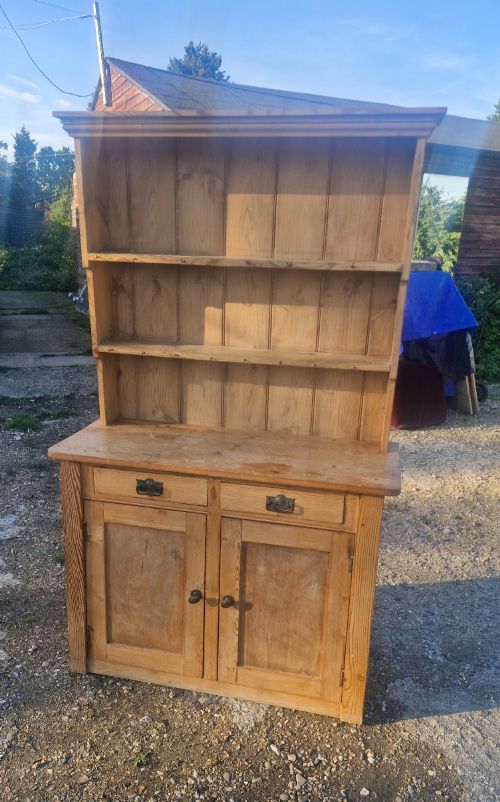
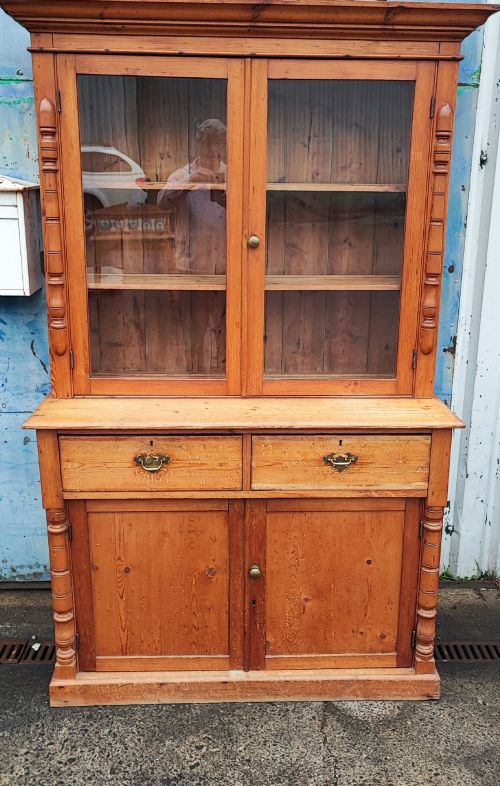
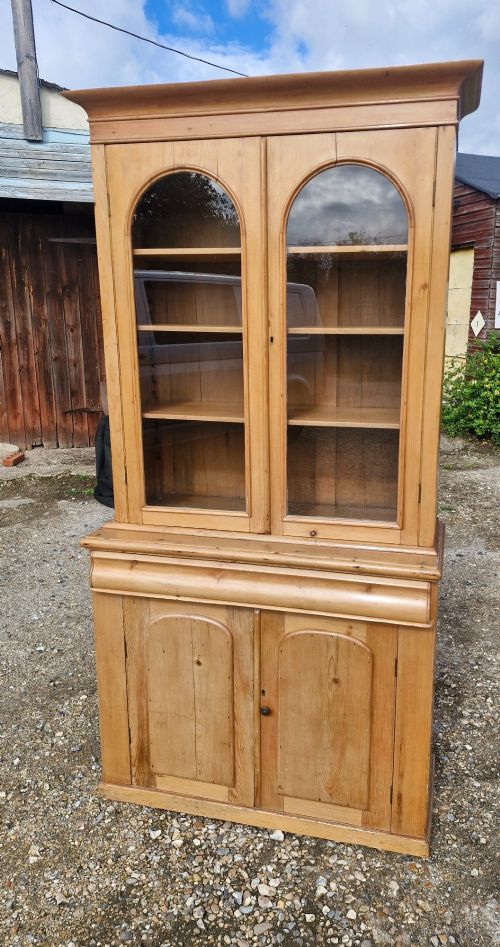
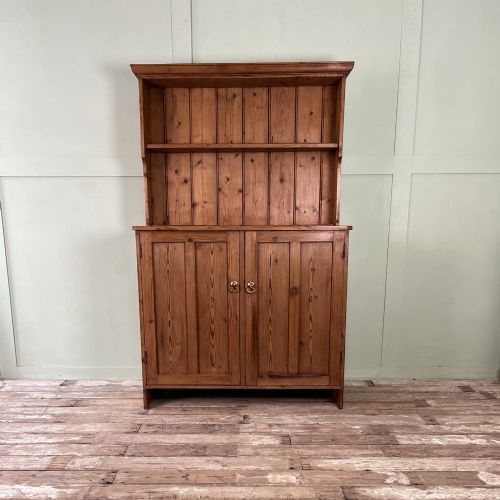
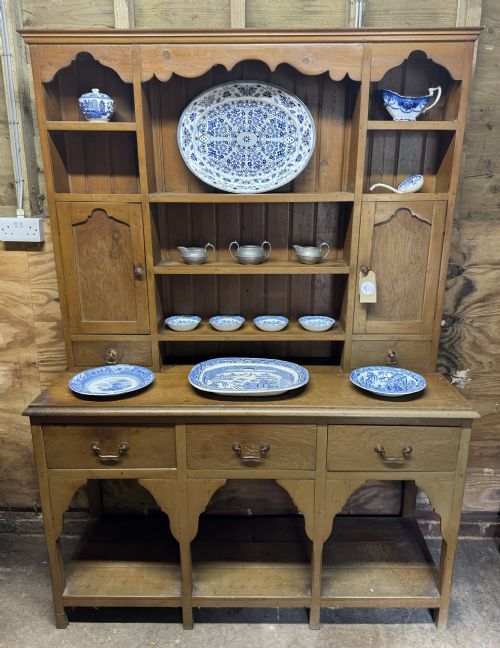
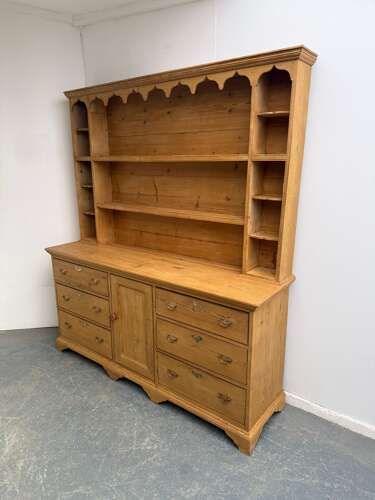
When you search for a honey pine hutch, you are looking at kitchen dressers, dressers and hutches, bookcases and cabinets, and Welsh dressers. These items serve as large storage furniture designed for domestic use, combining lower cupboards or drawers with upper shelving racks.
The versions you are most likely to meet on this page span the 18th century, 19th century, Victorian period, Georgian period, 1900, 1850, and 1920. They originate from various regional traditions including Welsh country, Welsh vernacular, Georgian country, Scandinavian country, and English country.
Makers built these pieces to function as hardworking kitchen and dining room furniture for daily domestic life. Their forms range from very small examples to massive Hungarian three-door kitchen dressers and early Victorian kitchen bookcase cabinets.
How they were made
Carpenters constructed these pieces primarily using pine, Scots pine, and waxed pine, incorporating iron and brass fittings for hinges and handles. Glass appears in partly glazed upper doors, while fabric occasionally lines interior sections.
Makers shaped the timber using hand tools to create sturdy upright frames, panelled doors, and plate racks designed to display crockery. Surfaces received wax finishes to protect the wood while developing a tactile sheen through regular handling.
Honey Pine Hutch Retail Price Guide 2026
Typical asking prices for honey pine hutch among the pieces listed under this phrase on Sellingantiques today, from the lower quarter to the upper quarter. They describe what is for sale here now, not the wider market.
Even the massive three-door Hungarian dressers started life simply holding someone's everyday breakfast bowls.
What varies in quality
The distinction between standard and superior pieces rests on the proportion of the proportions, the integrity of the original timber, and the depth of the surface patina. Examples retaining their original waxed finish and untouched regional construction hold greater visual coherence.
The Honey Pine Hutch Glossary
- Hutch
- A storage piece featuring lower enclosed cupboards and upper open shelves or a cabinet section. This form provides both concealed storage and display space for kitchenware.
- Patina
- The surface sheen and colour built up through decades of use, cleaning, and waxing. It indicates the age and handling history of the timber.
- Welsh Dresser
- A traditional regional form featuring a base of drawers and cupboards surmounted by a plate rack. These items originate predominantly from Welsh country workshops.
- Scots Pine
- A resilient softwood species utilised extensively in British cabinet making. This timber accepts wax finishes readily and forms the primary structure of many regional dressers.
Honey Pine Hutch: Frequently Asked Questions
What is a honey pine hutch used for?
These pieces function primarily as kitchen and dining room storage furniture. The lower cupboards and drawers hold tableware and provisions, while the upper racks display plates and ceramic collections.
Historically, they served as the central storage hub in domestic kitchens. Today, they continue to provide functional storage while adding traditional country character to residential interiors.
How do I date an antique pine hutch?
Dating relies on examining construction methods, timber characteristics, and regional design traits. Pieces from the Georgian period display different joinery details compared to later Victorian or 1920 examples.
Hardware types, such as brass pulls or iron hinges, also offer clues to the period of manufacture. Original surface treatments like early wax finishes help establish the chronological context.
Where did these pine hutches originate?
The listings show diverse regional origins including Welsh country, English country, and Scandinavian country traditions. Workshops across these areas utilised local softwood timbers to build practical furniture.
Regional variations appear in the cornice details, base configurations, and rack designs. South Wales and Hungarian examples demonstrate how local vernacular styles influenced the finished proportions.
How should I care for waxed pine furniture?
Maintenance involves applying a suitable beeswax polish periodically to nourish the timber and maintain the surface sheen. Avoid placing wooden furniture in direct sunlight or near heat sources to prevent timber movement.
Regular dusting with a soft dry cloth preserves the finish. Gentle care protects the accumulated patina that develops on country pine over centuries of use.