

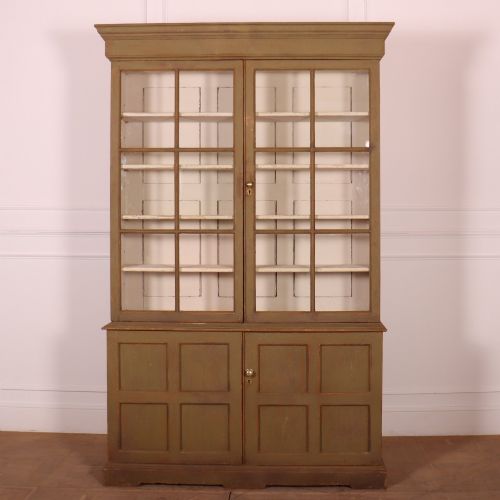
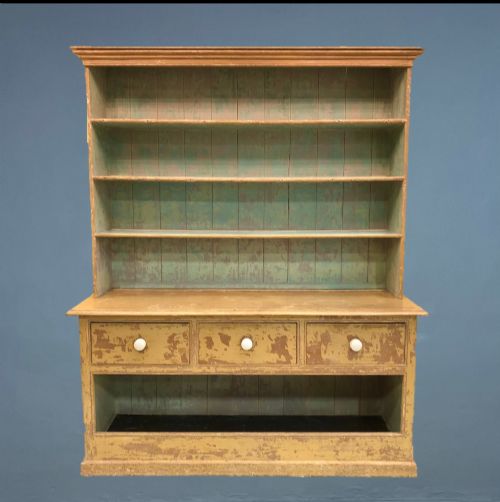
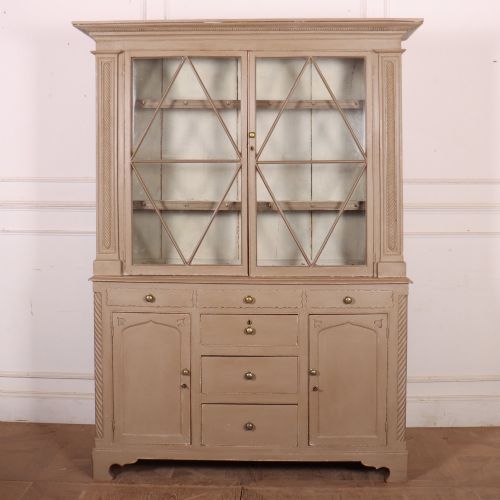

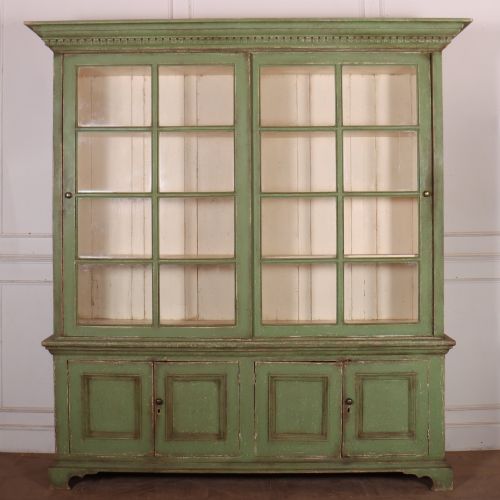




Georgian Pine Kitchen Dresser
A georgian pine kitchen dresser brings practical storage and honest country character to the home.
Georgian Pine Kitchen Dresser
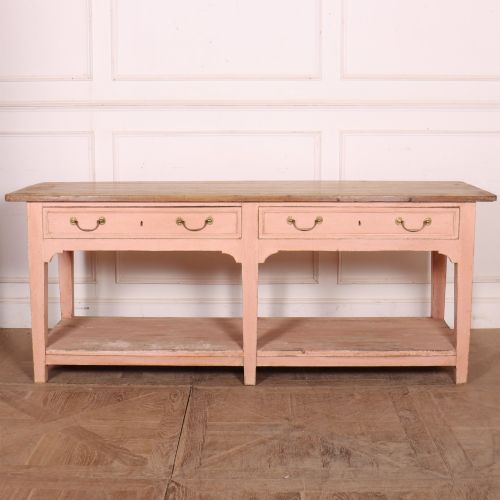
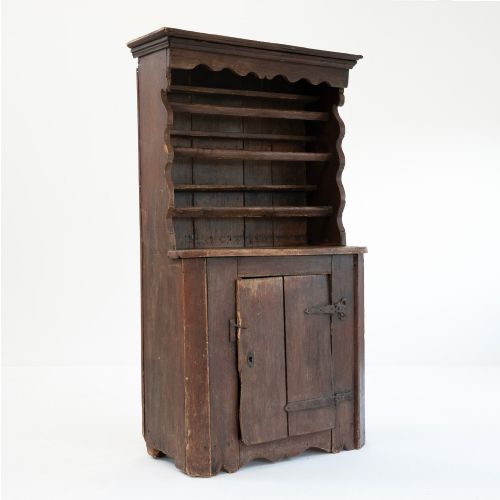
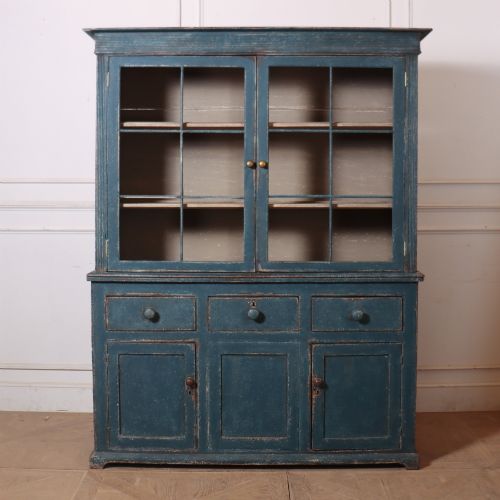
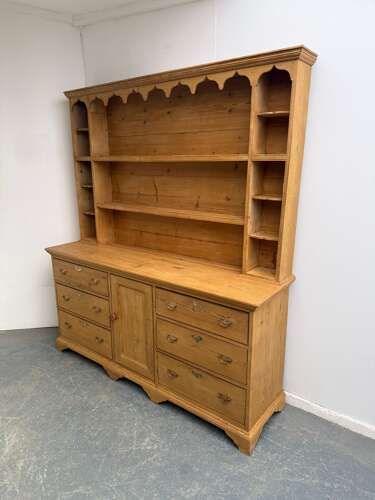
A georgian pine kitchen dresser is a utilitarian storage piece built for domestic use, combining lower cupboards or drawers with upper display shelving. The examples found here span the eighteenth and nineteenth centuries, drawing on regional vernacular traditions from Wales, Ireland, Scotland, and the English West Country.
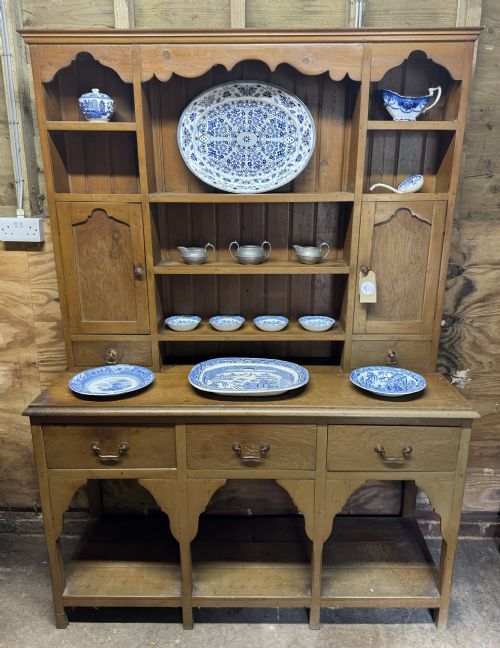
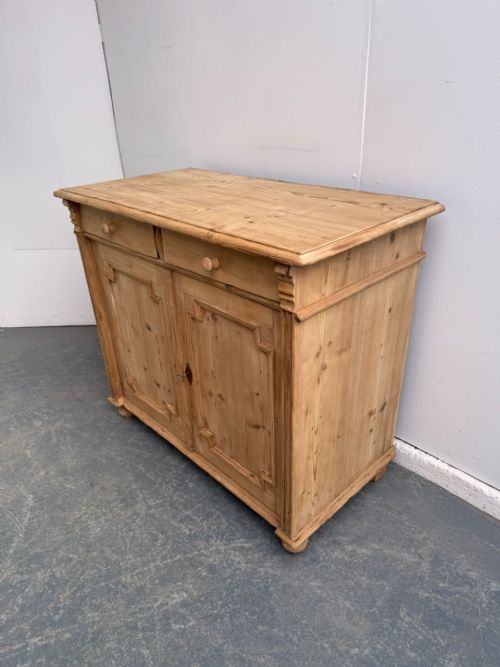
Most pieces encountered on this page take the form of dresser bases with open potboards or closed cupboards, alongside complete items featuring plate racks or delft racks. These kitchen dressers reflect robust country construction designed for daily scullery and dining service rather than formal parlour display.
Makers utilised native softwoods and hardwoods, producing regional variants such as breakfront bases, food cupboards, and chiffonier sideboards. Buyers select these items for their functional surface space, deep drawer capacity, and honest integration into modern rustic interiors.
How they were made
Makers constructed these kitchen dressers primarily using solid pine, occasionally combining oak or sycamore for structural endurance and working surfaces. Surfaces were either left with a waxed finish or treated with layers of paint that developed significant patination over decades of domestic service.
Hardware details relied on wrought iron and brass for hinges, pulls, and escutcheons, securing doors and drawers built with traditional joinery. Plate racks frequently incorporated fretwork panels, while bases utilised potboards or panelled doors to support heavy kitchen inventory.
Georgian Pine Kitchen Dresser Retail Price Guide 2026
Typical asking prices for georgian pine kitchen dresser among the pieces listed under this phrase on Sellingantiques today, from the lower quarter to the upper quarter. They describe what is for sale here now, not the wider market.
Materials documented across the inventory include pine, oak, sycamore, brass, wrought iron, painted wood, and glass.
What varies in quality
Quality in a country dresser rests on the preservation of original surfaces, whether a wax finish or historic paint layers showing natural wear. Pieces retaining their original hardware, uncompromised potboards, and untouched timber framing hold greater integrity than those with extensive timber replacement.
Proportion and regional vernacular detailing also dictate distinction, with balanced breakfront forms, attractive fretwork on delft racks, and sound structural joinery separating standard utilitarian pieces from finer regional examples.
The Georgian Pine Kitchen Dresser Glossary
- Potboard
- An open slatted lower shelf fitted between the legs of a dresser base, traditionally used for storing pots and pans. This feature defines many vernacular English and Welsh designs.
- Delft rack
- An upper set of open shelves mounted to a dresser base, designed specifically to display ceramic plates and platters upright. They often feature grooved display ledges and fretwork details.
- Breakfront
- A cabinetry format where the central section projects forward from the flanking outer cupboards or drawers. This architectural arrangement adds visual depth to larger dresser bases.
- Vernacular
- Furniture built by local rural joiners following regional traditions rather than metropolitan pattern books. These pieces prioritise functional utility and local material availability.
- Patina
- The surface sheen and colour depth developed through decades of handling, waxing, and atmospheric exposure. Original paint or aged wax displays this characteristic depth.
Georgian Pine Kitchen Dresser: Frequently Asked Questions
How do I clean a painted pine dresser?
Dust surfaces regularly with a soft, dry cloth to prevent dirt accumulation on historic paint or waxed timber. Avoid harsh chemical cleaners that strip aged finishes and original patination.
For stubborn marks, wipe gently with a barely damp cloth and dry immediately. Maintaining a stable indoor humidity prevents timber movement and preserves the historic finish.
Were these dressers made for kitchens?
These pieces served as the primary storage and display units in domestic kitchens, sculleries, and farmhouses. They held everyday crockery, cooking utensils, and foodstuffs within easy reach of the hearth.
Over time, many migrated from working sculleries to dining rooms and living spaces. Their durable construction suited the heavy demands of rural domestic life.
Can I use a dresser base without the top?
Many dresser bases function independently as sideboards, serving tables, or kitchen islands depending on their height and depth. Historical use often separated base units from plate racks or paired them with freestanding shelving.
Using a base alone provides a flat surface for daily prep or serving. The finished top timber usually shows where an upper rack once joined.
What is the difference between Welsh and English dressers?
Welsh dressers frequently feature open potboards beneath the main drawers and tall plate racks designed for extensive ceramic display. English regional variants often incorporate enclosed cupboards, breakfront profiles, or housekeeper cupboard formats.
West Country pieces display distinct local joinery traits and regional proportions. Both traditions utilise native pine and local hardwoods tailored to domestic storage needs.
How do I date an antique pine dresser?
Dating relies on examining construction methods, timber preparation marks, and hardware types used in the drawers and framing. Hand-cut dovetails, wrought iron hinges, and early paint layers point toward eighteenth or early nineteenth-century origins.
Changes in regional style and vernacular form also help narrow the period of manufacture. Original backboards and surface wear patterns offer further clues to the age of the piece.