

Welsh Country Dresser
When you want a welsh country dresser, you are looking at utilitarian kitchen storage built for display and daily use in rural homes.
Welsh Country Dresser
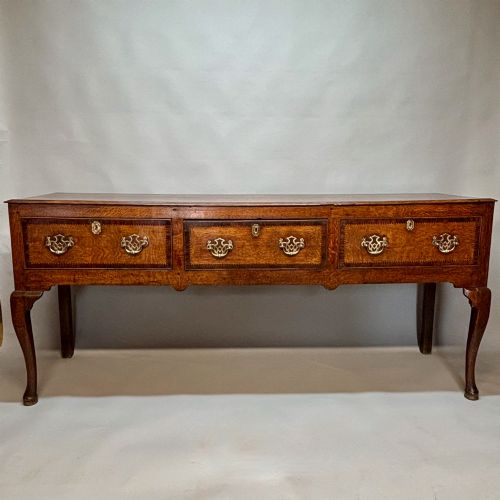
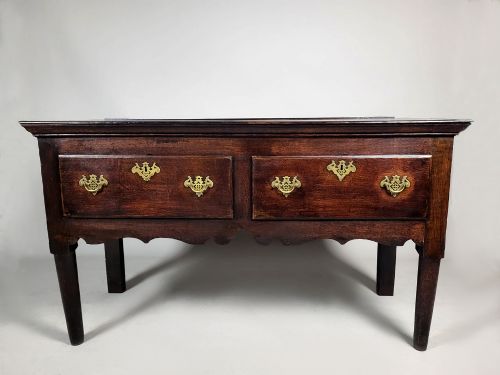
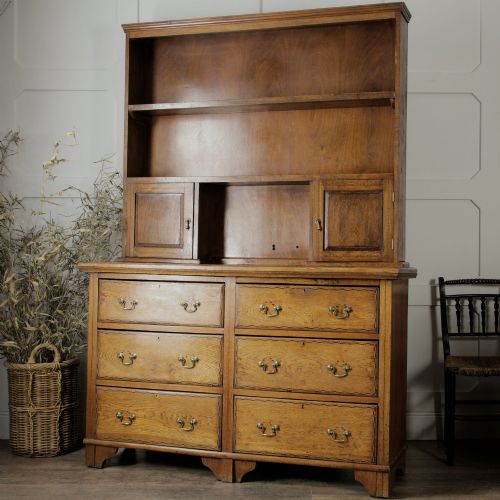
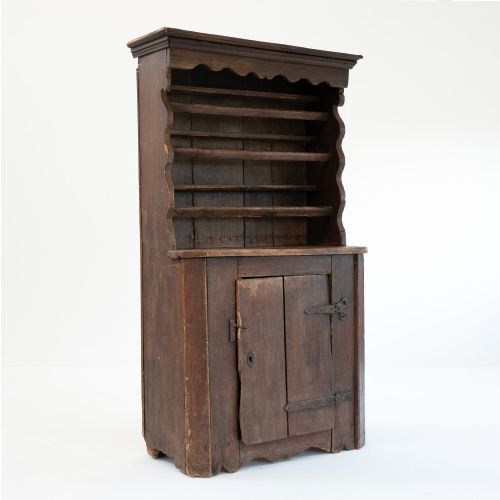
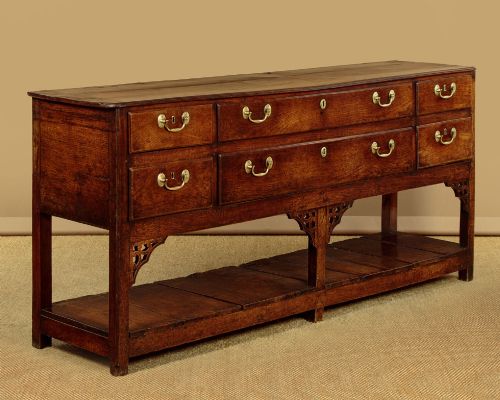
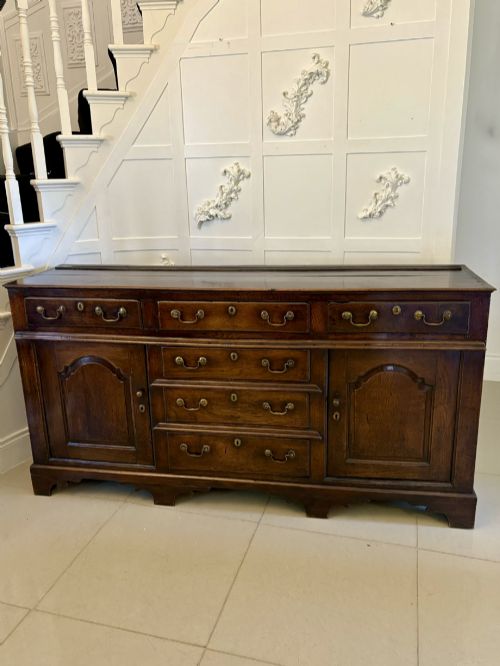
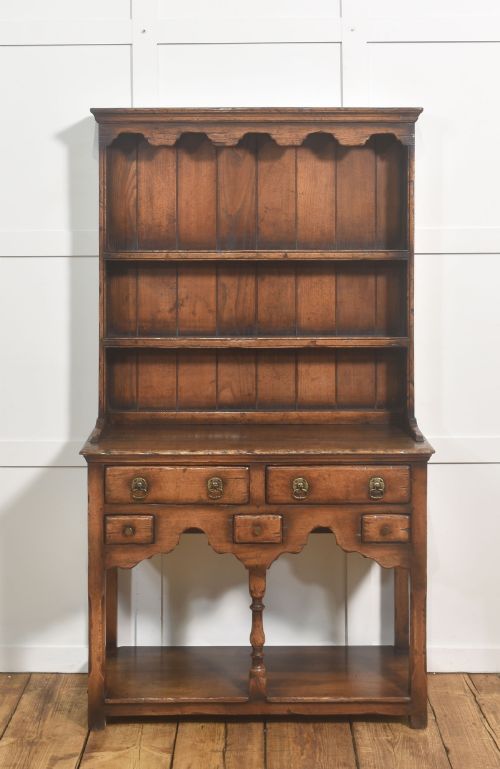
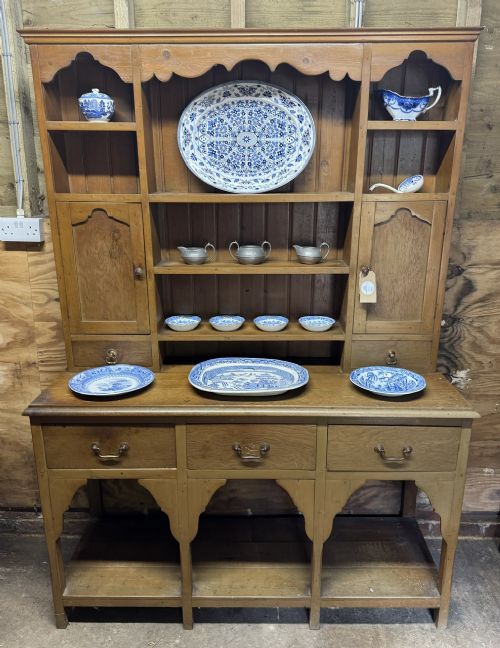
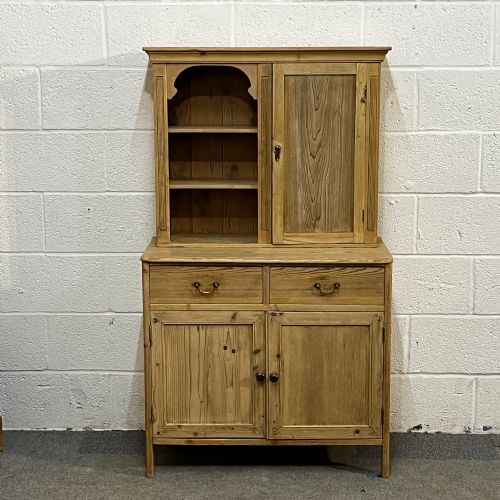
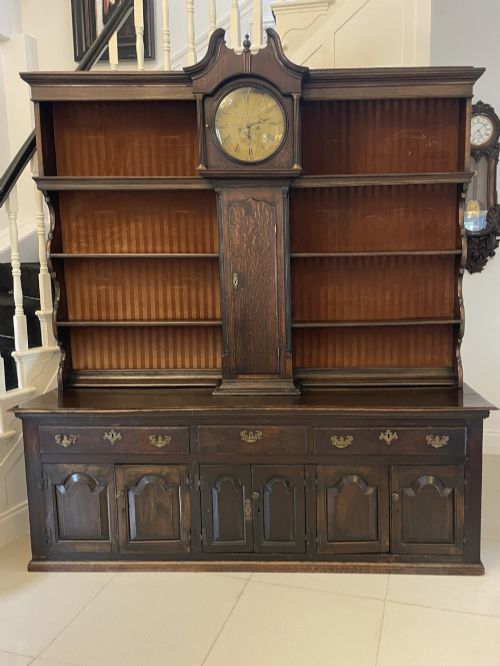
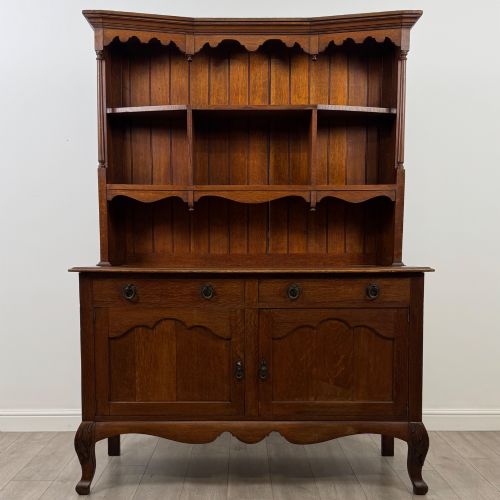
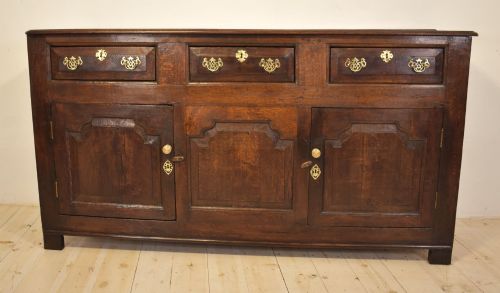
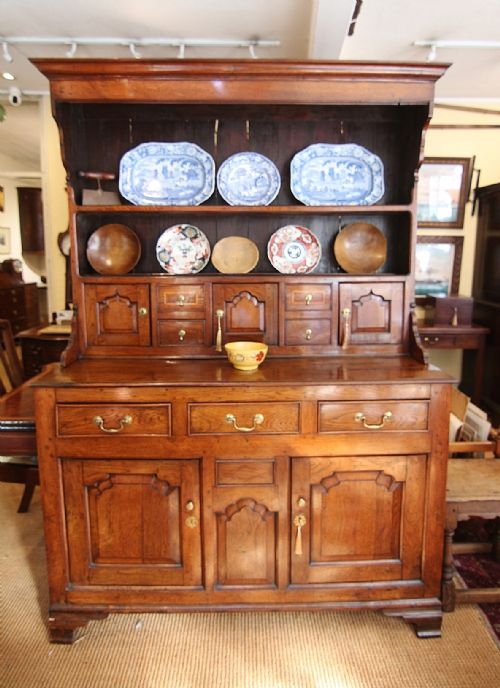
A welsh country dresser combines a lower base fitted with drawers and cupboards with an upper plate rack or open shelving for displaying crockery. The pieces appearing here span from the mid eighteenth century through the georgian and victorian eras into the early twentieth century, reflecting generations of regional rural carpentry.
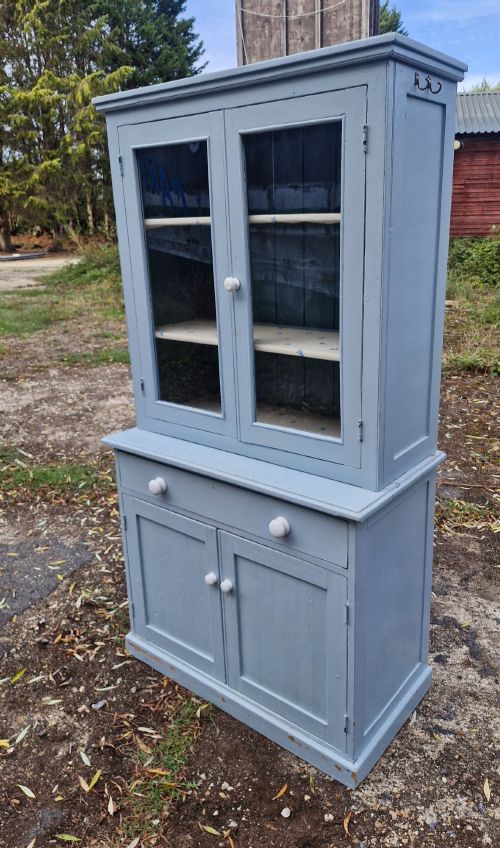
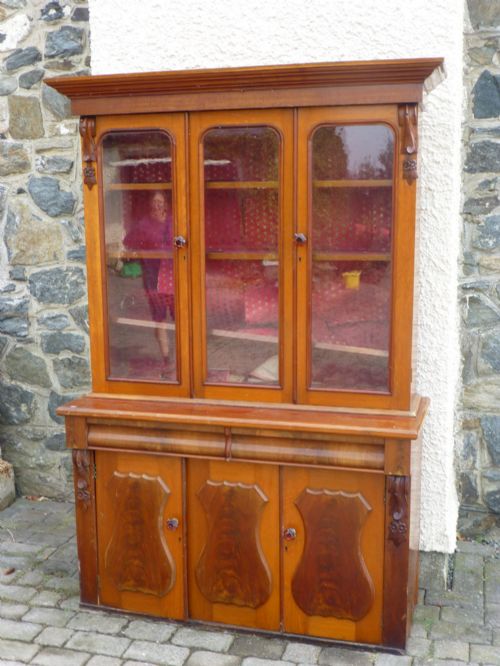
Most examples found on this page are constructed from native timber, predominantly oak and pine, and reflect vernacular styles developed in local workshops. Forms range from open potboard bases to grand two part cupboards and glazed bookcase hybrids.
Buyers encounter everything from compact cottage pieces to large country house dining room units, each designed to hold kitchen domestic wares while serving as the focal point of the room.
Materials and construction
Makers built these pieces primarily from solid oak and pine, often incorporating secondary woods like mahogany, elm, or fruitwood for drawer linings and decorative details. Hardware typically included brass handles, iron hinges, and occasionally bone escutcheons.
Construction relied on traditional joinery methods such as hand cut dovetails for drawers and pegged mortise and tenon joints for the main frames. Surfaces received wax or oil finishes, or were painted to suit the domestic interior.
Listings on this page feature oak, pine, mahogany, elm, and iron, spanning the mid eighteenth to the early twentieth century.
What separates the grades
The distinction between standard utility furniture and superior examples lies in the selection of timber and the ambition of the regional design. Finer pieces display carefully chosen grain patterns, intricate cross banding, or regional vernacular flourishes like ogee feet and shaped friezes.
Proportion and originality dictate the standing of a piece within its category. Dressers that retain their original plate racks, undisturbed surface patination, and unaltered hardware command greater appreciation among collectors.
The Welsh Country Dresser Glossary
- Potboard
- A lower open shelf built into the base of a dresser, originally intended for storing heavy pots and pans off the damp flagstone floor.
- Plate rack
- The upper shelving unit attached to the back of a dresser, featuring grooved plate rails designed to display ceramic dishes upright.
- Cwpwrdd tridarn
- A traditional Welsh three piece press cupboard, often incorporating a central enclosed section flanked by display tiers.
- Patina
- The surface sheen and colour developed over decades through handling, waxing, and exposure to domestic environments.
Welsh Country Dresser: Frequently Asked Questions
Were all these dressers made in Wales?
While the form originates from Welsh vernacular traditions, regional variations were built across Britain and Ireland. English, Irish, and Scottish country workshops produced similar utilitarian kitchen storage.
Specific regional characteristics, such as Llanrwst designs or Snowdonia inlays, help identify pieces tied to particular geographical areas.
How should I care for the timber?
Maintaining these pieces requires stable room humidity and regular application of natural beeswax to nourish the dry wood. Avoid placing them near direct heat sources to prevent timber splitting.
Gentle dusting with a dry cloth preserves the historic surface finish and accumulated patination without stripping the timber.
Are the plate racks original to the bases?
Many dressers survive with their original plate racks, though some upper sections were paired with bases at a later date. Checking for matching timber species, ageing, and joint alignment reveals whether the two parts grew up together.
Both married pieces and completely original units appear on the market, each offering distinct proportions for modern display.