
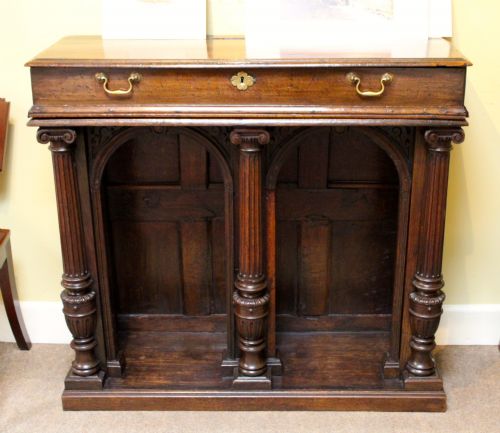
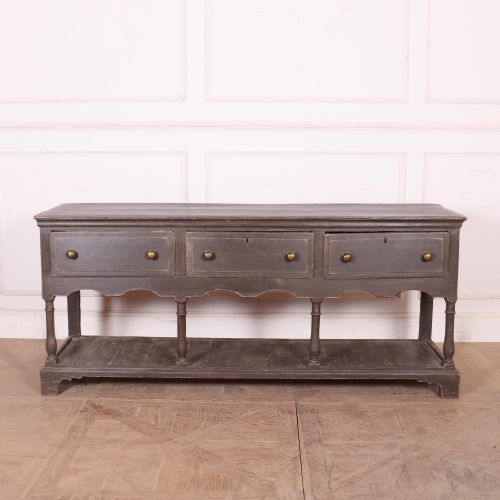
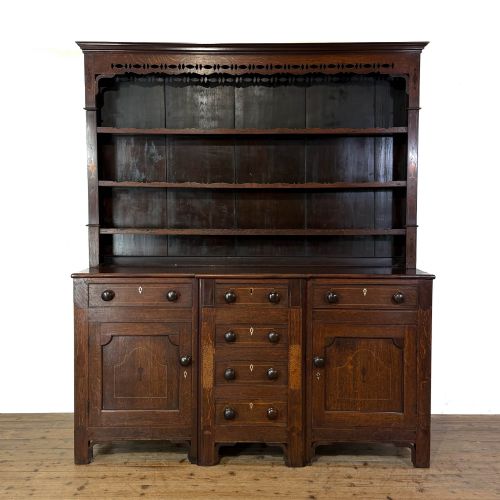

Georgian Open Dresser
A georgian open dresser brings centuries of vernacular utility and timber warmth into a room.
Georgian Open Dresser
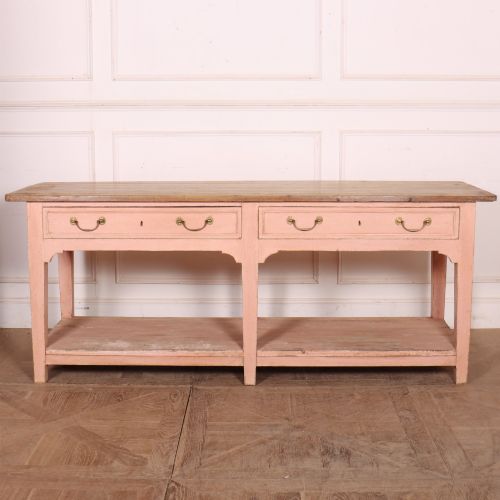
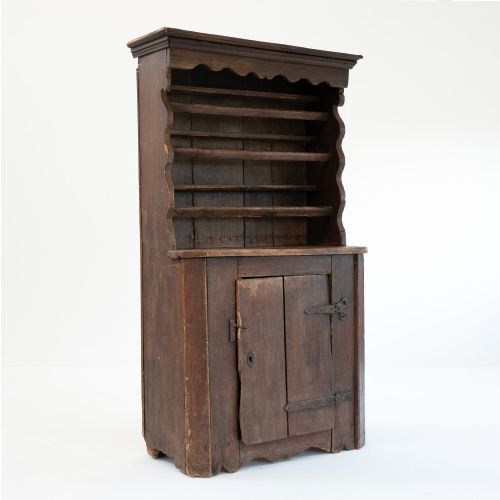
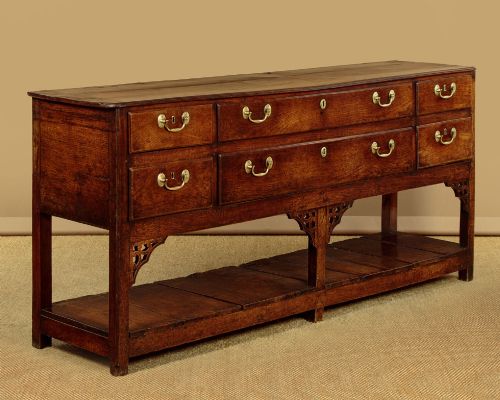
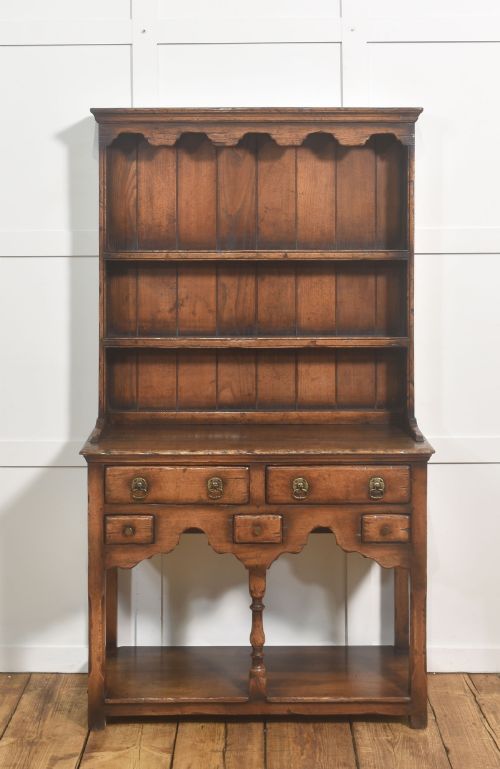
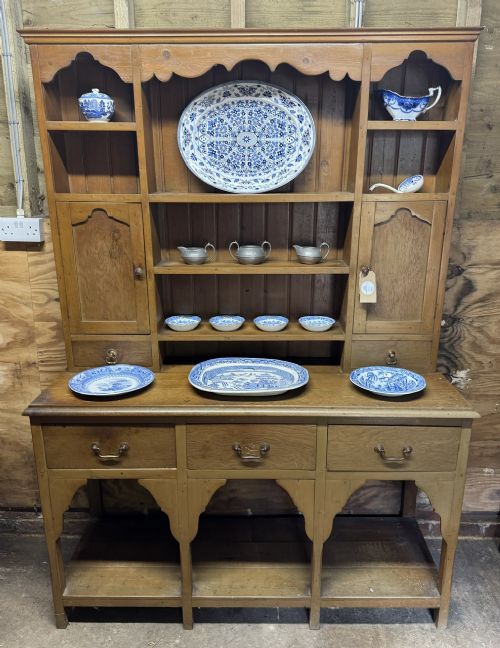
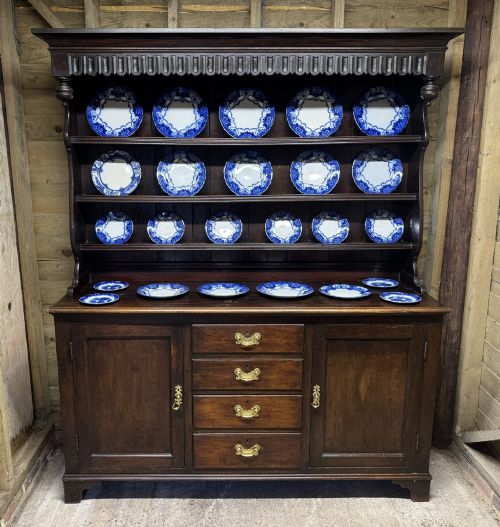
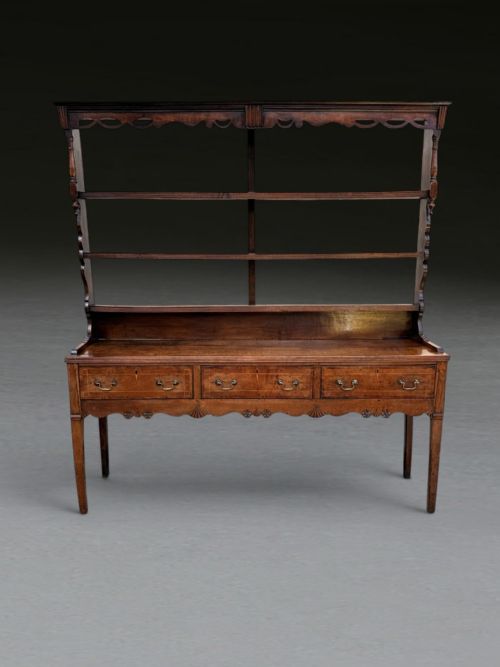
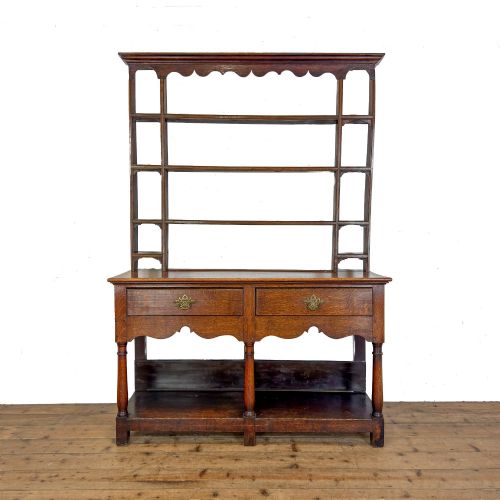
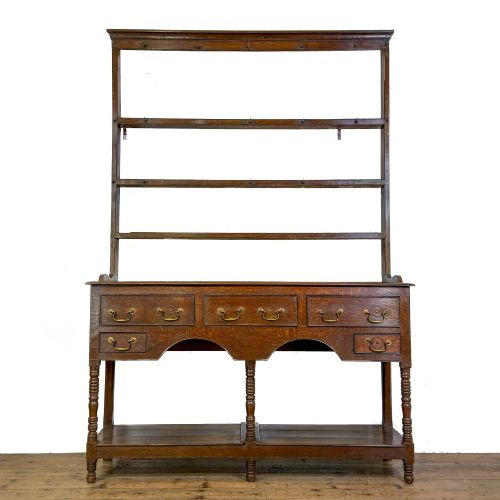
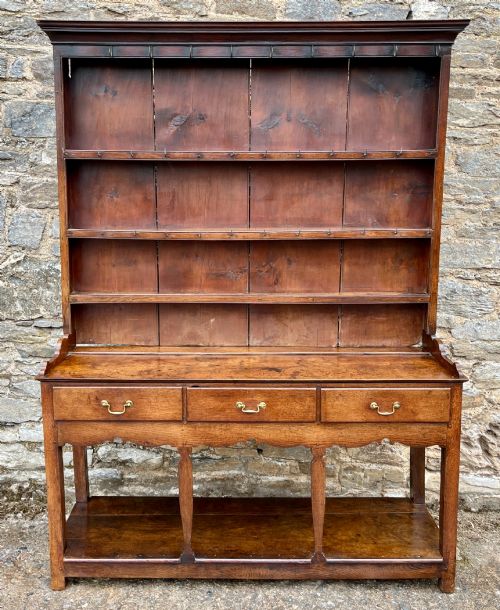
A georgian open dresser combines a lower storage base of drawers and cupboards with an upper open-backed plate rack for display. These pieces originate from regional workshops across Wales, England, and Ireland during the eighteenth and nineteenth centuries.
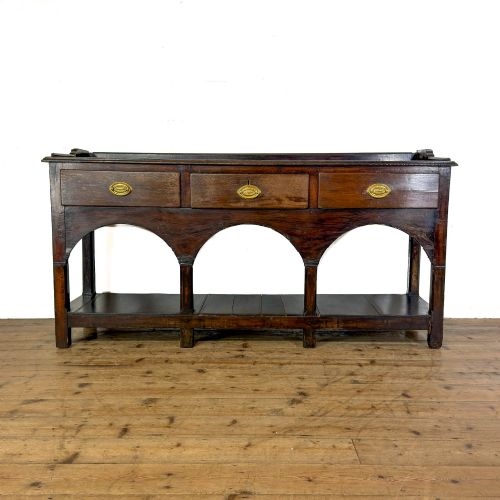
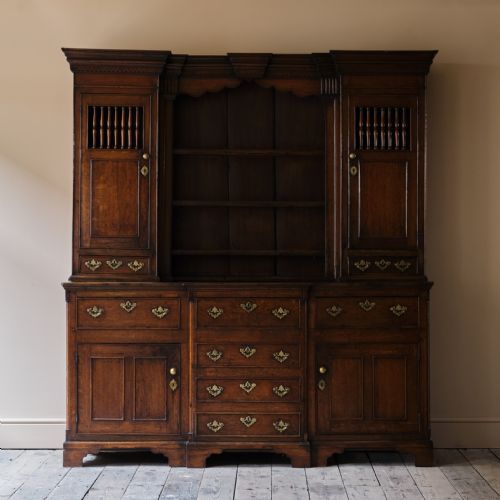
The form appears in multiple regional variations, including potboard bases with lower shelving, breakfront layouts, and specialised vernacular formats like bread and cheese cupboards. Surviving examples reflect the domestic requirements of country houses, farmhouses, and provincial dwellings.
How they were made
Cabinetmakers constructed these pieces primarily using native timbers such as oak, pine, elm, and mahogany, frequently combining woods within a single carcass. Surfaces often retain original paint, unvarnished patinas, or historic finishes applied over solid board construction.
Hardware elements incorporate cast brass pulls, drop handles, and iron fittings secured to traditional panelled doors and dovetailed drawer construction. Racks attach directly to the base or stand separately as open-backed display structures with fixed shelving.
Bread and cheese cupboards built into Welsh furniture kept dairy safe from household mice.
What varies in quality
Quality rests upon the integrity of the timber figure, the preservation of original surface patination, and the retention of primary components like potboards and plate racks. Proportion and regional vernacular detail distinguish provincial pieces produced by regional joiners.
The survival of original painted finishes, unblemished board tops, and unaltered hardware configurations elevate certain examples above standard domestic formats.
The Georgian Open Dresser Glossary
- Potboard
- A lower open shelf positioned beneath the main drawers of a dresser base, traditionally used for storing pots and pans. This platform sits near floor level, supported by sturdy stile feet.
- Plate rack
- An upper wooden framework featuring open shelves and grooved ledges designed to display ceramic plates upright. These structures attach to the rear of the dresser base.
- Breakfront
- A cabinet front where the central section projects forward beyond the flanking sides. This configuration creates architectural depth in larger dresser bases and bookcases.
- Vernacular
- Regional furniture styles built by local cabinetmakers using native materials for practical domestic use rather than following metropolitan fashion trends. These pieces display distinct local construction traits.
- Patina
- The surface sheen and colour acquired by wood and paint over centuries through handling, polishing, and light exposure. Original patination indicates minimal chemical stripping or modern refinishing.
Georgian Open Dresser: Frequently Asked Questions
Where were these dressers made?
Makers constructed these pieces across various regions including Wales, Scotland, Ireland, and English counties such as Yorkshire and the West Country. Each region utilised local timbers and distinct joinery methods.
Local workshops adapted the form to suit rural farmhouses, country houses, and provincial town dwellings.
How do I style an open dresser?
An open dresser provides display space for ceramics, pewter, and books on its upper shelves while concealing everyday items within lower drawers and cupboards. The open format suits both traditional country kitchens and contemporary living spaces.
Items placed on the rack remain visible, making the piece a focal point for displaying collected tableware.
Are the plate racks original?
Many dressers retain their matching upper plate racks, though some base sections survive independently or were paired with racks later. Examining timber species, wear patterns, and fixing methods helps determine if the top and base belong together.
Listings specify whether a piece includes its original rack or functions as a dresser base alone.