



Georgian Kitchen Hutch
A georgian kitchen hutch provides sturdy utility and timeless storage, bringing practical historic charm directly to the modern interior.
Georgian Kitchen Hutch
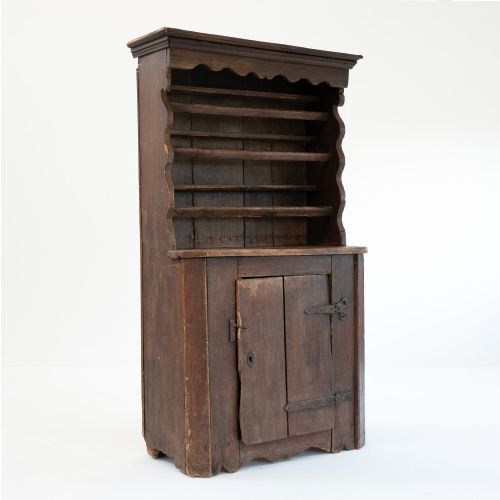
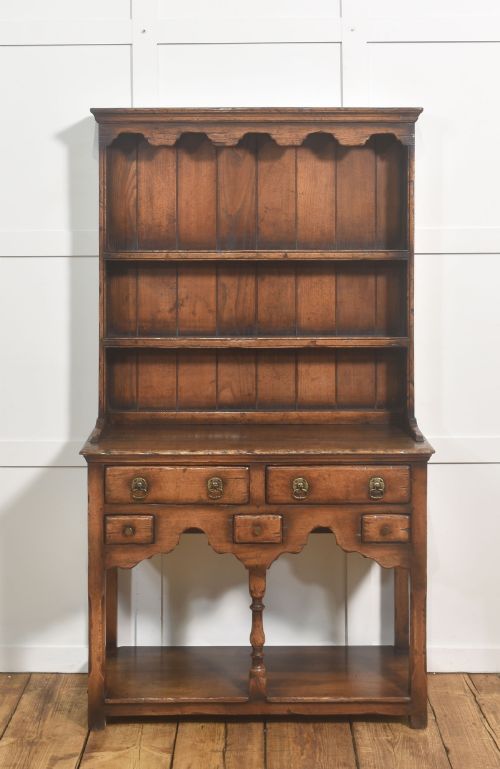
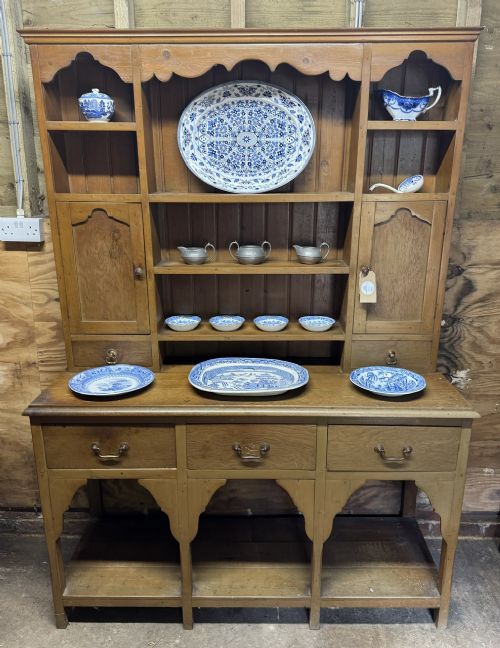
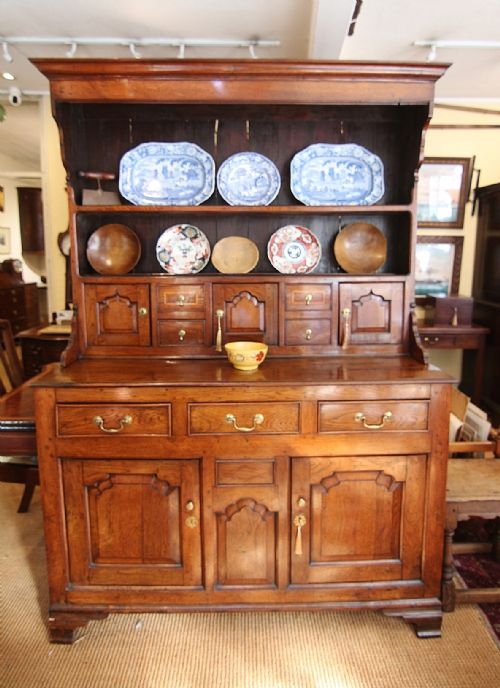
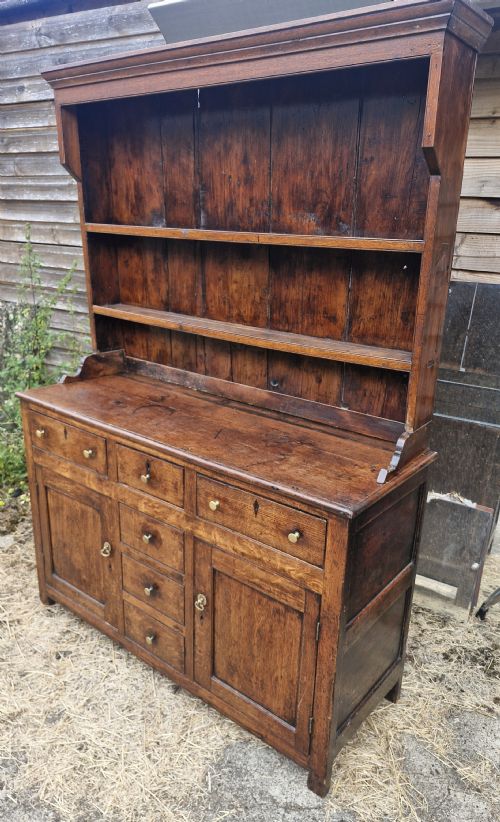
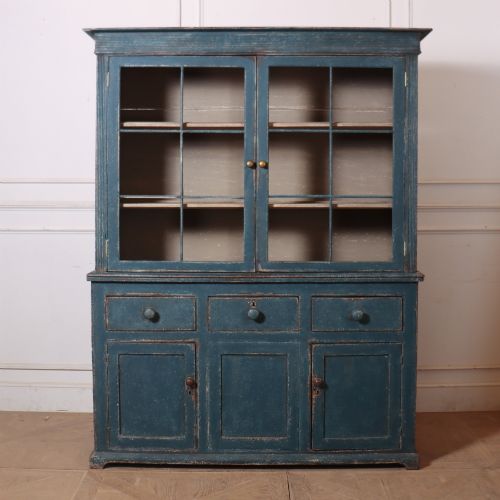
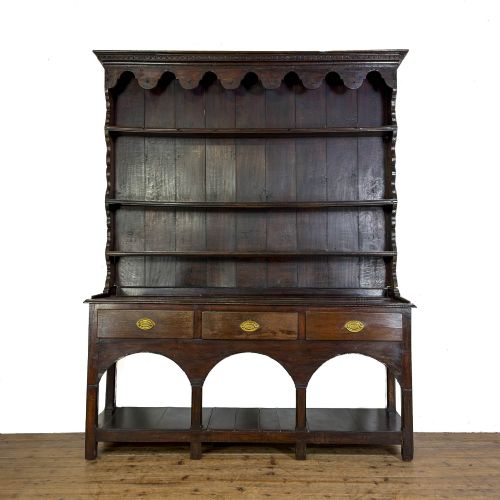
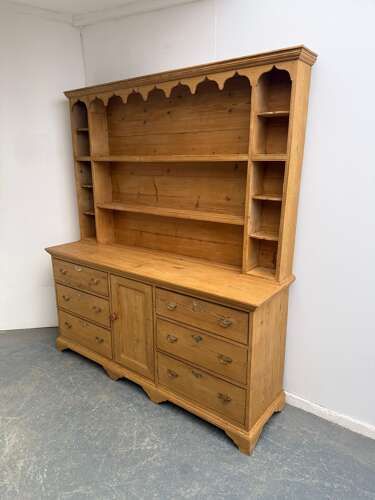
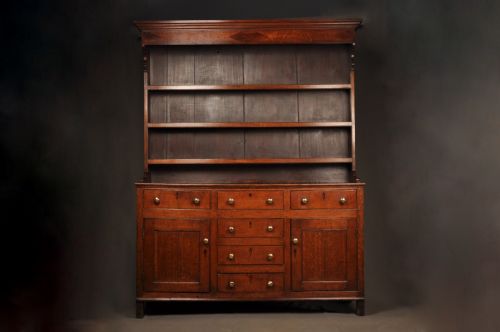
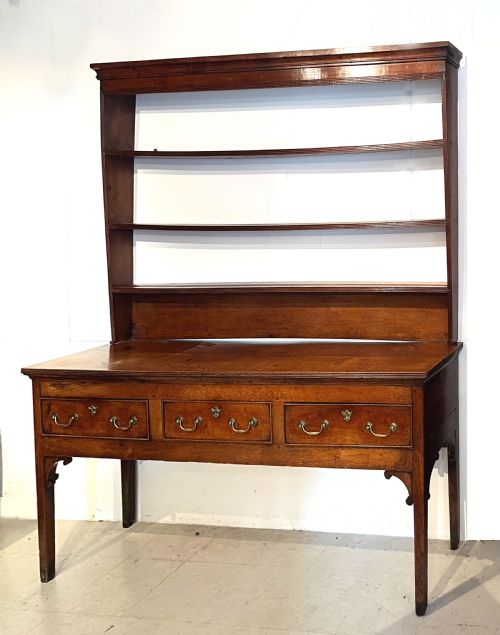
When you search for a georgian kitchen hutch, you are examining robust storage furniture designed for daily culinary use in historic homes. These pieces combine lower cupboard or drawer space with upper plate racks, serving as the central storage hub of the traditional kitchen.
The versions most commonly met on this page span the eighteenth and nineteenth centuries, appearing primarily in regional British vernacular styles such as Welsh, English Country, and West Country designs. They reflect the practical domestic needs of past households through straightforward construction.
Makers utilised available regional timbers, producing variations that range from simple cottage furniture to more refined George III examples. Each piece demonstrates how utilitarian storage evolved into a focal point of domestic life.
Construction and materials
Cabinet makers built these pieces predominantly using solid oak, pine, and elm, often pairing denser hardwoods for frames with softer timbers for secondary panels. Surfaces were frequently left untreated, waxed, or finished with early paint layers that developed distinct patinas over decades of use.
Joinery techniques relied on traditional pegged mortise and tenon joints to ensure lasting stability under heavy domestic loads. Iron, brass, or wooden hardware secured doors and drawers, while plate racks were integrated directly into the upper structure or attached securely to the base.
Some dressers still hide the faint grease stains of forgotten Georgian supper preparations deep inside their cutlery drawers.
Judging quality and character
The finest examples retain their original upper plate racks, surface patinas, and uncompromised structural timbers without extensive modern replacements. Regional detailing, such as carved geometric motifs or breakfront drawer arrangements, elevates the workmanship above standard utility pieces.
Proportion and timber selection also distinguish superior examples, where grain patterns in oak, walnut, or cherrywood display deliberate aesthetic consideration. Lower quality or heavily restored pieces often show mismatched elements, replaced boards, or stripped surfaces that obscure the historic finish.
The Georgian Kitchen Hutch Glossary
- Plate rack
- An open set of wooden shelves mounted above the base unit, designed specifically to display and store ceramic plates upright. This feature forms the distinctive upper section of most traditional dressers.
- Pot board
- A low open shelf fitted between the lower legs of a dresser, originally intended for storing heavy pots and pans. It provides structural bracing while offering additional open storage.
- Vernacular
- Architectural or furniture styles characteristic of a particular locality, constructed by local artisans using regional materials. These pieces prioritize practical utility over formal academic design trends.
- Patina
- The surface sheen and coloration developed by wood and paint over long periods of handling, waxing, and exposure to light. A preserved patina indicates age and authenticity.
- Breakfront
- A cabinet design where the central section projects forward from the flanking outer sections. This arrangement adds visual depth and accommodates varying internal drawer configurations.
Georgian Kitchen Hutch: Frequently Asked Questions
What is a georgian kitchen hutch?
A georgian kitchen hutch is a traditional storage item combining a lower base of cupboards or drawers with an upper display rack. These furnishings served as the primary storage units for household crockery and food preparation equipment in historic homes.
Today, they function as versatile statement pieces in modern kitchens and dining rooms, offering substantial display space and practical storage for everyday tableware or decorative collections.
How do I care for antique wood?
Maintaining antique timber requires simple, consistent care using natural beeswax to nourish the wood and preserve its historic finish. Avoid placing these pieces in direct sunlight or near sudden heat sources to prevent timber splitting.
Keep humidity levels stable within the room and gently dust surfaces with a soft, dry cloth rather than using modern chemical polishes that can damage old patinas.
Where were these hutches made?
These pieces originate from various regions across Britain, with distinct styles emerging from Wales, the West Country, and other rural farming communities. Local craftsmen utilised the native hardwoods accessible in their immediate areas.
Regional carpentry traditions heavily influenced the design details, resulting in unique characteristics that often identify whether a piece originated in South Wales or rural England.