

Historical Portrait Wall Art
Historical portrait wall art brings centuries of individual presence into a room through painted oil on canvas, delicate engravings, and framed prints.
Historical Portrait Wall Art
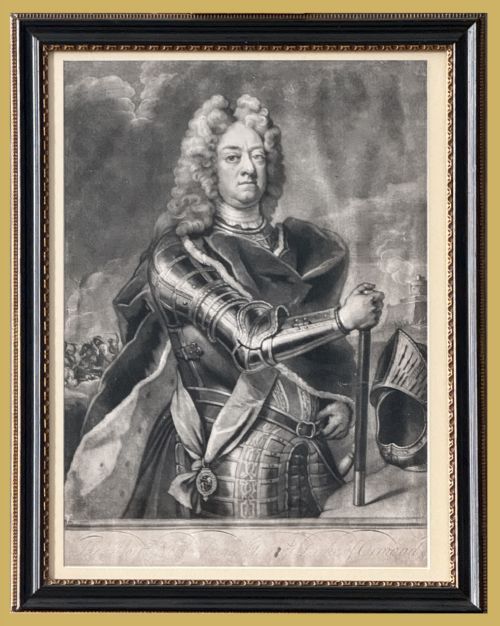
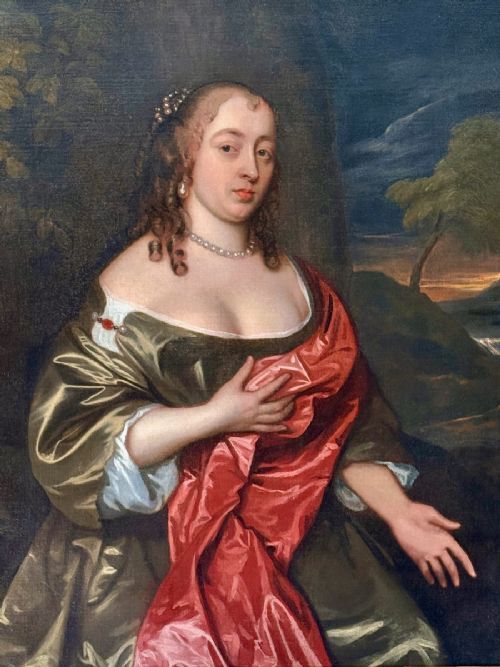
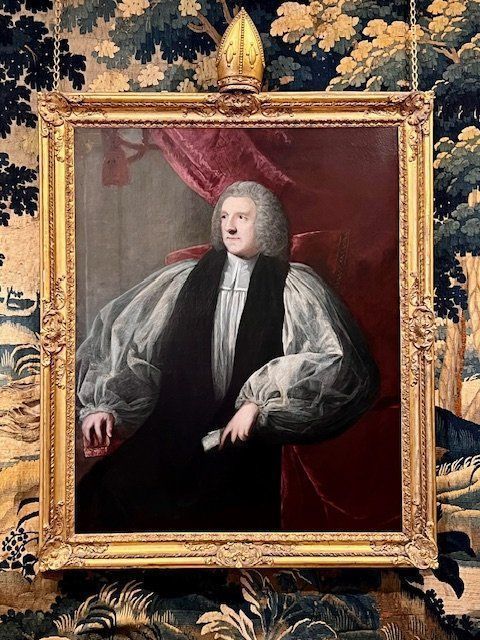
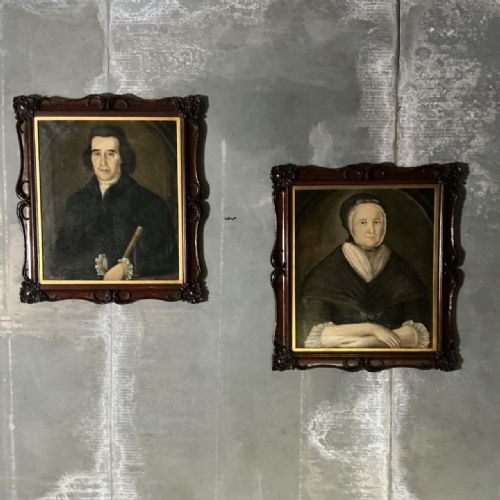
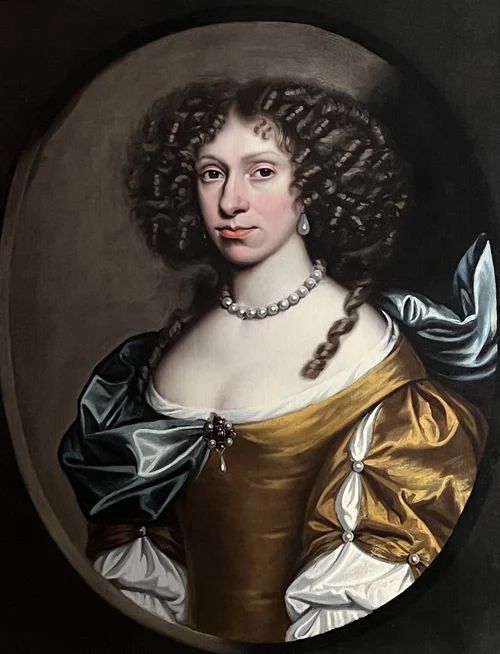
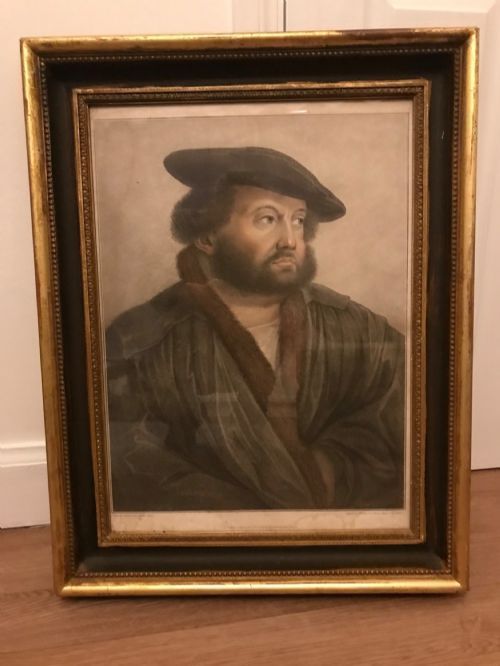
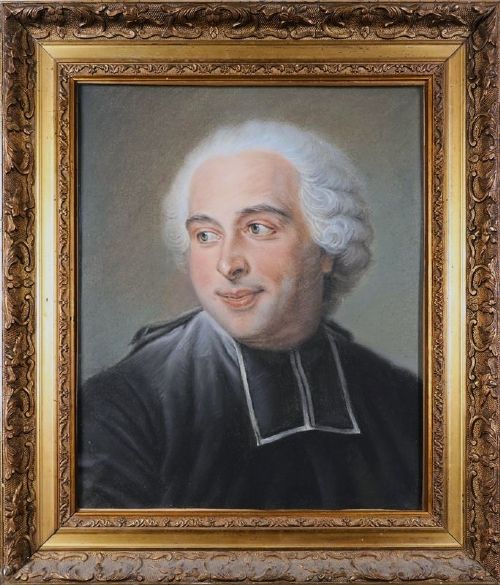
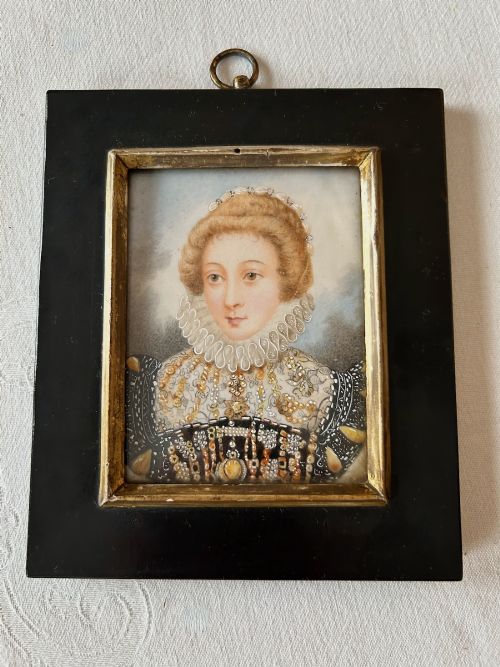
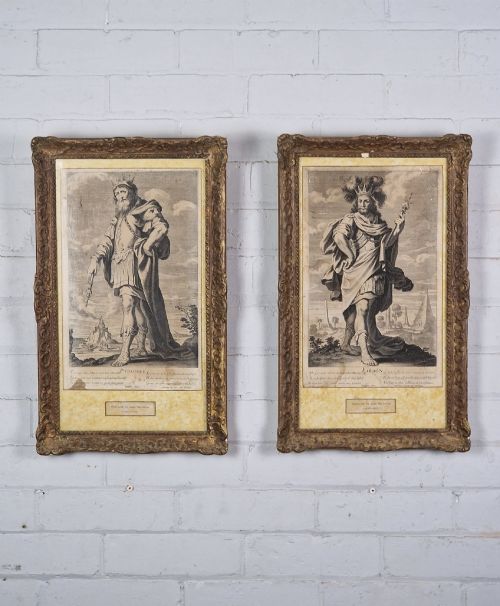
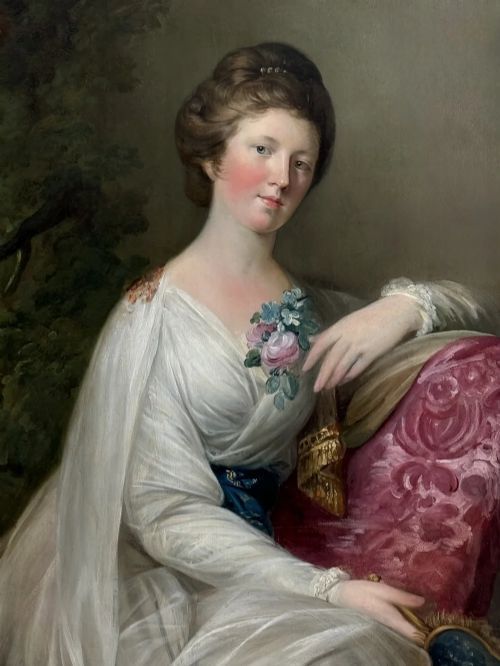
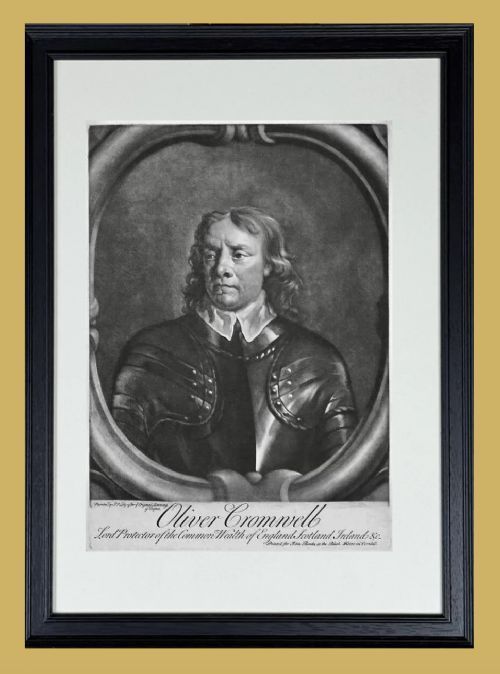
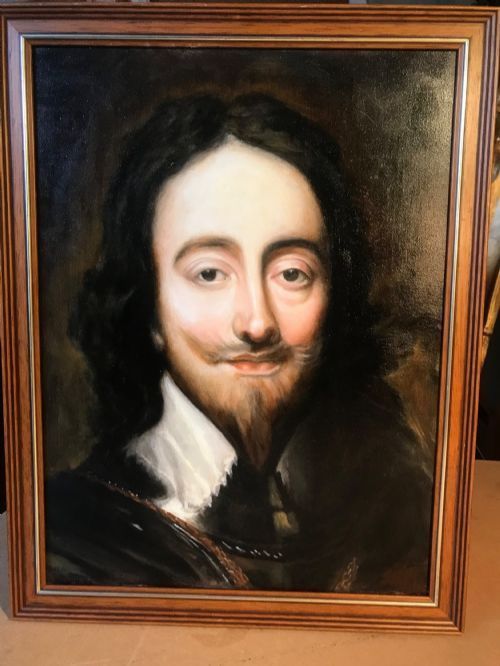
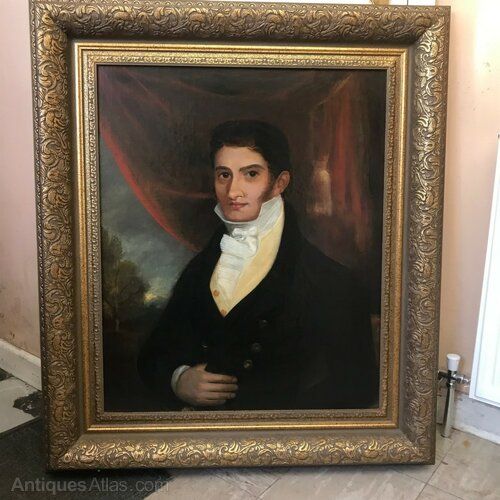
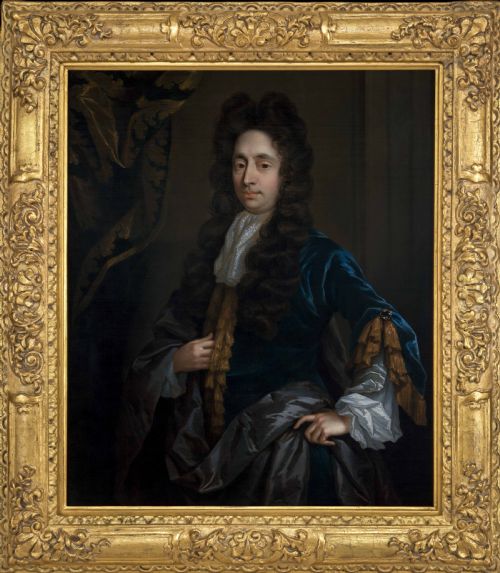
Historical portrait wall art comprises framed oils, mezzotints, engravings, and pastels depicting named sitters and anonymous subjects from the seventeenth century onward.
The pieces on this page span Dutch Baroque, Georgian, and Victorian aesthetics, translating elite patronage and bourgeois self-image into domestic interiors.
Buyers encounter oil paintings on canvas alongside works on paper, capturing officers, nobles, merchants, and children through varied European schools.
How They Were Made
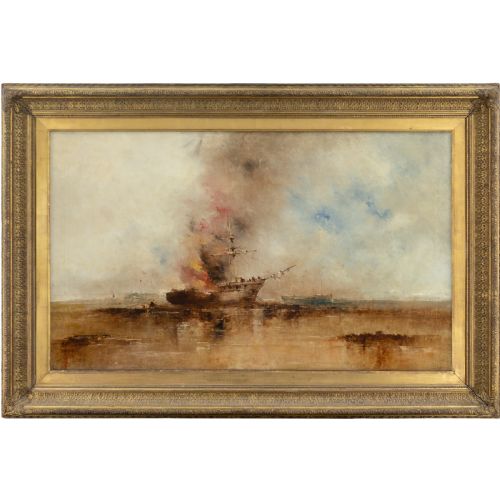
Makers applied oil paint to stretched canvas or wood panels, building depth through layered glazes and pigments while sometimes utilising gold leaf on frames.
Printmakers created mezzotints and stipple engravings on paper or glass using copper plates, ink, and specialised tools to reproduce painted originals.
Historical Portrait Wall Art Retail Price Guide 2026
Typical asking prices for historical portrait wall art among the pieces listed under this phrase on Sellingantiques today, from the lower quarter to the upper quarter. They describe what is for sale here now, not the wider market.
Several ladies maintain their composure while surrounded by unexpected companions, including oranges and horses.
What Varies In Quality
The nuance of facial modelling and the handling of textiles like silk and lace distinguish ambitious studio output from routine commercial portraiture.
Original giltwood framing, period provenance, and the direct attribution to known artists or documented schools elevate the historical importance of a piece.
Sir Joshua Reynolds·Michael Dahl·John Simon·Sir Peter Lely·Francesco Bartolozzi·Anthony Van Dyck
The Historical Portrait Wall Art Glossary
- Mezzotint
- A printmaking process where the copper plate is roughened to achieve rich tonal gradations and deep shadows. This technique allowed printmakers to translate painted portraits into highly detailed monochrome prints.
- Stipple engraving
- A method of dotting lines onto a printing plate to build up form and subtle shading. Artists utilised this process for delicate portrait miniatures and book illustrations.
- Giltwood
- Wood carved and coated with a thin layer of gold leaf or powder. It defines the ornate frames typical of seventeenth and eighteenth-century hanging art.
- Baroque
- An artistic style characterised by dramatic movement, deep colour, and grand scale. It heavily influences the posture and lighting in seventeenth-century portraiture.
- Provenance
- The documented history of ownership of an antique. This paper trail confirms authenticity and links the artwork to historical collections.
Historical Portrait Wall Art: Frequently Asked Questions
What periods do these portraits cover?
The selection spans from the seventeenth century through the Georgian and Victorian eras, reaching into the twentieth century with diverse stylistic influences.
These periods reflect changing societal roles and evolving artistic techniques across British and European workshops.
How were these artworks framed originally?
Many period works are housed in carved giltwood frames designed to complement the status and aesthetic of the sitter.
Original frames provide context for how these portraits were displayed in historic homes and galleries.
Can I identify the sitters in these portraits?
Some pieces explicitly record names, titles, and dates directly within the titles or inscriptions, detailing military officers, nobles, and merchants.
Other artworks depict anonymous gentlemen, ladies, and children whose identities remain lost to time.
What mediums are common in historical wall art?
Oil on canvas dominates the painted selections, accompanied by works on paper including engravings, pastels, and mezzotints.
Materials also encompass wood panels, ink, and glass, reflecting the diverse output of historical printmakers and painters.