

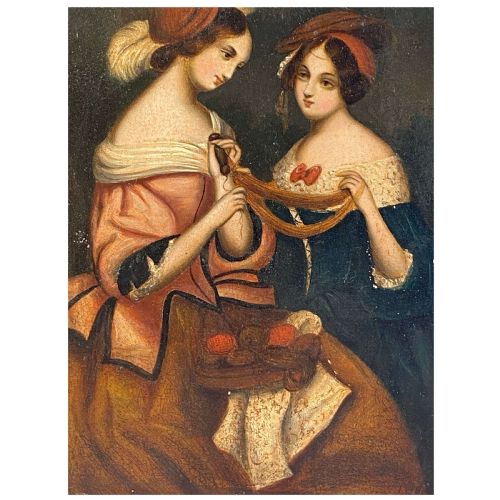


Antique Double Portrait Painting
An antique double portrait painting captures two distinct subjects within a single frame, offering a fascinating glimpse into past relationships.
Antique Double Portrait Painting
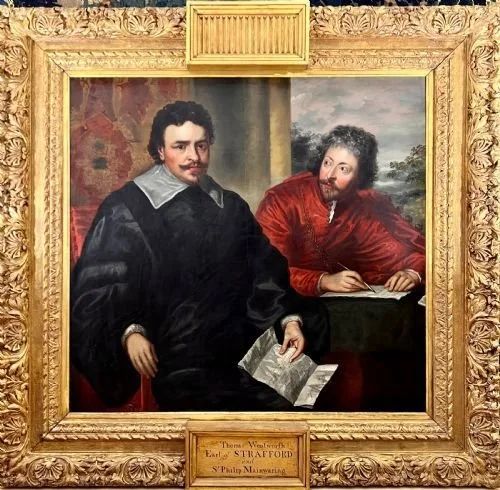
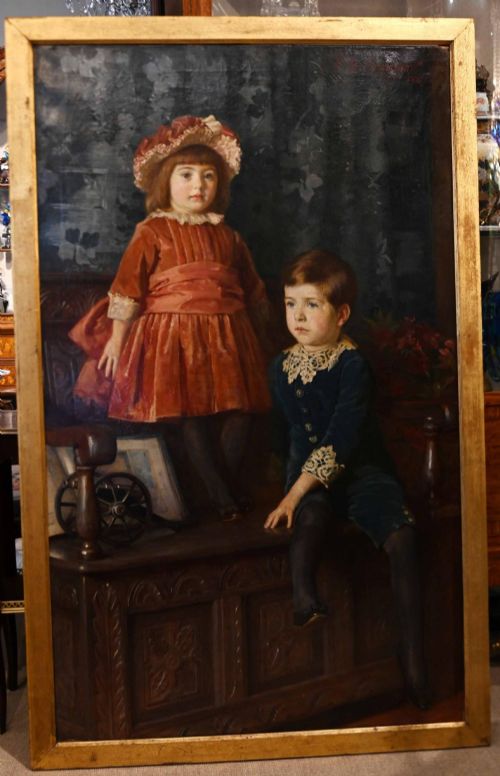
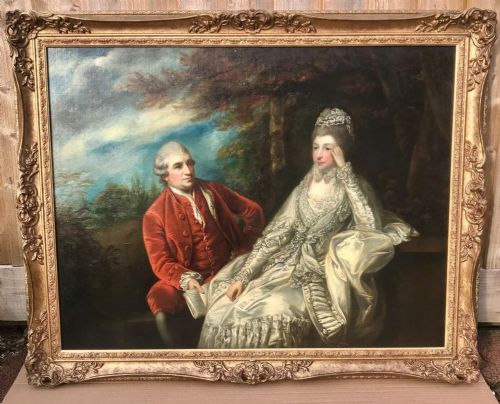
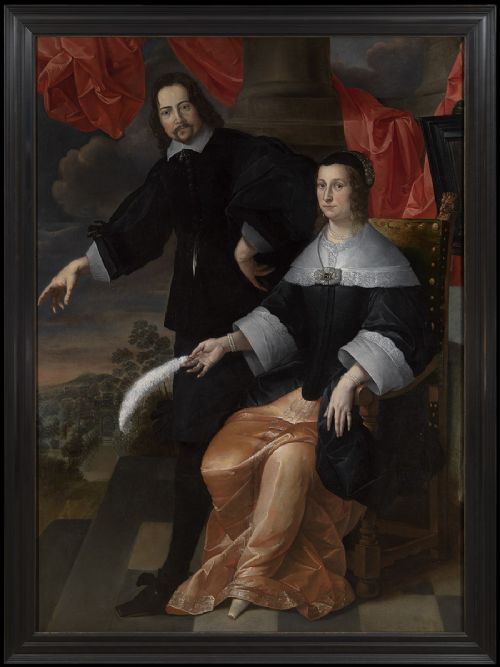
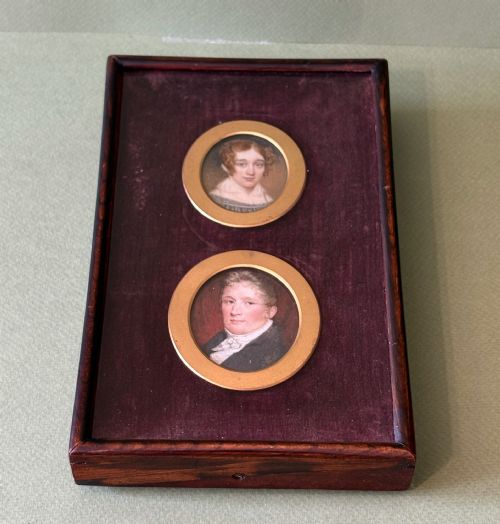
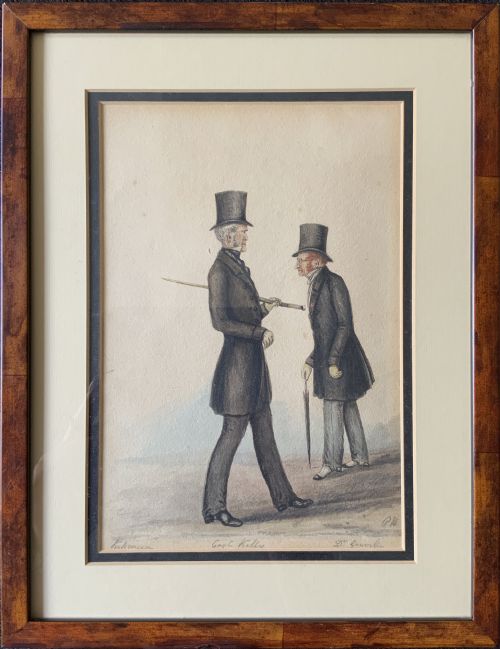
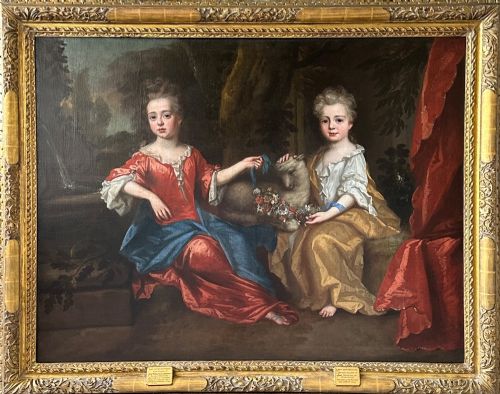
When you search for an antique double portrait painting, you encounter works depicting pairs of subjects, from siblings and royalty to aristocratic figures, rendered primarily in oils on canvas. The examples span several centuries, reaching back to the seventeenth century and moving through the Georgian and Victorian eras, frequently housed in period frames such as giltwood or oak.
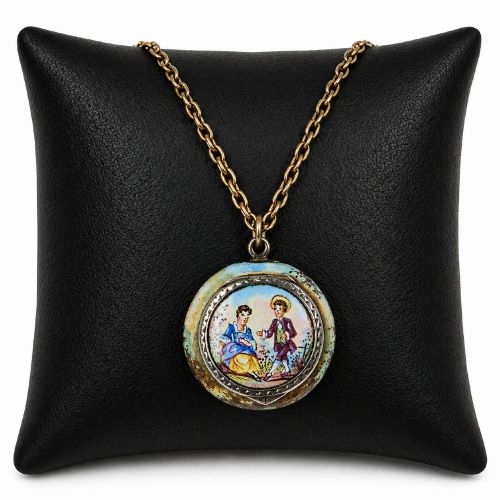
The compositions vary widely in scale and medium, ranging from large oils on canvas to intimate miniature portraits and double-sided lockets. You are likely to meet canvases portraying known historical figures or anonymous sitters alike, each revealing the social conventions and artistic sensibilities of their respective periods.
Materials and construction
The physical foundation of these works relies heavily on stretched canvas, wooden panels, and zinc, painted primarily in oil or watercolour. Artists applied pigments to prepare grounds, utilising techniques characteristic of Dutch Baroque, Georgian, and Victorian schools to build depth and likeness.
Framing forms an integral part of the piece, with makers employing carved giltwood, gilded wood, and stepped oak to house the paintings. Some specialist items incorporate glass and metalwork, particularly in miniature formats or double-sided pieces.
Several entries feature royal subjects, including double portraits of King George V with Queen Mary and King George VI with Queen Elizabeth.
Judging the work
The distinction between ordinary and exceptional pieces rests upon the surety of the brushwork and the psychological depth captured in the sitters' expressions. Superior examples display confident handling of anatomy, fabric, and light, often attributed to named artists or established studios.
Condition and originality also dictate standing, particularly the preservation of the painted surface and the authenticity of the accompanying period frame. Works retaining their original stretchers, frames, and documented provenance command greater attention from collectors.
Joshua Reynolds·Bartholomeus van der Helst·Trajan Hughes·James Maubert·Kershaw Schofield·Robert Byng·Benjamin Marshall·Francis Hayman
The Antique Double Portrait Painting Glossary
- Dutch Baroque
- A seventeenth-century artistic movement known for dramatic lighting, rich colour palettes, and realistic portraiture.
- Giltwood
- Wood that has been coated with a thin layer of gold leaf or gold paint, frequently used for ornate antique frames.
- Miniature portrait
- A small, highly detailed painting, often executed on a small scale for personal token or locket use.
- Provenance
- The documented history of ownership of an artwork, establishing its authenticity and lineage.
- Oil on canvas
- A painting technique using pigments suspended in a drying oil medium, applied to a stretched woven fabric support.
Antique Double Portrait Painting: Frequently Asked Questions
What is an antique double portrait painting?
An antique double portrait painting is a work of art depicting two individuals within the same composition, created centuries ago.
These pieces often record marital unions, family lineages, or political partnerships, serving as both personal mementoes and social statements.
How should I hang an antique portrait?
When hanging an antique portrait, select a wall away from direct sunlight and excessive moisture to protect the canvas and pigments.
Ensure the wall fixings are secure and suitable for the weight of the heavy wooden or gilt frames typically accompanying these works.
Are all double portraits of couples?
While many double portraits depict husbands and wives, a significant number portray siblings, royal pairs, or professional associates.
The relationships are often indicated by the sitters' physical proximity, gestures, or accompanying symbolic objects within the painted scene.
How do I identify the period of a painting?
Dating a painting involves examining the style of dress, hair, and framing, alongside the material composition of the canvas and stretcher.
Signatures, inscriptions, and historical documentation or labels on the reverse of the frame further assist in narrowing the era of creation.