

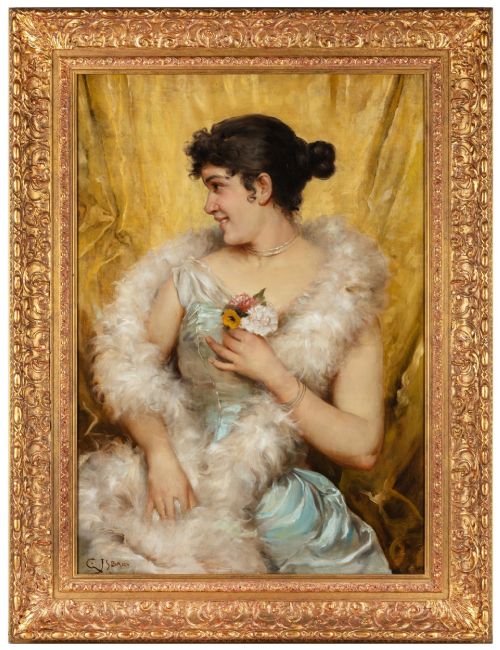
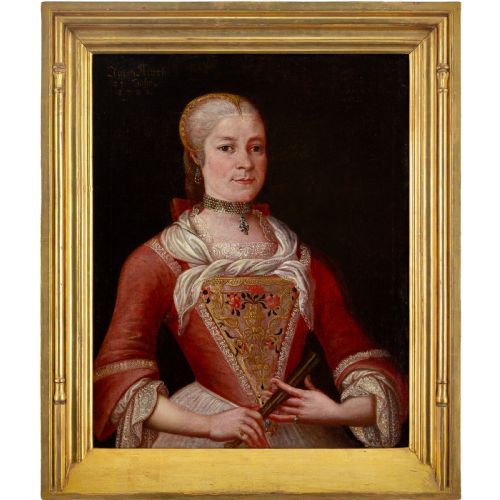
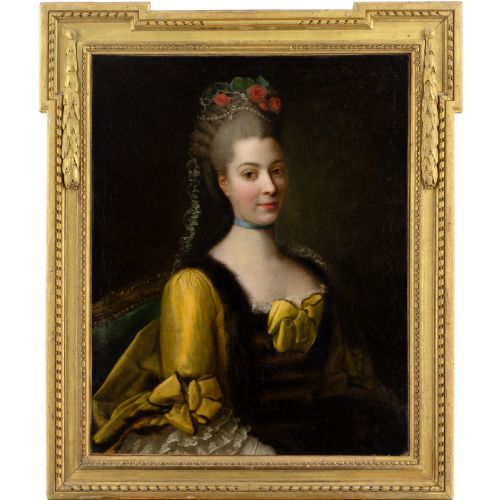
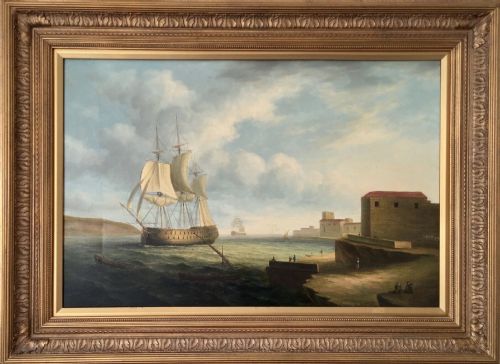

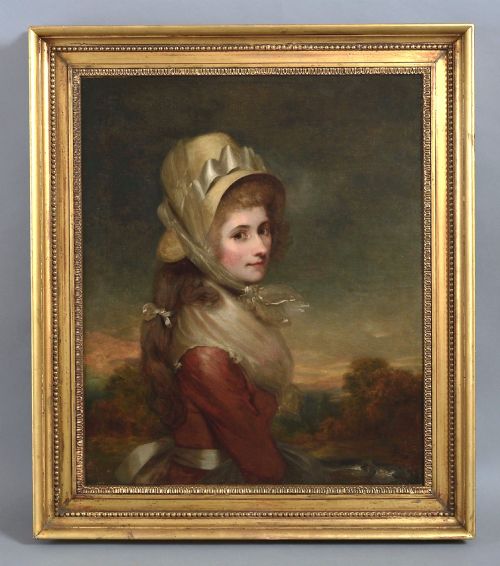
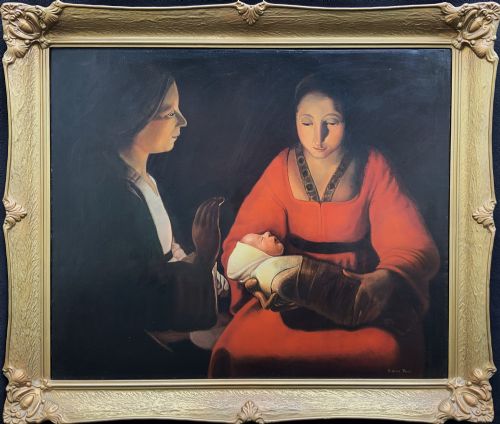
Framed Oil Portrait Artwork
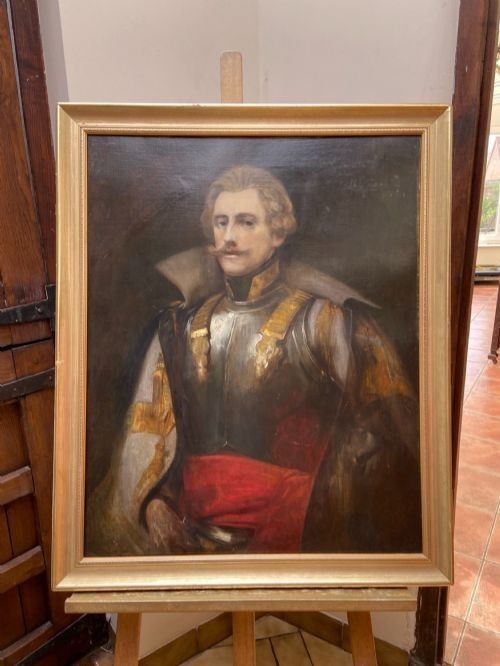
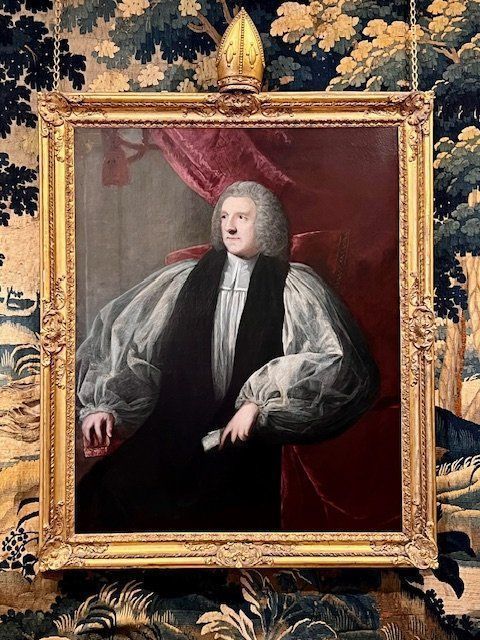
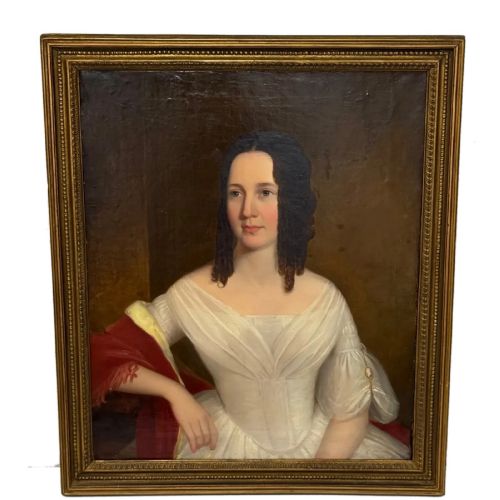
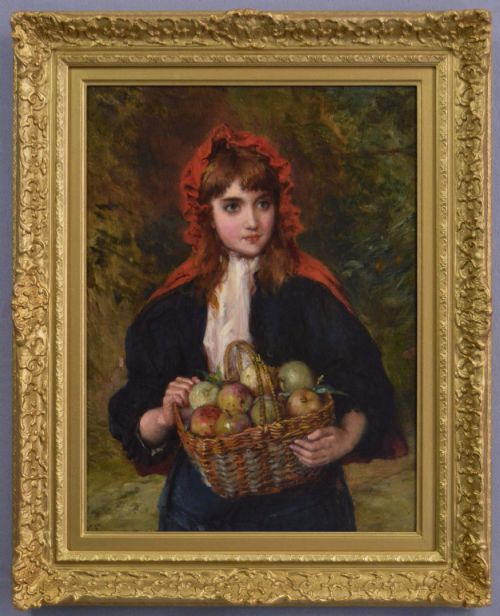
When you search for framed oil portrait artwork, you meet centuries of human likenesses rendered in rich pigments and housed in period surrounds.
Framed Oil Portrait Artwork
When searching for framed oil portrait artwork, a buyer examines depictions of notable figures, nobles, and everyday sitters spanning from the seventeenth century through the twentieth century.
The selections most commonly met on this page range from monumental Georgian canvases and Regency panels to Victorian and Edwardian portrayals executed with distinct regional styles.
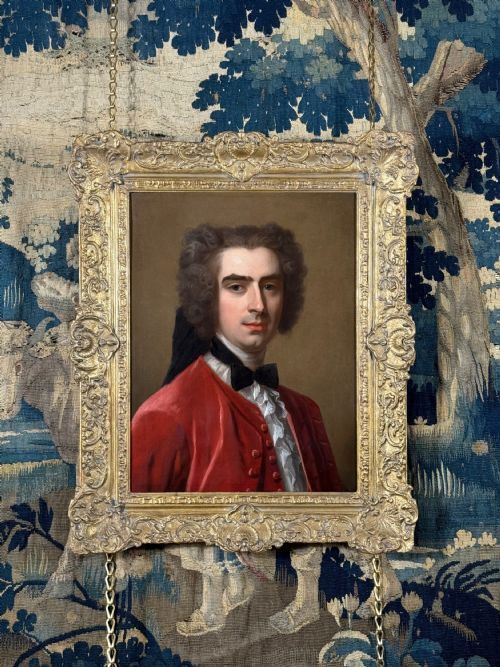
These works capture the likeness, status, and character of historical individuals, often framed in elaborate period mouldings that complete the piece.
Materials and methods of execution
The pieces recorded in the evidence rely primarily upon oil paint applied to woven canvas supports or wooden panels, creating durable surfaces that hold rich pigment over centuries.
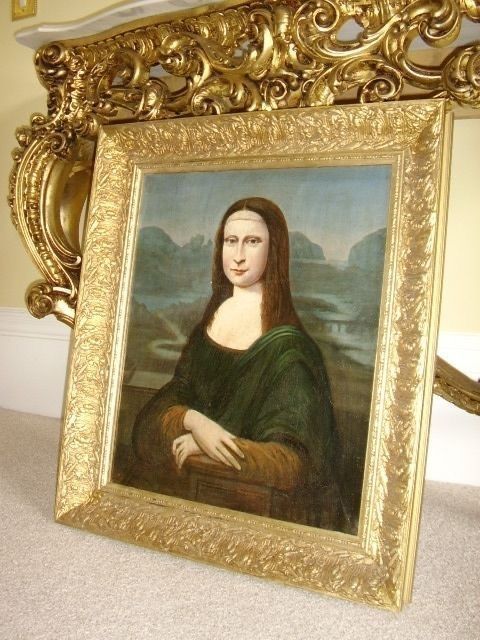
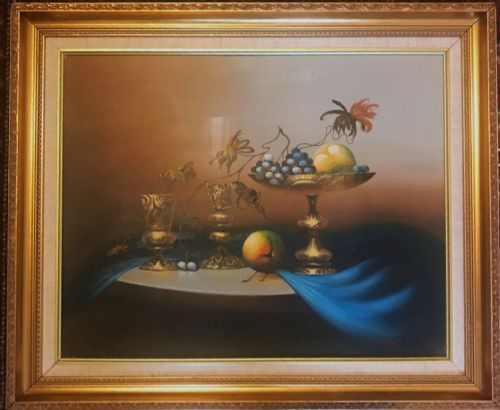
Surrounding frames utilise wood embellished with giltwood and gold leaf, providing ornate architectural borders that reflect the aesthetic tastes of Baroque, Georgian, and Victorian makers.
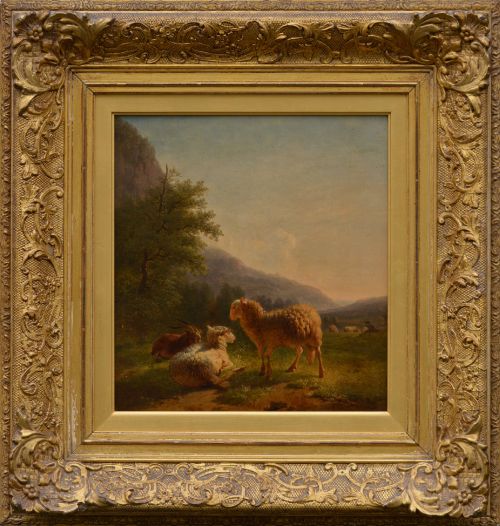
Several portraits feature unexpected animal companions, capturing prize racing pigeons, resting sheep, and watchful guard dogs alongside human sitters.
Distinctions in quality and execution
Superior examples demonstrate confident brushwork, accurate anatomical proportions, and subtle tonal gradations in the depiction of skin, fabric, and lighting by skilled hands.
The refinement of the supporting frame, particularly hand-carved giltwood mouldings that match the period of the canvas, elevates the overall standing of the artwork.
Sir Joshua Reynolds·William Oliver·Jean Baptiste Van Loo·Joseph Clover·Sir Peter Lely·Sir Godfrey Kneller
The Framed Oil Portrait Artwork Glossary
- Oil on Canvas
- A traditional painting medium where pigments bound in drying oil are applied to stretched fabric. This combination allows for rich blending of colours and long-lasting preservation.
- Giltwood
- Wood that has been coated with a thin layer of gold leaf or powder. It provides a bright, reflective finish typical of decorative frames from various historical eras.
- Panel
- A flat wooden board used as a rigid support for painting before canvas became dominant. Wooden panels offer a stable surface that withstands the ageing process well.
- Baroque
- An artistic style originating in the seventeenth century characterised by dramatic use of light and shadow, rich detail, and grand scale. Portraiture from this era emphasises theatrical presence and status.
- Regency
- A period of British design marked by classical elegance, restraint, and refined decorative detail. Works from this time often feature delicate framing and subtle tonal palettes.
Framed Oil Portrait Artwork: Frequently Asked Questions
How do I date an antique oil portrait?
Dating relies heavily on the style of costume, hair, and framing depicted within the canvas, alongside the physical characteristics of the wooden stretcher or panel.
Examining the ageing of the oil paint and any inscriptions or labels on the reverse helps narrow down the decade of creation.
What is the difference between canvas and panel portraits?
Canvas supports became widely popular for their flexibility and ability to be produced in large, monumental sizes for stately homes.
Wooden panels were more common in earlier centuries, offering a completely rigid surface that prevents the cracking associated with aged fabric.
How should I care for a framed oil painting?
Keep portraits away from direct sunlight, high humidity, and rapid temperature fluctuations that can cause the canvas to warp or the oil paint to craze.
Dust the surface and the surrounding giltwood frame gently with a soft, dry brush without applying moisture or cleaning agents.
Are period frames original to the paintings?
Many portraits retain their original frames, which are matched to the exact period of the artwork through stylistic cues like carved ornamentation and gilding methods.
Some pieces have been re-framed in later centuries to suit changing interior decoration tastes while still utilising period materials.