
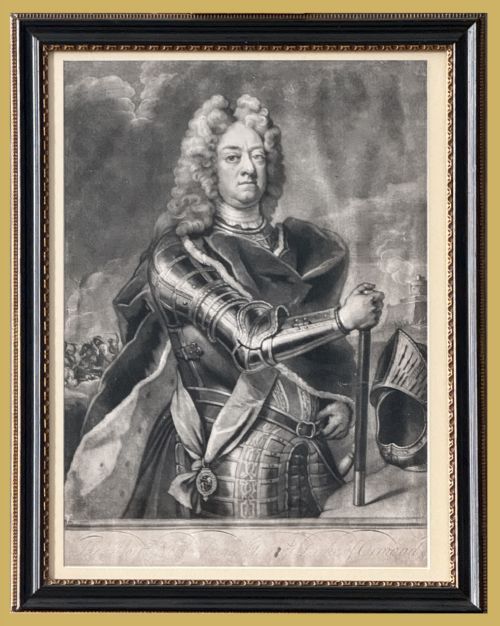
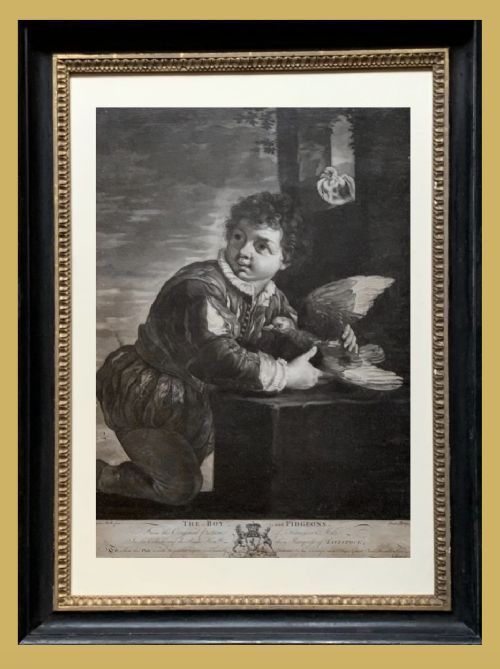
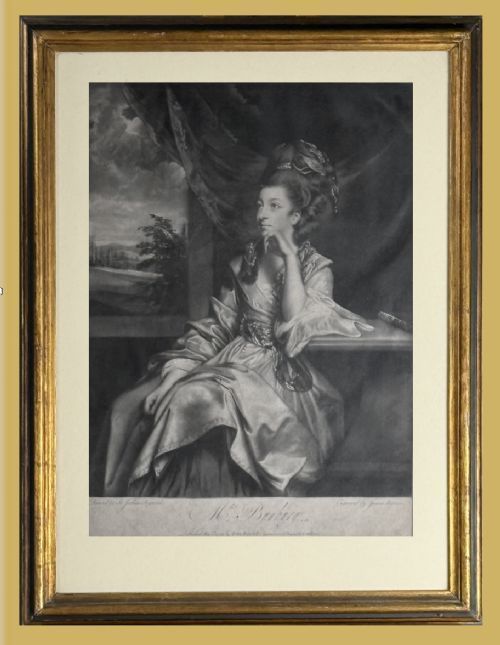
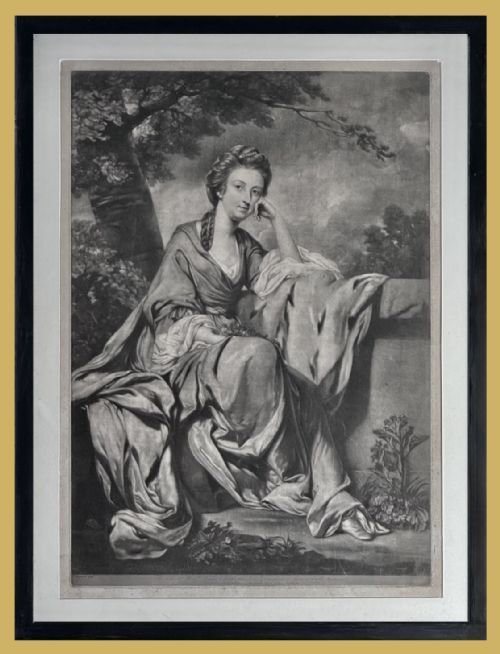


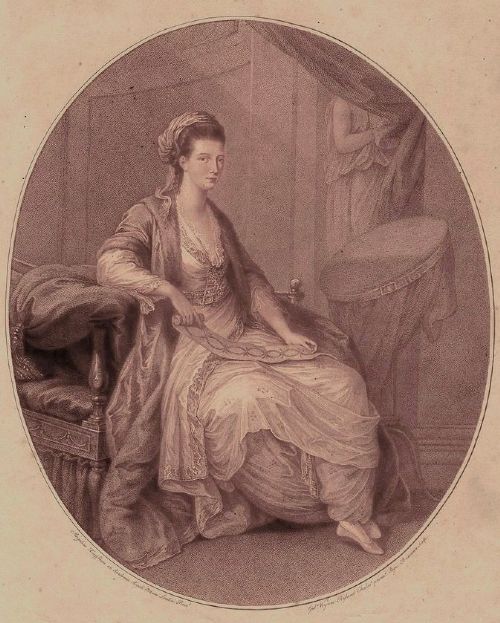
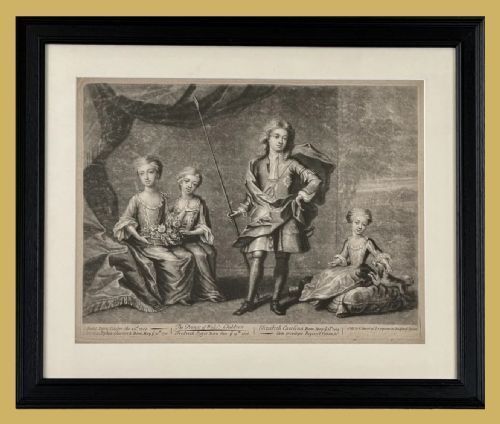
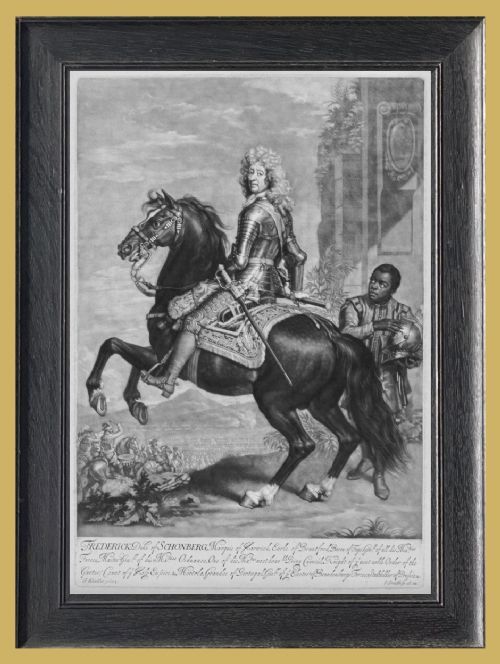
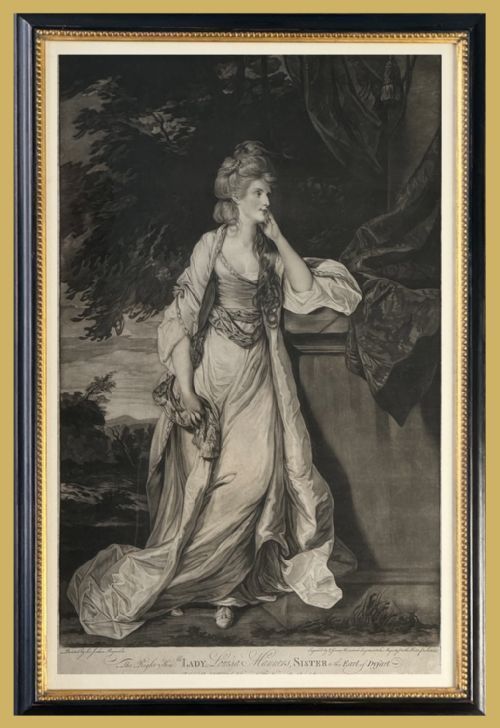
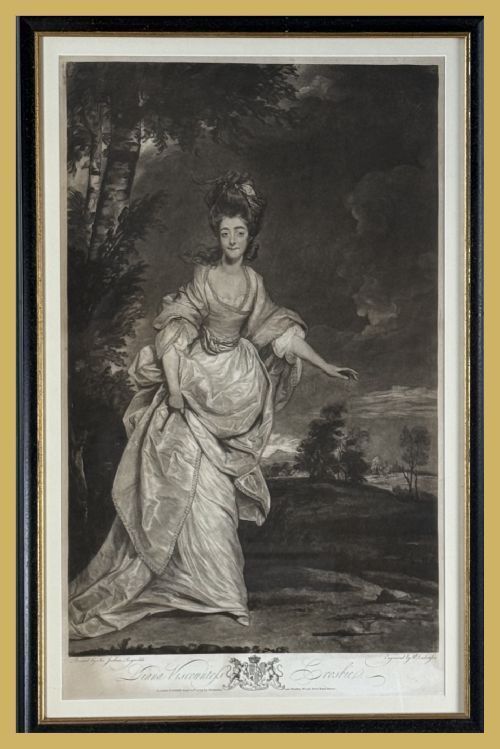
Antique Copperplate Portrait Print
An antique copperplate portrait print brings the striking likenesses of historical figures into a room through centuries-old inked impressions on paper.
Antique Copperplate Portrait Print
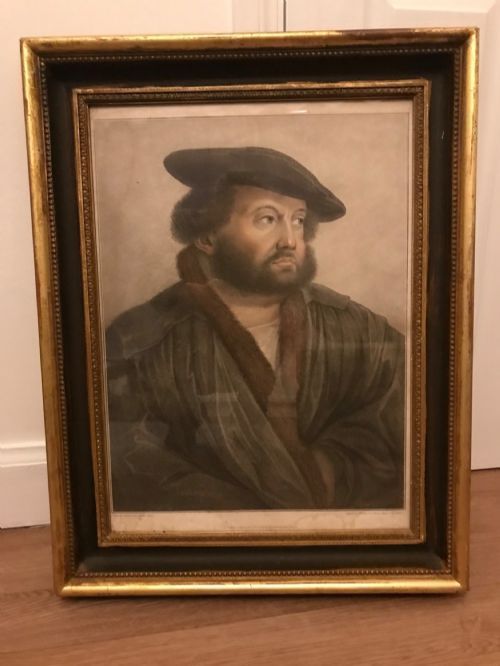
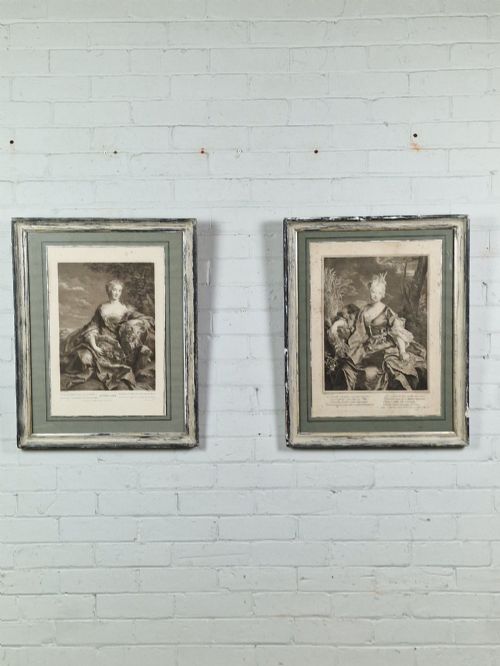
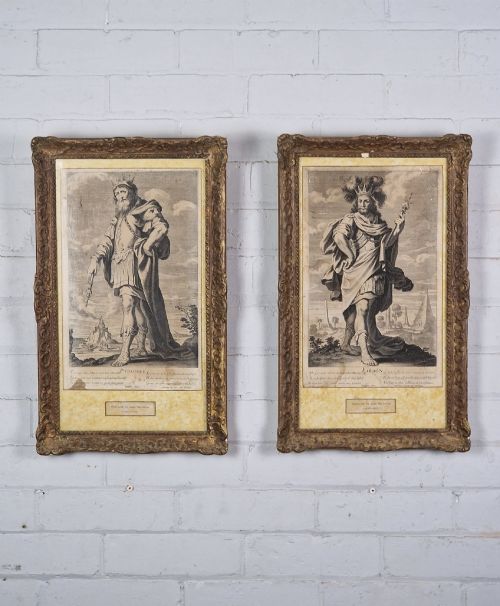
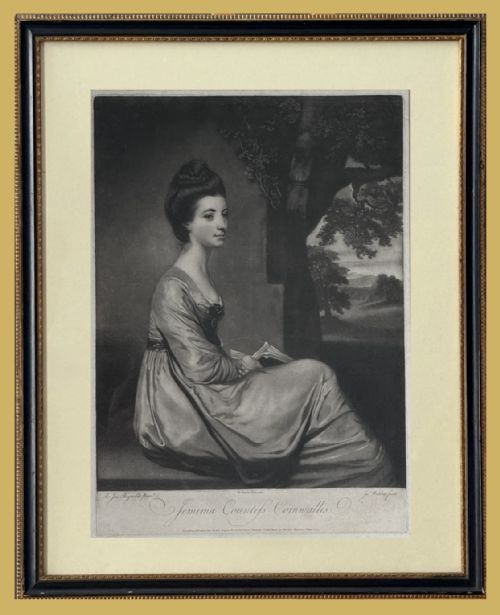
When you search for an antique copperplate portrait print, you are looking at works produced by engraving and mezzotint techniques that capture nobility, royalty, and notable historical figures from the seventeenth, eighteenth, and nineteenth centuries.
The versions you are most likely to meet on this page include eighteenth-century mezzotints and line engravings originating from British and French workshops, often presented framed in wood or gilt.
Materials and technique
These works rely on metal plates into which designs are cut with a burin or roughened for tonal gradation, then inked and pressed onto paper using heavy rolling presses.
Framing materials such as wood, glass, and gilt timber frequently accompany the paper sheets, preserving the delicate ink work against atmospheric wear.
Listings feature works spanning the seventeenth, eighteenth, and nineteenth centuries, utilising paper, ink, and timber frames.
Evaluating the impressions
The sharpness of the line and the richness of the dark velvety tones in a mezzotint distinguish early, crisp impressions from later printings where the metal plate has worn down.
The distinction also lies in the clarity of the paper and the precision of the contemporary framing materials, such as original gilt wood versus later replacements.
John Simon·John Boydell·James Watson·Edward Fisher·Francesco Bartolozzi·John Smith·Thomas Murray·Valentine Green·W Dickinson·John Faber Jr·Robert Williams·James Macardell·Jacobus Howbraken·James Ward·W Roffe
The Antique Copperplate Portrait Print Glossary
- Mezzotint
- A printmaking process where the copper plate is roughened uniformly to hold ink and produce rich dark tones and subtle gradients. This method was widely favoured for eighteenth-century portraiture.
- Engraving
- A technique of cutting lines directly into a metal plate with a sharp tool called a burin. The resulting lines hold the ink that transfers to paper under pressure.
- Stipple
- A method of engraving using dots rather than continuous lines to create soft tonal effects and flesh textures. It became popular for delicate portrait prints.
- Gilt Wood
- Carved timber treated with gold leaf or metallic gilding. It frequently frames these historical prints in seventeenth and eighteenth-century styles.
Antique Copperplate Portrait Print: Frequently Asked Questions
What is a copperplate portrait print?
It is an image transferred from an engraved or mezzotinted metal plate onto paper, depicting historical figures, royalty, and nobility.
These plates allowed artisans to reproduce fine facial details and rich tonal backgrounds for collectors and publication.
How should I display these prints?
Keep them away from direct sunlight to protect the paper and ink from fading over time.
Framing with glass helps shield the delicate surface from dust and environmental moisture.
How do I identify the period?
Examine the sitter's clothing, the lettering style of the caption, and the paper characteristics.
Many prints include publication dates or engraver credits that anchor them firmly in the seventeenth, eighteenth, or nineteenth century.
Are these prints original to their date?
The listings feature original impressions pulled during the active periods of the engravers rather than modern reproductions.
Checking the paper texture and plate marks helps confirm the authenticity of the printing era.