


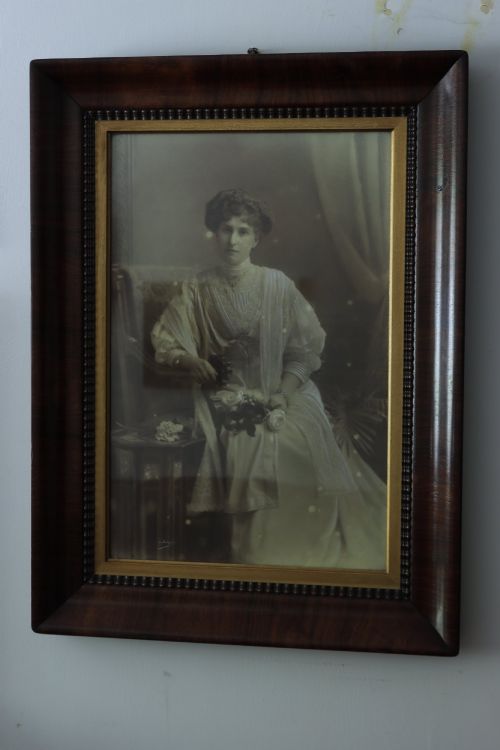

Monochrome Picture Print
When you search for a monochrome antique picture print, you enter a world of fine etchings, engravings and early photographs framed in wood and glass.
Monochrome Picture Print
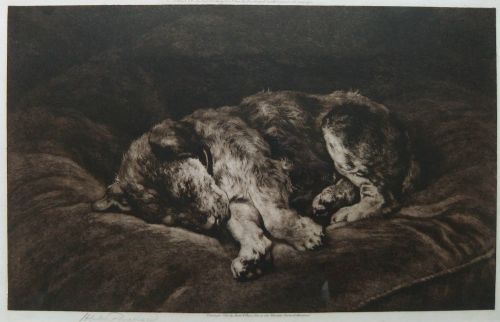
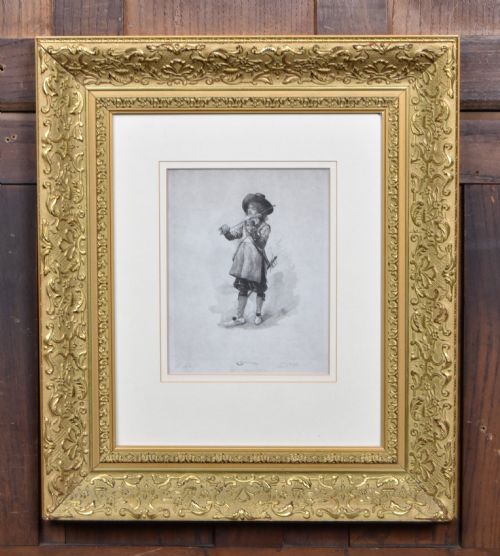
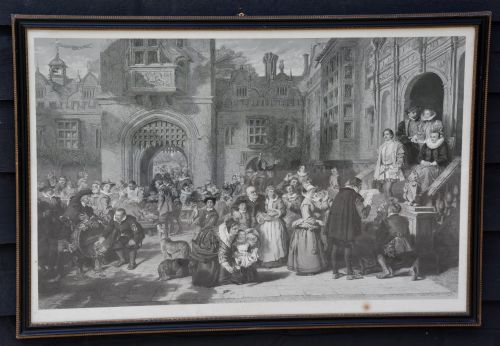
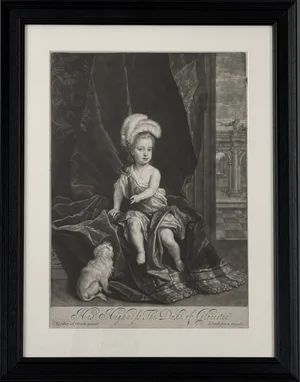
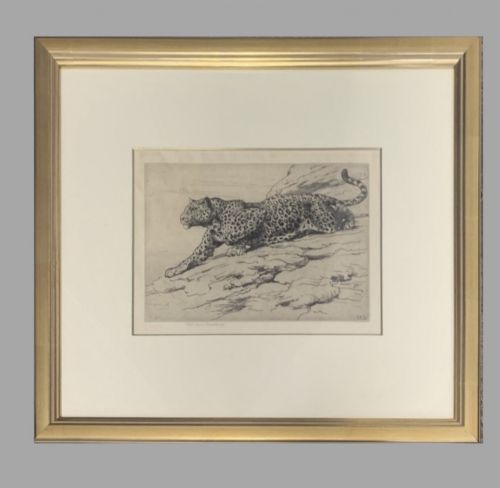
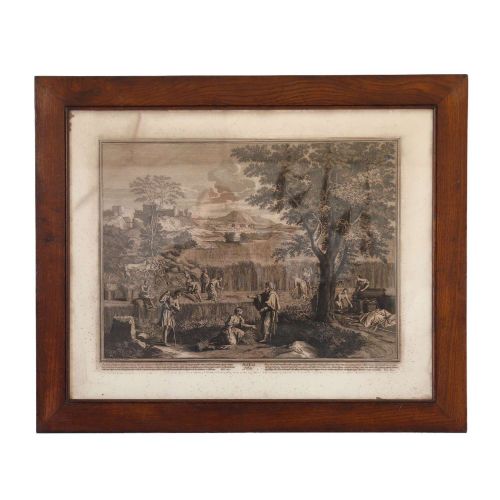
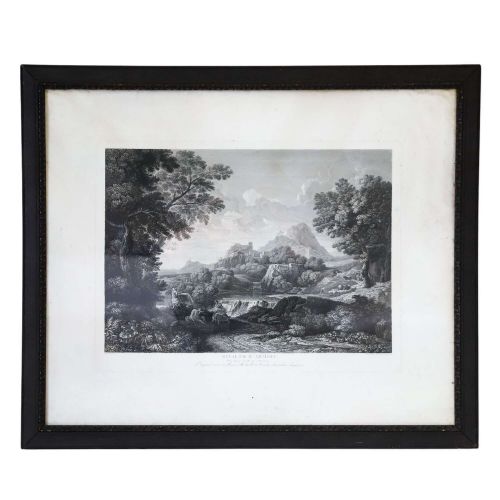
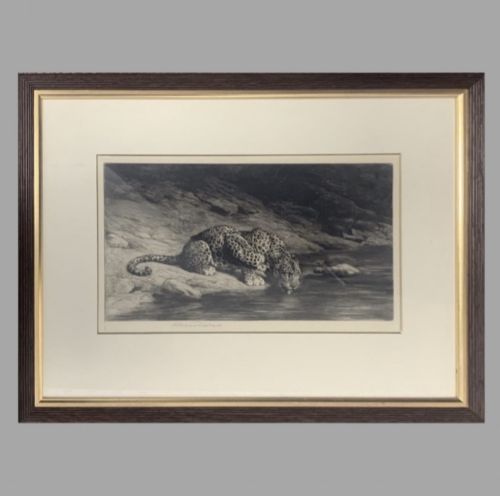
A monochrome antique picture print encompasses framed works on paper ranging from seventeenth-century mezzotints and eighteenth-century engravings to early twentieth-century etchings and black-and-white photographs. Buyers encounter various forms on this page, including wall art, individual etchings, and grouped prints spanning multiple historical periods.
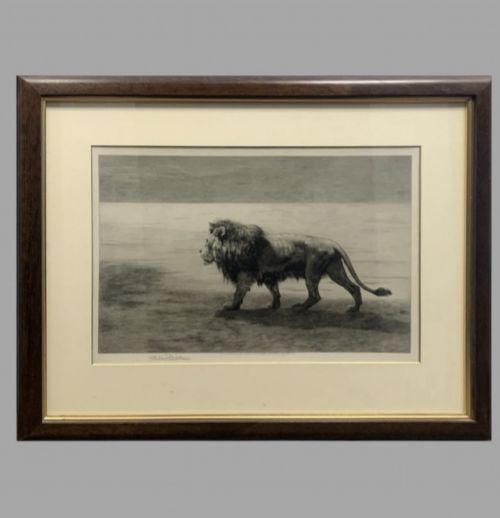
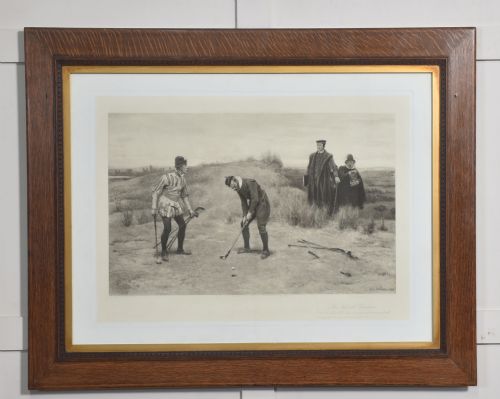
The selection reflects diverse subject matters, from classical portraits and interior courtyard scenes to animal studies and architectural views. These works capture historical moments, artistic interpretations, and photographic records using stark tones of black, grey, and white.
Originating from periods such as the Victorian era, Edwardian years, and the early twentieth century, these pieces demonstrate the evolution of printmaking and early photography. Each monochrome antique picture print preserves a distinct window into past artistic and documentary practices.
How They Were Made
Makers utilised ink applied to paper or vellum, often employing techniques such as engraving, etching, mezzotint, and lithography to create tonal depth. Many examples incorporate aquatint or photographic processes to capture fine details.
Framing materials play an essential role in the construction of these pieces, with wood, oak, and giltwood forming protective enclosures. Glass covers the face of the paper, preserving the delicate monochrome imagery from environmental damage.
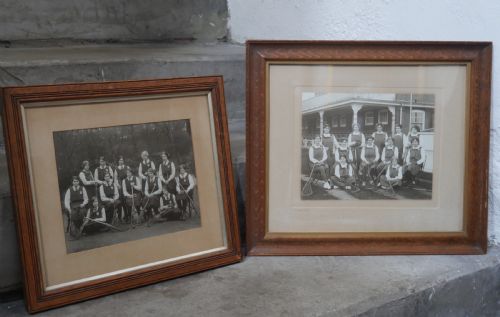
An anatomical engraving of a rhinoceros skeleton shares space here with romantic hunting scenes and athletic team portraits.
What Varies in Quality
The distinction between tiers rests upon the clarity of the impression and the fidelity of the inked lines. Finer examples retain sharp contrasts and distinct plate marks, whereas lesser impressions appear muddy or washed out.
The integrity of the framing materials also influences the piece, with original frames like Hogarth moulding or period giltwood enhancing the historical context. Conservation of the paper substrate, free from excessive foxing or fading, elevates the overall standard of the work.
Herbert Dicksee·John Smith·Thomas G Appleton·Adolphe Pannemaker·W Roffe·James Dobie·Norman Janes
The Monochrome Picture Print Glossary
- Etching
- A printmaking process where acid bites into a metal plate to hold ink. This technique allows for fine, expressive lines.
- Engraving
- A method of cutting design lines directly into a hard plate with a burin. The resulting prints exhibit precise geometric clarity.
- Mezzotint
- A tonal printmaking method where the artist works from dark to light on a roughened metal plate. It produces rich velvety blacks and smooth gradients.
- Lithography
- A planographic printing process based on the repulsion of oil and water. Artists draw directly on stone or metal plates to achieve painterly results.
- Aquatint
- A variant of etching that creates tonal areas resembling watercolour washes. It is frequently combined with standard line etching.
- Vellum
- A fine parchment prepared from calfskin used as a durable printing surface. It offers a smooth, creamy texture distinct from paper.
Monochrome Picture Print: Frequently Asked Questions
What is an antique monochrome print?
An antique monochrome print is a work on paper produced in black, white, or grey tones using historical techniques like engraving, etching, or early photography.
These pieces capture portraits, landscapes, and historical scenes created centuries ago.
How do I care for framed paper art?
Protect framed paper art by keeping it away from direct sunlight to prevent fading and yellowing of the paper.
Maintain stable indoor humidity levels to safeguard both the antique paper and the wooden frames.
How can I tell an etching from an engraving?
Etchings feature flowing, organic lines created by acid biting into the metal plate.
Engravings display sharp, precise lines cut directly into the surface by hand with a tool.
What is an artist proof?
An artist proof is an impression pulled outside of the standard limited edition run for the creator's personal review.
These early impressions often command special interest due to their close association with the printmaker.