


Victorian Framed Portrait Art
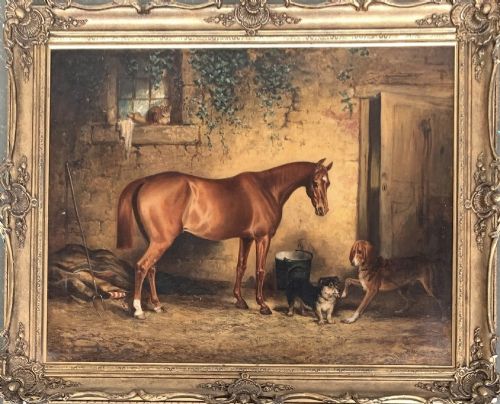
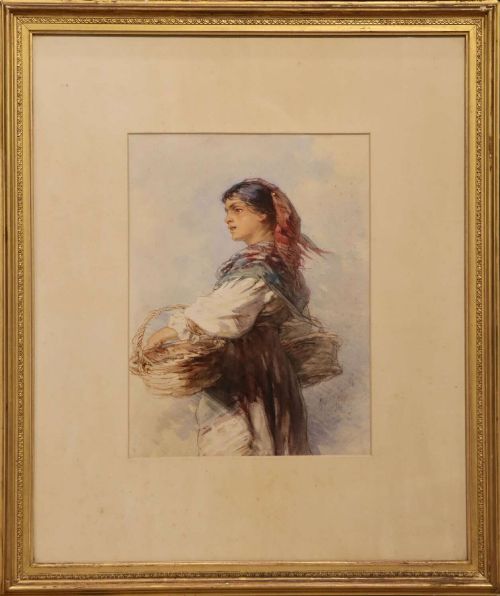
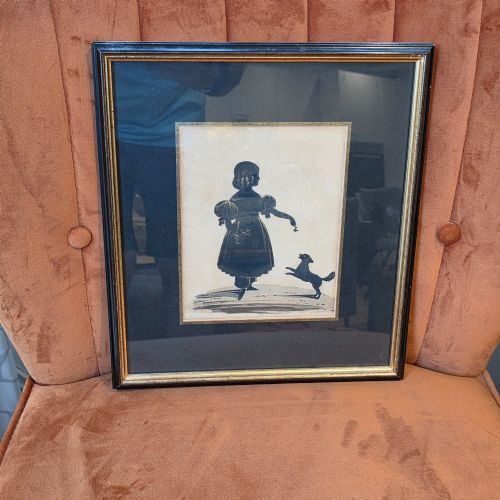
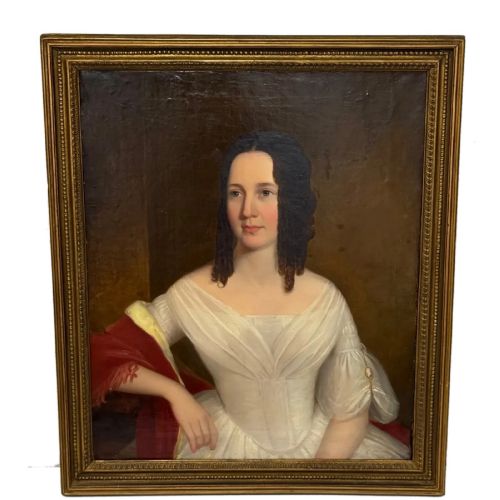
These pieces of victorian framed portrait art capture character and likeness across oils, watercolours, and silhouettes.
Victorian Framed Portrait Art
Victorian framed portrait art encompasses painted, drawn, and cut-paper likenesses produced primarily during the nineteenth century. These works capture individuals, families, and animals through various mediums suited for wall display or intimate desk placement.
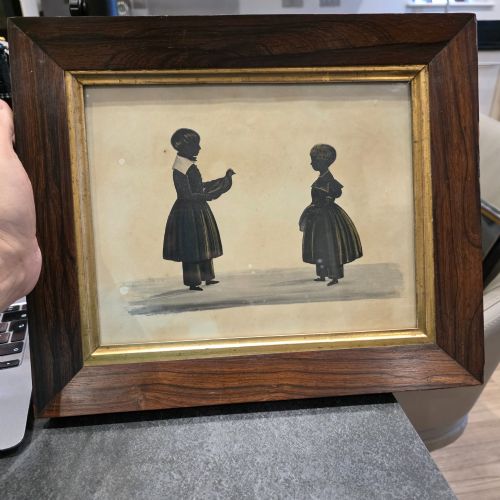
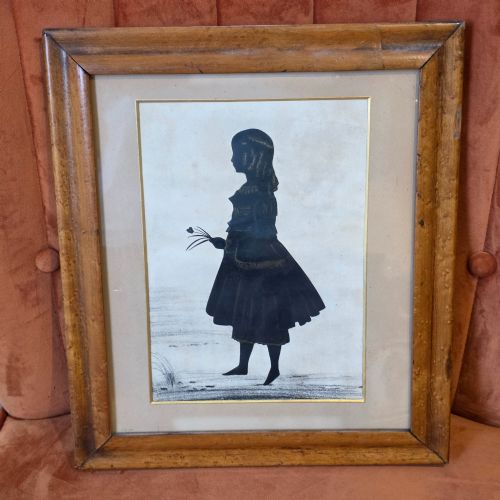
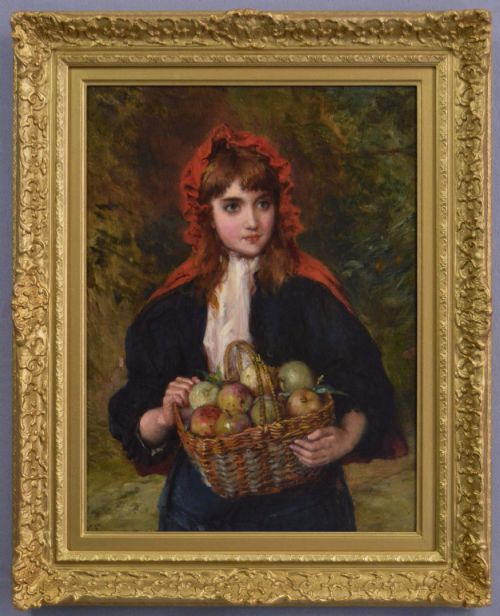
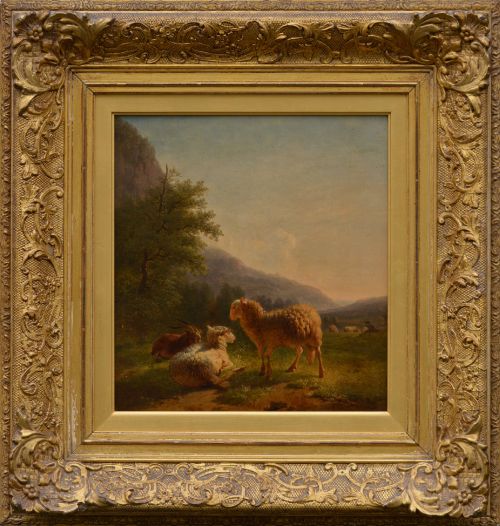
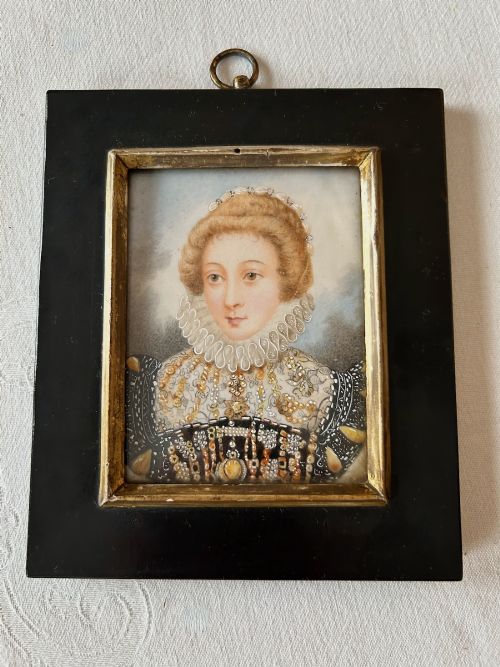
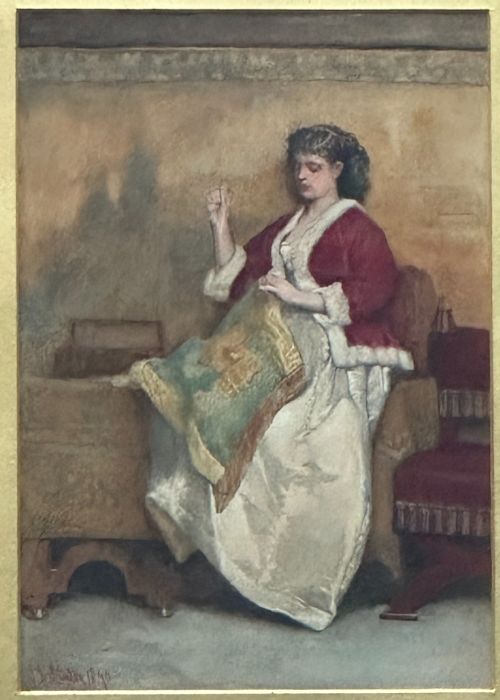
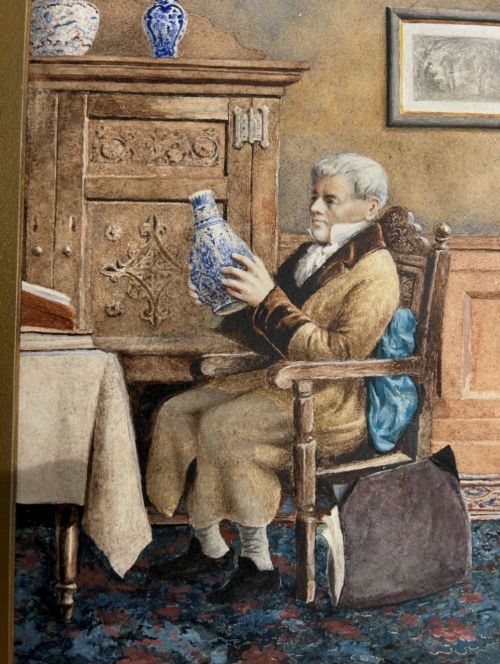
The version most commonly encountered on this page is the oil painting on canvas, frequently housed within its original giltwood or moulded timber surround. Alongside these oils, buyers frequently discover delicate paper silhouettes, detailed watercolours, and miniature portraits set behind protective glass.
Originating largely from British and European schools, these pieces reflect the aesthetic preferences of the Regency, Victorian, and Edwardian eras. They range from formal academic commissions to more modest depictions of children, gentlemen, and domestic animals.
How they were made
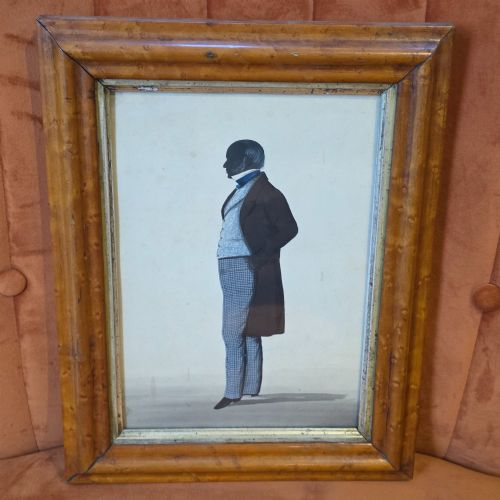
Makers constructed these works using oil on canvas or board, applied with brushes to build pigment layers, or utilised watercolour and ink upon paper. Artists frequently mounted paper silhouettes by hand-cutting profiles and adding subtle watercolour washes for facial definition.
Frames played an integral structural role, constructed from wood and ornamented with gesso before receiving applications of gold leaf or dark polishing. Glazing protected fragile works on paper, while heavy timber frames supported large oil paintings stretched over wooden bars.
The inventory records portrait forms ranging from expansive military oil paintings to intimate paper silhouettes and miniatures.
What varies in quality
The standard of execution in victorian framed portrait art depends heavily upon the artist's command of anatomy, expression, and light. Superior works demonstrate meticulous brushwork or precise paper-cutting that conveys texture in fabric and psychological depth in the sitter's gaze.
The integrity and originality of the surrounding frame heavily influence the overall standard of a piece. Examples retaining their period giltwood, gesso moulding, or burr maple surrounds command greater appreciation than those subsequently re-framed in later decades.
William James Hubard·William Oliver·Henri Fradelle·Sir James Dromgole Linton·John Maler Collier·Valentine T. Garland·Vittorio Reggianini·Leon Sprinck·Albert Clark·W.R. Waters
The Victorian Framed Portrait Art Glossary
- Giltwood
- Wood carved and coated with a thin layer of gold leaf. This material frequently frames important oil paintings and adds reflective warmth to the artwork.
- Gesso
- A plaster-like mixture applied to wood frames as a base for gilding or moulding. Artisans carved intricate decorative patterns directly into this hardened surface.
- Portrait Miniature
- A small-scale painting designed for intimate viewing. These works often utilised watercolour on ivory or paper and were secured behind protective glass.
- Silhouette
- A portrait cut from dark paper or painted as a solid profile against a pale background. This technique gained immense popularity during the Regency and Victorian periods.
- Burr Maple
- Timber featuring distorted grain patterns used to create highly decorative veneers. Cabinets and picture frames utilised this wood for its distinctive swirling figure.
Victorian Framed Portrait Art: Frequently Asked Questions
How do I identify a genuine period frame?
Examine the construction corners, backing materials, and the wear patterns on the gilt or wood surface. Period frames typically show age-appropriate shrinkage, hand-applied gesso detailing, and fixings consistent with nineteenth-century cabinetmaking techniques.
Inspect the rabbet behind the glass or canvas for signs of old nails or paper tape that have remained undisturbed for generations. Modern replacements often utilise machine-cut mouldings and contemporary fixings that lack the organic irregularities of antique joinery.
What is the difference between an oil and a watercolour portrait?
Oil portraits utilise pigment suspended in drying oil applied to stretched canvas or wooden board, creating rich textures and deep colour saturation. Watercolours employ water-soluble pigments on paper, yielding a translucent, lighter aesthetic that requires protective glass.
Oils proved more durable for large formal commissions displayed in public rooms, whereas watercolours and miniatures often served as personal tokens kept in private spaces. The choice of medium fundamentally dictates how the artwork reflects light and absorbs environmental conditions.
How should I hang and light these portraits?
Position portraits away from direct sunlight and strong heat sources to prevent canvas degradation, paper fading, and gesso cracking. Use picture hooks rated for the combined weight of the artwork and its heavy timber frame.
Utilise low-UV LED picture lights or ambient gallery lighting to illuminate the canvas without generating harmful heat. Ensure the hanging wall has stable humidity to protect both the wooden stretcher bars and the delicate surface pigments.
Can I determine the identity of an anonymous sitter?
Identifying an unknown sitter requires analysing costume details, hairstyles, uniform insignia, and any accompanying objects within the composition. Fashion historians use these visual clues to narrow down the decade and social standing of the individual portrayed.
Check the reverse of the canvas, stretcher bars, or frame for old handwritten inscriptions, gallery labels, or artist stamps. These hidden annotations occasionally record the sitter's name, the date of execution, or the location of the original commission.