
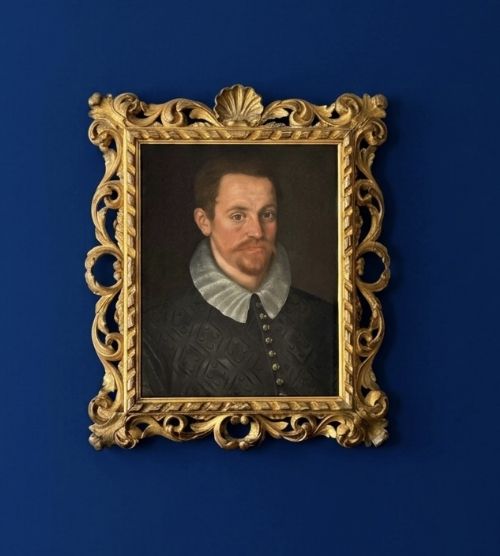
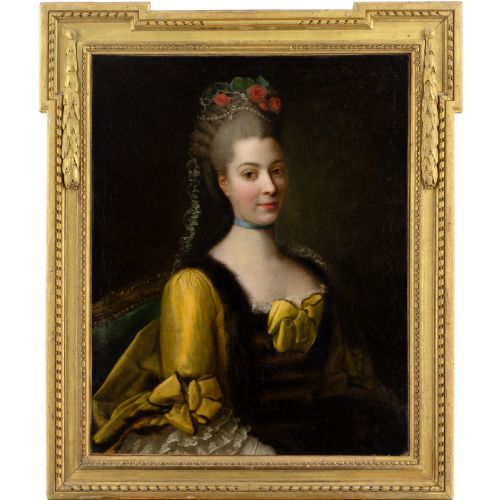
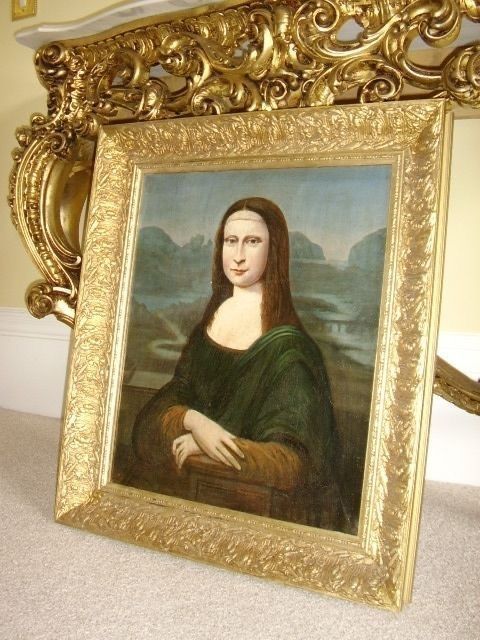
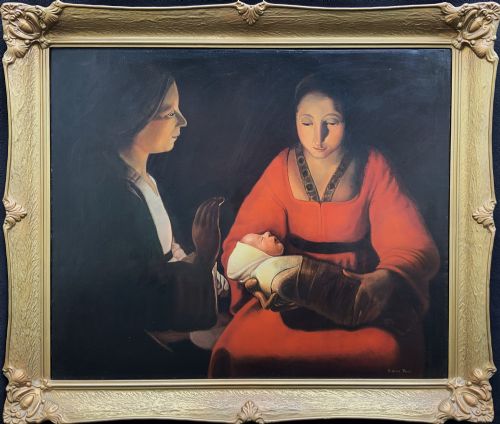


Antique Style Portrait Canvas
An antique style portrait canvas brings centuries of character into a room through oil paint applied to woven fabric.
Antique Style Portrait Canvas
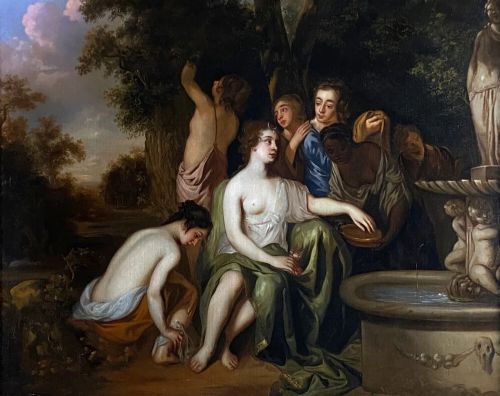
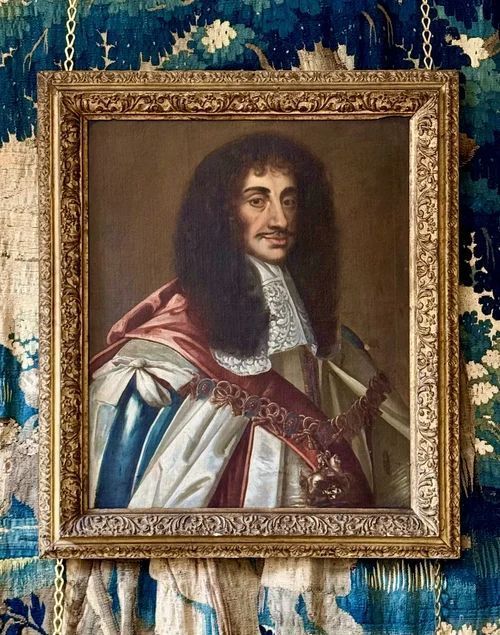
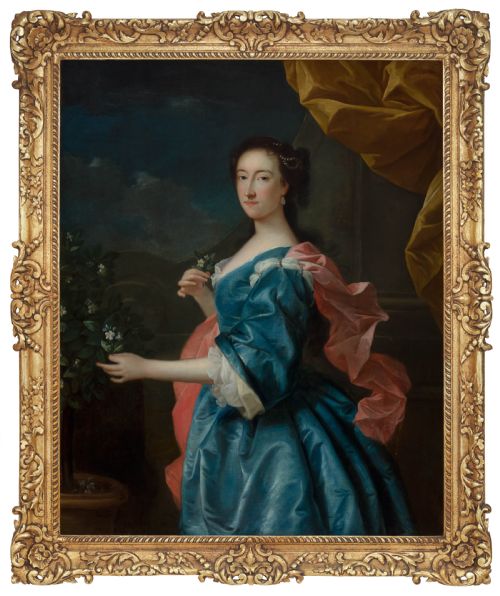
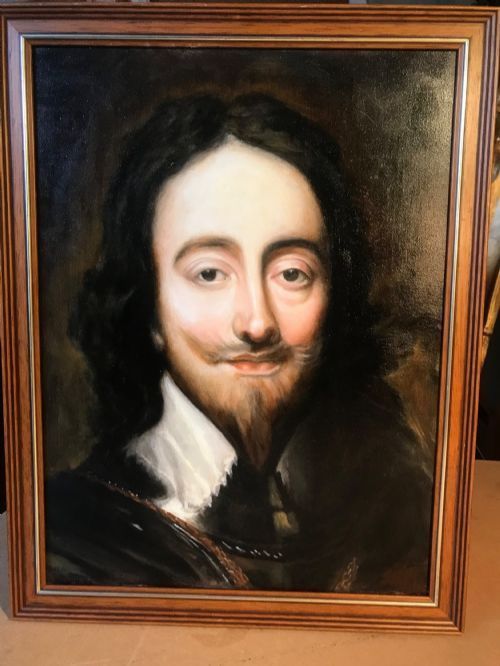
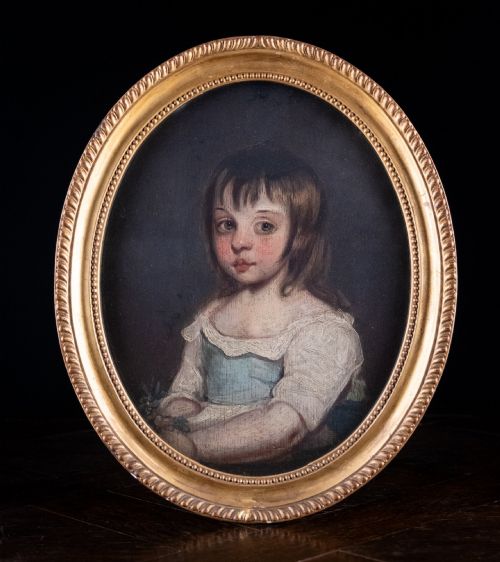
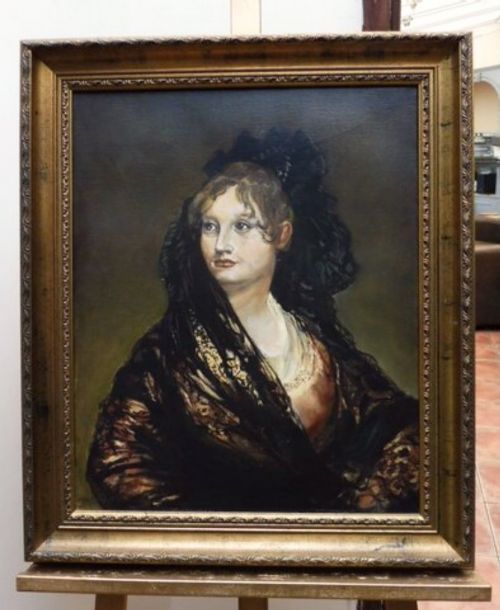
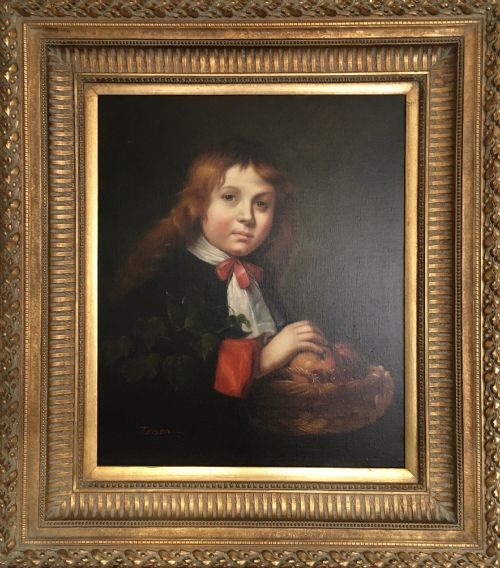
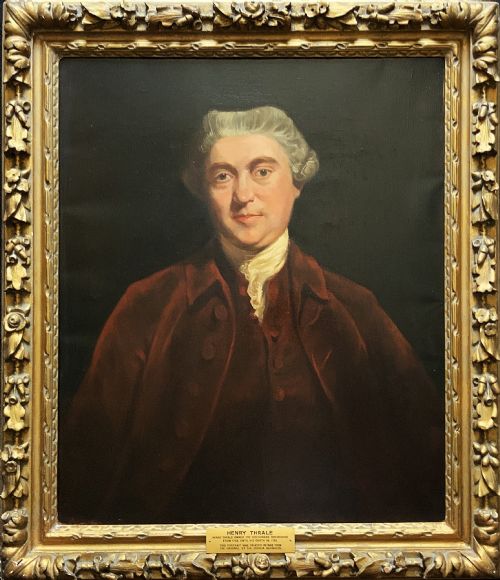
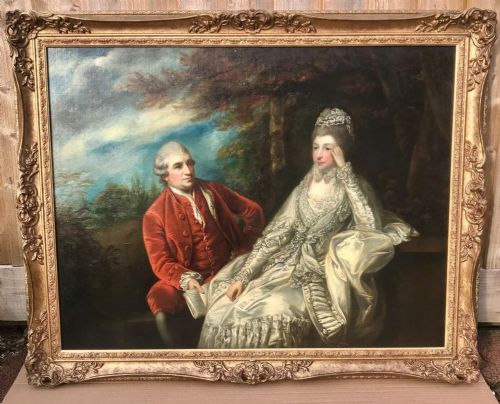
When searching for an antique style portrait canvas, collectors examine painted representations of figures originating predominantly from the seventeenth, eighteenth, and nineteenth centuries. These works include depictions of nobility, children, actors, and historical subjects produced across various European schools.
The selections span original period oils, studio copies, and later interpretations created in the manner of notable masters such as Sir Peter Lely, Anthony van Dyck, and Sir Joshua Reynolds. Formats range from intimate head studies to large canvases set within heavy wooden surrounds.
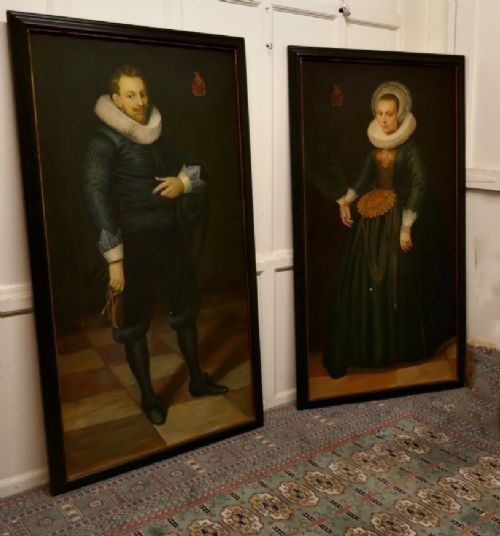
Pieces frequently reflect specific historical movements, encompassing Baroque compositions, Georgian formality, Italian Renaissance revivals, and Victorian academic painting. Buyers encounter everything from British aristocratic likenesses to Northern European double portraits and classical mythological scenes.
Materials and construction
Works of this nature are built upon a foundation of woven canvas stretched across a wooden frame or stretcher. Artists applied layers of oil paint and pigment, sometimes utilising an underpainting to establish tone before rendering fine details in costume and expression.
Surrounding many canvases are original or period-matching frames constructed from wood, often finished with carved details and gilded surfaces. Giltwood and gilt frames provide a reflective border that separates the painted subject from the surrounding wall.
Listings feature oil on canvas works spanning from the sixteenth century through the twentieth century, incorporating Georgian and Baroque styles.
Factors that influence quality
The hierarchy among these works rests upon the autonomy of the hand that painted them, distinguishing original studio output from later decorative copies. Pieces executed directly by a recognised master or their immediate circle carry greater artistic weight than subsequent interpretations.
Execution of detail in the subject's attire, hands, and facial expression dictates visual success. Finer works display confident brushwork and nuanced handling of light, whereas lesser examples rely on formulaic rendering and stiff postures.
Sir Peter Lely·Sir Joshua Reynolds·Anthony van Dyck·Allan Ramsay·Charles D'Agar
The Antique Style Portrait Canvas Glossary
- Circle of
- A designation indicating that a painting was produced by an unidentified artist working in the studio of a named master, absorbing their direct influence.
- Giltwood
- Wood that has been treated with a thin layer of gold leaf or gilt, commonly forming the decorative border of period frames.
- Oil on canvas
- A painting technique utilising pigments suspended in drying oils, applied directly to a prepared woven fabric support.
- After
- A term noting that the listed work is a later painted copy reproducing an established composition by a specific historical artist.
- Renaissance Revival
- A nineteenth-century artistic movement that drew stylistic inspiration from the forms and ideals of the fifteenth and sixteenth-century Renaissance.
Antique Style Portrait Canvas: Frequently Asked Questions
How do I identify a period canvas?
Examination of the canvas weave, stretcher construction, and the ageing of the oil paint layers offers clues to the age of a piece. Earlier supports often show hand-planed wood and oxidation visible on the reverse.
Secondary evidence includes historical labels, framing techniques, and stylistic traits typical of seventeenth or eighteenth-century portraiture schools.
What does after an artist mean?
This attribution indicates that the painter created a version of a known composition originally executed by a specific master. These works were often produced as study pieces or commissioned copies.
Such paintings allow collectors to acquire the visual impact of museum-level compositions within domestic settings.
How should I hang these paintings?
Portrait canvases require stable wall environments away from direct sunlight and excessive humidity swings to protect the oil paint and canvas tension. Proper picture hooks secured to wall studs support the substantial weight of gilded wooden frames.
Display heights should place the subject's eye level roughly in alignment with the viewer's standing line of sight for optimal viewing.
What is a studio copy?
A studio copy refers to a work produced within the workshop of a principal artist, often involving assistants executing secondary elements under supervision. These pieces share the stylistic vocabulary of the master.
They represent period production contemporaneous with the named artist rather than later nineteenth-century reproductions.