



Classical Portraiture Wall Art
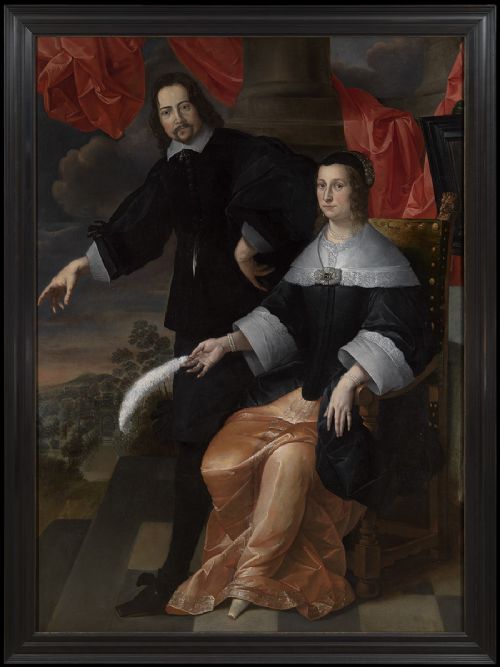
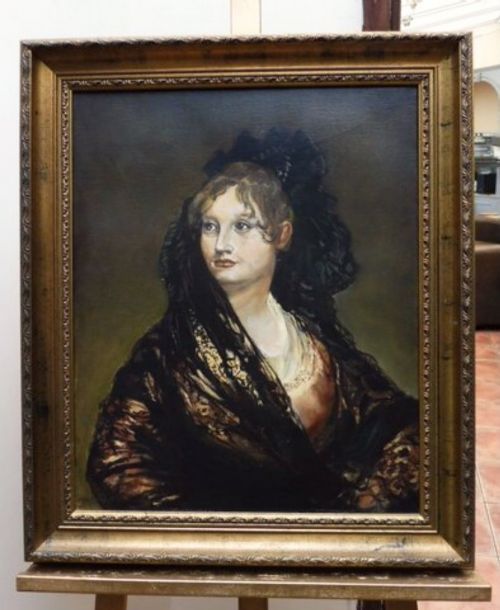
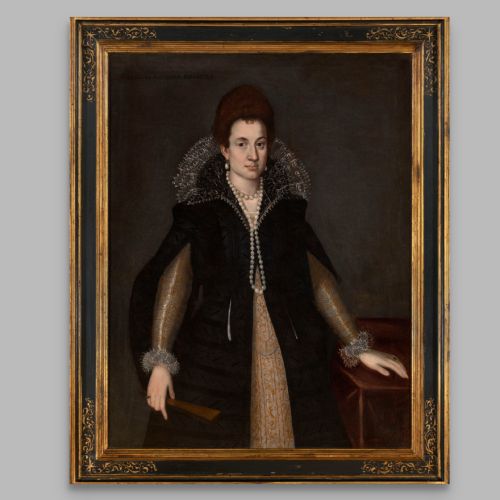
Classical portraiture wall art brings historical figures and aristocratic faces into modern rooms through oil paintings and mezzotints.
Classical Portraiture Wall Art
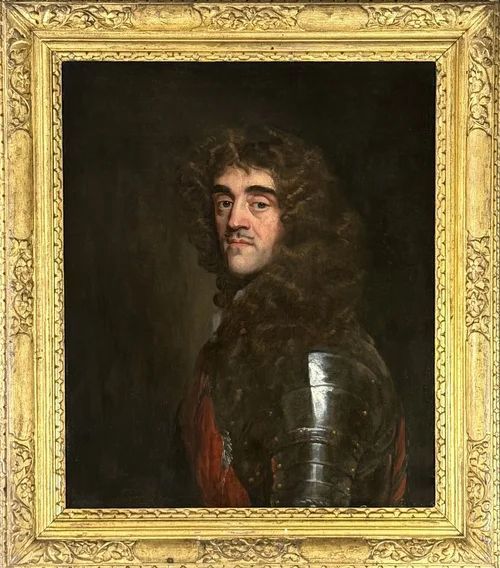
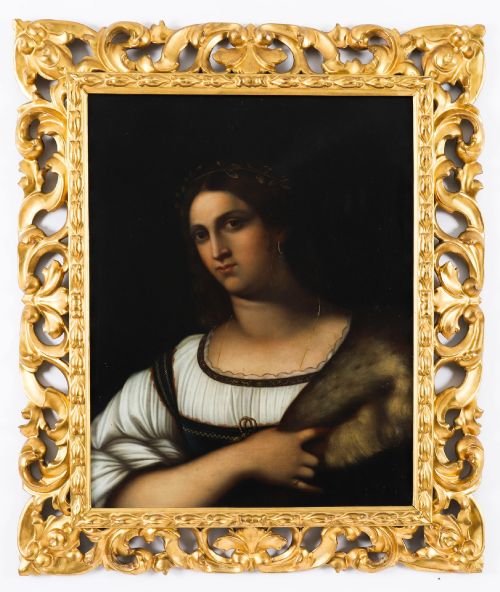
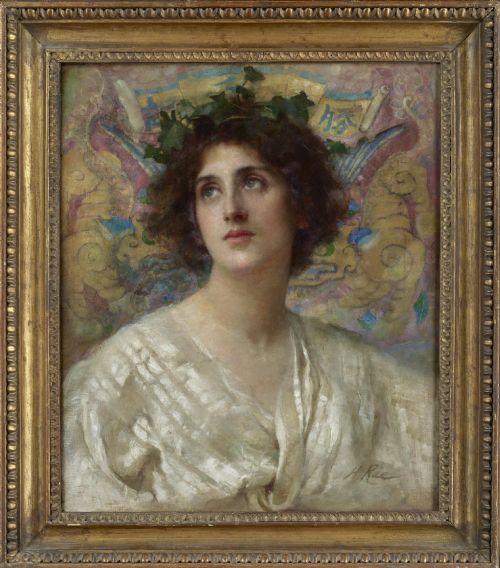
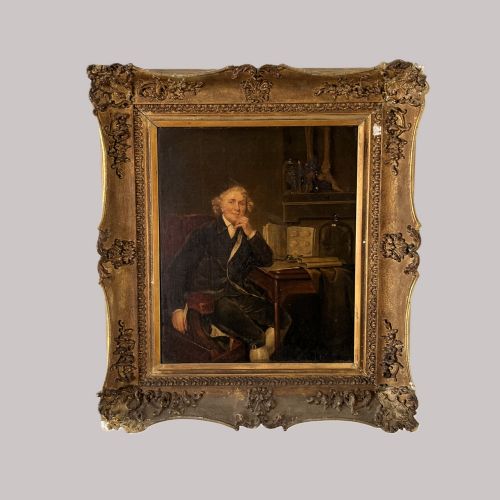
When searching for classical portraiture wall art, buyers encounter painted and printed depictions of historical sitters spanning multiple centuries. These works record the likenesses of nobility, children, ladies, and gentlemen through formal artistic traditions.
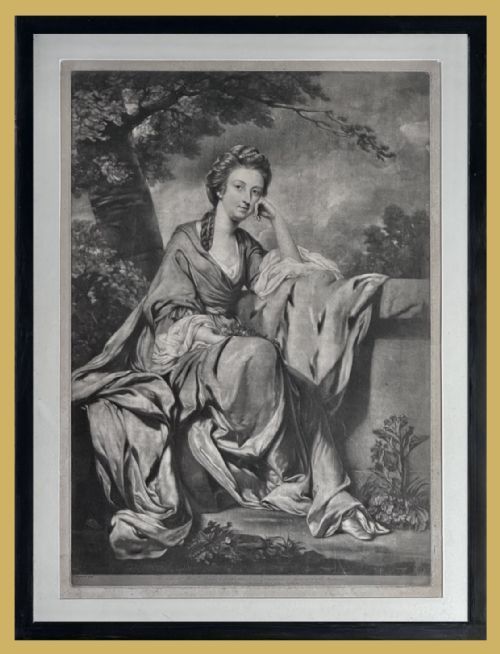
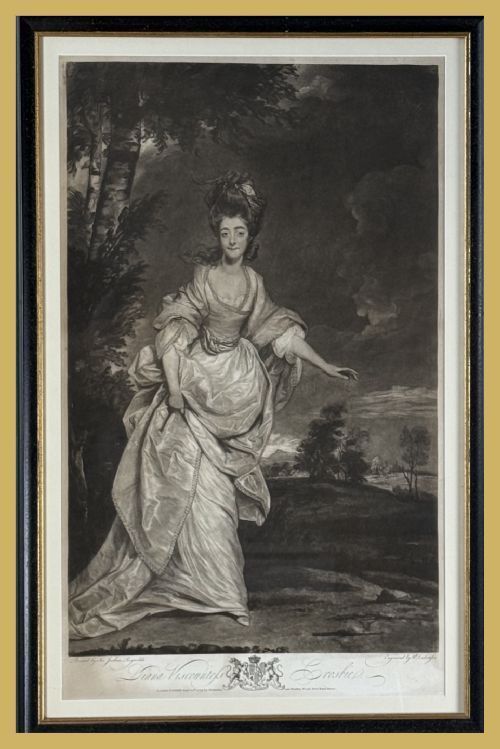
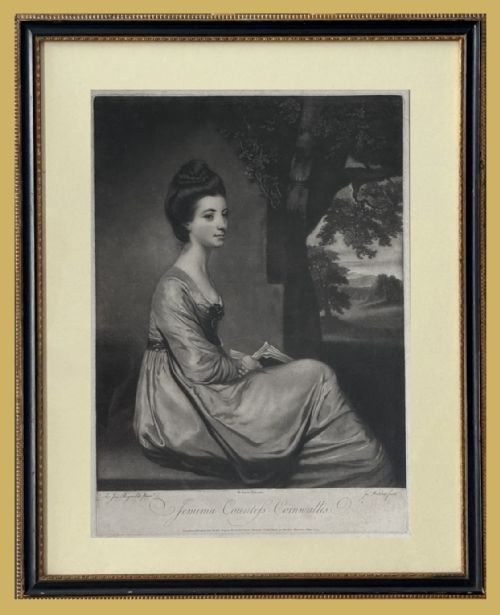
The selections available here range from seventeenth-century oil on canvas works to nineteenth-century romantic interpretations and twentieth-century prints. Oil paintings form the primary group, accompanied by mezzotints on paper housed behind glass.
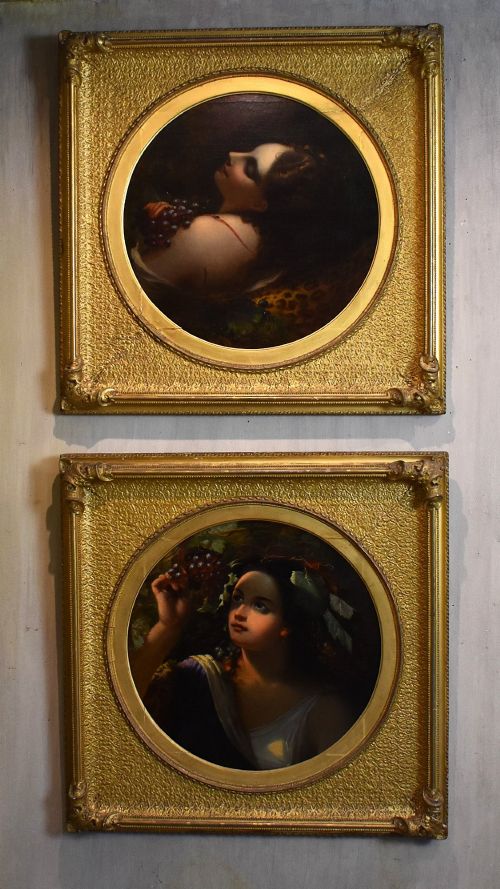
Pieces originate from various European schools, including Dutch, Spanish, and Italian workshops, reflecting distinct regional aesthetics. Subjects appear either as individual studies or paired sets, capturing specific eras from the Georgian period onward.
Materials and construction methods
Makers utilised oil paint applied to canvas or wood panels, building rich textures and deep tones over preparatory layers. Mezzotint engravings on paper utilised specialised copper plates to achieve tonal gradation.
Frames incorporate gilded wood and giltwood constructions that complement the formality of the painted or printed subjects. Glass protects works on paper, while canvas supports remain stretched over wooden bars.
Classical Portraiture Wall Art Retail Price Guide 2026
Typical asking prices for classical portraiture wall art among the pieces listed under this phrase on Sellingantiques today, from the lower quarter to the upper quarter. They describe what is for sale here now, not the wider market.
Listings feature oil paintings, mezzotints, and prints spanning the seventeenth, eighteenth, nineteenth, and twentieth centuries.
Distinctions in quality
Condition of the canvas surface, stability of the pigment, and preservation of original or period frames influence the integrity of the piece. Attribution to specific schools or documented followers adds historical context.
Edward Fisher·James Watson·Pietro Fachetti·Bartholomeus van der Helst·Sir Allan Ramsay·Theodore Jensen·Thomas Gainsborough·Sir Thomas Lawrence·Franz Xaver Winterhalter·Guiseppe Mazzolini·George Romney
The Classical Portraiture Wall Art Glossary
- Mezzotint
- A printmaking process where the copper plate is roughened to achieve rich dark tones and subtle tonal gradations. This technique allows for smooth transitions of light and shade in portrait prints.
- Giltwood
- Wood carved and coated with gold leaf or a gold-coloured finish. It provides ornate framing for traditional oil paintings.
- Attributed to
- A term used when a work shows the style of a specific artist but lacks definitive signature or documentation. Experts assign these pieces based on stylistic comparison.
- Oil on Canvas
- Pigments bound in a drying oil medium applied directly to a woven fabric support. This combination forms the standard surface for European easel paintings from the seventeenth century onward.
- Baroque
- An artistic style originating in Europe characterised by dramatic lighting and emotional intensity. Works from this period display strong contrasts between light and dark.
Classical Portraiture Wall Art: Frequently Asked Questions
What is classical portraiture wall art?
These works represent historical paintings and prints depicting recognizable or anonymous subjects from past centuries. They capture human likenesses through traditional European painting and engraving techniques.
Subjects range from seventeenth-century nobility to nineteenth-century children and ladies in formal attire. The category spans original oil paintings and printed reproductions.
How were these portraits displayed?
Historical portraits hung within grand homes, manor houses, and state rooms to display lineage, status, and artistic taste. They filled wall spaces in galleries, parlours, and private chambers.
Owners mounted them in heavy gilded frames designed to catch the light of lamps or windows. Pairs and sets often hung together to balance room proportions.
How do I care for oil paintings?
Oil paintings on canvas require stable indoor environments away from direct sunlight and excessive humidity. Regular dusting with a soft, dry brush keeps the painted surface clear.
Avoid using water or chemical cleaners on the canvas or the gilded frame. Professional conservators handle structural repairs and varnish cleaning.
How do I identify the period?
Stylistic clues in clothing, hairstyles, and framing help narrow down the date of execution. Georgian, Regency, and Victorian aesthetics each employ distinct sartorial details.
Canvas construction, stretcher types, and written inscriptions on the reverse provide further chronological evidence. Attribution notes often link works to specific centuries or artistic circles.