

Historical Military Art
When you search for historical military art, you encounter centuries of painted portraits, detailed engravings and battlefield sketches recording commanders and campaigns.
Historical Military Art
Historical military art covers framed portraits of officers in armour, depictions of cavalry skirmishes and records of major campaigns spanning the seventeenth to the twentieth centuries. The selection leans heavily towards oil paintings on canvas and printed works on paper depicting named generals, militia leaders and anonymous soldiers. These pieces document both individual service and significant tactical engagements through various traditional visual media.
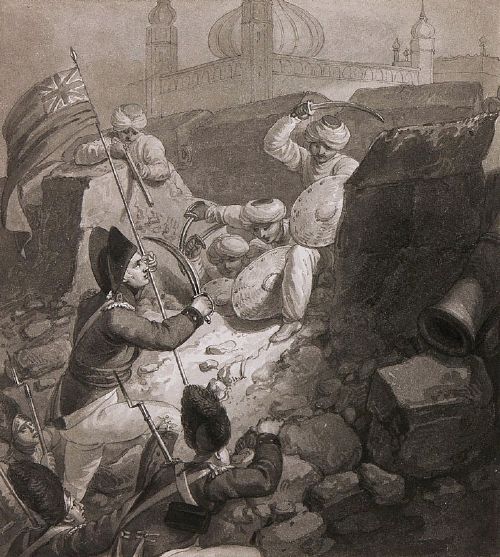
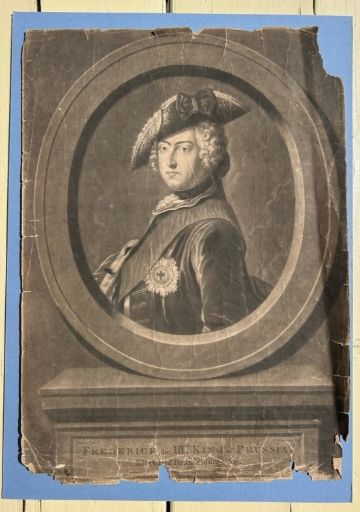
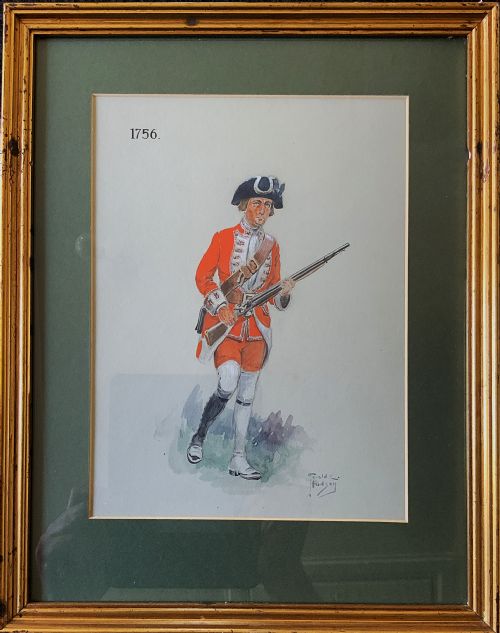
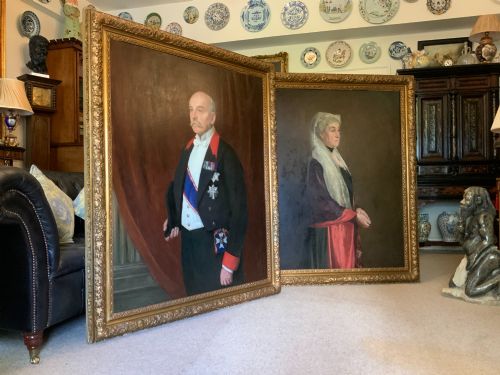
The material ranges from eighteenth-century oil portraits to nineteenth-century watercolours and twentieth-century trench art drawings. Buyers frequently encounter framed mezzotints, pen and wash drawings, and wood engravings alongside large canvas works. Each format offers a distinct window into past military organisation and portraiture traditions.
Materials and techniques
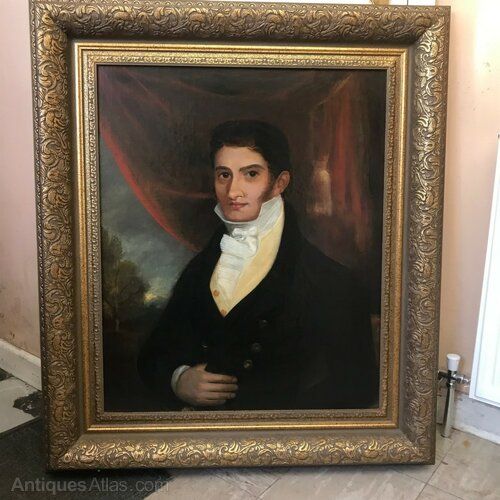
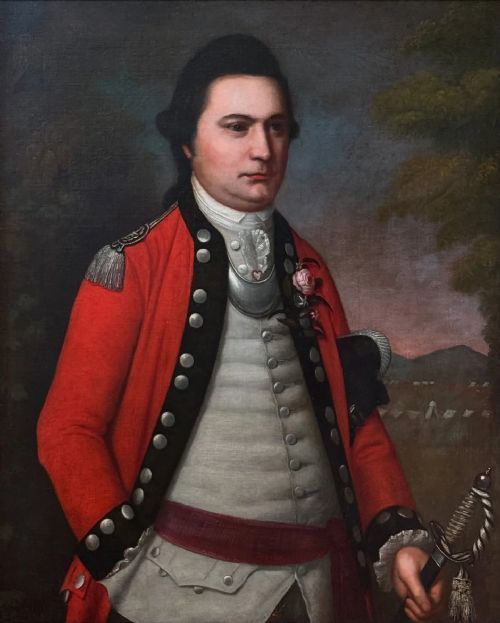
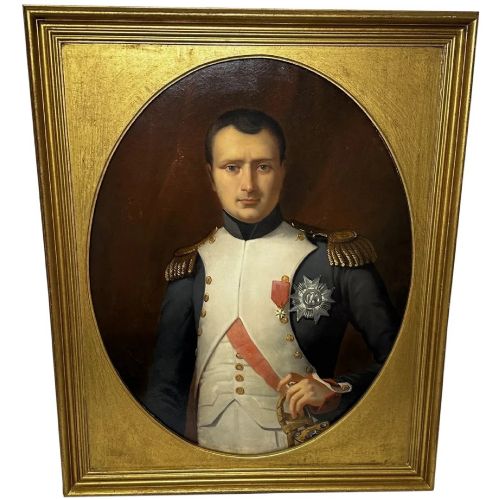
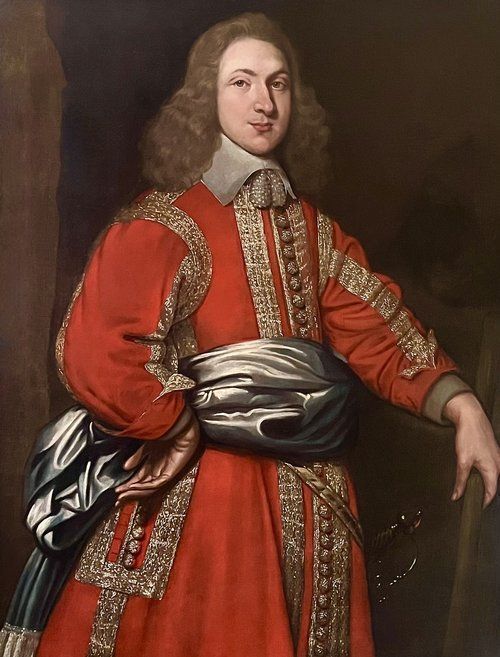
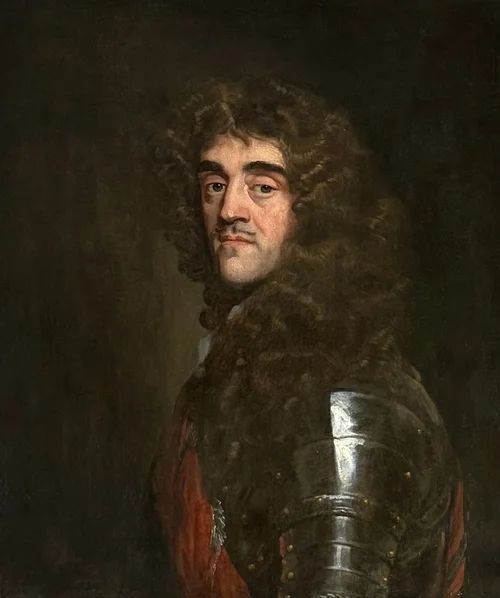
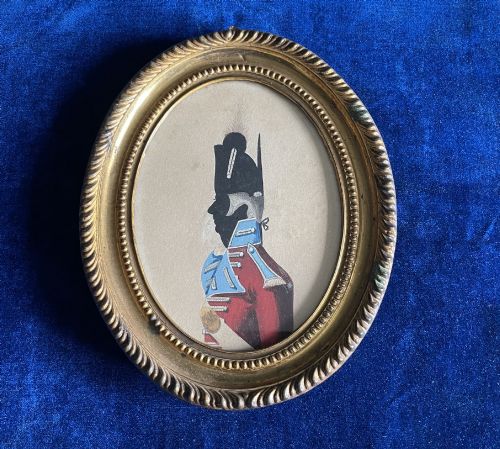
Makers utilised oil paint on canvas for major portraiture, building rich layers to render uniforms, red coats and steel armour in fine detail. Works on paper rely on ink, charcoal, watercolour and wash to capture rapid battlefield movements and tactical formations.
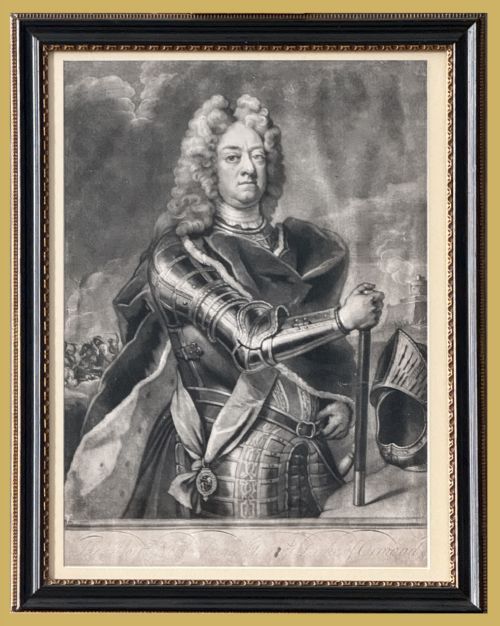
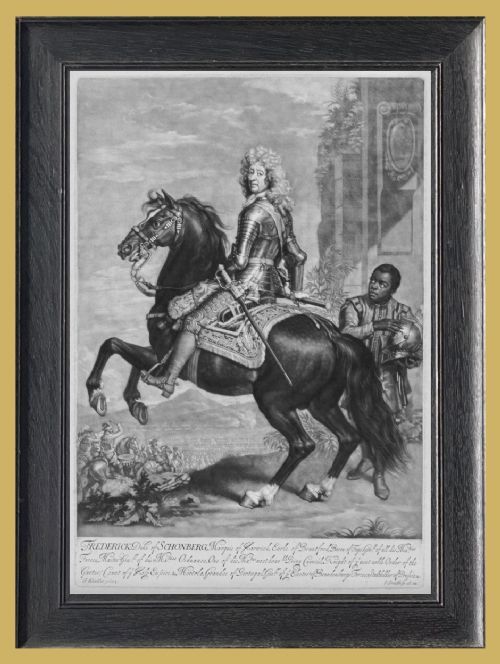
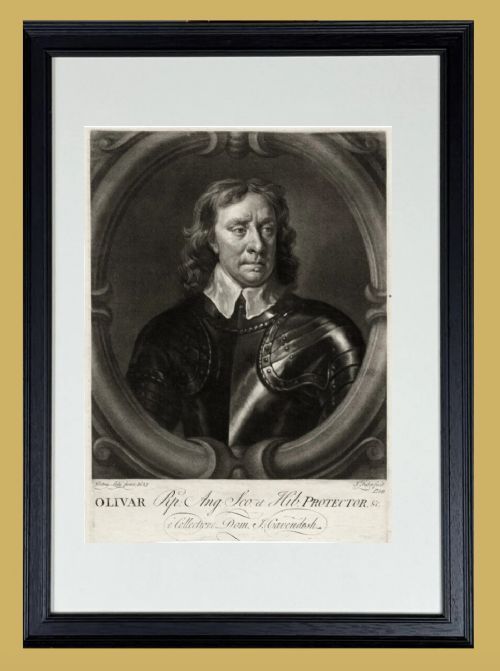
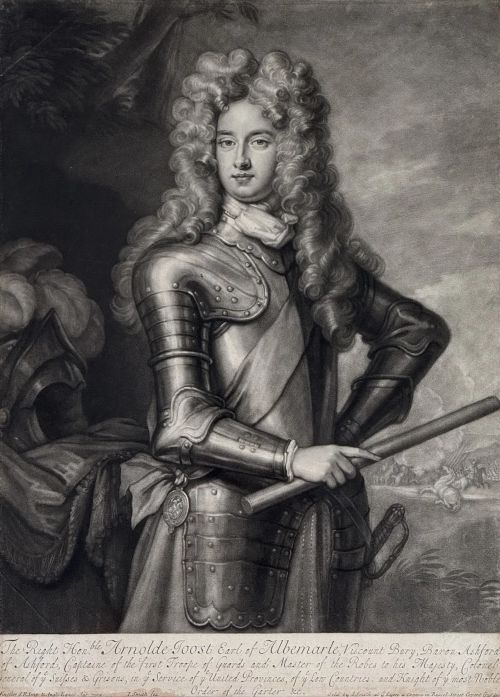
Printmakers employed mezzotint and engraving techniques on paper, transferring images from copper plates to multiply portraits of notable commanders. Frames in giltwood or simple wood complete the construction of these surviving artworks.
Historical Military Art Retail Price Guide 2026
Typical asking prices for historical military art among the pieces listed under this phrase on Sellingantiques today, from the lower quarter to the upper quarter. They describe what is for sale here now, not the wider market.
Generals stare down viewers from centuries past while wearing polished steel armour over ruffled white lace.
Distinctions in quality
Quality rests upon the skill of the execution, whether in the handling of oil pigments for a general's armour or the sharp clarity of a period mezzotint plate. Direct observation from life or near-contemporaneous recording yields greater artistic depth than later derivative copies.
The prominence of the subject and the recorded lineage of the artist or printmaker elevate the standing of a piece within historical military art. Condition of the paper or canvas, alongside appropriate period framing, further distinguishes superior examples.
John Simon·Michael Dahl·Stickland Lowry·John Smith·Sir Godfrey Kneller·Joseph Sympson·Sir Peter Lely·William Marshall Craig·John Greenhill·Sir John Gilbert·Richard Houston·Antoine Pesne·Nicolas De Largillière·John A. Houston·David Scougall·Jean Sobieski·Ernest Crofts
The Historical Military Art Glossary
- Mezzotint
- A printmaking process where the copper plate is roughened to achieve rich tonal gradations and dark backgrounds. This technique produced many eighteenth-century officer portraits.
- Armour
- Protective steel clothing worn by commanders in seventeenth-century portraits to signify status and martial readiness. It appears frequently in early oil paintings.
- Wash
- A thin layer of diluted watercolour or ink applied with a brush to create shadow and depth in drawings. It supports rapid field sketches.
- Giltwood
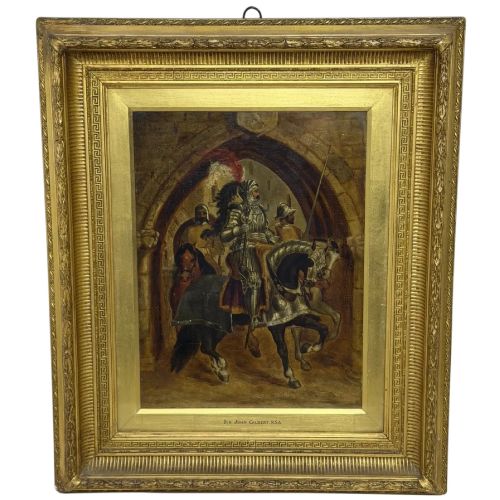
- Wood carved and coated with gold leaf to form decorative picture frames. It frequently houses significant oil portraits from the Georgian and Victorian eras.
- Trench art
- Objects fashioned by soldiers from discarded military materials during wartime. This category includes items such as framed charcoal drawings and brass candlesticks.
Historical Military Art: Frequently Asked Questions
What periods do these pieces date from?
The works span from the seventeenth century through to the mid-twentieth century, capturing changing military dress and artistic styles over several hundred years.
Early pieces often feature officers in full armour, while later nineteenth-century items document colonial campaigns and volunteer reviews.
How were portrait subjects identified?
Painters and printmakers frequently inscribed the name, rank and title of the commander directly onto the canvas or the margins of the printed paper.
Contemporaneous records and uniform details further help historians verify the specific military figures depicted in these works.
Where should I hang these artworks?
These framed paintings and engravings suit traditional study rooms, libraries or hallways with stable light levels away from direct sunlight.
Pairing works of similar scales or matching frames helps create a coherent display of historical military subjects.
How do I care for antique works on paper?
Paper drawings and mezzotints require protection from humidity, damp environments and direct ultraviolet light to prevent fading and foxing.
Keeping the original framing sealed and maintaining consistent indoor temperatures preserves the integrity of the paper.