


Bearded Gentleman Portrait
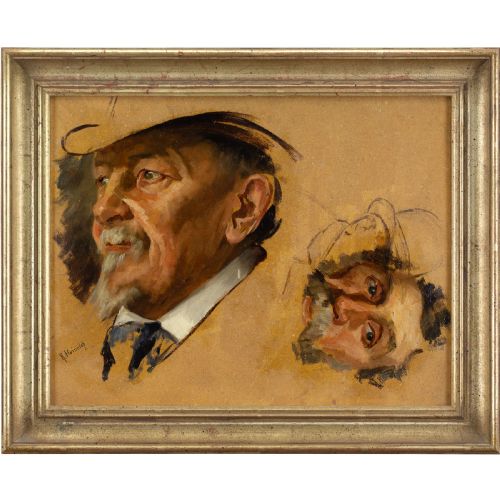
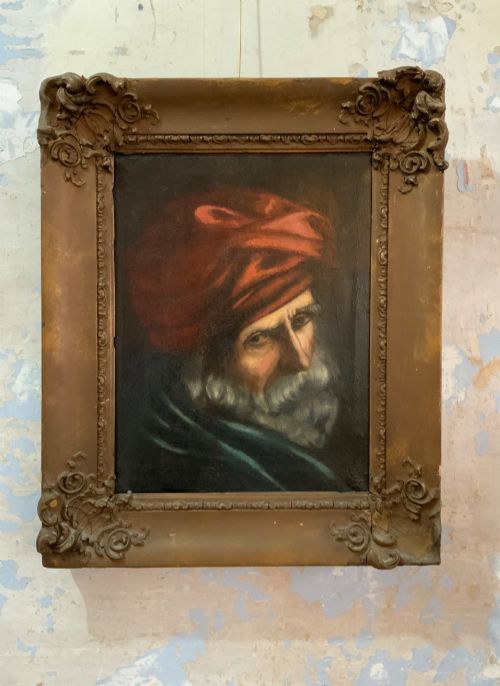
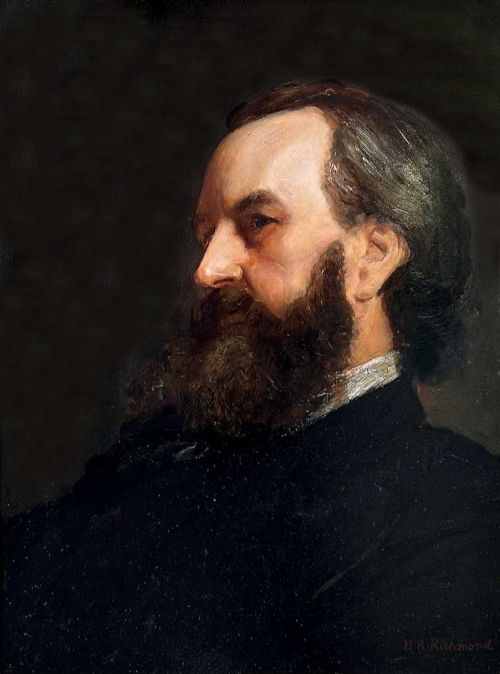
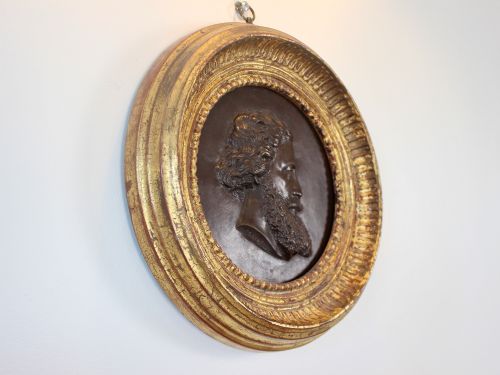
A bearded gentleman portrait captures the character and dignity of its subject through painted canvas, bronze or carved wood.
Bearded Gentleman Portrait
A bearded gentleman portrait typically depicts a recognised historical figure, military officer, engineer or anonymous sitter rendered with meticulous realism. These works frequently date from the nineteenth century, encompassing Victorian and Edwardian aesthetics, alongside occasional eighteenth-century and mid-twentieth-century examples.
Collectors encounter both oil paintings on canvas or panel and cast bronze busts or wall plaques. Subjects range from Persian and Arab gentlemen to European generals, engineers and artists, reflecting academic traditions and character studies.
Materials and Construction Techniques
Sculptural pieces rely on cast bronze, capturing the likeness of the sitter in three dimensions, sometimes mounted as plaques or freestanding busts.
Bearded Gentleman Portrait Retail Price Guide 2026
Typical asking prices for bearded gentleman portrait among the pieces listed under this phrase on Sellingantiques today, from the lower quarter to the upper quarter. They describe what is for sale here now, not the wider market.
Materials recorded in these works include oil paint on canvas, giltwood, and cast bronze.
Distinctions in Quality
Quality rests upon the artist's ability to render anatomical precision and psychological depth in the sitter's expression. Masterful handling of light upon the beard and fabric distinguishes superior academic execution from simpler decorative studies.
William Blake Richmond·Ferdinand Victor Leon Roybet·Frederick Goodall·Giuseppe Moretti·Sir Thomas Brock·George Frederic Watts·Sir Hubert Von Herkomer·Henry John Dobson
The Bearded Gentleman Portrait Glossary
- Academic Realism
- A style of painting and sculpture governed by the standards of European academies, emphasising accurate anatomy and lifelike detail. This approach ensures the subject appears with striking fidelity.
- Oil on Canvas
- Pigments bound in a medium applied to a woven fabric support. This technique allows for subtle blending of tones.
- Bronze Plaque
- A cast metal relief panel designed for wall mounting. These objects render portraits in durable metallic form.
- Gilt Gesso
- Plaster-based material applied to a wooden frame and coated in gold leaf. It provides ornate framing for nineteenth-century canvases.
Bearded Gentleman Portrait: Frequently Asked Questions
What periods do these portraits represent?
These works primarily emerge from the nineteenth century, spanning Victorian and Edwardian periods, with occasional examples from the eighteenth and mid-twentieth centuries.
Makers utilised oil paint and bronze to record the likenesses of notable figures and anonymous sitters alike.
How were these artworks displayed?
Painted canvases were traditionally housed in heavy giltwood or gesso frames designed to hang prominently in libraries, drawing rooms or institutions.
Bronze busts and wall plaques offered an alternative three-dimensional display on mantelpieces or study walls.
Who are the typical subjects?
Subjects include military generals, engineers, geologists, artists and religious founders, alongside regional studies of Arab or Persian gentlemen.
Many pieces document specific historical individuals of note from Britain and continental Europe.
How do paintings differ from bronze busts?
Paintings employ oil on canvas to capture tone, colour and costume detail within a framed two-dimensional plane.
Bronze busts rely on metal casting to reproduce the sculptural contours and physical presence of the sitter's head and beard.