
High Back Mahogany Armchair
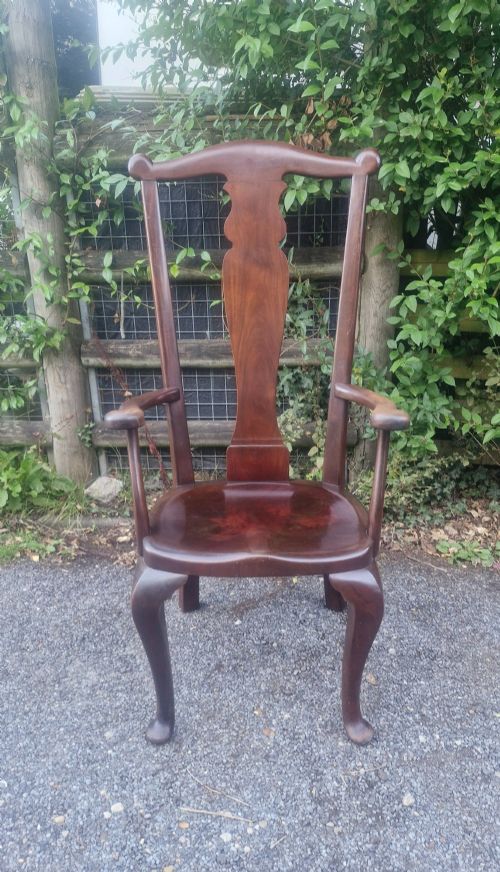
A high back mahogany armchair offers substantial seating in dense timber, spanning periods from the eighteenth century to the twentieth.
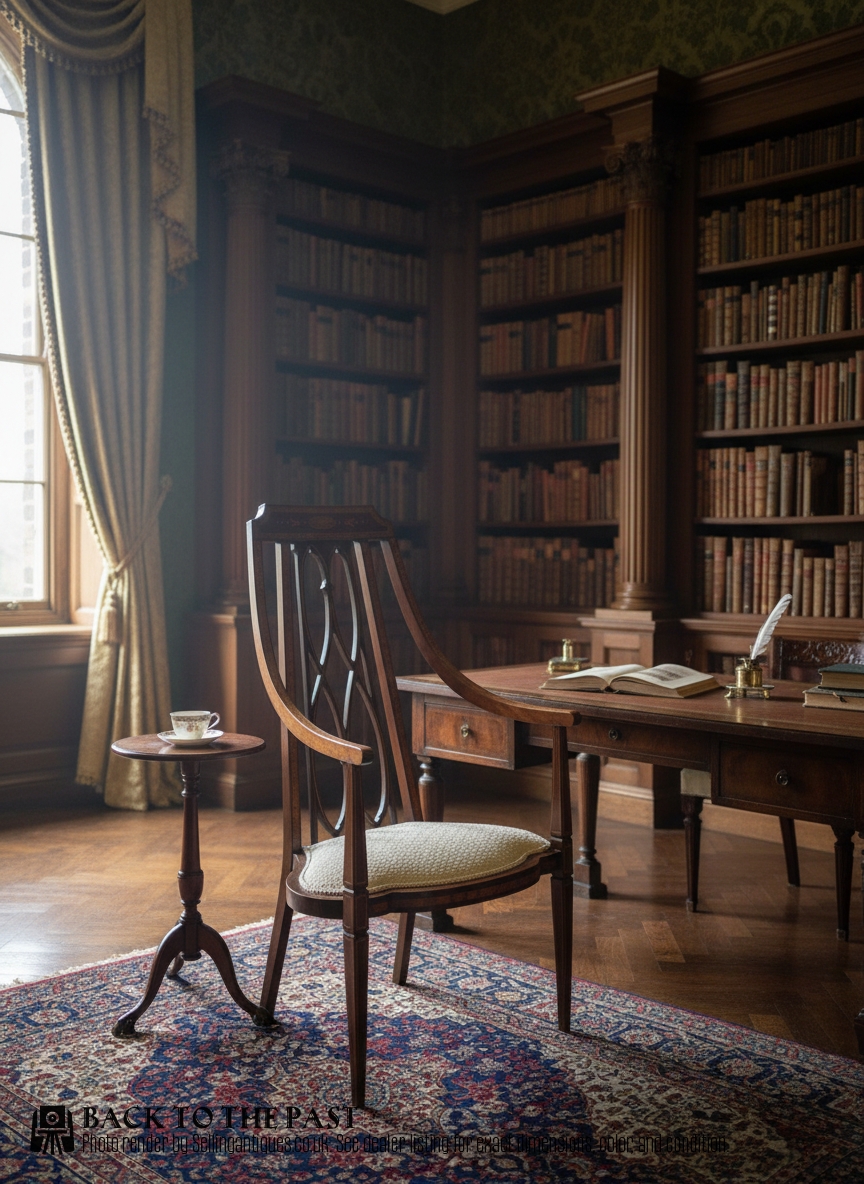
High Back Mahogany Armchair
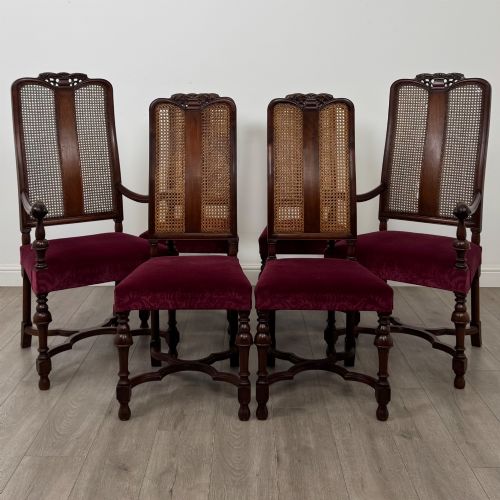
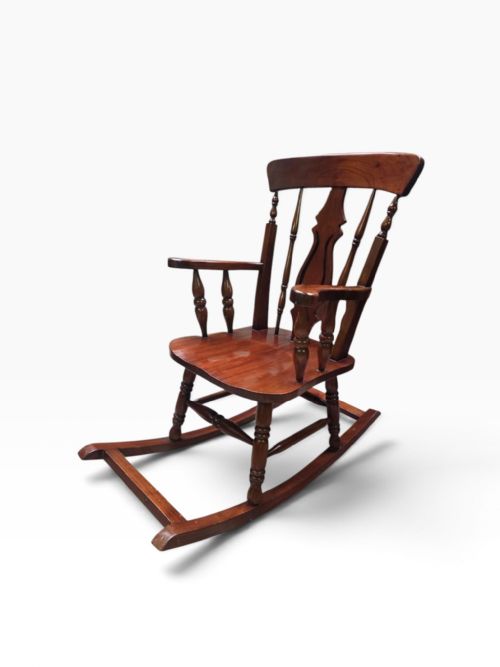
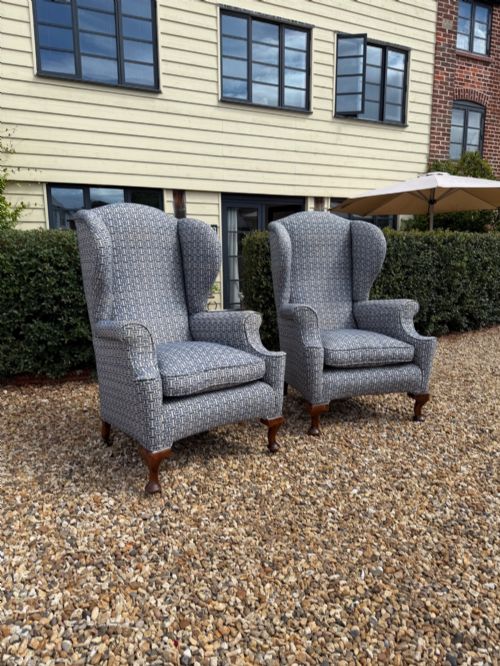
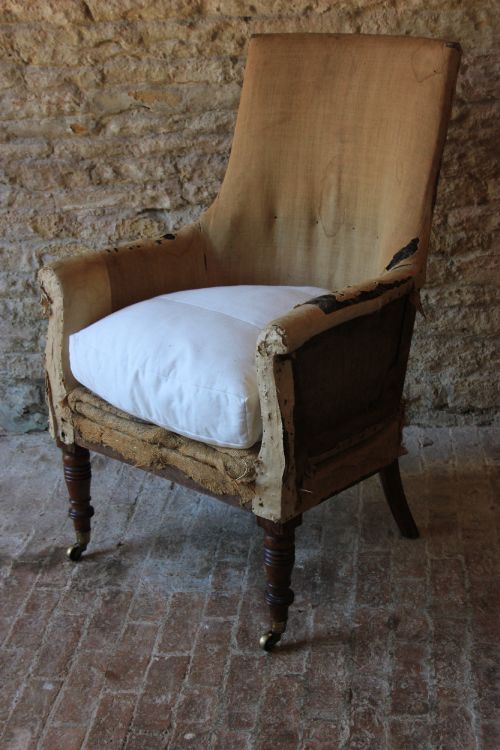
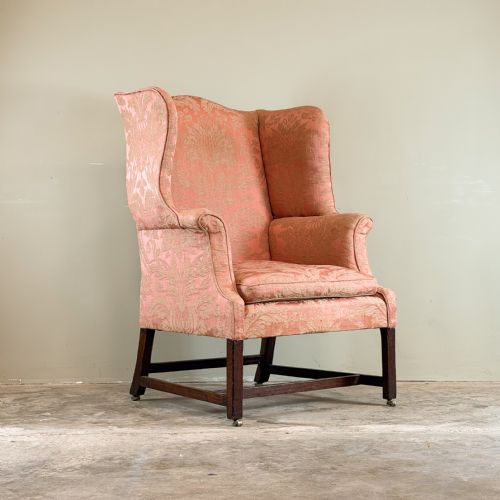
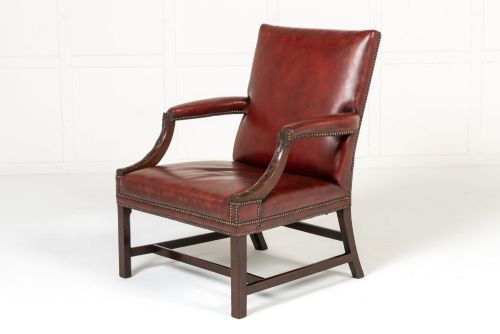
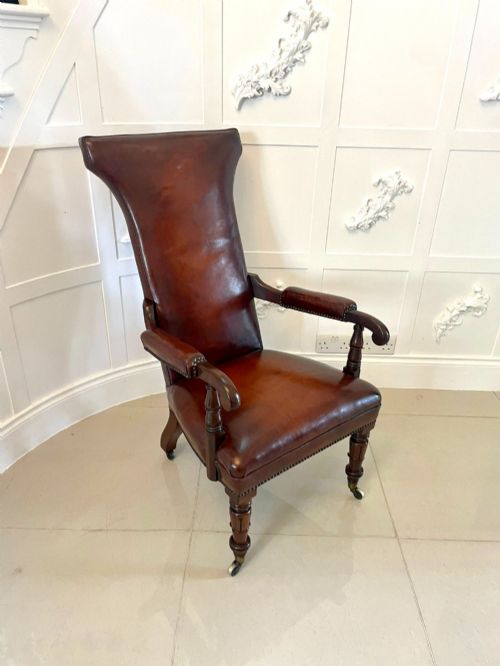
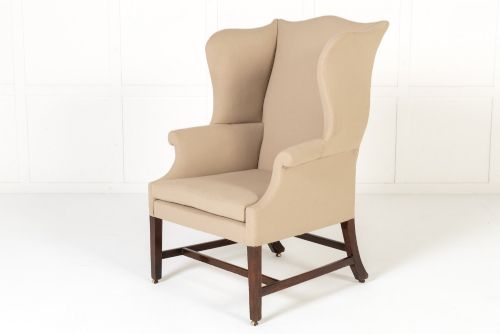
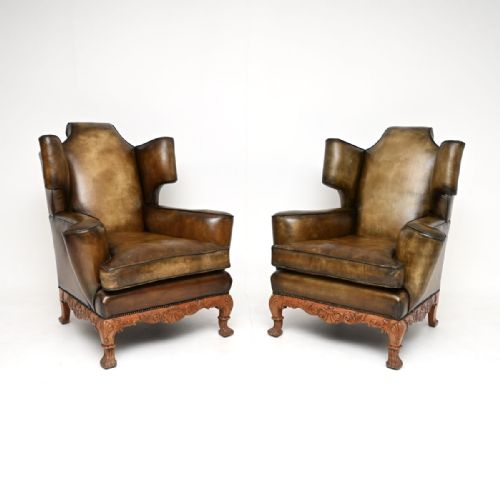
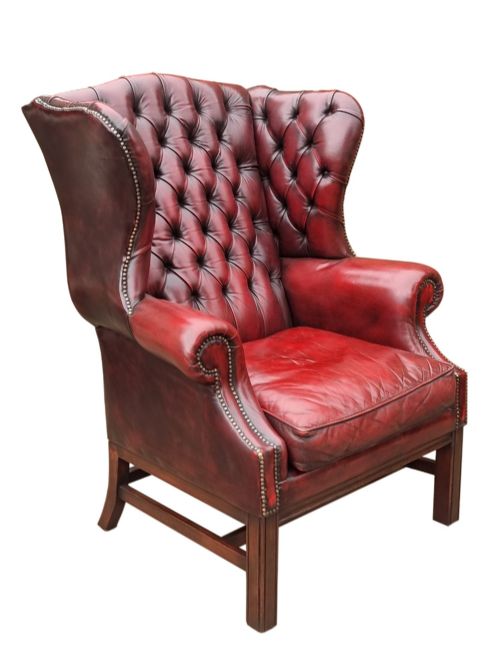
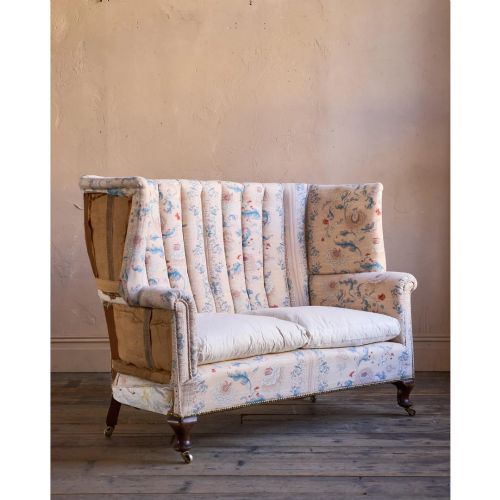
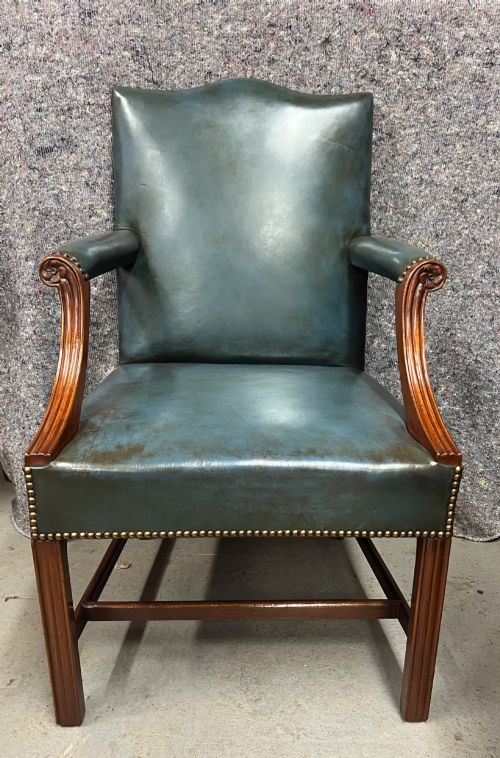
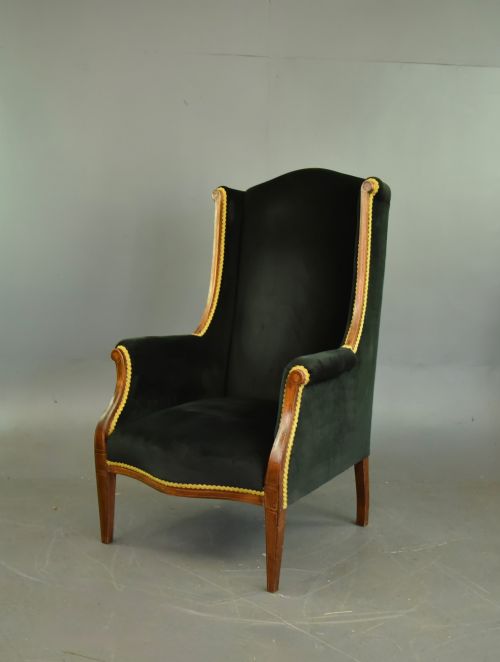
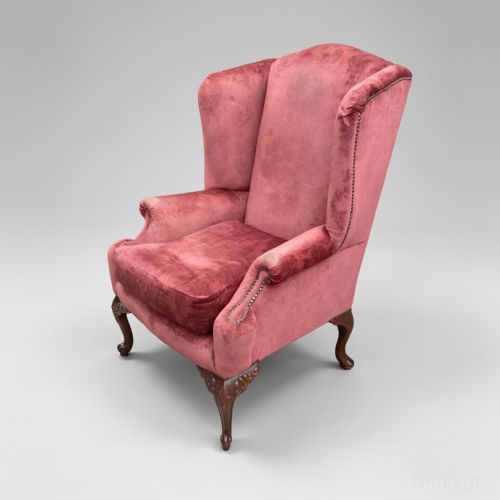
A high back mahogany armchair provides imposing seating with a tall upholstered or timber backrest, frequently designed for libraries, parlours or studies. These chairs emerge across the eighteenth, nineteenth and early twentieth centuries in forms such as wing armchairs, library chairs, Gainsborough chairs and salon chairs.
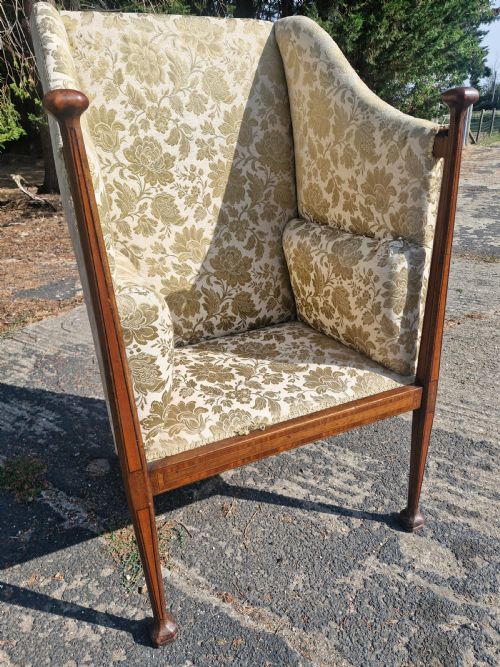
The versions most commonly met on this page date from the nineteenth century and the Edwardian era, alongside Georgian originals and later revivals. Makers constructed them in mahogany, pairing the timber frames with upholstery ranging from contemporary calico to period leather and damask fabric.
Regional variations and stylistic revivals appear throughout the selections, including George III style, Queen Anne revival and French Empire pieces. Buyers encounter both open armchairs and enclosed wingback designs intended for domestic comfort.
How they were made
Cabinetmakers constructed the structural frames using solid mahogany, selected for its density, deep colour and capacity to hold carved detail. Brass castors, studs and decorative mounts frequently complement the timber framework.
Upholstery techniques developed across the periods, incorporating traditional stuffing materials like horsehair and hessian beneath outer layers of leather, velvet, chenille twill or damask fabric. Frames often feature exposed carved mahogany arms, legs and stretchers supporting the upholstered elements.
Some nineteenth-century readers spent hours in tall armchairs while the house cat slept undisturbed on the protruding mahogany wings.
What varies in quality
The calibre of a high back mahogany armchair rests on the crispness of the timber carving, the proportional balance of the frame and the integrity of the underlying construction. Superior examples display carefully selected mahogany grain and robust joinery that withstands centuries of use.
Upholstery treatment and textile selection distinguish standard production from exceptional pieces, particularly where period-appropriate leather or bespoke fabric enhances the original silhouette. The pedigree of the workshop, from provincial makers to established firms, further defines the standing of individual chairs.
Howard And Sons·Whytock And Reid
The High Back Mahogany Armchair Glossary
- Mahogany
- A durable tropical hardwood prized for its deep reddish-brown tone and resistance to shrinking. Cabinetmakers utilised it extensively for high-end seating frames from the eighteenth century onward.
- Wingback
- An armchair featuring protective side panels attached to the backrest to deflect draughts. This form evolved during the seventeenth century and remained popular through the Georgian and Victorian eras.
- Gainsborough chair
- A type of wide, open-armed desk or reading chair with a padded back and seat. It typically rests on short legs and dates back to the mid-eighteenth century.
- Bergère
- An enclosed armchair with stuffed upholstery on the back and arms, often incorporating cane panels. Edwardian and Victorian makers frequently reinterpreted this French seating form.
- William IV
- A British design period spanning the 1830s characterised by heavy, robust proportions and classical restraint. Furniture from this era often employs dense mahogany with subtle carved enrichment.
High Back Mahogany Armchair: Frequently Asked Questions
What defines a high back mahogany armchair?
These seats feature an elevated backrest combined with a solid mahogany frame, designed to provide head and shoulder support. They appear across multiple centuries in forms ranging from library chairs to salon seats.
Craftsmen utilised dense timber to support substantial upholstery in leather, velvet or fabric, creating imposing silhouettes for formal rooms.
How do I identify the period of a chair?
Dating relies on stylistic clues, framing proportions and construction methods rather than a single indicator. Georgian pieces often display restrained lines, while Victorian examples introduce heavier carving and buttoned upholstery.
Revival pieces from the early twentieth century frequently emulate earlier eighteenth-century aesthetics while retaining later joining techniques and materials.
Where were these armchairs used historically?
Wealthy households placed these chairs in libraries, drawing rooms and studies where formal seating was required. The tall backrest provided protection from draughts in large, stone-built rooms.
Desk variants served in studies for writing and administrative work, combining mobility with supportive high-backed frames.
How should I care for mahogany and leather?
Maintain mahogany frames by dusting with a dry cloth and occasionally applying traditional wax to preserve the timber sheen. Avoid placing furniture in direct sunlight or near heat sources.
Condition leather upholstery using appropriate balms to prevent cracking, while fabric and velvet surfaces benefit from gentle vacuuming with a soft brush attachment.