



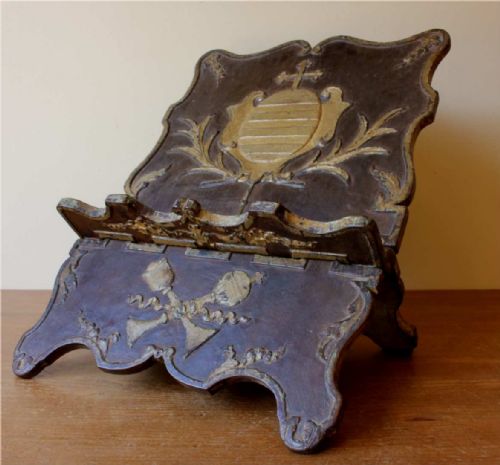

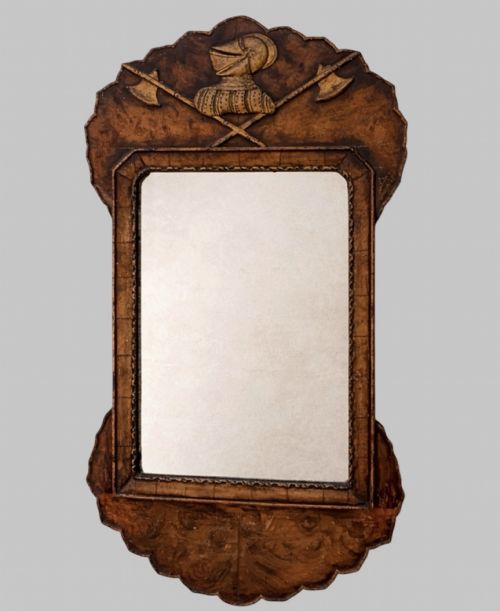


Heraldic Wood Carving
Heraldic wood carving combines ancestral lineage with tactile timber craft, offering buyers authentic armorial panels and crests that anchor a room in history.
Heraldic Wood Carving
When you search for heraldic wood carving, you encounter armorial panels, family crests, and sculptural shields designed to display lineage and allegiance. These pieces originate across the seventeenth, eighteenth, and nineteenth centuries, spanning domestic furnishings, architectural salvage, and ceremonial wall plaques.
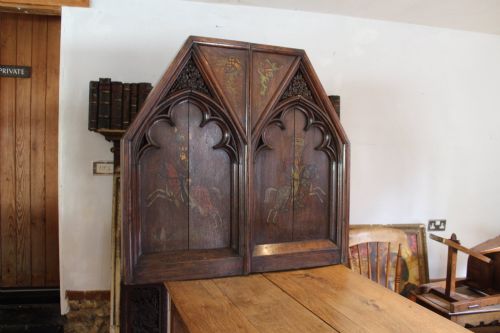
You are most likely to meet nineteenth-century oak and walnut panels featuring carved coats of arms, alongside seating and fire screens incorporating familial armorial bearings. The forms range from small marriage plaques to substantial country house consoles and hall chairs bearing carved crests.
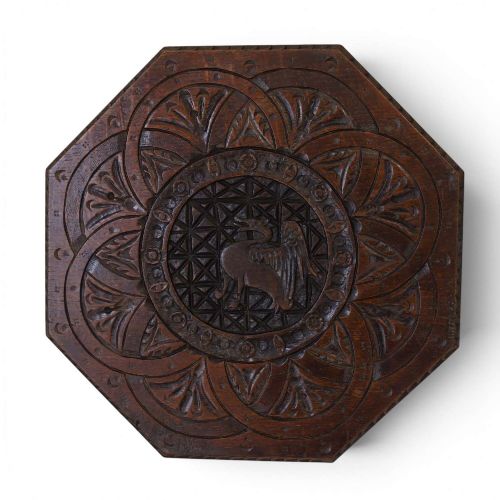
The aesthetic vocabulary draws heavily from Victorian Gothic Revival and Baroque styles, reflecting a long-standing British and continental European fascination with heraldry and lineage. These works function as decorative focal points that connect contemporary interiors with historic domestic architecture.
How they were made
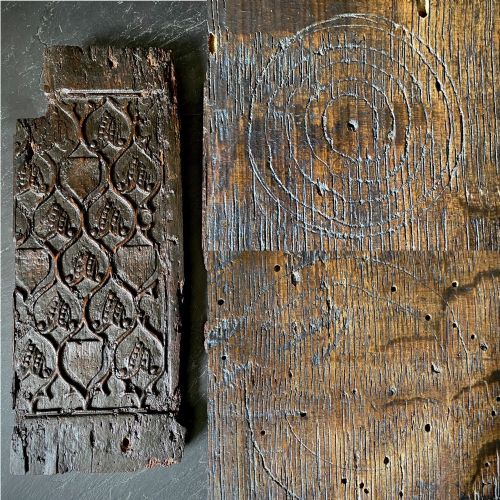
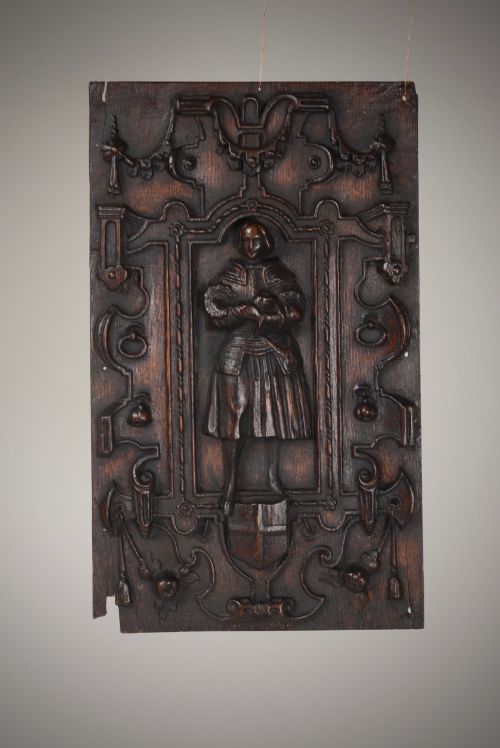
Makers relied primarily on native hardwoods such as oak and walnut, chosen for their structural stability and capacity to hold crisp, deep relief carving. Artisans worked these timbers using hand chisels and gouges, often finishing surfaces with gesso, paint, or polish to accentuate the armorial details.
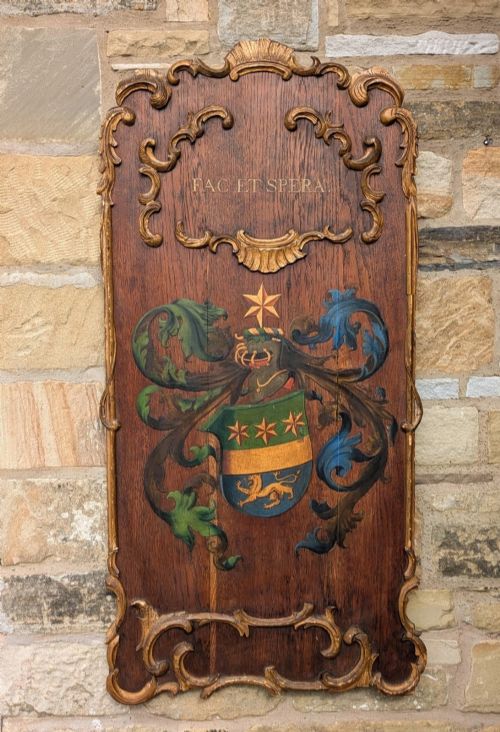
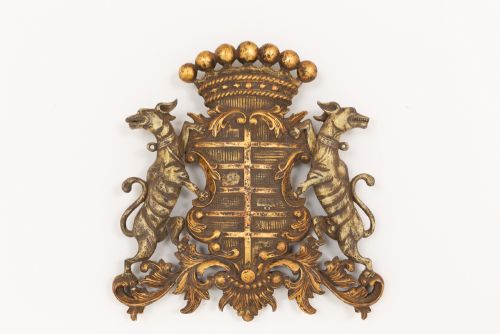
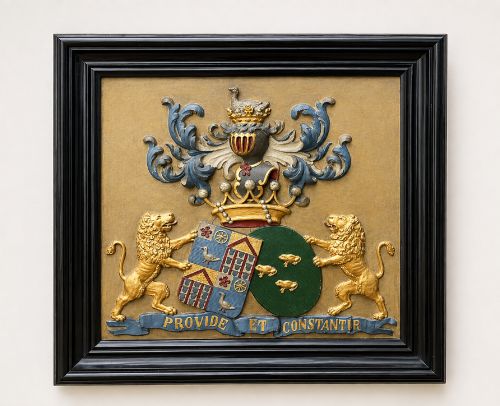
Many items incorporate mixed media, combining carved wood with embossed brass, polychrome paint, or giltwood to highlight specific elements of the coat of arms. Structural assembly typically involved traditional joinery, integrating panels into architectural surrounds, furniture carcases, or custom brass frames.
Heraldic Wood Carving Retail Price Guide 2026
Typical asking prices for heraldic wood carving among the pieces listed under this phrase on Sellingantiques today, from the lower quarter to the upper quarter. They describe what is for sale here now, not the wider market.
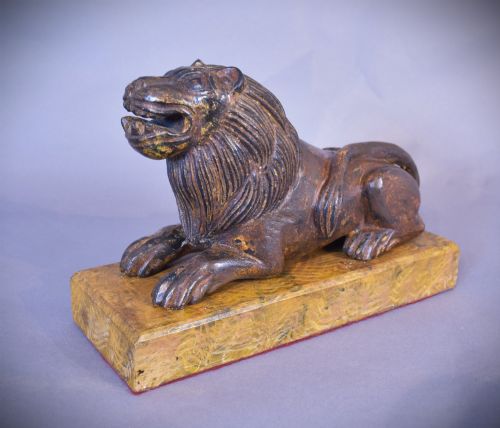
Several pieces feature surprisingly fierce wooden lions that appear to have spent centuries guarding domestic hallways with unwavering vigilance.
What varies in quality
The distinction between ordinary and exceptional carving lies in the depth of relief and the anatomical precision of figures such as lions, griffins, and supporters. Master carvers achieved fluid lines and expressive detail that lesser workshops reduced to flat, stiff ornamentation.
Material selection and the integrity of the armorial attribution also drive differentiation within the field. Pieces retaining original polychrome paint, authentic gilding, or well-documented family provenances command greater attention from serious collectors.
Van Rijckevorsel and Verheijen
The Heraldic Wood Carving Glossary
- Armorial
- Relating to heraldic arms or a coat of arms. These designs visually record family lineages and historical alliances.
- Gesso
- A plaster-like mixture applied to wood surfaces as a base for paint or gilding. It allows for sharp, crisp decorative details.
- Newel post finial
- A decorative ornament terminating the vertical post at the head or foot of a stair. They frequently take sculptural animal or heraldic forms.
- Cartouche
- An oval or oblong frame enclosing a design or armorial bearing. It is often carved in relief upon wooden panels and pediments.
- Sgabello
- A light wooden chair of Italian Renaissance origin featuring a high back and solid trestle supports. They frequently display carved armorial panels.
Heraldic Wood Carving: Frequently Asked Questions
What is a heraldic wood carving?
A heraldic wood carving is a decorative or architectural element depicting a family coat of arms, crest, or armorial bearings sculpted in timber.
These pieces range from small domestic wall plaques and book covers to large console tables and furniture crests created to mark marriages or lineage.
How were armorial panels used originally?
Armorial panels and crests were displayed in grand halls, libraries, and law chambers to signify family status, ancestry, and political allegiance.
They also appeared integrated into furniture such as hall chairs, fire screens, and cabinets to reinforce the prestige of the household.
How do I date a carved wooden crest?
Dating relies on stylistic markers such as Gothic Revival motifs, Baroque flourishes, and the specific characteristics of the timber and tool marks.
Comparative analysis with documented pieces from periods like the seventeenth or nineteenth century helps establish a reliable timeline.
How should I live with an antique panel?
Antique armorial carvings suit placement as focal points on plain walls, above mantelpieces, or incorporated into traditional study interiors.
Stable room humidity and protection from direct sunlight preserve the integrity of the historic wood and any applied paint or gesso.