
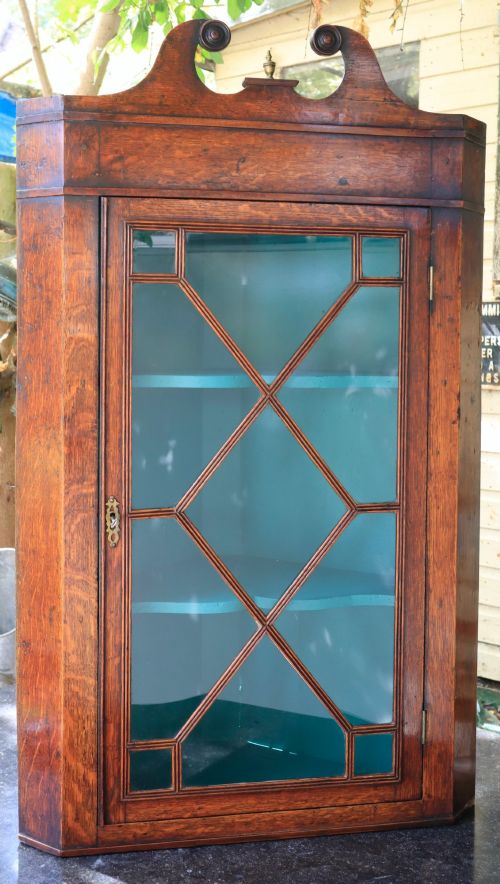
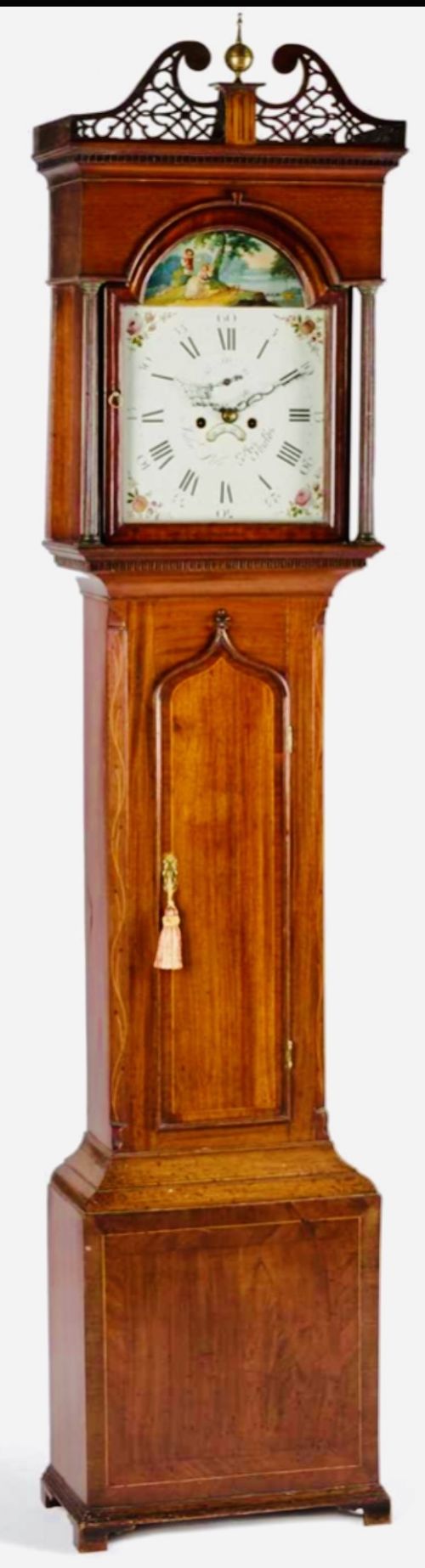
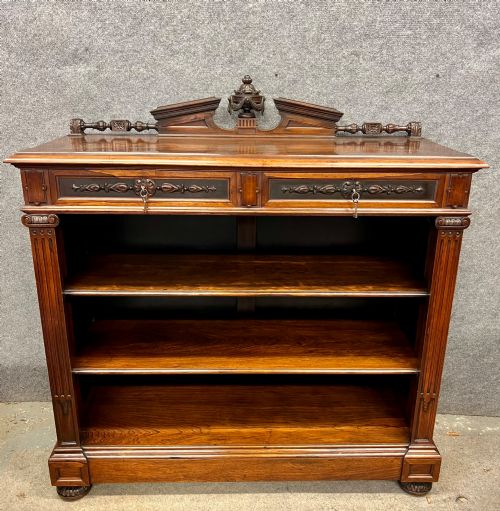
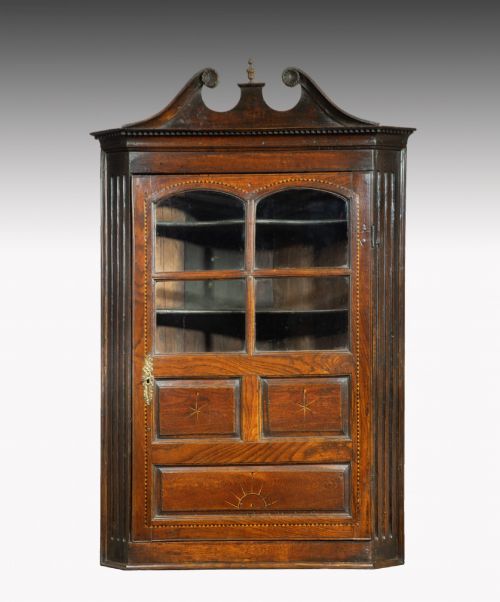


Antique Oak Pediment
An antique oak pediment brings classical architectural presence indoors, framing doorways or capping large furniture with solid timber character.
Antique Oak Pediment
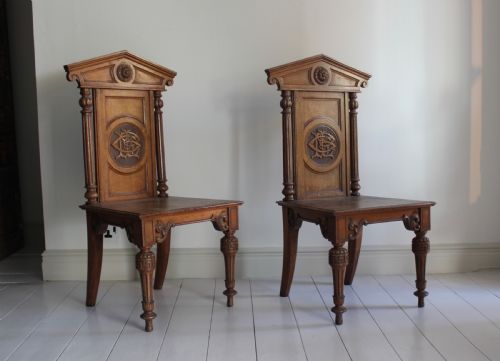
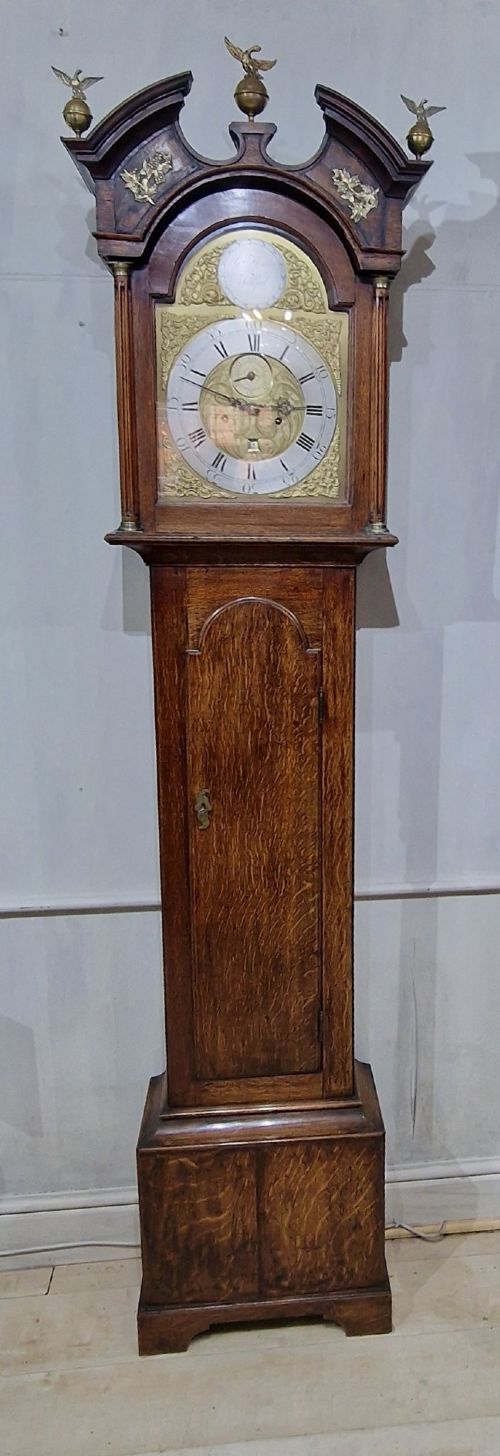
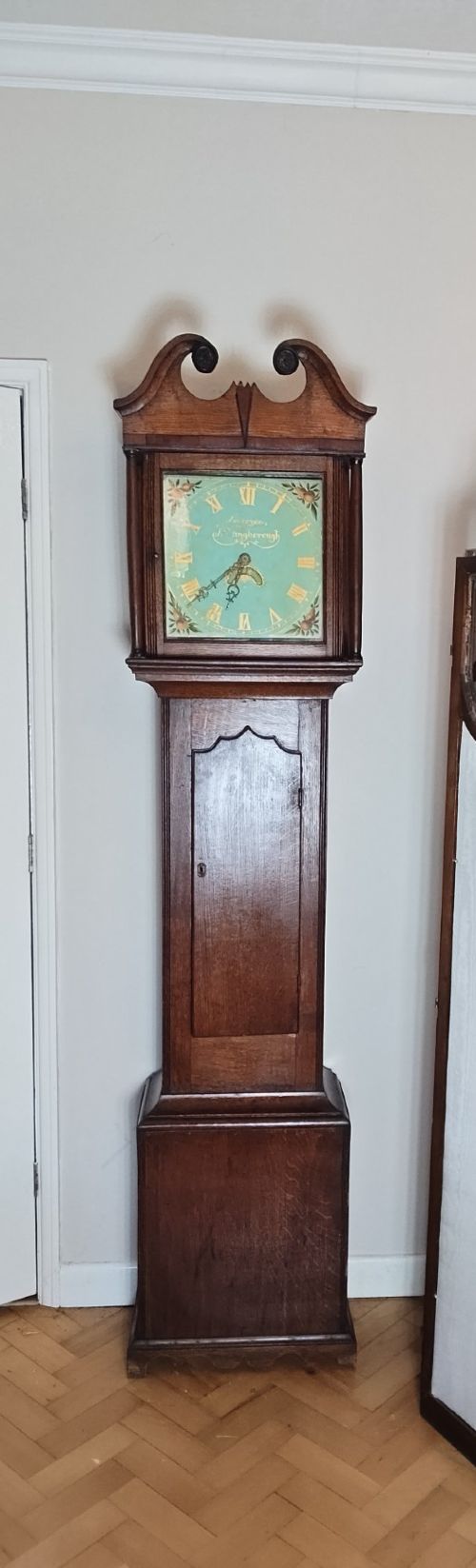
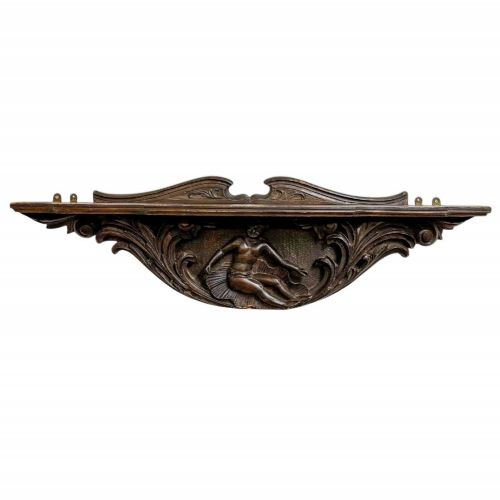
An antique oak pediment is an architectural or furniture top-piece designed to crown a doorway, shelf, or tall case. These items emerge from various periods including the Victorian era and late nineteenth century, appearing as carved panels or components salvaged from larger structures.
Materials and construction
Makers utilised solid oak, often selected for its dense grain and durability, sometimes pairing it with contrasting elements like mahogany crossbanding or brass fixings. The timber was seasoned, planed, and shaped by hand using traditional saws and chisels.
Carving was executed directly into the solid oak ground, creating high-relief motifs such as foliate scrolls, heraldic symbols, or classical architectural mouldings. Surface finishes typically relied on natural wax or oil to nourish the wood over generations.
The listings show oak architectural elements spanning from the seventeenth century through to the Edwardian period.
Assessing quality and execution
The standard of an antique oak pediment depends heavily on the depth and crispness of the hand-carved detail. Superior examples display sharp undercut leaves, balanced proportions, and confident tool work rather than shallow or mechanical stamping.
Integrity of the timber grain and the preservation of original surfaces also dictate worth. Pieces that retain their historic patination without excessive modern sanding or inappropriate timber replacement stand at the upper end of the range.
James Hendrie Falkirk·Thomas Webbe of New Quay·David Craig Path head·Walker of Nantwich·Samuel Buxton Diss
The Antique Oak Pediment Glossary
- Pediment
- An architectural crowning element, typically triangular or segmental, placed above doors, windows, or furniture.
- Overdoor
- A decorative panel or pediment fitted directly above a door frame to elevate the architectural importance of an entryway.
- Patina
- The surface sheen and coloration developed by aged oak through handling, light exposure, and wax application over decades.
- Crossbanding
- A decorative border technique where thin veneers of wood, such as mahogany, are laid with the grain running perpendicular to the core timber.
Antique Oak Pediment: Frequently Asked Questions
How were oak pediments originally used?
These architectural elements served to crown interior doorways, large bookcases, or mantelpieces, adding a layer of classical dignity to domestic rooms.
Builders and joiners integrated them into the woodwork of substantial houses to frame important spaces and draw the eye upward.
How do I mount an antique pediment?
Mounting typically requires securing the backing timber directly to wall studs using concealed brackets or appropriate screw fixings through reinforced structural points.
Care must be taken to support the full weight of the solid oak piece without splitting the historic timber.
Can I use an overdoor pediment outside?
These interior architectural fragments are generally unsuited for exterior exposure because fluctuating weather causes historic oak to warp and split.
Keeping them inside protects the dry timber and preserves the fragile original surface patination.
How do I clean carved oak?
Dusting with a soft, dry brush removes particulates from deep crevices without introducing moisture that could damage the grain or historic finish.
A light application of quality beeswax occasionally helps maintain the lustre of the timber.