



Carved Crest Panel
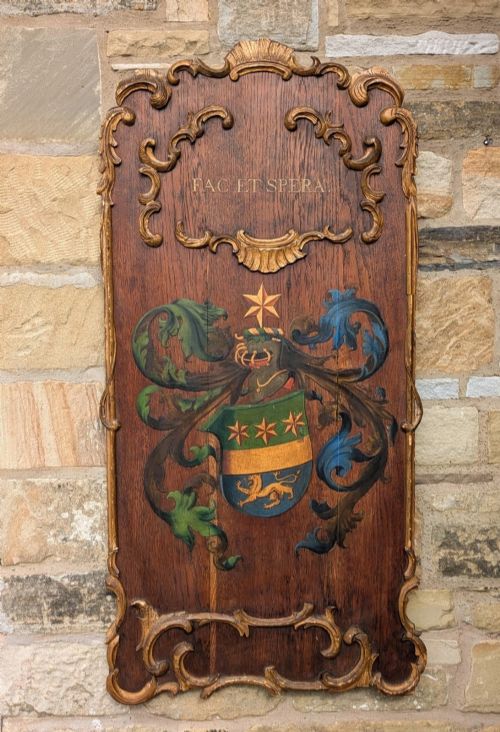
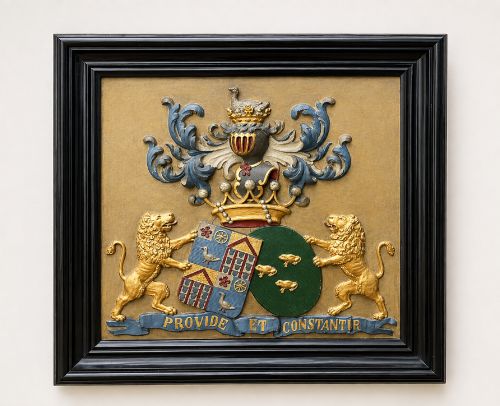
These pieces known as a carved crest panel draw the eye with their heraldic shields, carved coats of arms, and raised woodwork.
Carved Crest Panel
When you search for a carved crest panel, you encounter woodwork that once marked a family seat, adorned a stately wall, or topped a larger piece of furniture. The selection ranges from robust seventeenth-century oak elements to nineteenth-century armorial plaques and decorative mirror crestings.
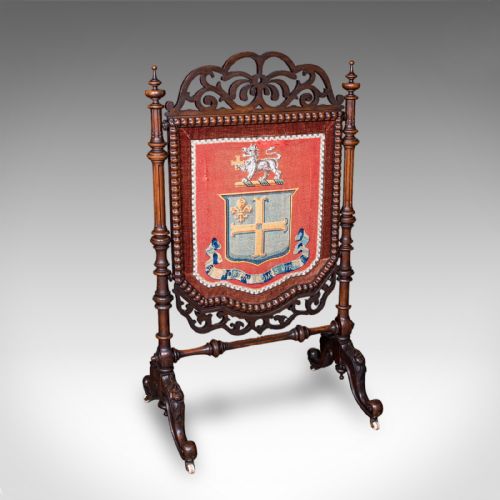
The versions most common in this inventory include walnut and oak armorial panels bearing family crests, alongside architectural pediments and decorative inserts salvaged from older interiors. Many take the form of heraldic marriage plaques, firescreen inserts, or carved timber mounted for display.
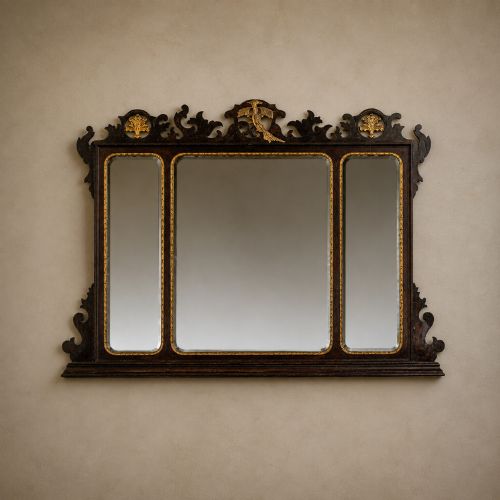
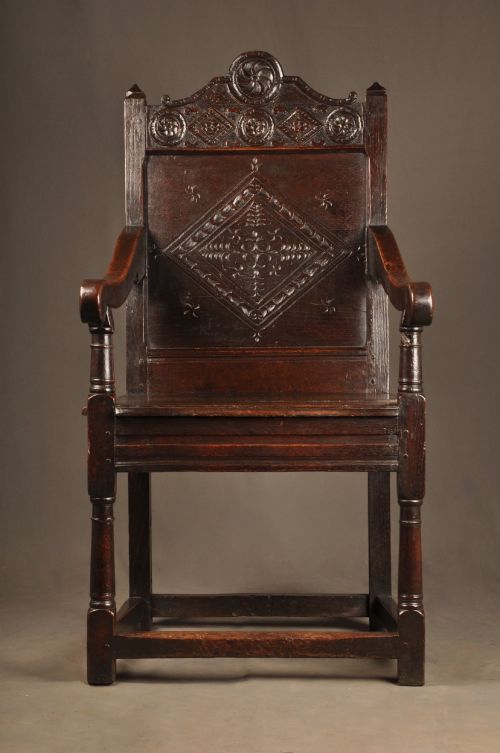
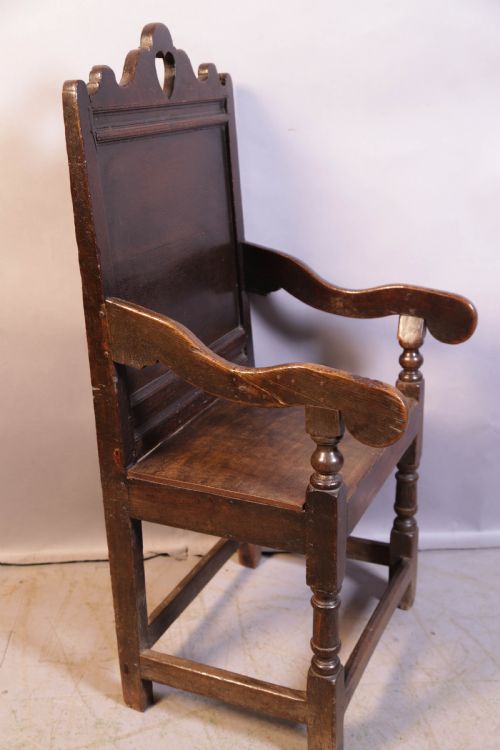
Makers integrated these carved crest panels into diverse objects, from wainscot chairs and overmantel mirrors to folding screens and architectural salvage. Their origins stretch from seventeenth-century English joinery workshops to nineteenth-century revival pieces.
How they were made
Joiners and carvers worked primarily in oak and walnut, selecting timber for its grain and durability before applying deep relief carving. Artisans chiselled heraldic beasts, foliage, and coats of arms directly into the solid wood.
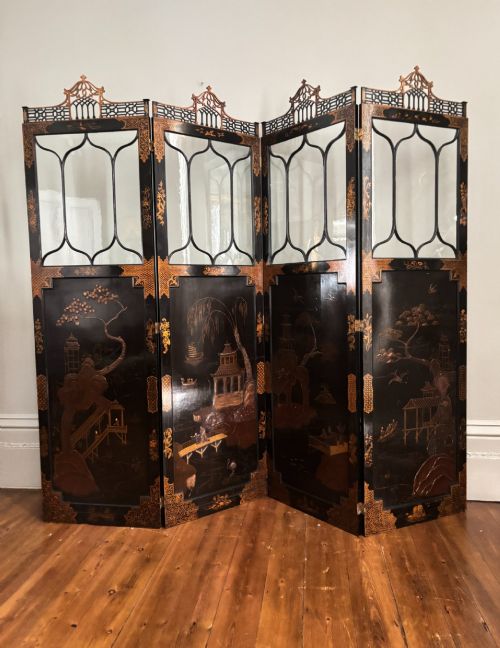
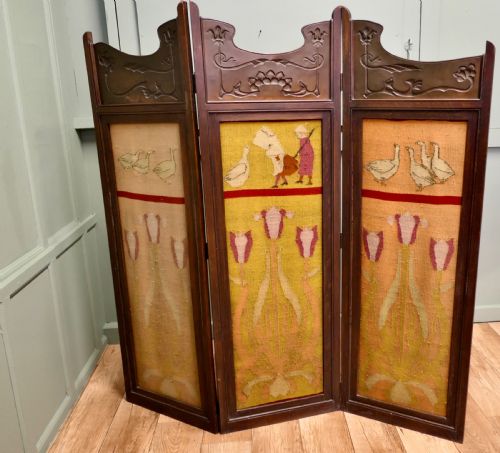
Some panels incorporate painted finishes, giltwood detailing, or brass framing to accentuate the carved motifs. Needlepoint wool panels and glass elements occasionally accompany the woodwork in composite pieces like screens and trumeau mirrors.
Carved Crest Panel Retail Price Guide 2026
Typical asking prices for carved crest panel among the pieces listed under this phrase on Sellingantiques today, from the lower quarter to the upper quarter. They describe what is for sale here now, not the wider market.
Some nineteenth-century panels survived fairground rides and carousel journeys before finding their way into quiet domestic interiors.
What varies in quality
The depth and crispness of the chisel work dictate the initial visual impact of the carving, separating routine joinery from master craftsmanship. Sharp relief in heraldic details and mythic beasts shows the carver's command over the timber.
The integrity of the original material and the coherence of the mounting shape the overall standard of the piece. Retaining untouched surfaces and period framing enhances the historical weight of the woodwork.
The Carved Crest Panel Glossary
- Wainscot chair
- A solid wooden armchair from the seventeenth century constructed with panelled backs and sturdy turned legs. These heavy seats often incorporated carved cresting along the top rail.
- Armorial panel
- A flat piece of wood or textile displaying a coat of arms or family crest. They served as heraldic markers for specific lineages.
- Trumeau mirror
- A tall wall mirror paired with a painted or carved panel above the glass. They gained popularity in eighteenth and nineteenth-century domestic interiors.
- Overmantel mirror
- A large mirror designed to hang above a fireplace mantelpiece. Their wooden frames frequently feature elaborate cresting and carved motifs at the top.
- Backstool
- An early form of chair featuring a tall upholstered or wooden back without arms. They were common in seventeenth-century English and provincial households.
Carved Crest Panel: Frequently Asked Questions
What is a carved crest panel?
A carved crest panel is a piece of decorative woodwork featuring a family crest, coat of arms, or heraldic design. These panels were originally incorporated into larger furnishings, architectural settings, or displayed on walls as markers of lineage.
Today, they survive as standalone decorative objects, architectural salvage, or integrated parts of antique mirrors and chairs.
How were these panels used originally?
In earlier centuries, heraldic panels and crests marked family identity and status within great houses, public buildings, and institutional spaces. They appeared above doorways, set into wainscot chairs, or mounted as armorial plaques.
Over time, many were detached from their original context or repurposed into decorative screens and wall displays during nineteenth-century revival periods.
Where should I place one at home?
These wooden panels suit prominent wall placements where their relief carving and heraldic details can be appreciated up close. They work well mounted above mantelpieces, in hallways, or incorporated into traditional room schemes.
Ensure they hang away from direct heat sources and strong sunlight to protect the aged timber and any historic finishes.
How do I tell seventeenth-century oak from later revival pieces?
Seventeenth-century oak pieces display the characteristic tool marks, oxidation, and dense weight associated with early British joinery. Construction methods typically involve pegged mortise and tenon joints rather than modern fasteners.
Nineteenth-century revival pieces often mimic these earlier styles using softer machine-assisted techniques, cleaner symmetry, and different wood preparation methods.