









Carved Oak Pediment
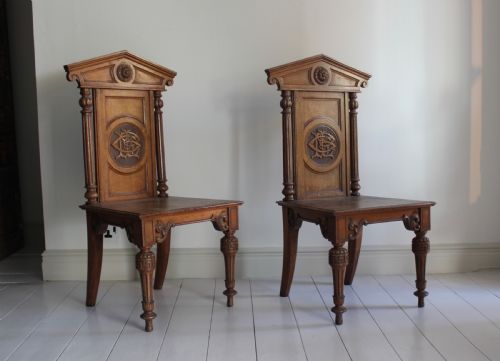
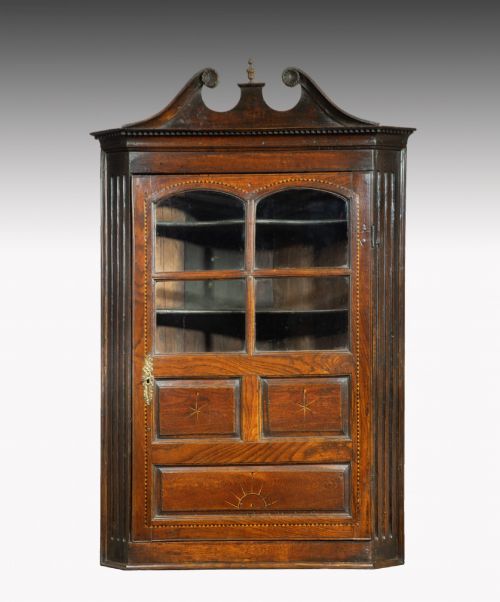
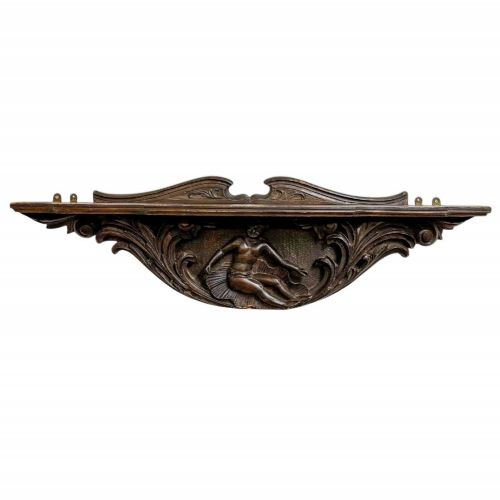
A carved oak pediment crowns a doorway or frames a room, bringing substantial architectural presence and deep historical relief work into an interior.
Carved Oak Pediment
When you search for a carved oak pediment, you encounter architectural salvage and decorative panels designed to sit above doors, mantels, or bookcases. These items range from simple domestic joinery to elaborate display pieces salvaged from larger buildings.
The pieces on this page span several centuries, pulling primarily from seventeenth-century panels, eighteenth-century joinery, and nineteenth-century Victorian revivals. You are most likely to meet nineteenth-century examples and overdoor fragments featuring carved motifs.
Makers integrated these timber ornaments into domestic settings to elevate thresholds and focal points. They function today as standalone wall art or architectural elements for period restoration projects.
Materials and construction
The primary material across these pieces is solid oak, sometimes found in bleached variations or golden tones, paired occasionally with secondary woods like mahogany. Artisans selected timber with dense grain capable of holding sharp chisel work over generations.
Carpenters and carvers utilised hand tools to cut, join, and shape the wood, creating deep relief panels through chip carving, gouging, and piercing. Surfaces often display the natural warmth and figuring of the timber rather than heavy paint finishes.
Carved Oak Pediment Retail Price Guide 2026
Typical asking prices for carved oak pediment among the pieces listed under this phrase on Sellingantiques today, from the lower quarter to the upper quarter. They describe what is for sale here now, not the wider market.
Look closely to spot hidden monkeys, grinning green men, and mythical dragons peering out from the dense oak foliage.
Evaluating craftsmanship and detail
The distinction between ordinary joinery and exceptional work rests in the depth and animation of the carving. Master carvers achieved striking vitality in figures like green men, lions, and mythical beasts, whereas lesser pieces rely on shallow, repetitive stamping or mechanical routing.
Proportion and the integrity of the original timber frame also dictate the standing of a piece. Well-balanced symmetry, crisp undercutting, and minimal later adaptation separate high-end architectural elements from basic salvaged fragments.
Edward Pearce·James Hendrie·David Craig·Robert Darling
The Carved Oak Pediment Glossary
- Pediment
- An architectural crowning element placed above a door, window, or piece of furniture. It provides a definitive visual top to an otherwise vertical structure.
- Green Man
- A sculptural motif showing a human face emerging from or entwined with foliage. It is commonly found on early carved panels and ecclesiastical woodwork.
- Architectural salvage
- Building elements rescued from structures slated for alteration or demolition. These components are repurposed for interior decoration or restoration.
- Relief carving
- Sculpture in which figures project from a background plane. High relief creates strong shadow lines and spatial depth.
- Overdoor
- A decorative panel or pediment fixed immediately above a doorway. It visually connects the door frame to the higher expanse of the wall.
Carved Oak Pediment: Frequently Asked Questions
Where were pediments placed?
Historically, these wooden ornaments sat directly over interior doorways, above prominent fireplaces as part of an overmantel, or atop tall bookcases and cupboards. They served to mark important thresholds within grand homes and public buildings.
In modern settings, they work best mounted at lintel height on plain walls or positioned above large mirrors to recreate traditional architectural proportions.
How do I date a carved oak pediment?
Dating relies on examining the carving style, tool marks on the reverse, and the character of the oak timber itself. Seventeenth-century panels often feature flat, stylized foliage and mythical beasts, while Victorian pieces lean toward heavier, deeply undercut naturalism.
Joinery techniques also offer clues, as hand-sawn boards and early peg construction point away from modern machine-cut manufacturing methods.
Can I hang a pediment on the wall?
Most architectural pediments adapt easily to wall mounting once fitted with appropriate brackets or picture wire secured to the rear timber frame. Because solid oak panels carry significant weight, anchoring directly into wall studs is essential for safety.
Positioning them at standard door height or above a piece of furniture helps maintain the illusion of their original architectural context.