

French Provincial Carving
French provincial carving represents traditional regional craftsmanship from rural France, offering substantial oak and walnut furniture that brings historic rustic character into modern homes.
French Provincial Carving
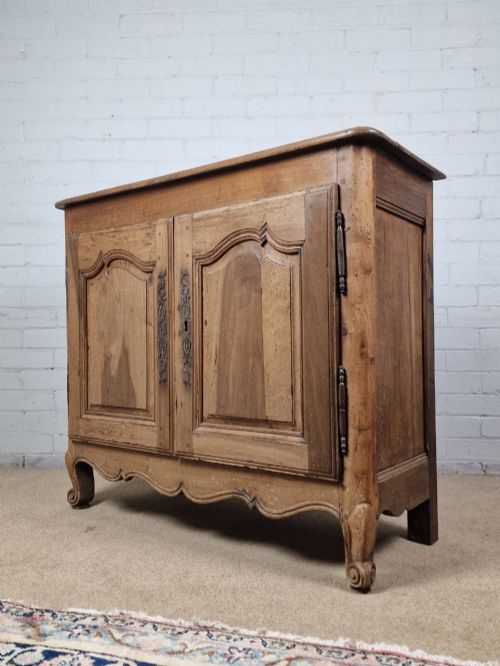
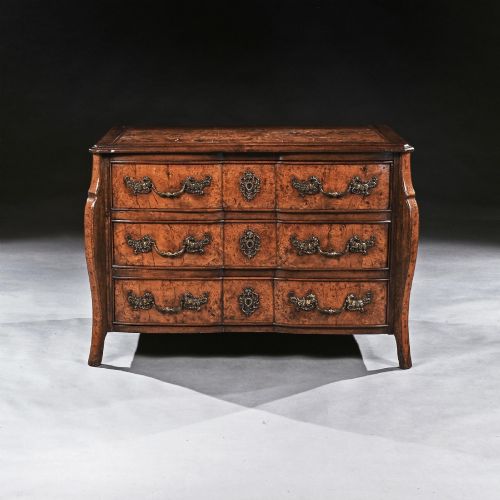
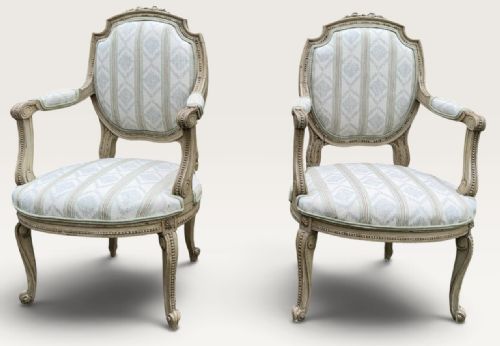
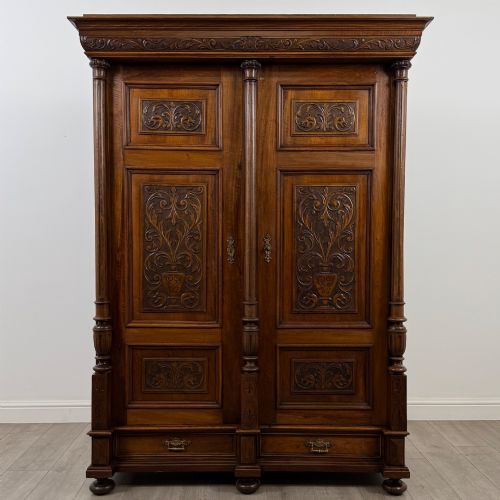
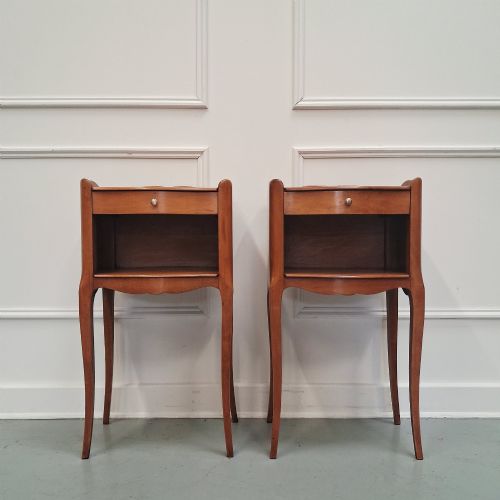
French provincial carving encompasses utilitarian and formal domestic furniture made outside Paris during the eighteenth and nineteenth centuries, including robust armoires, commodes, and dining seating. Buyers searching for french provincial carving encounter solid oak and walnut pieces that display regional interpretations of courtly Louis styles scaled down for country houses.
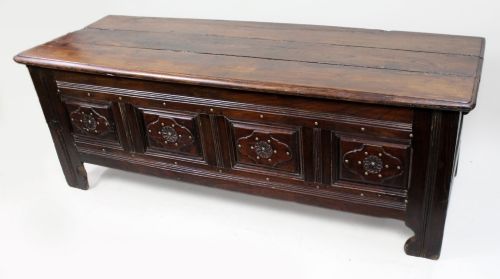
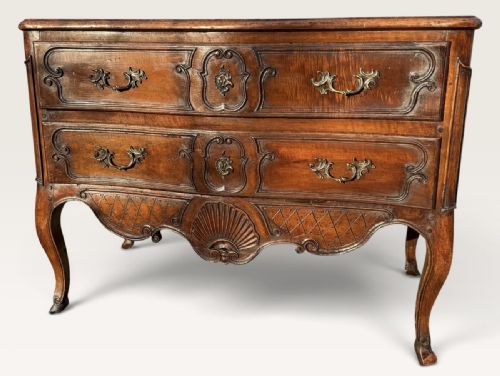
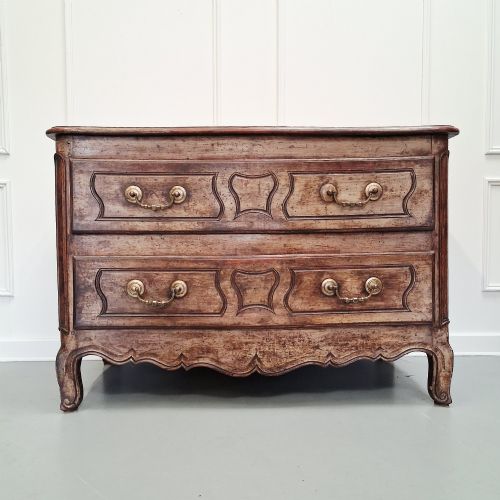
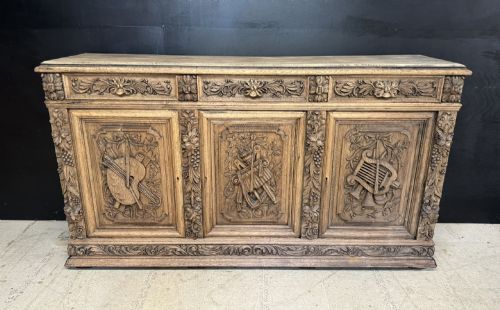
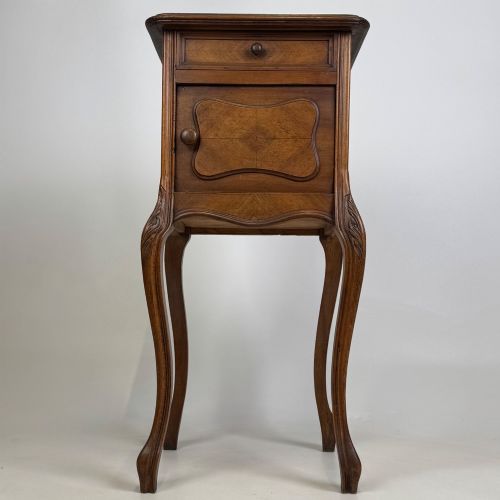
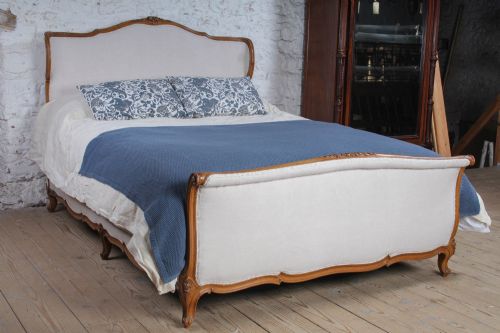
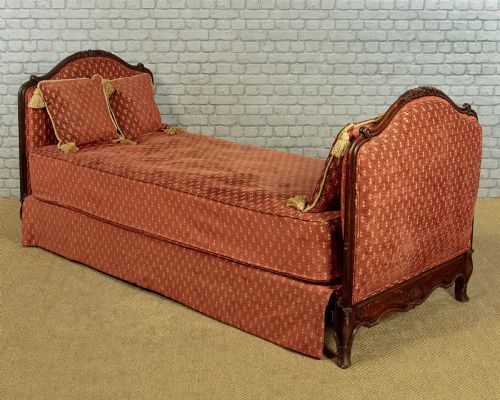
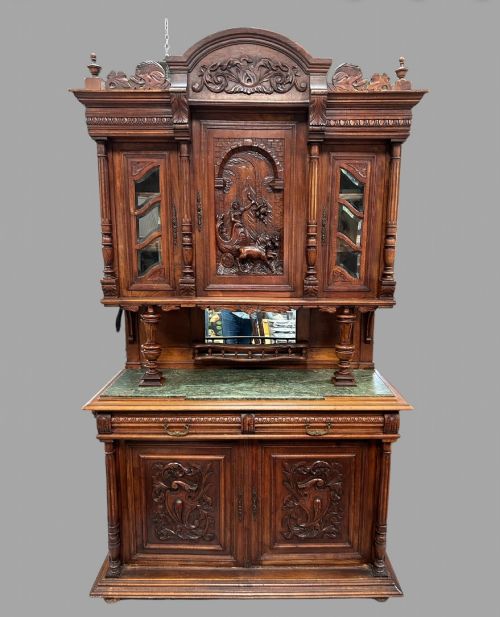
The objects available on this page range from early eighteenth century burr elm commodes to later nineteenth century sideboards and buffets. Forms such as oak coffers, marble top cabinets, and painted day beds reflect both vernacular utility and decorative refinement.
Materials and Construction
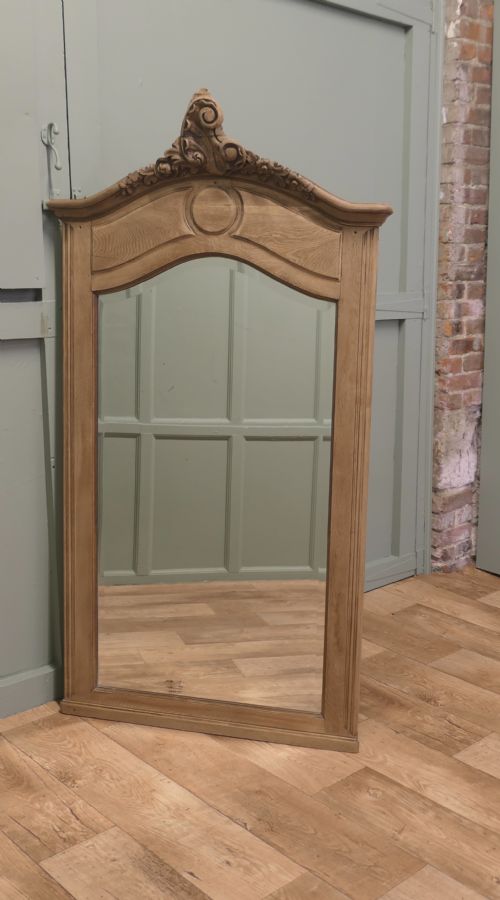
Cabinetmakers utilised locally sourced timbers, predominantly oak and walnut, alongside burr elm and beech for structural integrity and decorative surface grain. Panels were hand-carved with floral motifs and geometric mouldings directly into the solid wood rather than relying on heavy veneering.
Surfaces often retain their original paint or bleached finishes, while marble tops and brass hardware were integrated into commodes, side tables, and cabinets during later Victorian and Edwardian interpretations.
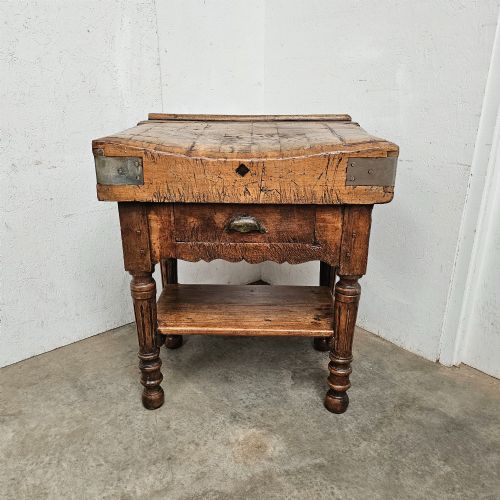
Object types include armoires, dough bins, day beds, and enfilades alongside standard dining chairs and commodes.
Evaluating Quality
The distinction between ordinary and superior pieces rests on the depth and crispness of the hand-carving and the choice of primary timber. Pieces featuring burr elm or finely figured walnut exhibit greater cabinetmaking ambition than plain utilitarian items.
Proportion and structural retention dictate value, as eighteenth-century originals maintain balanced regional proportions while later revival pieces vary in the fidelity of their Louis XV or Louis XVI style detailing.
The French Provincial Carving Glossary
- Commode
- A low chest of drawers, often featuring serpentine fronts or marble tops in French furniture.
- Armoire
- A large freestanding wardrobe with double doors, traditionally used for storing garments and household linens.
- Enfilade
- A long sideboard or buffet with multiple doors, designed for serving food in dining rooms.
- Marquetry
- The art of applying small pieces of veneer to a structure to form decorative patterns and pictures.
- Buffet
- A sideboard or cupboard used for storing and displaying tableware.
French Provincial Carving: Frequently Asked Questions
What defines French provincial furniture?
French provincial furniture consists of pieces made in the regions outside Paris, mirroring metropolitan styles with simpler execution and sturdier proportions.
Craftsmen adapted royal designs like the Louis XV style for local chateaux and farmhouses using regional timbers.
How do I date an antique commode?
Dating relies on construction methods, timber choice, and hardware integration, with eighteenth-century pieces showing hand-cut joints and native walnut.
Later nineteenth-century and Edwardian examples often incorporate marble tops and machine-assisted joinery alongside revival styling.
Are these pieces made of solid wood?
Most items utilise solid timbers such as oak, walnut, and beech, which withstand centuries of domestic use.
Some later decorative surfaces employ marquetry veneers over secondary woods for intricate geometric patterns.
How should I care for waxed oak furniture?
Maintain waxed surfaces by applying a natural beeswax polish sparingly and buffing with a soft cloth to preserve the grain.
Keep wooden items away from direct heat sources and strong sunlight to prevent the timber from drying out.