


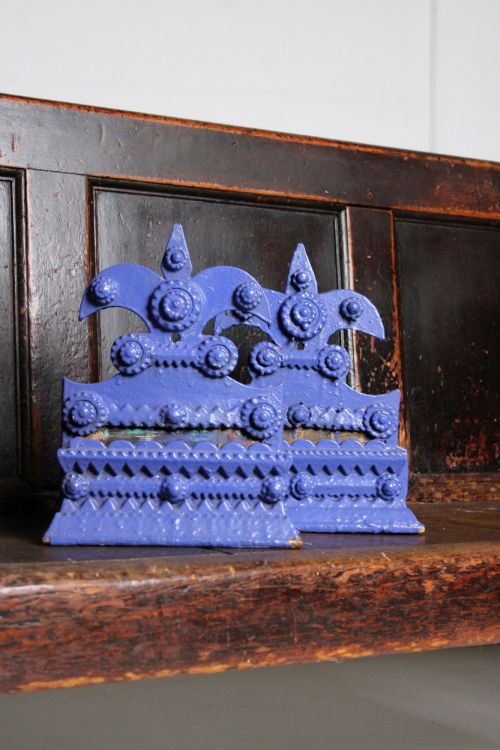

Antique Wooden Pediment
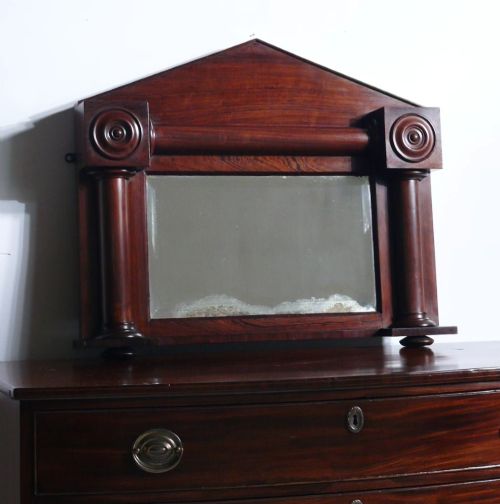
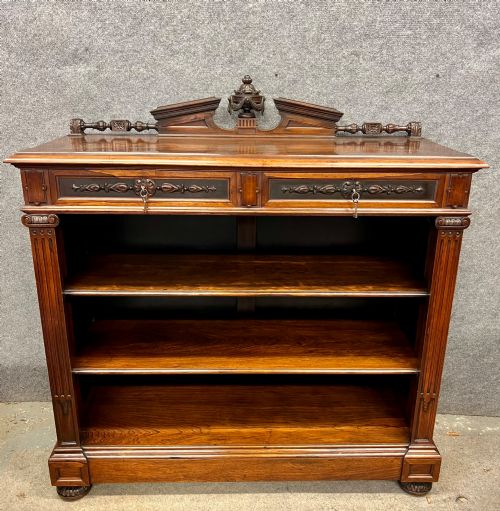
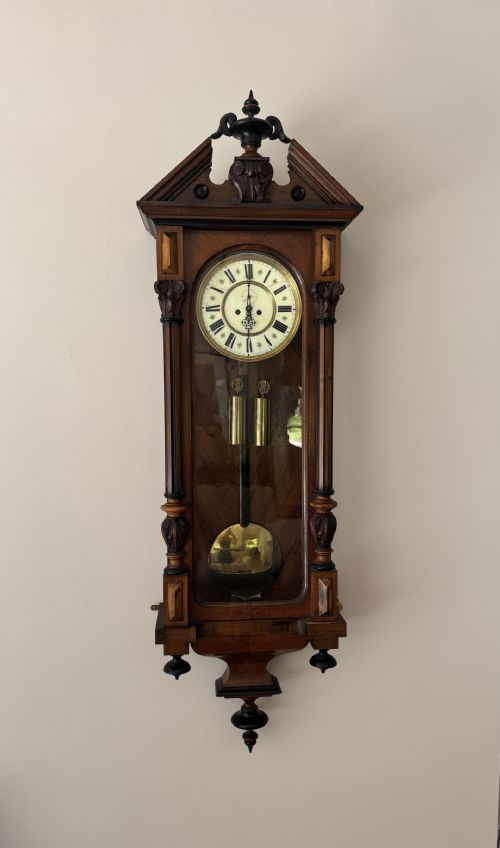
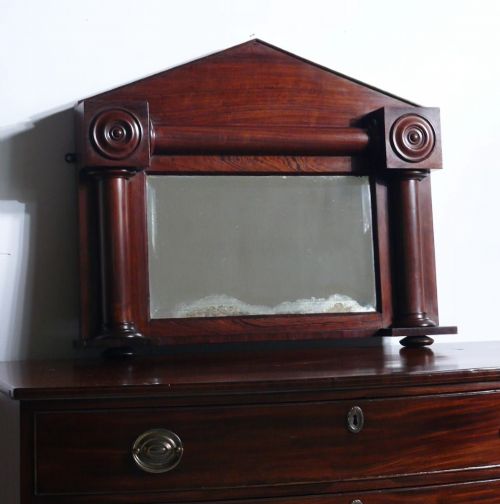
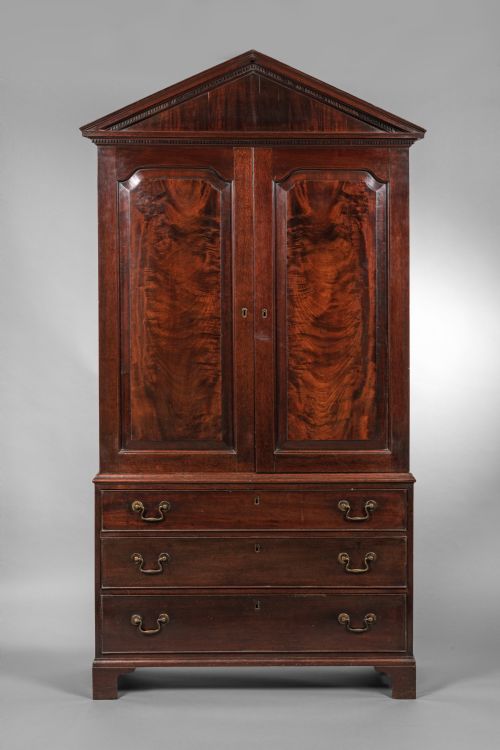
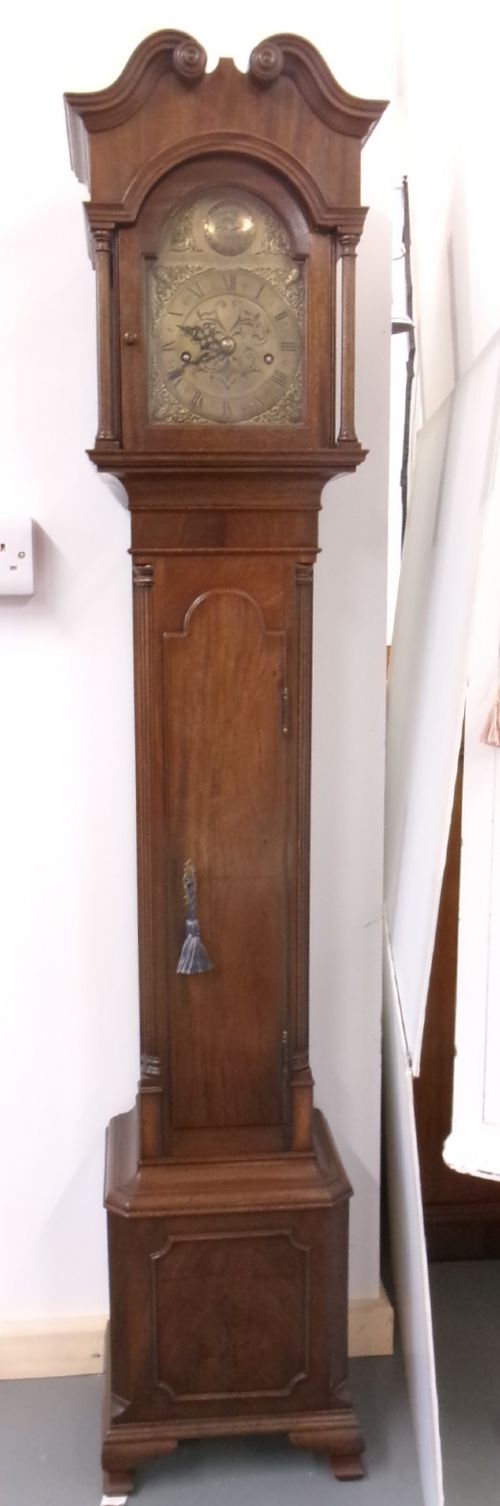
An antique wooden pediment crowns a doorway, bookcase or clock with sculptural depth, bringing architectural presence and historic timber into a room.
Antique Wooden Pediment
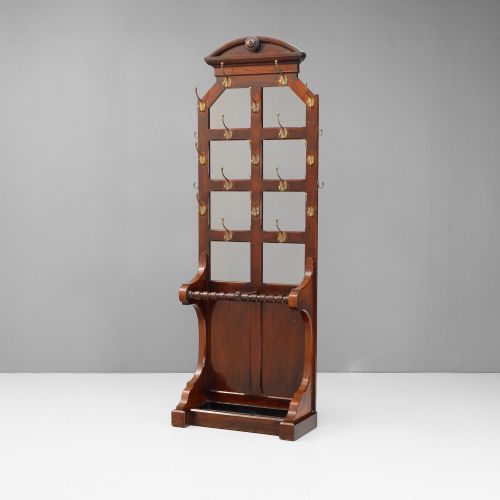
When you search for an antique wooden pediment, you encounter architectural salvage originally designed to crown large case furniture, overdoors or interior openings. The pieces available span periods from the eighteenth century through to the Edwardian era, reflecting shifting tastes in interior architecture and cabinetmaking.
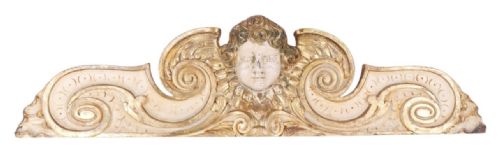
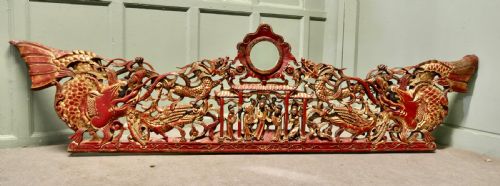
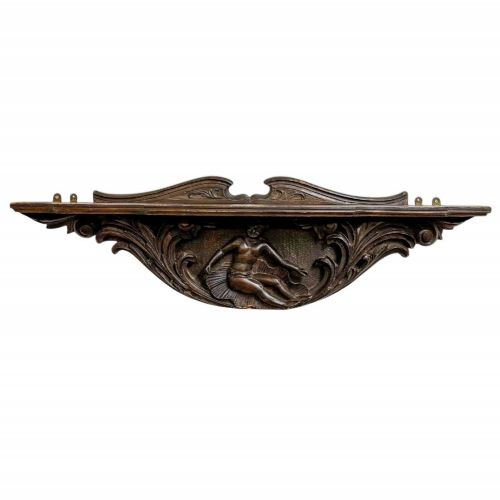
You are most likely to meet carved overdoor panels, architectural fragments and broken arch furniture tops fashioned from timber. These elements originate from diverse contexts, ranging from Georgian domestic interiors to ecclesiastical settings and French chateaux.
The form functions primarily as a decorative architectural cap, utilising solid timber and carved details to draw the eye upward. Collectors acquire these fragments to mount above modern doorways or display directly on walls as sculptural panels.
Materials and construction methods
Cabinetmakers and carvers utilised dense hardwoods such as oak, mahogany, walnut and pine to construct these architectural elements. Timber selection dictated the depth and crispness of the carving, with oak and mahogany providing the structural stability necessary for intricate pierced and relief work.
Construction involved hand-carving solid timber blanks or building up layered sections with pegged and glued joinery. Surface treatments typically relied on natural wax finishes, historical paint layers or polished grains that highlight the natural figure of the wood.
Listings feature oak, mahogany, walnut and pine across Georgian, Victorian and Edwardian periods, appearing as overdoors, furniture crowns and ecclesiastical tracery panels.
Judging quality and craftsmanship
The distinction between ordinary architectural salvage and a superior antique wooden pediment lies in the depth and vitality of the hand-carving. Crisp undercut foliage, balanced proportions and fluid human or animal motifs separate accomplished workshop production from mechanical or later copies.
Integrity of the timber and the preservation of original surfaces dictate desirability. Pieces retaining their early finish without heavy intervention command greater appreciation from purists who value uncompromised historical material.
Master Carver Edward Pearce
The Antique Wooden Pediment Glossary
- Pediment
- The triangular or curved architectural gable crowning a facade, doorway, or piece of furniture. It provides a definitive focal point at the top of a structure.
- Overdoor
- An architectural element or decorative panel positioned directly above a door frame. These often incorporate elaborate carvings or shelves.
- Architectural salvage
- Building components and decorative fragments rescued from older structures before demolition. This material preserves historical craftsmanship for contemporary interiors.
- Broken arch
- A pediment design where the sloping cornice does not meet at the apex, frequently leaving space for a central urn or finial. This style gained popularity during the Georgian period.
- Tracery
- Openwork pattern of intersecting ribs used in windows or decorative panels, heavily featured in Gothic architecture. It requires precise hand-chiselling to achieve structural rhythm.
Antique Wooden Pediment: Frequently Asked Questions
How do I hang an antique wooden pediment?
Heavy architectural fragments require secure fixing directly into wall studs or masonry using appropriate metal brackets screwed into reinforced structural points on the reverse.
Lighter pine or cedar panels may utilise heavy-duty picture wire attached to strong concealed battens, ensuring the weight is distributed evenly across the timber frame.
Where were pediments originally placed in a home?
Cabinetmakers mounted these wooden crowns atop tall case furniture such as bookcases, linen presses and grandfathers clocks to add vertical grandeur. Interior architects also installed them directly above important doorways and fireplaces.
In larger country houses and ecclesiastical settings, grand carved panels framed major thresholds or adorned altar backs to signify hierarchical importance within the room.
How do I clean and maintain antique wood?
Dust the carved surfaces regularly using a soft natural bristle brush to prevent particulate buildup within the recesses of the carving. Avoid modern liquid polishes containing silicone.
Apply a microcrystalline wax sparingly once or twice a year to nourish the dry timber and protect the historical surface from atmospheric moisture fluctuations.
Can I use an exterior pediment indoors?
Most surviving architectural elements originate from interior spaces and thrive best in stable indoor humidity conditions away from direct weathering. Placing them outside risks severe timber splitting.
If an element possesses a history of exterior exposure, acclimatize the wood slowly inside and apply stabilizing sealants only if the original surface permits.