



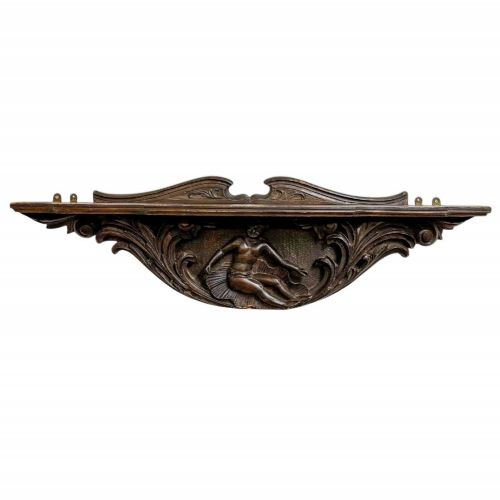





Carved Wooden Pediment
A carved wooden pediment brings architectural gravity to an interior, framing doorways and walls with historical depth.
Carved Wooden Pediment
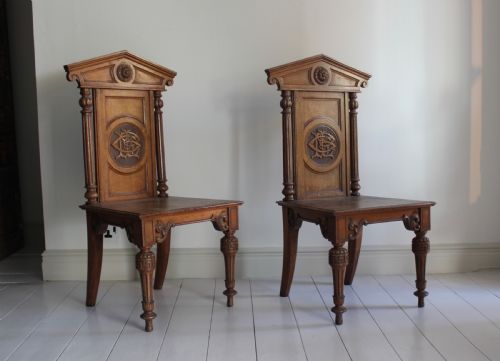
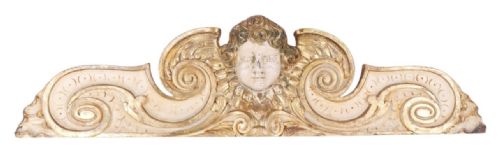
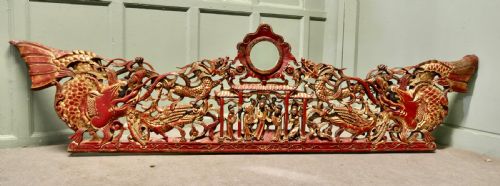
The selections available range from 17th-century oak panels and 18th-century Italian silver leaf carvings to 19th-century French oak door pediments and pine ecclesiastical church tracery. These forms span diverse aesthetic traditions including Baroque, Gothic Revival, and French Chateau styles.
Buyers most frequently meet 19th-century oak and pine examples designed for overdoors or wall mounting. These pieces preserve the sculptural ornamentation of historic buildings for contemporary domestic settings.
Materials and construction methods
Craftsmen utilised dense hardwoods like oak, mahogany, walnut, and pine, selecting timber appropriate for intricate sculptural detail. Oak and pine appear frequently in architectural salvage, offering stable bases for deep relief carving.
Makers employed hand-carving techniques to shape scrolls, foliage, figures, and architectural tracery directly into the solid wood. Surface finishes range from natural bleached oak and polished mahogany to applied gesso, paint, and silver leaf.
Distinguishing quality in historic carving
Depth and crispness of the hand-carving separate standard architectural fragments from exceptional artistic works. Superior examples display sharp undercut details, confident symmetry, and expressive figurative elements.
The integrity of the original timber and the retention of historic surface treatments, such as early paint or silver leaf, dictate the historical value. Well-preserved joinery and honest patination indicate a piece maintained its architectural context intact over centuries.
Edward Pearce·Hampson & Son
The Carved Wooden Pediment Glossary
- Pediment
- A triangular or segmental architectural ornament placed above doors, windows, or mantelpieces. In decorative salvage, this term extends to elaborate carved wood overdoor panels.
- Overdoor
- A decorative architectural panel or pediment positioned directly above a doorway. These elements often feature significant relief carving or figural motifs.
- Tracery
- Openwork pattern made of intersecting ribwork, commonly found in Gothic architecture. Surviving panels preserve this stonework-inspired design translated into carved pine or oak.
- Gesso
- A plaster-like mixture applied to wood as a base for gilding or painting. This material supports metal leaf applications on decorative architectural elements.
Carved Wooden Pediment: Frequently Asked Questions
What is a carved wooden pediment?
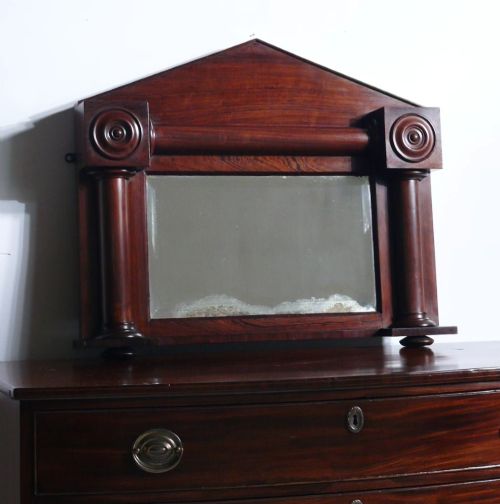
A carved wooden pediment is an architectural ornament traditionally placed above a door, window, or piece of furniture. These decorative elements feature hand-carved wooden reliefs, ranging from simple classical triangles to elaborate Baroque scrolls.
Historic examples are salvaged from period buildings, churches, and grand interiors. They serve today as striking wall-mounted decorative objects.
How were pediments originally used?
Builders used pediments to crown important interior doorways, mantels, and large pieces of cabinetry like bookcases. They directed visual attention upward and emphasised the significance of the threshold.
In ecclesiastical and domestic architecture, these wooden carvings demonstrated the status and taste of the property owner through classical or religious iconography.
How do I hang a wooden pediment?
Hanging a heavy wooden pediment requires locating solid timber studs or using appropriate heavy-duty wall anchors rated for the weight of the specific timber. Many architectural fragments retain original hanging brackets or benefit from a custom hidden french cleat system.
Ensure the wall mount engages securely with the wooden framework of the pediment rather than fragile surface carvings. Professional installation is recommended for large or dense hardwood panels.
How do I date a carved pediment?
Dating relies on analyzing the wood species, tool marks left by the carver, and the stylistic vocabulary of the ornament. Eighteenth-century pieces often display hand-sawn board backs and distinct regional carving styles, while Victorian pieces may incorporate machine-prepared timber alongside hand finishing.
Comparing the decorative motifs, such as Gothic tracery versus Baroque foliage, to documented architectural periods helps narrow the timeframe.