

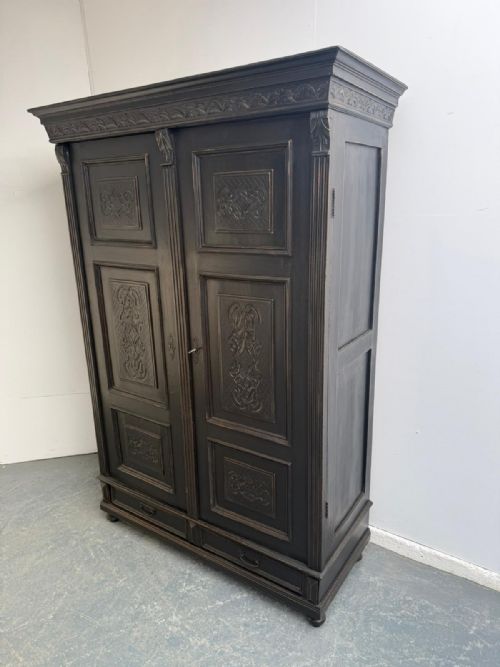


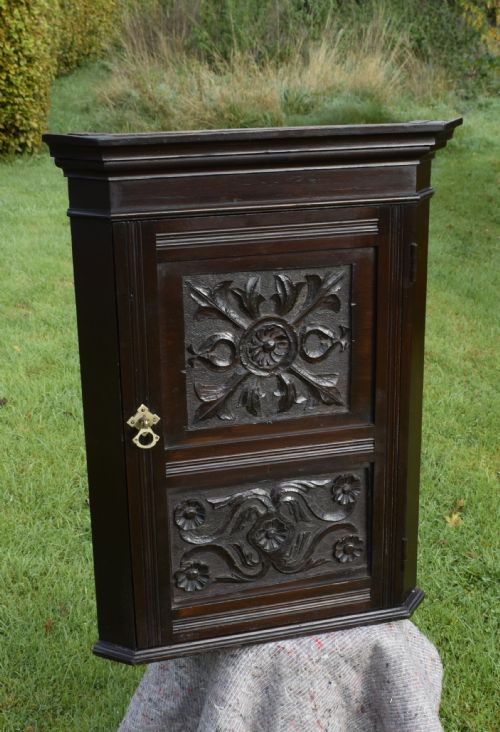


Carved Pine Panel
A carved pine panel brings architectural depth and organic texture to an interior, offering centuries of joinery and relief work for modern walls.
Carved Pine Panel
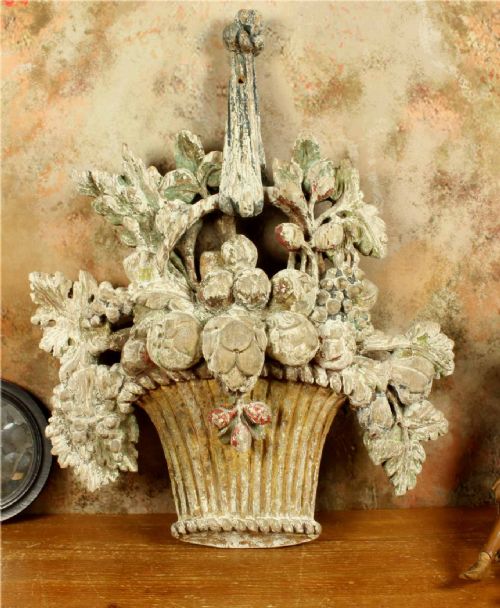
A carved pine panel represents the intersection of structural woodwork and decorative relief, taking the form of architectural salvage, church tracery, or wall decoration. When searching for a carved pine panel, buyers typically encounter examples drawn from the eighteenth and nineteenth centuries, spanning Georgian, Victorian, and Gothic Revival styles.
The selection ranges from large ecclesiastical church tracery panels to floral wall reliefs and architectural fragments. Many pieces show influences from French Provincial, Scandinavian Country, and European Folk Art traditions, reflecting the diverse regional uses of softwood in domestic and sacred spaces.
These objects frequently originate from larger dismantled furnishings or buildings, functioning today as standalone decorative wall art. The material itself provides a soft, receptive ground for deep chisel work, allowing carvers to achieve high levels of dimension and shadow.
Materials and Technique
Makers utilised straight-grained pine alongside supporting elements of oak and iron, shaping the softwood with gouges and chisels to build up layered relief. The timber was seasoned carefully before carving to prevent splitting, allowing artisans to cut deep undercut foliage, tracery, and figurative details.
Many surfaces retain historical finishes including polychrome paint, grain painting, and simple black or blue lead-based coats applied over the bare wood. These decorative layers were often refreshed across generations, binding the craftsmanship of the period with subsequent domestic upkeep.
An archangel occasionally watches over the workshop, carved into pine around eighteen ninety with wings ready to catch the light.
Evaluating Quality and Execution
The distinction between ordinary joinery and exceptional carving lies in the crispness of the chisel marks and the depth of the undercut relief. Superior pieces exhibit confident, fluid handling of botanical or architectural motifs without mechanical smoothing, showing the direct hand of the carver.
Proportion and integrity of the surviving timber dictate the standing of a piece within its period. Examples that retain their original structural framing and undisturbed historic paint layers hold greater material honesty than those stripped and heavily restored.
The Carved Pine Panel Glossary
- Tracery
- Openwork stonework ornamentation translated into woodwork, commonly seen in Gothic Revival ecclesiastical panels. This technique creates delicate geometric frameworks within the solid timber.
- Polychrome
- The practice of decorating architectural elements and wood carvings in a variety of colours. It adds visual complexity and preserves the underlying pine from moisture.
- Overmantel
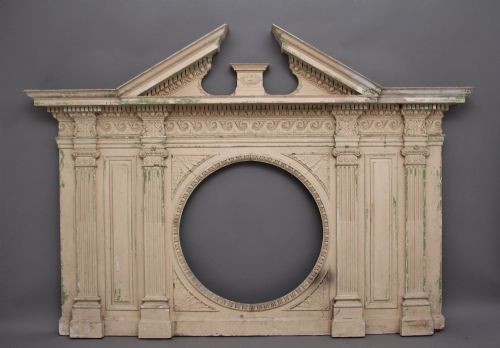
- A decorative panel or structure placed directly above a fireplace mantelpiece. These pieces often feature prominent floral reliefs or architectural framing.
- Relief
- A sculptural technique where the sculpted elements remain attached to a solid background of the same material. High relief projects significantly from the plane, creating deep shadows.
- Architectural salvage
- Building components rescued from demolition or alteration for reuse in interior decoration. This category encompasses church tracery, wall panels, and structural fragments.
Carved Pine Panel: Frequently Asked Questions
How were these panels originally used?
These elements served as structural wall coverings, decorative overmantels, or components within larger ecclesiastical furnishings and church pews.
Over time, many were salvaged from historic buildings to be mounted directly onto walls as standalone works of art.
How do I mount a heavy wooden panel?
Mounting requires securing the weight directly into wall studs using appropriate steel brackets fastened to the rear framing.
Professional installation ensures the historic timber remains stable and protected against warping over time.
Should I strip painted pine panels?
Historic painted and grain-painted surfaces preserve the working life and age of the timber, making preservation the preferred choice for collectors.
Stripping removes these layers of domestic history, exposing raw softwood that lacks the depth of a patinated finish.
How do I distinguish eighteenth and nineteenth century work?
Eighteenth century examples often display hand-sawn board marks and rustic regional joinery associated with country benches and coffers.
Nineteenth century pieces frequently lean into revival aesthetics, showing the precision of Victorian Gothic or Neoclassical machine-assisted preparation alongside hand carving.