




Gothic Church Panel
A gothic church panel brings centuries of architectural heritage and carved timber devotion directly into domestic interiors.
Gothic Church Panel
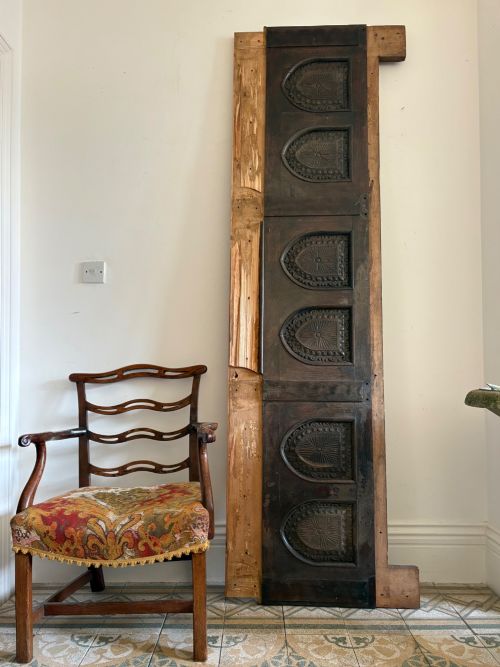
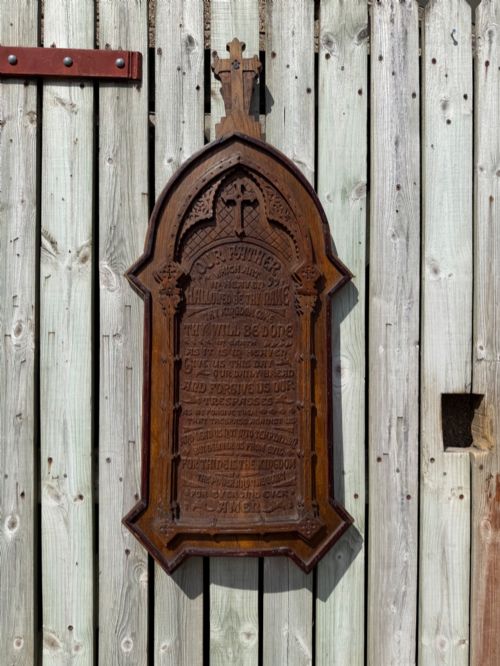
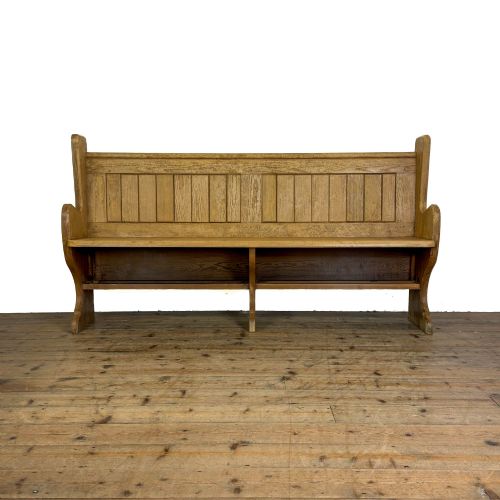
The selection encompasses architectural salvage such as pierced double-sided panels, poppy heads, and carved panels depicting saints, mythical beasts, and Tudor roses. These pieces function as wall-mounted artworks, mirror frames, or architectural insertions within modern properties, preserving the craftsmanship of historic places of worship.
Materials and Construction
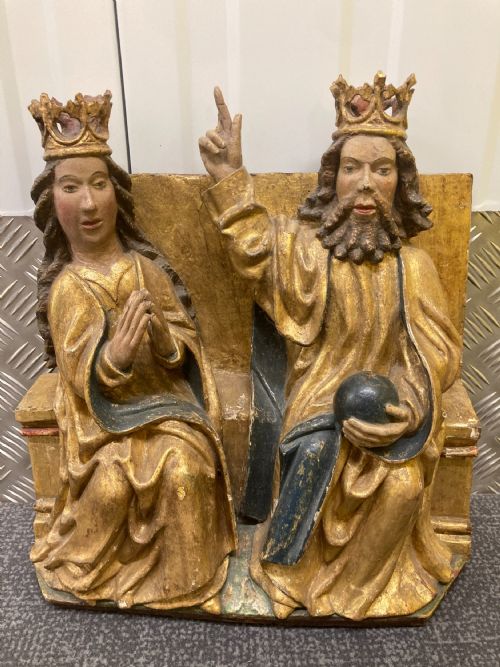
Carpenters utilised dense heartwood timbers, predominantly oak and pine, which were shaped using hand chisels and gouges to achieve high relief and pierced tracery. The physical evidence shows traditional joinery techniques combined with surface treatments including polychrome paint, gold leaf, and wax finishes to enhance the carved details.
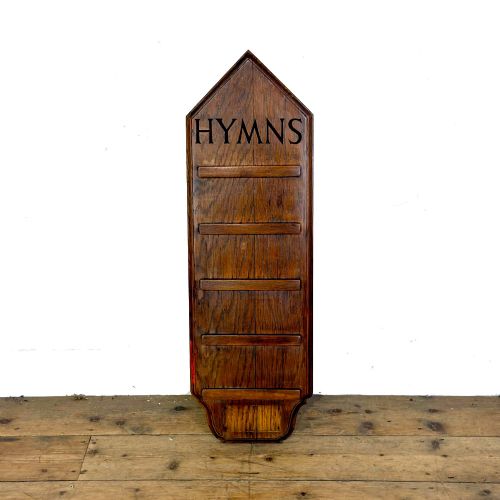
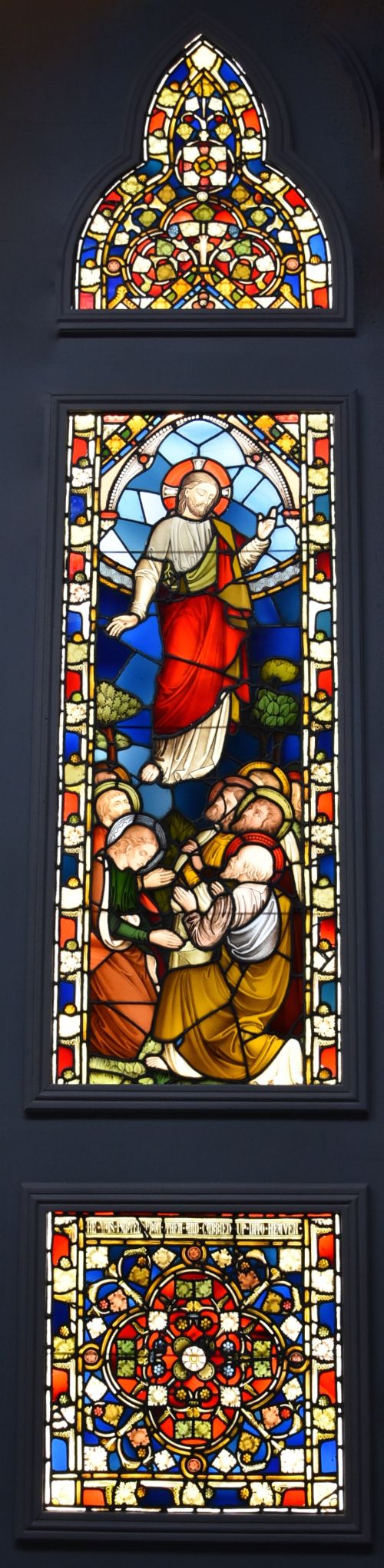
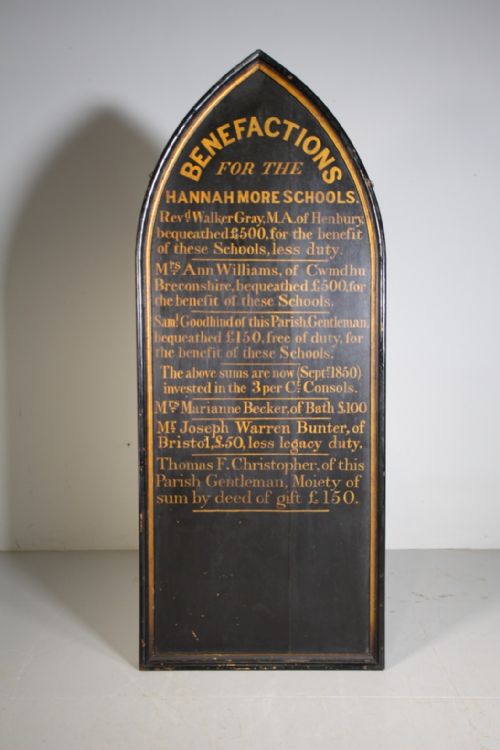
Stained glass and lead came form another prominent material group within these listings, constructing translucent pictorial windows and triptychs. Metal components such as brass brackets and lead framing support the glass panels, while nineteenth-century items often incorporate illuminated text on wooden boards.
Listings feature oak, pine, and lead alongside polychrome paint and gold leaf, spanning the sixteenth to the early twentieth century.
Distinctions in Craftsmanship
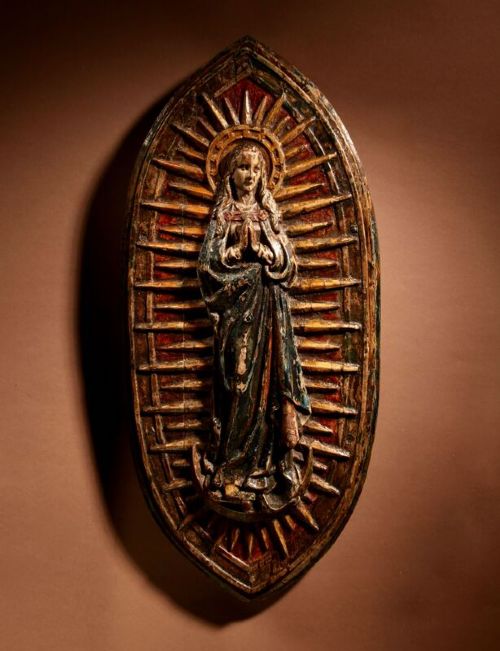
Depth of carving and clarity of theological iconography separate utilitarian pew ends from bespoke altarpiece fragments and sixteenth-century reliefs. Superior examples display crisp undercutting in the tracery and sophisticated anatomical proportions in figural sculptures of saints or angels.
The integrity of the original surface finish, whether remaining polychrome paint, historic gilding, or untainted patinated oak, dictates the grade of the piece. Greater skill is evident where wood carvers manipulated difficult grains to create intricate sunburst bosses or mythical beasts without modern machinery.
The Gothic Church Panel Glossary
- Tracery
- Openwork ornamentation in stone or wood, commonly found in the upper sections of windows, screens, and panels. It creates geometric patterns or pointed arches typical of ecclesiastical architecture.
- Poppy head
- An ornamental carved capping on the top of a bench end or pew in a church. It often takes the shape of a stylised leaf, flower, or heraldic beast.
- Ceiling boss
- A decorative projecting block of wood placed at the intersection of ribs in a vaulted ceiling. They frequently feature carved figures, foliage, or heraldic symbols.
- Giltwood
- Timber that has been coated with a thin layer of gold leaf or gold paint. This technique highlights sacred carvings and reflects candlelight within dim interiors.
- Polychrome
- The practice of decorating architectural elements and sculptures in a variety of bright colours. Historic church panels often retain traces of these original painted pigments.
Gothic Church Panel: Frequently Asked Questions
How do I hang a heavy oak panel?
Heavy carved timber panels require secure French cleats or structural wall anchors fixed directly into masonry or wall studs to support the substantial weight of old oak.
Professional installation ensures the historic woodwork remains stable without placing undue stress on original joints or ancient frames.
What is a tin tabernacle panel?
Tin tabernacles were prefabricated corrugated iron churches erected during the nineteenth century to serve growing congregations in rapidly expanding parishes.
Panels originating from these structures often feature illuminated religious texts or simpler decorative timber framing compared to medieval stone cathedrals.
How can I tell sixteenth century from nineteenth century?
Sixteenth-century carvings exhibit deep tool marks, heavy patination, and distinct regional gothic motifs associated with early liturgical commissions and altarpieces.
Nineteenth-century Gothic Revival pieces often display machine-assisted precision, lighter pine or oak substrates, and revivals of medieval iconography produced during Victorian restorations.
Where were these panels positioned in churches?
Ecclesiastical panels occupied various structural roles, from solid oak pew ends and screen partitions dividing the nave from the chancel to ceiling bosses and altarpiece wings.
Each placement dictated the scale and subject matter of the carving, with high-status panels reserved for sanctuaries and altars.