
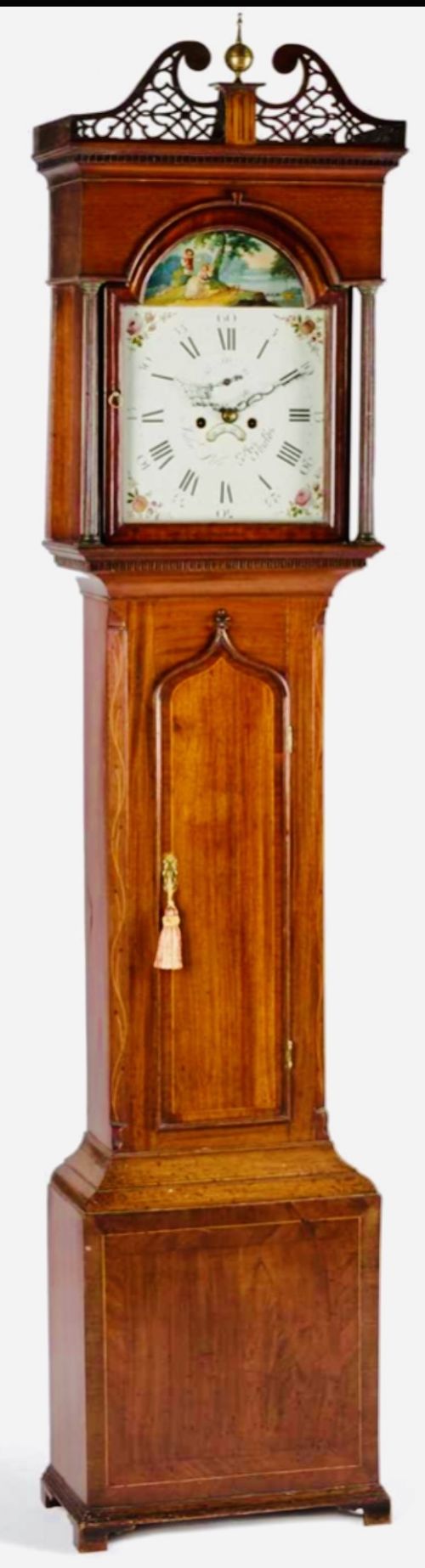
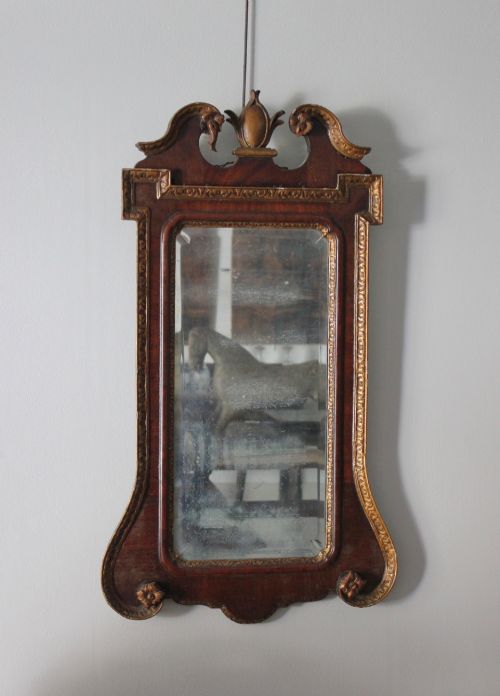
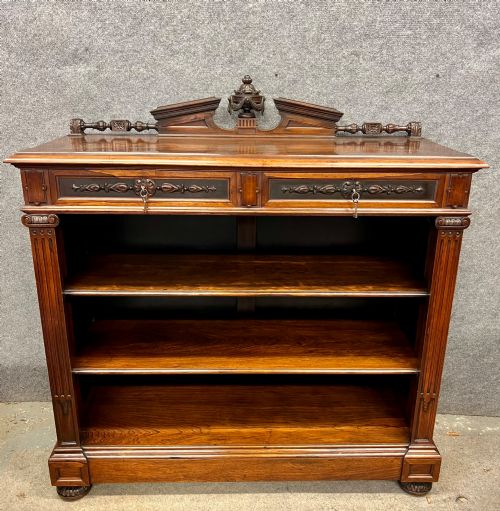
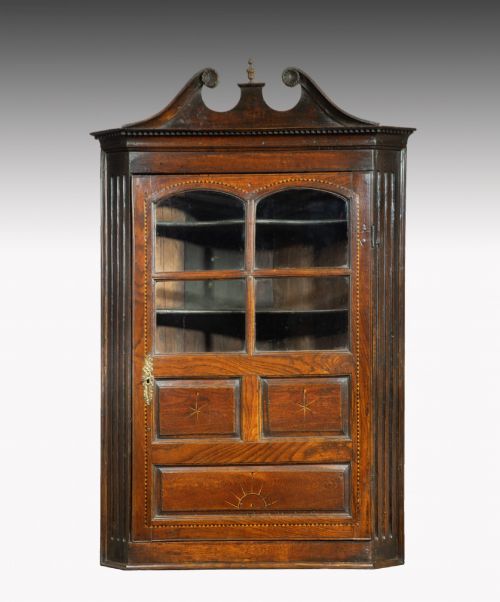
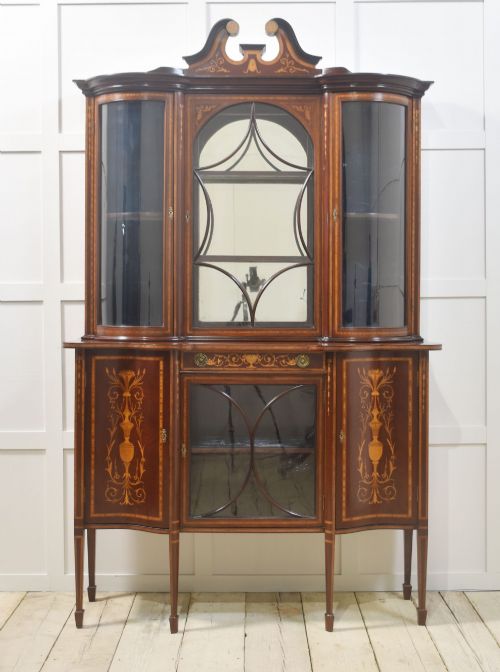
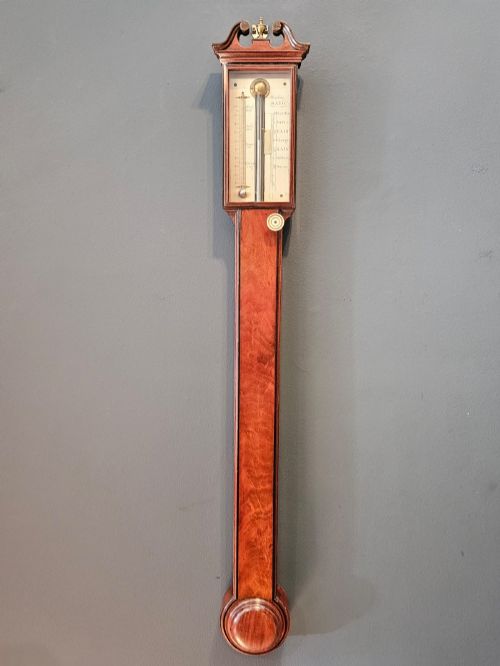


Brown Wood Pediment
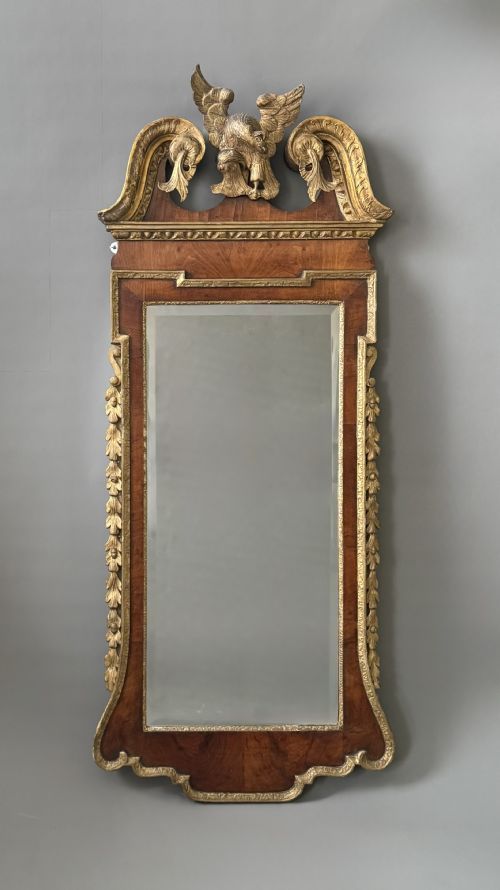
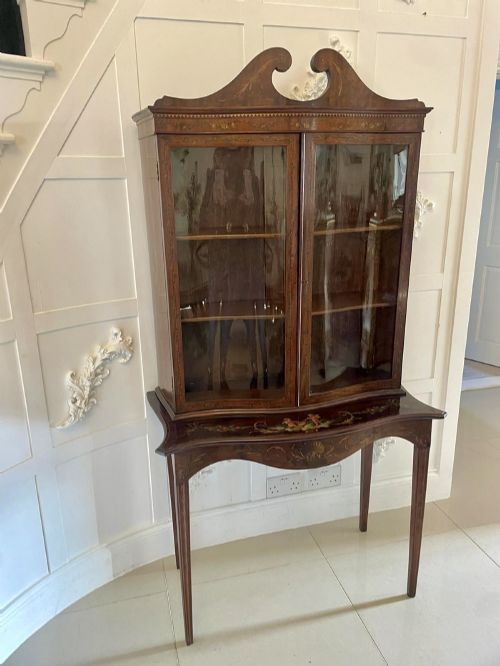
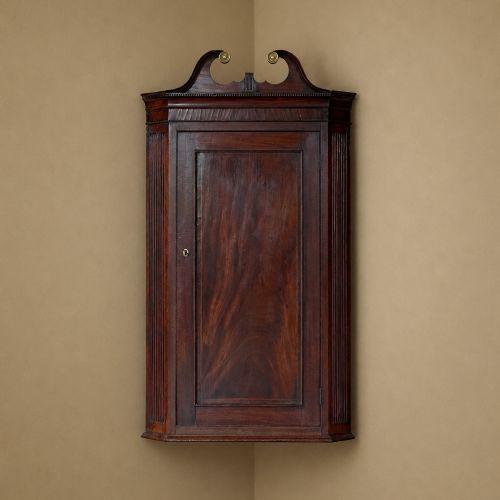
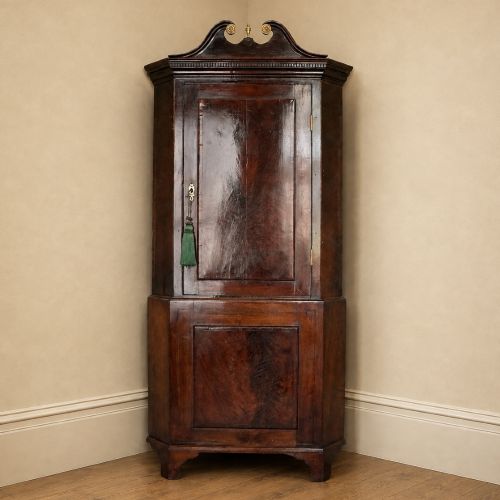
These brown wood pediment pieces are architectural elements and furniture tops shaped in mahogany, oak, and walnut from Georgian, Victorian, and earlier periods.
Brown Wood Pediment
A brown wood pediment brings architectural structure and period form into a room, often appearing on tall furniture pieces or as overdoor decorative elements. The selection includes architectural salvage elements alongside components from longcase clocks, bookcases, and wall mirrors dating from the seventeenth century through to the Edwardian era.
Buyers seeking this specific search phrase generally encounter wooden architectural ornaments and cabinet tops constructed from dense hardwoods like mahogany and oak. These elements reflect distinct historical styles including George II, George III, and Victorian designs.
The objects span from standard domestic joinery to decorative carvings featuring flame mahogany and inlay work. Such items serve both functional framing purposes and decorative architectural statements.
What varies in quality
Quality differences stem from the selection of timber figure, such as the depth and movement in flame mahogany or burr walnut veneers. Superior pieces exhibit crisp, hand-carved mouldings and precise inlay work rather than mechanical uniformity.
The integrity of the original wood finish and the presence of period glass plates or original brass fixings heavily influence the standing of an individual piece. Finer examples retain their original structural joinery without excessive modern intervention.
Matt Wylie Paisley·Hay Wolverhampton·W Prior Skipton
The Brown Wood Pediment Glossary
- Pediment
- A triangular or curved architectural crowning feature placed above doors, windows, or furniture pieces. It serves to draw the eye upward and finishes the composition of a case piece.
- Flame mahogany
- A highly figured tropical hardwood veneer exhibiting flame-like patterns. Cabinetmakers utilised this timber on prominent surfaces of high-status furniture during the Georgian and Victorian periods.
- Marquetry
- Decorative veneer work forming pictures or geometric patterns using various coloured woods. Craftsmen carefully cut and fitted these thin wood sections into the primary carcase.
- Parcel gilt
- Partially gilded surfaces where gold leaf highlights specific carved details against a wood background. This technique adds contrast and luminance to walnut and other dark timbers.
- Architectural salvage
- Building elements rescued from older structures for reuse in interior decoration or restoration. These items preserve historical craftsmanship and specific period proportions.
Brown Wood Pediment: Frequently Asked Questions
What is a brown wood pediment used for?
These pieces function primarily as decorative architectural crowns above doorways or as upper structural components on large case furniture like bookcases and longcase clocks.
They provide a finished architectural proportion to joinery projects and period interior restorations.
How do I identify Georgian timber types?
Georgian makers relied heavily on dense hardwoods like mahogany, oak, and walnut, often selecting highly figured veneers for primary display surfaces.
Examination of the grain patterns and the weight of the timber typically reveals whether the piece utilises solid stock or applied veneers.
Are these architectural pieces original?
The inventory contains authentic period elements ranging from seventeenth-century carvings to Victorian architectural salvage and Edwardian cabinet components.
Each item reflects the specific joinery methods and material availability of its respective era of manufacture.
How should I clean antique wood?
Maintenance requires gentle dusting with a dry, soft cloth to prevent accumulation without damaging historical polished finishes or dry timber surfaces.
Harsh chemical cleaners and excessive moisture must be avoided to preserve the integrity of the original wood and any applied gilding.