


Antique Wooden Overdoor
An antique wooden overdoor brings architectural presence to a room, framing a passage with carved detail and centuries of character.
Antique Wooden Overdoor
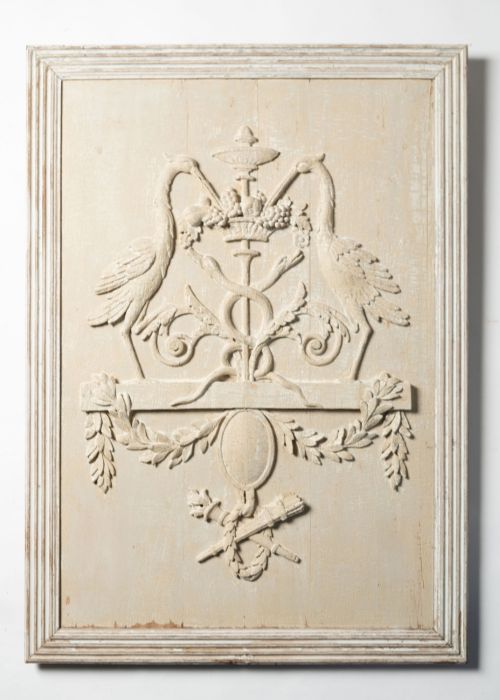
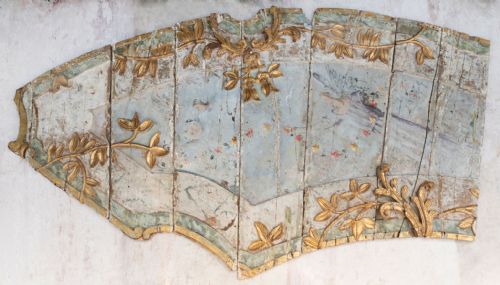
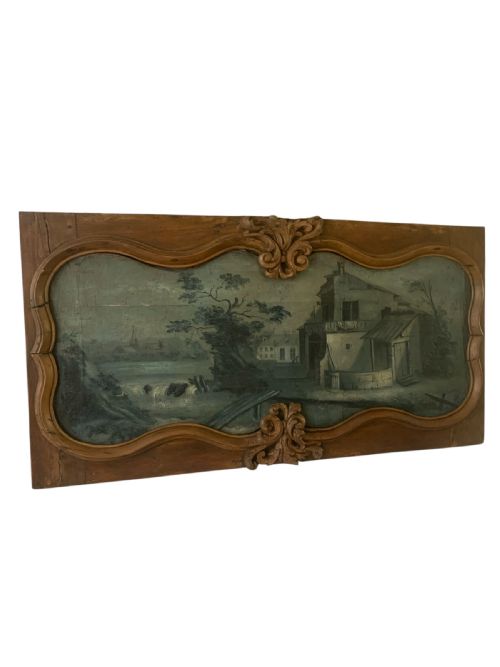
An antique wooden overdoor is a substantial architectural element designed to sit directly above a doorway, creating a focal point in a high-ceilinged room. These pieces range from simple pediments and shelves to elaborate carved panels depicting figures, foliage, and scenes.
The selections available here span several centuries, drawing heavily from French and Italian traditions as well as English cabinetmaking. Buyers encounter carved oak, walnut, and painted surfaces that reflect specific historical periods from the seventeenth century to the early twentieth century.
Many of these items function effectively as wall art or wall reliefs when removed from their original architectural context. The forms include architectural salvage, pediments, pelmets, and decorative panels suited for modern interior display.
What varies in quality
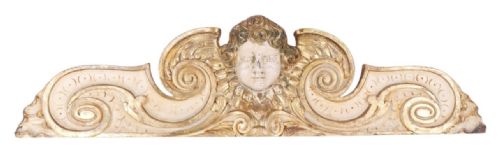
Depth and crispness of the carving distinguish finer examples from simpler work, with master carvers achieving realistic anatomy and fluid drapery in figures like cherubs. The skill of the hand behind the chisel determines whether foliage and scrolls appear lifelike or stiff.
The choice of primary timber and the integrity of the original surface finish affect the character and longevity of the piece. Intact periods of gold leaf, silver leaf, or early paint layers contribute significantly to the visual weight and authenticity of the object.
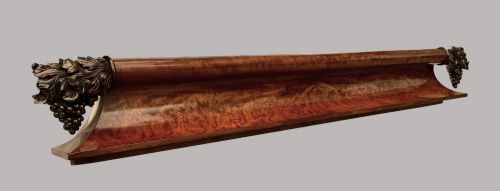
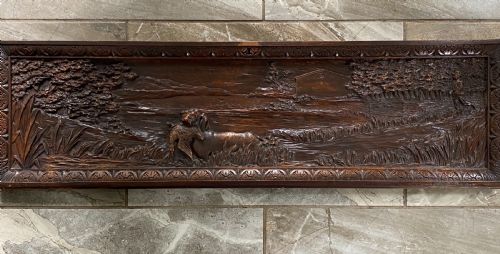
Object types range from architectural salvage and wall reliefs to pelmets, pediments, and Black Forest dog hunting panels.
Edward Pearce
The Antique Wooden Overdoor Glossary
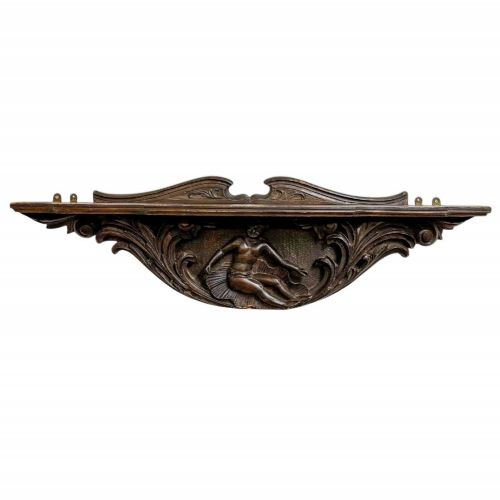
- Pelmet
- A decorative framework designed to conceal the fixings above a window or door opening. These wooden pelmets often double as ornate overdoor panels.
- Gesso
- A plaster-like mixture applied to wood as a base for paint or gold leaf gilding. It allows for sharp, moulded surface details that contrast with the raw timber.
- Marquetry
- The art of applying pieces of veneer to a structure to form decorative patterns and pictures. This technique appears on selected panels from the twentieth century.
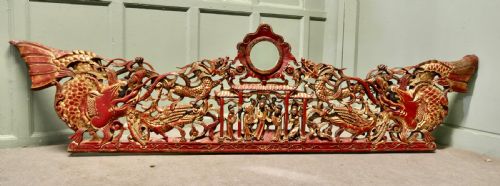
- Chinoiserie
- European interpretations of Chinese and East Asian artistic traditions, popular in decorative panels and pediments. This style incorporates motifs of temples, landscapes, and figures.
Antique Wooden Overdoor: Frequently Asked Questions
How do I hang an antique overdoor?
Most pieces require sturdy wall anchors and brackets due to the substantial weight of solid hardwoods like oak and walnut. Consult a professional installer to ensure the wall structure safely supports the specific dimensions of the panel.
Position the piece at a height that mirrors its original architectural context above a doorway or as a standalone wall relief.
Can these be used outside?
These items were designed for interior architectural use and lack weatherproof sealants. Exposure to moisture and temperature fluctuations will damage the wood, gesso, and historical paint.
Keep them in climate-controlled indoor spaces to preserve the integrity of the timber and surface decoration.
How do I clean a carved wooden panel?
Dust the carvings gently with a soft, dry brush to prevent debris from settling in the deep recesses. Avoid liquid cleaners, modern polishes, and water, which can strip aged finishes and antique paint.
Test any conservation methods carefully or consult a professional restorer if the surface requires deeper attention.
What is the difference between a pediment and a pelmet?
A pediment is a structural architectural crown, often triangular or arched, designed to sit firmly atop an opening. A pelmet is typically a flat or shaped horizontal board that runs above a door or window.
Both serve decorative purposes in interior spaces but originate from slightly different joinery traditions.
How can I tell the period of the wood?
Examine the tool marks, joinery methods, and wood species used in the construction of the panel. Oak and walnut were favored in earlier centuries, while later pieces might feature mahogany or applied veneers.
Patina, wear patterns, and the composition of underlying gesso or paint layers also offer clues to the age of the item.