


Heavy Oak Storage Chest
A heavy oak storage chest offers sturdy utility and timeless presence, built from durable timber and fortified with metal to secure valuables.
Heavy Oak Storage Chest
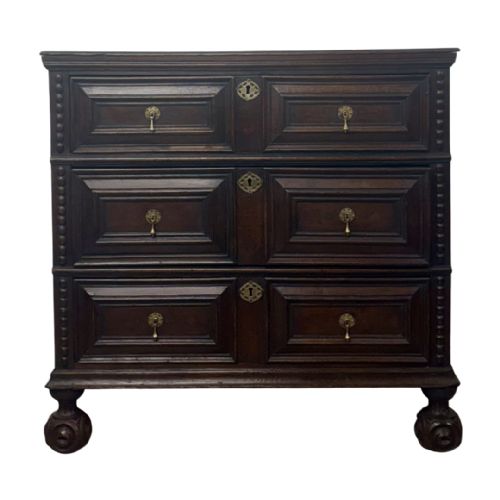
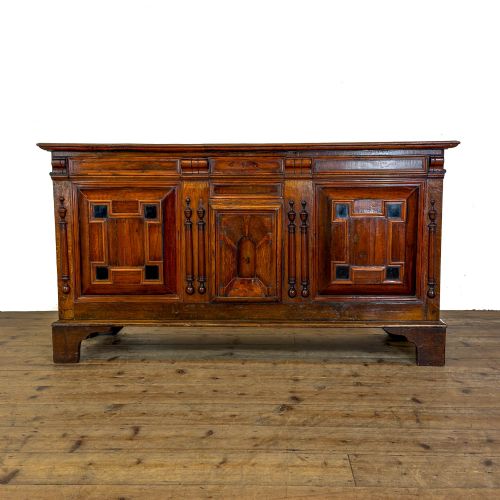
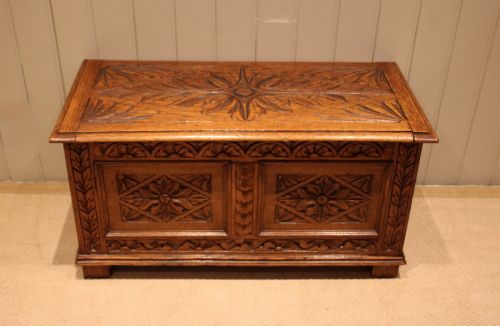
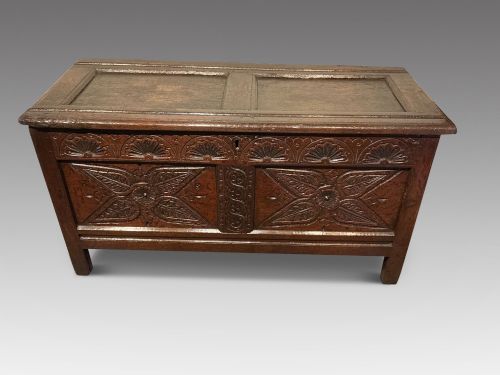
When you search for a heavy oak storage chest, you encounter robust receptacles designed for security, travel, and domestic storage across multiple centuries. These pieces range from primitive panelled coffers of the sixteenth and seventeenth centuries to iron-bound Victorian travelling silver chests.
You are most likely to meet nineteenth-century oak silver chests and trunks fitted with iron bands, alongside earlier carved coffers and occasional twentieth-century filing cabinets. They function equally well as low tables, blanket storage, or striking focal points in a modern room.
How they were made
Joiners and cabinetmakers constructed these pieces primarily from solid oak, sometimes utilising ebonised wood for contrast or decorative effect. Boards were joined using traditional framing techniques and reinforced with heavy iron, steel, or wrought iron bands to withstand rigorous transport.
Hardware played a functional and structural role, with cast iron brackets, brass fittings, and drop handles securing lids and corners. Internal linings of baize or fabric often protected silver and valuables during transit.
Listings span from the 16th century through the Victorian era, utilising solid oak, wrought iron, brass, and ebonised wood.
What varies in quality
The distinction between ordinary utility boxes and superior examples lies in the integrity of the timber, the weight of the metal reinforcement, and the precision of the joinery. Early carved panels show depth and hand-tool work that elevates a simple box into a work of art.
Original ironwork, maker inscriptions, and untouched interior linings carry greater weight than replaced hardware or stripped surfaces. The proportional balance between the heavy oak body and its metal banding dictates the visual success of the piece.
The Heavy Oak Storage Chest Glossary
- Coffer
- A traditional chest, usually with a hinged lid, used historically for storing valuables, documents, or textiles. These pieces often feature pegged frame-and-panel construction.
- Silver chest
- A specialised storage trunk reinforced with iron or steel bands, designed to transport and safeguard domestic silver collections. They frequently include fitted internal trays and brass carrying handles.
- Iron bound
- Describes a wooden chest secured with exterior bands, straps, or brackets of iron or steel. This reinforcement provided structural rigidity and security during shipping.
Heavy Oak Storage Chest: Frequently Asked Questions
How do I date an oak chest?
Dating relies on observing construction methods, hinge types, and stylistic motifs carved into the oak. Earlier pieces from the sixteenth and seventeenth centuries utilise hand-rived boards and pegged joints, whereas nineteenth-century examples feature machine-cut elements and heavy metal banding.
Hardware such as locks, handles, and hinges also provides chronological clues. Original ironwork and locks match the prevailing manufacturing techniques of their specific period.
Were all silver chests made for travel?
Most iron-bound silver chests served as travelling trunks for country houses, transporting valuable tableware between London residences and rural estates. Their robust oak construction and metal bands protected contents during carriage or shipping.
Some remained stationary in strongrooms or country house pantries. Fitted interiors with baize-lined compartments indicate dedicated use for specific silver services.
How do I care for heavy oak furniture?
Maintain oak surfaces by applying occasional beeswax to nourish the timber and prevent drying. Avoid placing chests near direct heat sources or in fluctuating humidity to protect the wood and metal components.
Keep iron bands clean and dry to prevent surface oxidation. Gentle dusting with a soft cloth preserves the natural patina accumulated over centuries of use.
Can I use a coffer as a coffee table?
Flat-topped coffers and storage chests make excellent coffee tables, providing a stable surface alongside substantial internal storage. Their low profile and durable oak tops withstand daily living requirements.
Ensure the height matches your seating and check that the lid opens cleanly if you plan to use the storage space regularly. Placing felt pads underneath prevents movement on hard floors.