

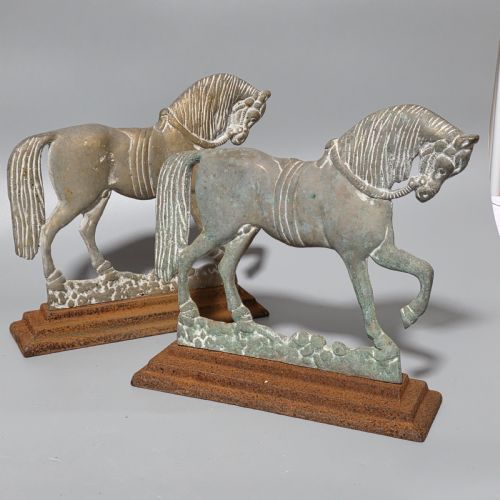


Heavy Brass Door Porter
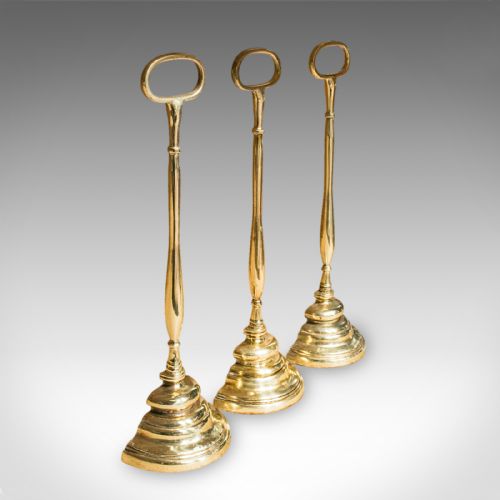
A heavy brass door porter holds stubborn doors open with substantial weight and distinct character.
Heavy Brass Door Porter
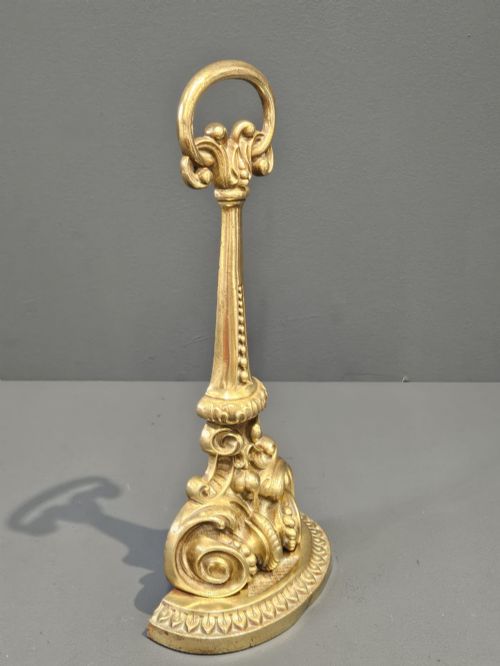
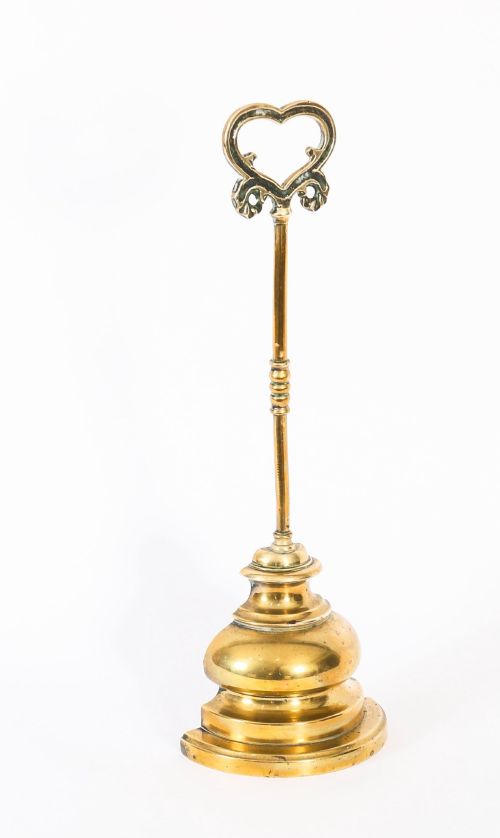
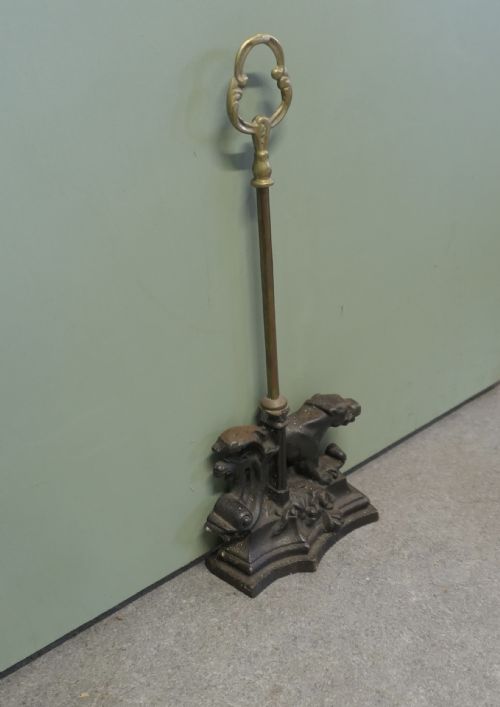
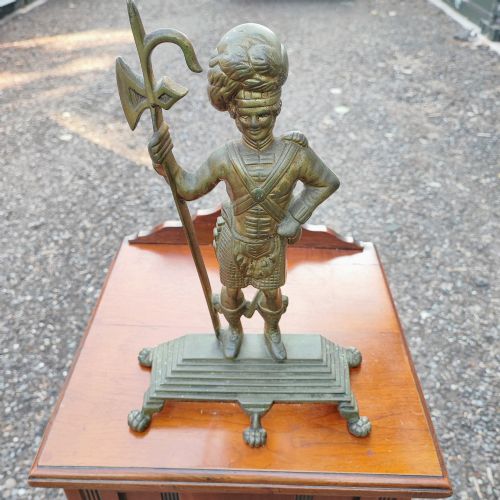
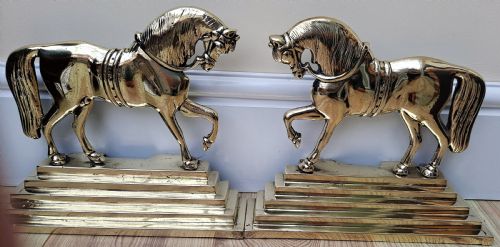
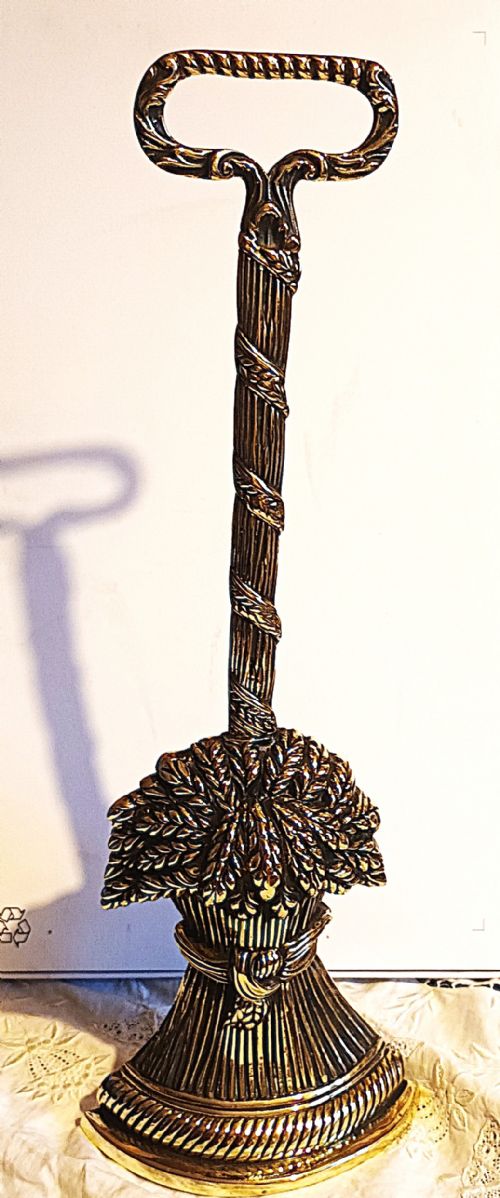
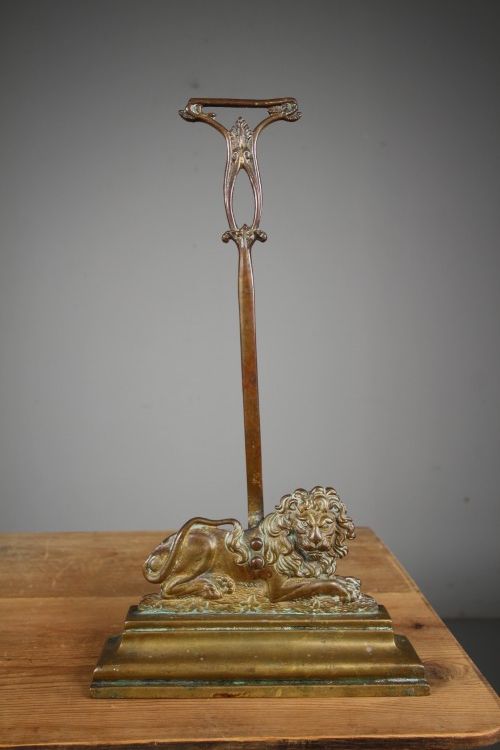
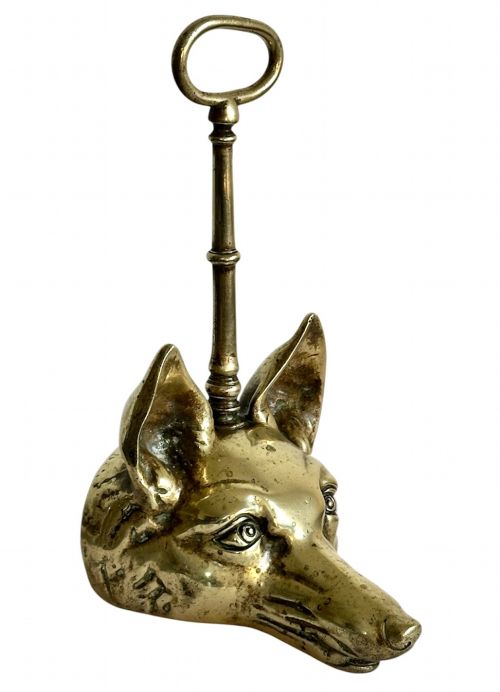
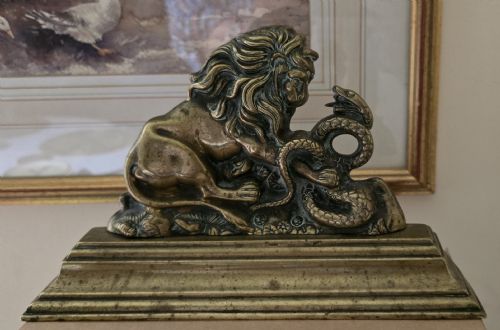
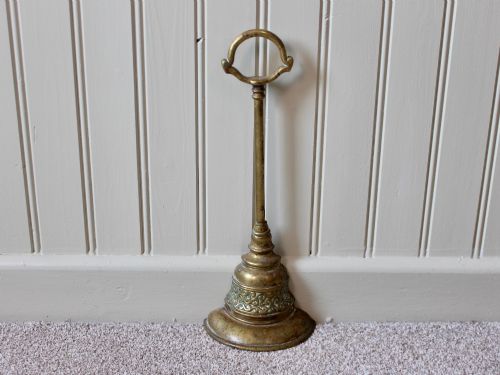
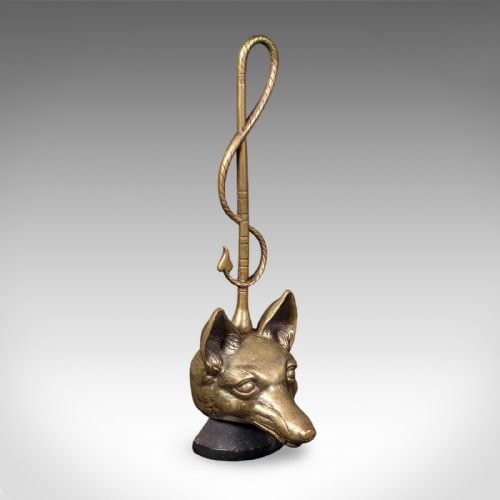
A heavy brass door porter is a functional item designed to keep interior doors open against drafts. The heavy brass door porter most frequently met on this page dates from the nineteenth century, including Victorian and Georgian periods. These pieces take various forms, from heraldic animals and figures to chimneypiece horses.
Makers and foundries produced these heavy brass door porters in England and the Netherlands, utilising durable metals to withstand daily household use. Collectors encounter items shaped like lions, foxes, soldiers, and cherubs alongside classic cast designs. Each heavy brass door porter combines domestic utility with decorative presence in a traditional setting.
What varies in quality
The choice of materials and the presence of makers' marks or specific foundry attributions elevate certain pieces above standard utilitarian items. Weight distribution and overall proportion also influence the desirability of each example.
Mr Punch makes regular appearances on nineteenth-century floors, keeping stubborn doors open with a grin.
Tonks·William Tonks·William Tonks & Sons
The Heavy Brass Door Porter Glossary
- Door porter
- A heavy movable weight placed against a door to prevent it from closing. These items share a function with doorstops.
- Cast brass
- An alloy of copper and zinc poured into a mould to form solid decorative objects. This material provides durability and a bright golden appearance.
- Chimney horse
- A specific nineteenth-century doorstop design shaped like a horse, often associated with English country houses. These pieces frequently appear in pairs.
- Foundry
- A workshop or factory where metal is melted and poured into moulds. Maker attributions often link specific pieces to known nineteenth-century foundries.
Heavy Brass Door Porter: Frequently Asked Questions
How heavy are brass door porters?
These pieces possess substantial weight, often several kilograms, designed specifically to hold open heavy interior doors against strong draughts.
Foundries achieved this mass through solid brass casting and the inclusion of internal iron or lead weighting.
Where were door porters placed?
Households positioned them directly on the floor near interior doors in hallways, reception rooms, and country house corridors.
They stood ready to catch the door and keep it fixed in an open position during daily use.
How do I date a brass door porter?
Dating relies on stylistic clues, historical motifs, and the specific casting techniques used during periods like the Georgian and Victorian eras.
Evidence from nineteenth-century manufacturing shows distinct figural trends and foundry marks that help place an item in time.
Are door porters and doorstops the same?
The terms are frequently used interchangeably to describe heavy objects that keep doors from swinging shut.
Both items serve the same domestic purpose, though porters often feature a handle or taller profile for easy movement.