




Hearth Log Supports
Hearth log supports hold fuel safely above the hearth floor to improve airflow.
Hearth Log Supports
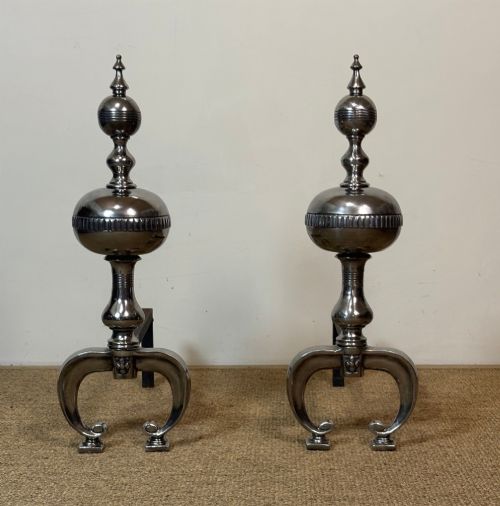
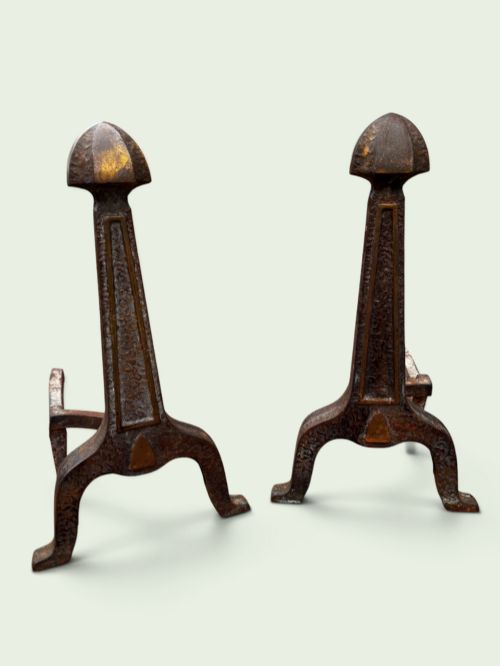
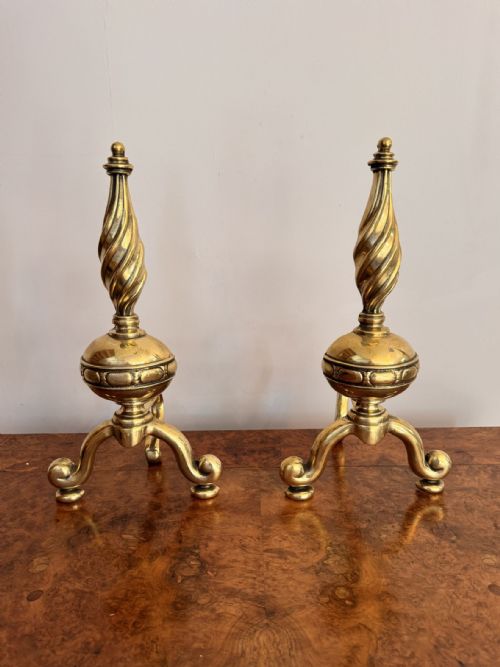
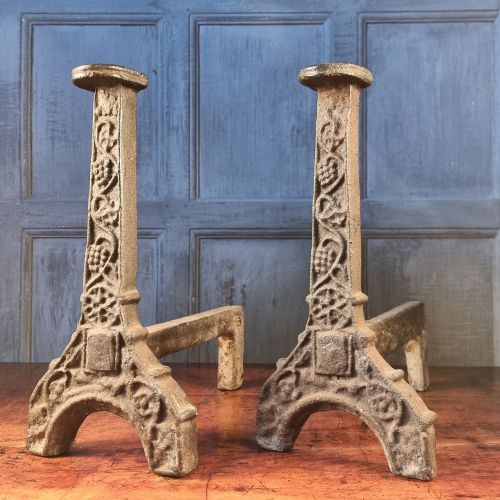
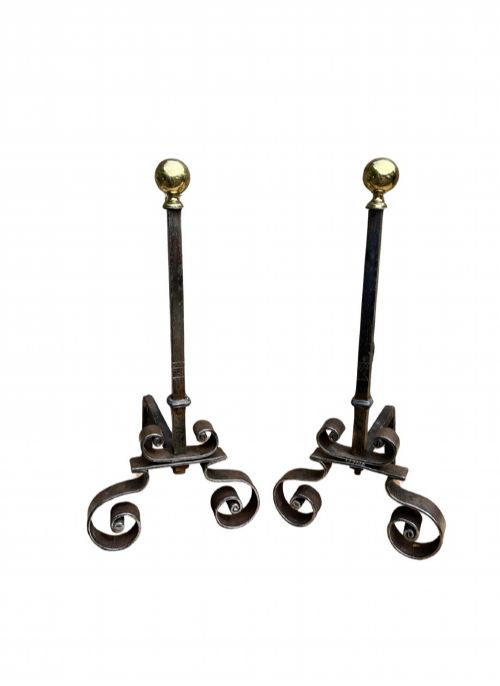
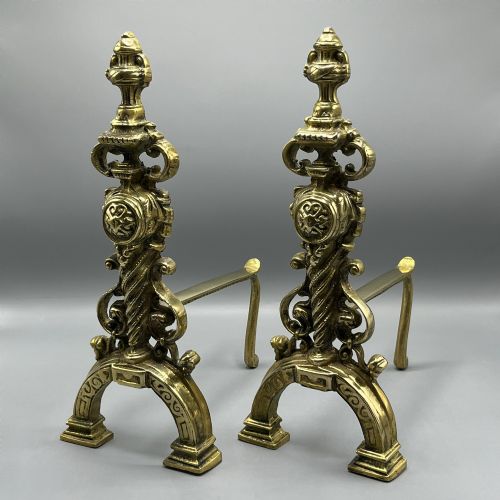
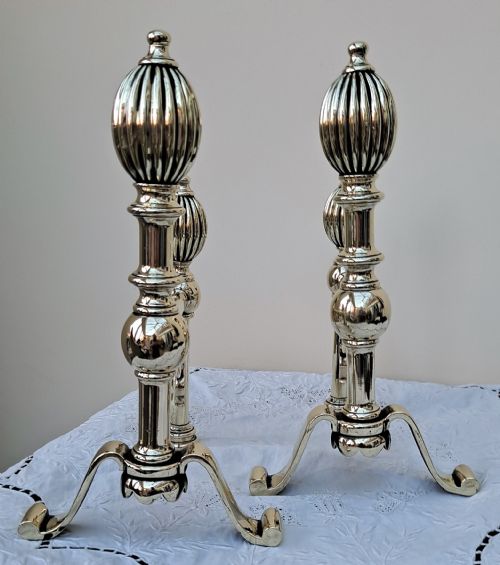
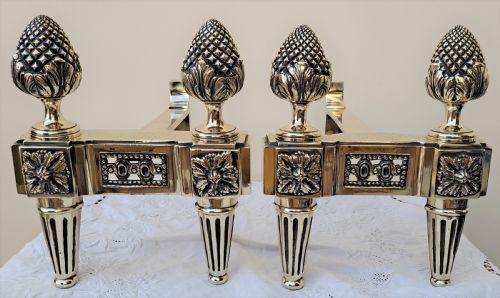
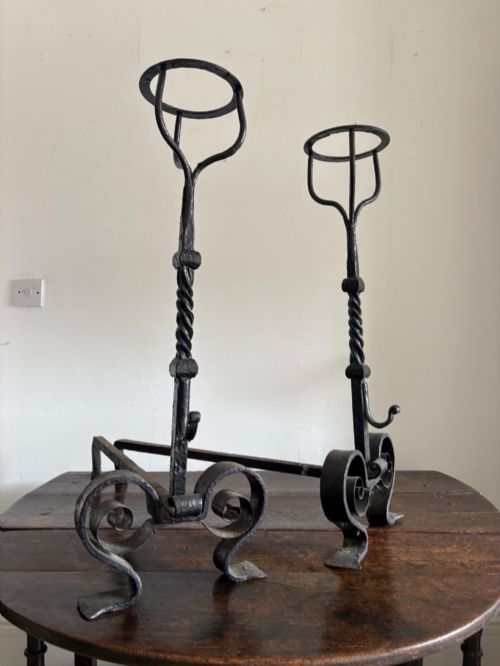
Hearth log supports, commonly encountered as andirons or firedogs, serve to cradle wood above the grate or floor. These items appear across various periods including the sixteenth century, the Georgian era, and the Victorian epoch.
The material selection ranges from cast iron and wrought iron to brass, steel, copper, and bronze. Forms span simple utilitarian items to ornate figural pieces and architectural revivals.
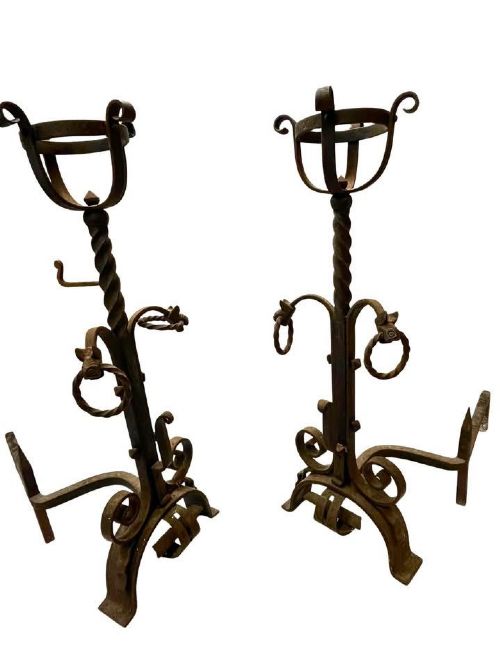
English and French examples dominate the selection, often taking the form of matched pairs designed to sit on either side of the fireplace opening. Some variants incorporate tool rests or unusual adaptations like planters.
Materials and construction methods
Blacksmiths forged early hearth log supports from wrought iron and steel, hammering the hot metal into shape by hand. Later production utilised cast iron and bronze, allowing makers to pour molten metal into intricate moulds.
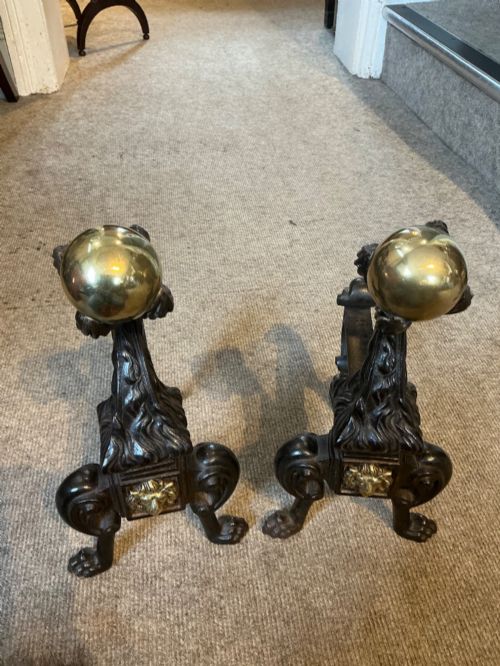
Brass elements were frequently cast and then polished, sometimes combined with iron bars to provide structural strength for heavy logs. Surface finishes range from natural dark patination on iron to bright gilt or bronzed treatments on brass.
Hearth Log Supports Retail Price Guide 2026
Typical asking prices for hearth log supports among the pieces listed under this phrase on Sellingantiques today, from the lower quarter to the upper quarter. They describe what is for sale here now, not the wider market.
A few unexpected pairs double as planters, proving that even heavy ironwork can learn to grow things.
Assessing quality in hearth supports
The standard of design and metalworking defines the distinction between standard utilitarian items and superior examples. Heavier gauge metals, substantial scale, and crispness in cast ornament separate ordinary pieces from monumental works.
Hand-finished details, such as precise joinery in wrought iron or finely chased surfaces on brass and bronze, indicate superior craftsmanship. The integrity of the matching pair, preserving original components without later replacements, underpins desirability.
The Hearth Log Supports Glossary
- Andiron
- A metal support used to hold logs in an open fireplace. They typically consist of a horizontal bar with an upright decorative front.
- Firedog
- An alternative term for an andiron, originating from medieval hearth equipment. These supports often feature ornamental terminals facing the room.
- Wrought iron
- Iron that has been heated and hammered into shape by a blacksmith. It is distinguished by its fibrous texture and resilience.
- Cast iron
- Iron poured into a mould to form solid shapes. This technique allowed makers to produce repeated decorative patterns with ease.
- Tool rest
- A specific bracket or attachment incorporated into hearth furniture to hold fireside implements. They keep pokers and tongs close to hand.
Hearth Log Supports: Frequently Asked Questions
What are hearth log supports used for?
These metal supports elevate firewood off the bottom of the fireplace. Raising the logs permits air to circulate underneath, which helps the fire burn more efficiently.
Beyond utility, matched pairs served a decorative role in the principal rooms of historic houses. They often coordinated with other fireside accessories like fenders and tool sets.
How do I date a pair of andirons?
Dating relies on stylistic clues and manufacturing methods visible on the metal. Sixteenth and seventeenth-century pieces display heavy cast iron work, while Georgian and Victorian examples frequently utilise polished brass.
Construction marks also provide evidence of age. Hand-forged iron shows hammer marks from blacksmithing, whereas later industrial pieces display cleaner mould seams.
Are these supports suitable for modern fires?
Many antique iron and steel supports remain robust enough for regular use in open hearths. Solid construction allows them to bear the weight of heavy logs without failing.
Brass and bronze examples require more careful consideration due to the risk of heat damage to delicate surface finishes. Some owners prefer to place them in decorative hearth settings rather than active fires.
What is the difference between andirons and fire dogs?
The terms are generally used interchangeably to describe the same category of hearth furniture. Regional preferences and historical periods dictated which word appeared in inventories and descriptions.
Both terms refer to paired metal stands placed inside the fireplace opening. They share the same structural purpose of supporting fuel above the hearth.