


Heals of London
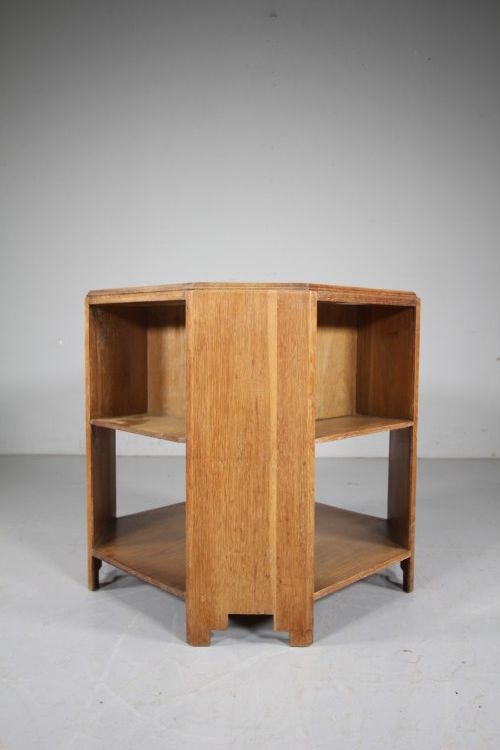
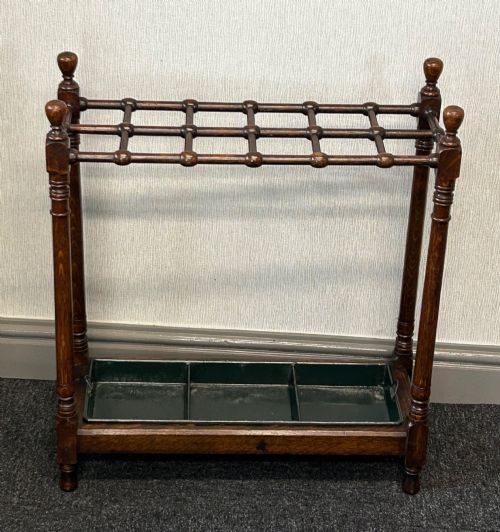
Heals of London furniture embodies functional British design and sturdy craftsmanship, making these pieces essential for collectors of Arts and Crafts and Art Deco interiors.
Heals of London
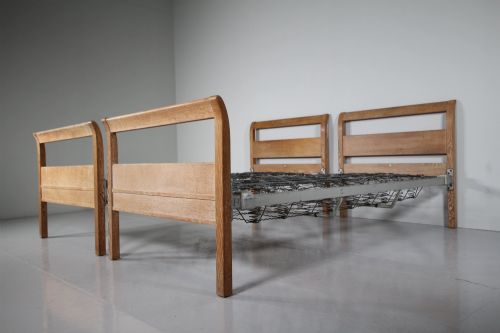
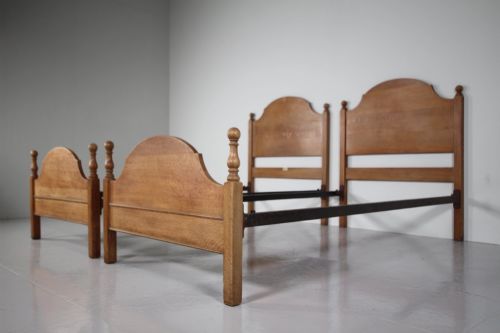
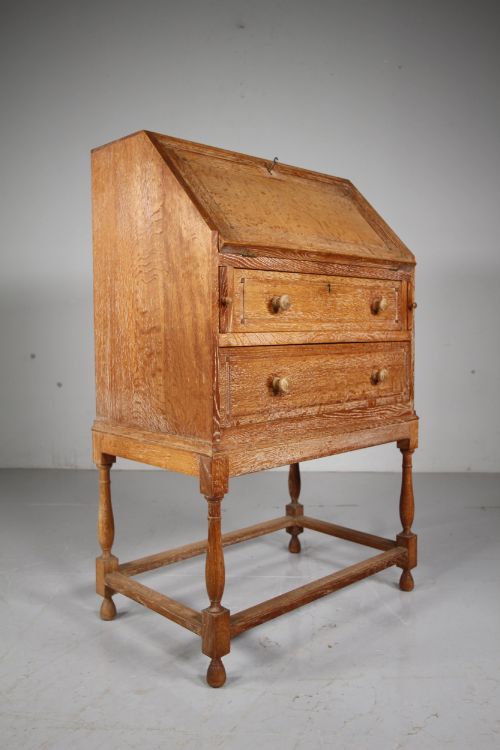
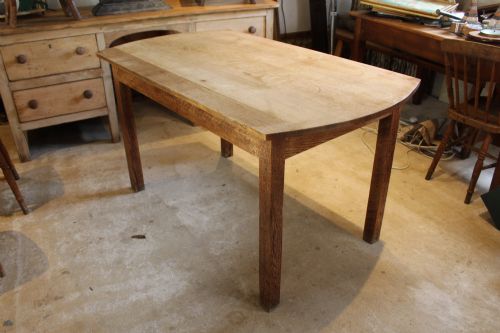
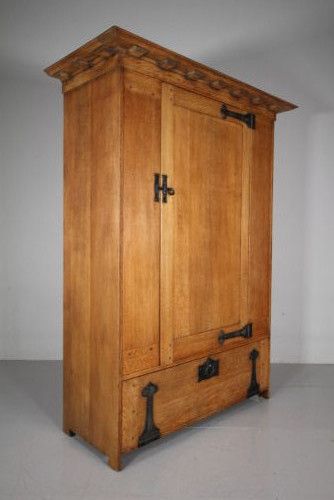
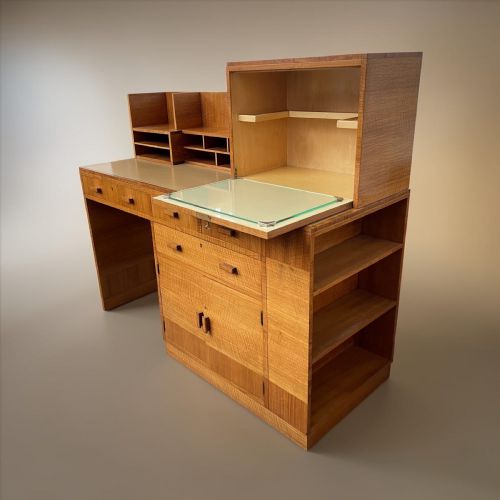
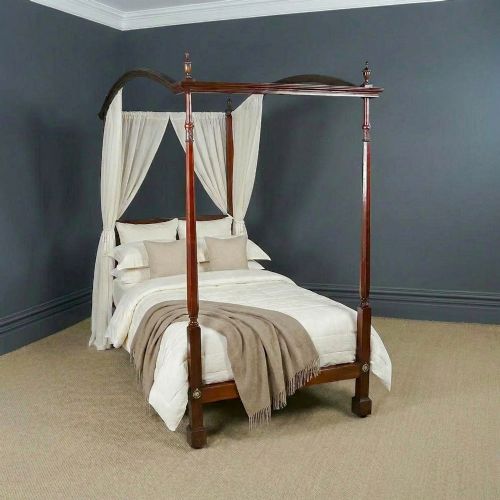
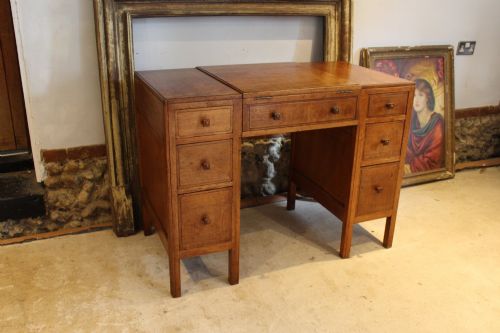
When you search for heals of london, you find domestic furniture spanning from the nineteenth century through the Edwardian period and into the 1920s and 1930s. The selection includes substantial items for the bedroom and living spaces, such as beds, wardrobes, writing desks, dining tables, and sideboards.
You are most likely to meet solid oak furniture representing the Arts and Crafts movement or later Art Deco designs. Pieces range from plain utility items to labelled workshop productions bearing stamps or paper tags.
How they were made
Makers utilised timber such as oak, walnut, teak, and mahogany, often applying limed finishes to highlight the grain of the wood. Metal hardware, iron details, glass mirrors, leather panels, and rush seating completed the structural construction of chairs, cabinets, and beds.
Cabinetmakers combined traditional joinery with clean architectural lines, avoiding excessive ornamentation in favour of honest material expression. Workshop methods prioritized utility and proportion, whether producing a simple stool or a complex four-poster bed.
An owl cabinet stands ready to guard your stationery.
What varies in quality
The distinction between standard commercial output and superior workshop production rests upon timber selection and the presence of original makers' marks. Pieces stamped into the wood or retaining paper labels command greater interest than unmarked items attributed through style alone.
Design ambition separates basic utility items from exceptional commissions, with distinctive models like the Odeon wardrobe or St Ives cabinets showing finer attention to detail. The integration of secondary materials, such as elm or satin birchwood, alters the visual weight and finish of individual forms.
Heal and Sons·Reynolds
The Heals of London Glossary
- Limed oak
- Timber treated with a specialised pigment finish to create a pale, weathered appearance that accentuates the open grain of the wood. This treatment was popular during the early twentieth century for modern domestic interiors.
- Arts and Crafts
- A design movement emphasising simple forms, local materials, and traditional craftsmanship over industrial mass production. Furniture in this style prioritises structural honesty and functional utility.
- Art Deco
- A twentieth-century style characterised by sleek geometric shapes, streamlined silhouettes, and modern materials. Pieces from this era often utilise walnut, satin birch, and striking symmetry.
- Refectory table
- A long, narrow dining table traditionally supported by heavy legs connected with a central stretcher. Examples found here are typically constructed from solid oak.
- Bureau
- A writing desk featuring a sloping hinged lid that opens to reveal internal compartments and pigeonholes. These items combine storage drawers with a compact workspace.
Heals of London: Frequently Asked Questions
How do I identify genuine pieces?
Look for physical maker marks, including paper labels, stamps directly into the timber, or branded signatures located inside drawers and along the underside of furniture.
Comparison with documented workshop models and construction methods helps verify attribution when explicit marks are absent.
What periods do these items cover?
The available selection spans from nineteenth-century productions through Edwardian designs up to pieces manufactured across the 1920s and 1930s.
Earlier items align with traditional Arts and Crafts ideals, while later examples incorporate Art Deco influences.
Are these items made from solid wood?
Construction primarily relies on hardwoods such as oak, walnut, teak, and mahogany, supplemented by secondary timbers like elm and pine in internal components.
Finishes range from natural oiled surfaces to limed treatments and polished veneers on select Art Deco desks and wardrobes.
How should I care for oak furniture?
Maintain timber surfaces by dusting with a dry cloth and avoiding excessive moisture or direct sunlight that might dry out the wood.
Preserve original polishes and wax finishes using traditional furniture care products suitable for antique hardwoods.