
Antique Pair of Beds
When searching for an antique pair of beds, you uncover matching sleeping frames designed for symmetrical bedroom layouts, primarily spanning the Victorian, Edwardian and early twentieth-century periods.
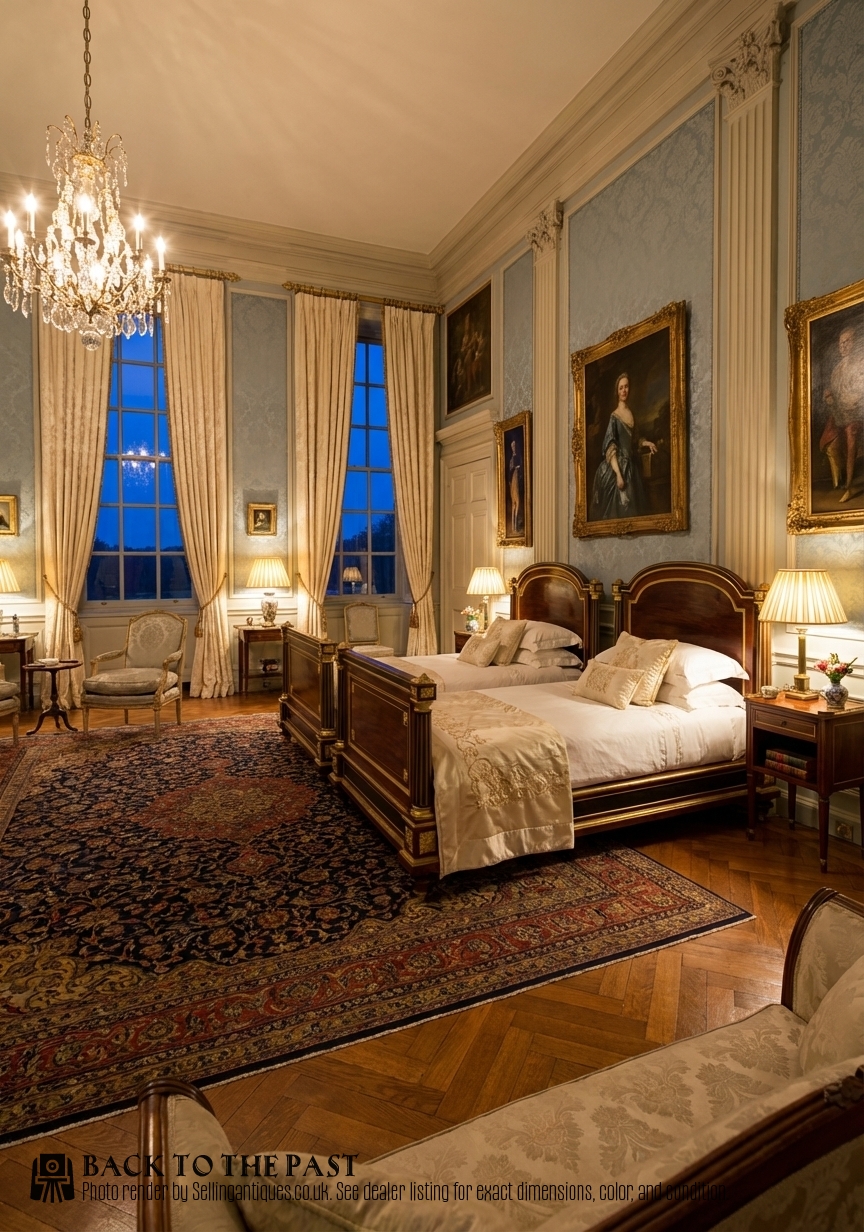
Antique Pair of Beds
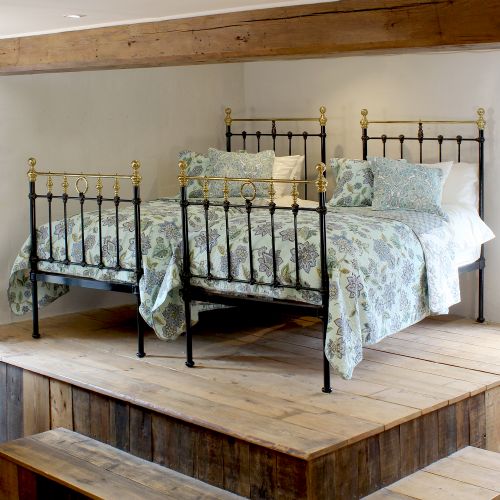
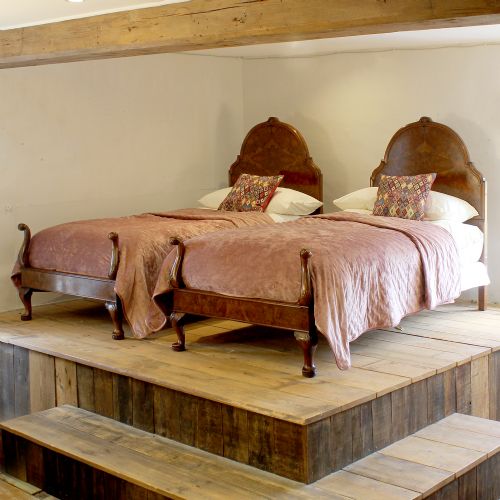
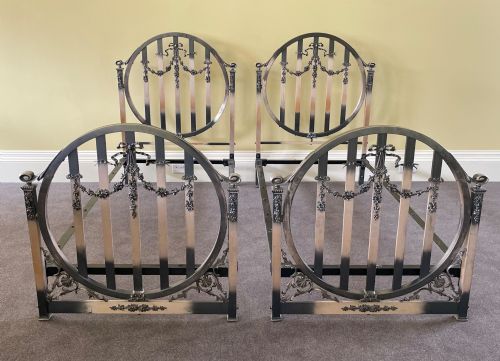
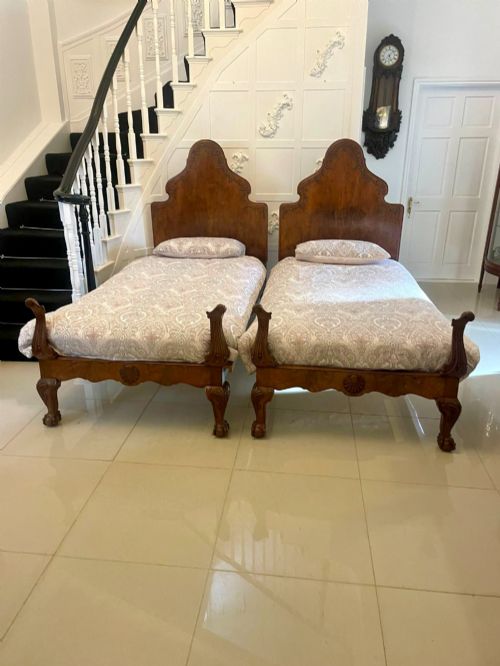
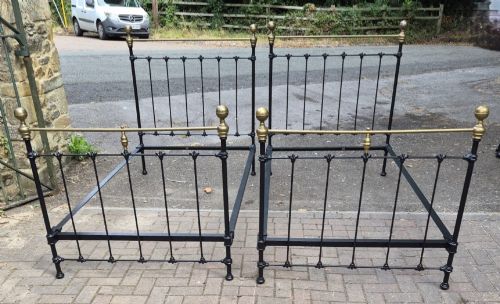
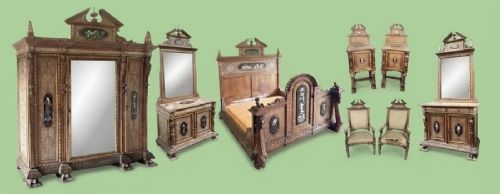
Originating from British workshops and continental makers alike, these pieces reflect the domestic priorities of the nineteenth and early twentieth centuries. Buyers encounter plain iron utility frames, polished mahogany designs and ornate carved walnut structures.
Evaluating Quality
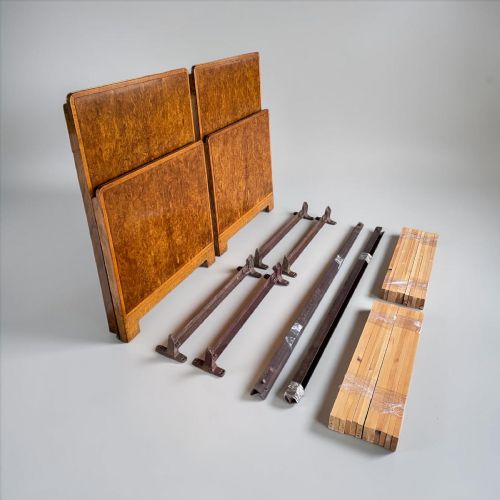
Quality rests on the integrity of the materials and the precision of the joinery or metal casting. Superior examples display carefully selected burr veneers, crisp hand-carving and original maker labels from respected firms.
The balance between decorative refinement and structural soundness distinguishes finer pieces. Matching pairs that retain their original hardware, uncompromised timber finishes and correct proportions command greater interest from collectors.
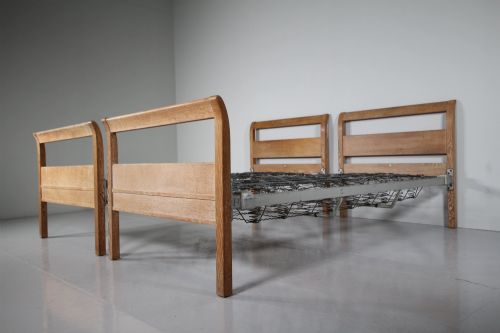
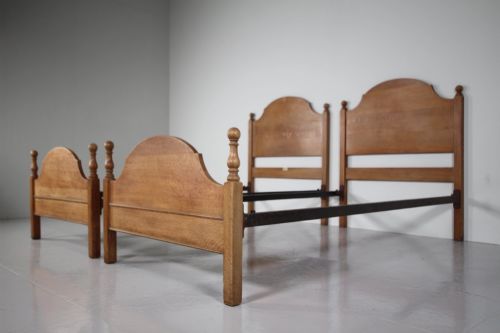
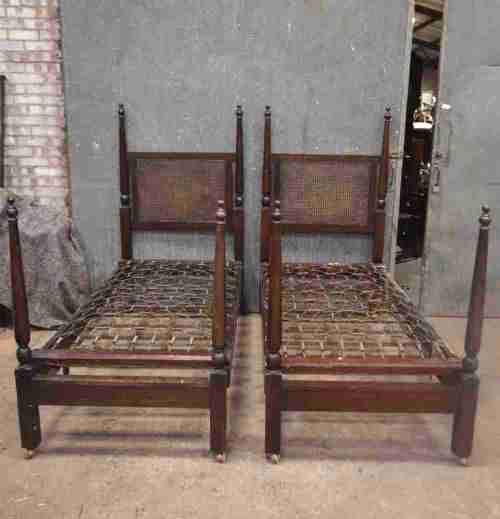
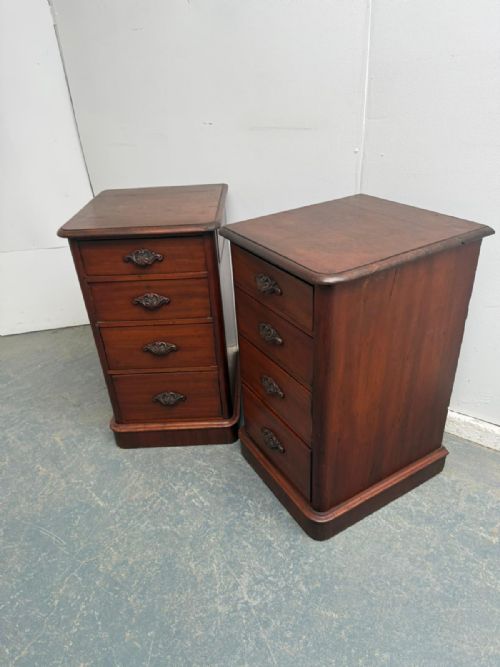
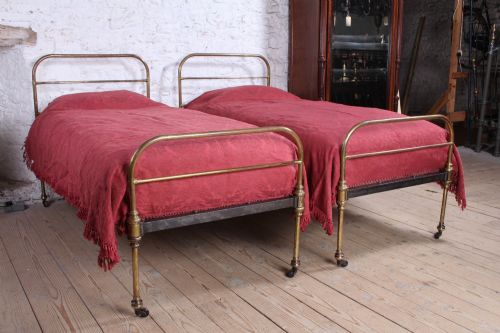
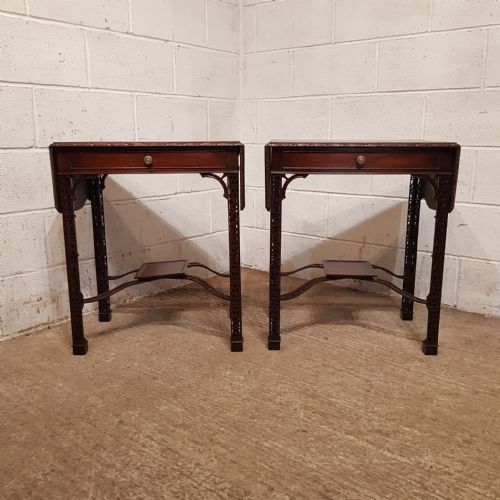
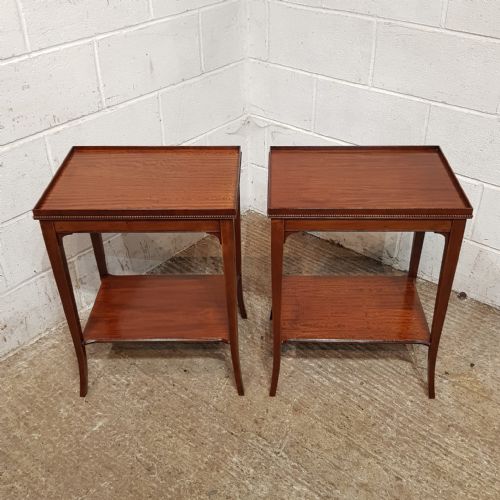
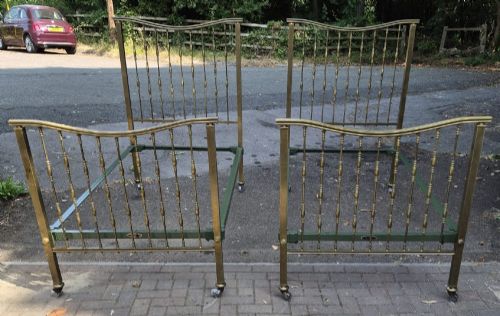
Listings feature wooden, iron and brass frames alongside matching bedside tables spanning the Victorian, Edwardian, Art Deco and Arts and Crafts periods.
Heals·Hoskins and Sewell·Shapland and Petter·Holland and Sons·Waring and Gillows
The Antique Pair of Beds Glossary
- Bedstead
- The complete framework of a bed, including the headboard, footboard and side rails. This structural shell supports the mattress and bedding.
- Bergere
- A type of enclosed armchair or bed panel featuring woven cane sides or inserts. It provides a light, textured appearance within wooden frames.
- Marquetry
- Decorative veneer work created by fitting small pieces of various woods, shells or ivory into patterns. Craftsmen apply these designs to cabinet surfaces and headboards.
- Inlay
- A technique where contrasting materials are set into recesses flush with the surface of the base wood. It outlines panels and edges on Edwardian furniture.
- Brass
- An alloy of copper and zinc used extensively for Victorian bed frames and decorative mounts. It offers a bright metallic appearance that contrasts with dark woods.
Antique Pair of Beds: Frequently Asked Questions
Can antique single beds be joined together?
Many iron and brass single beds feature interchangeable or matching designs specifically constructed to link side by side.
Buyers should inspect the inner rails and joint fixings to confirm whether a particular pair is suited for joining.
What wood types are most common?
Oak, walnut and mahogany appear frequently across wooden bed frames and accompanying bedside cabinets from the nineteenth and twentieth centuries.
Satinwood and burr walnut also occur on finer decorative examples from the Edwardian period.
How do I identify an Edwardian bed?
Edwardian beds often display lighter woods, subtle inlay work and influences from revival styles that emerged around the start of the twentieth century.
Maker labels and registration marks can provide definitive confirmation of the production era.
Are brass and iron beds adjustable in size?
Most antique metal beds adhere to historical single dimensions which differ from modern standard mattress sizes.
Custom mattresses or slight frame adaptations are frequently necessary to accommodate contemporary bedding safely.