



Hardwood Oriental Accent Table
A hardwood oriental accent table brings dense timber, intricate carving and distinct cultural silhouettes into a room.
Hardwood Oriental Accent Table
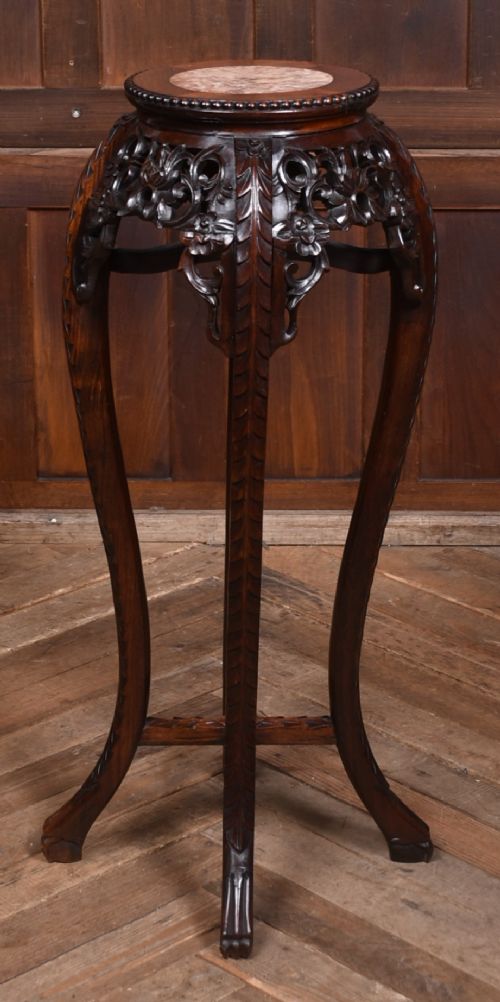
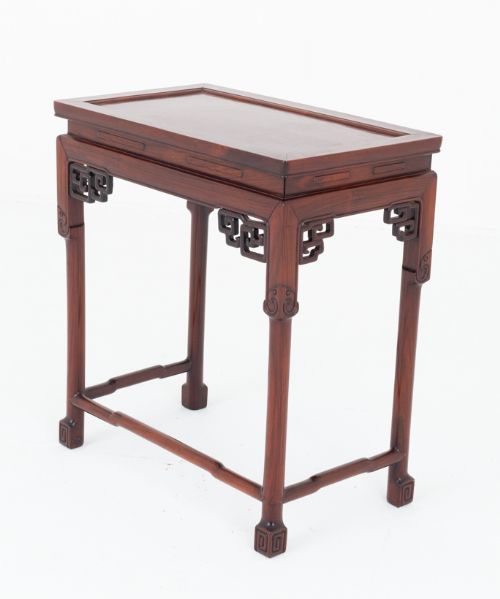
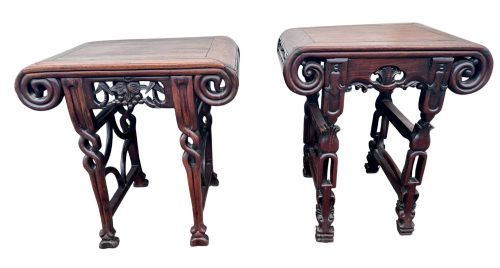
A hardwood oriental accent table encompasses a diverse group of low tables, plant stands and occasional pieces originating from China, India, Japan and Vietnam. These items serve practical functions as lamp tables, coffee tables or display surfaces while introducing rich regional character.
The pieces appearing here span the nineteenth and early twentieth centuries, including Victorian interpretations and colonial adaptations. Buyers frequently encounter plant stands and side tables fashioned from dense timbers like rosewood, hongmu and elm.
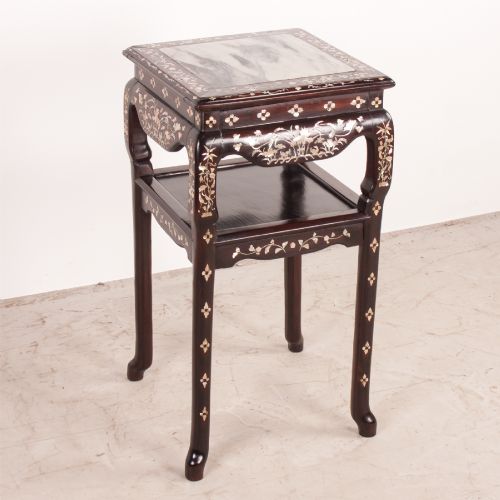
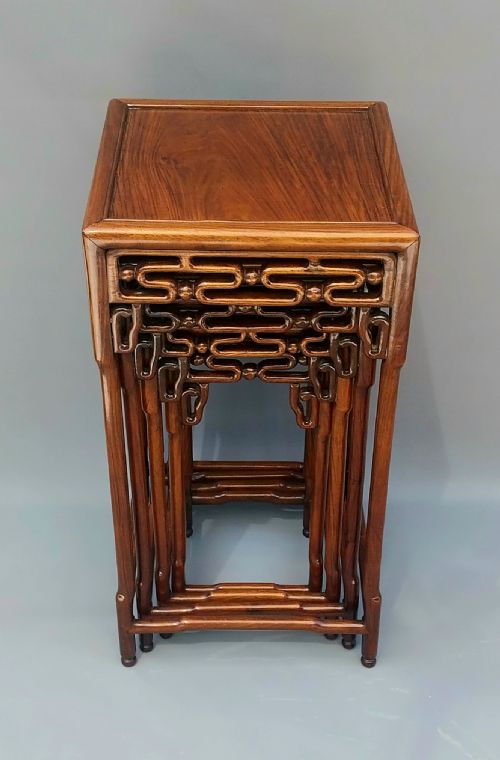
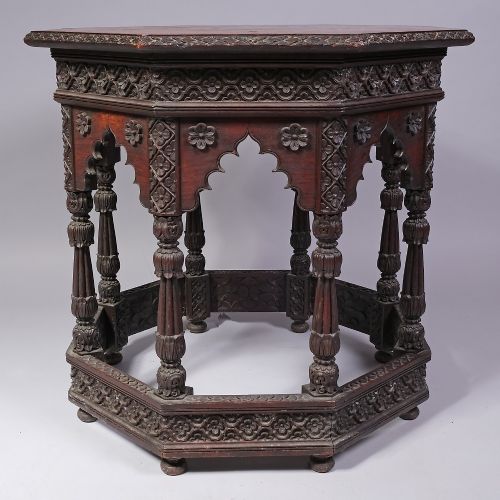
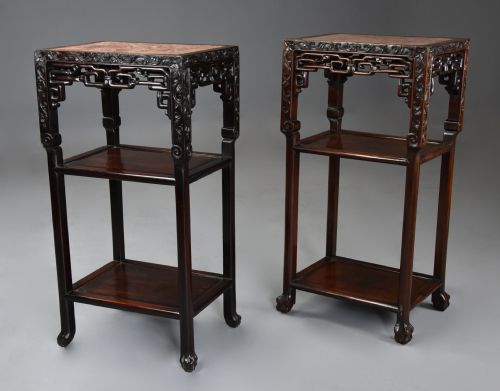
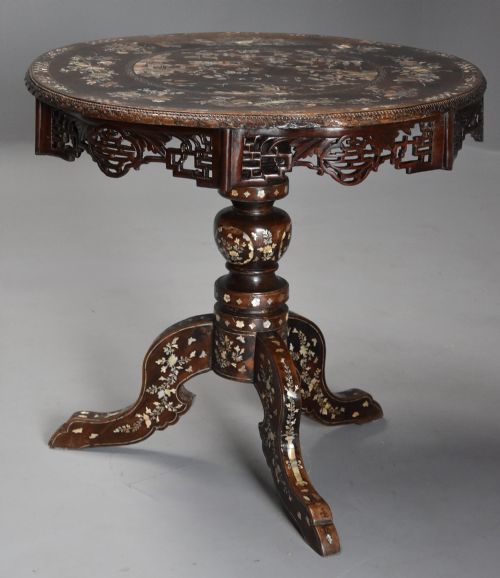
Forms range from simple square coffee tables to multi-tiered nests and octagonal lamp tables. Many incorporate inset marble tops or carved motifs reflecting traditional Qing dynasty aesthetics and Anglo-Indian craftsmanship.
Materials and construction methods
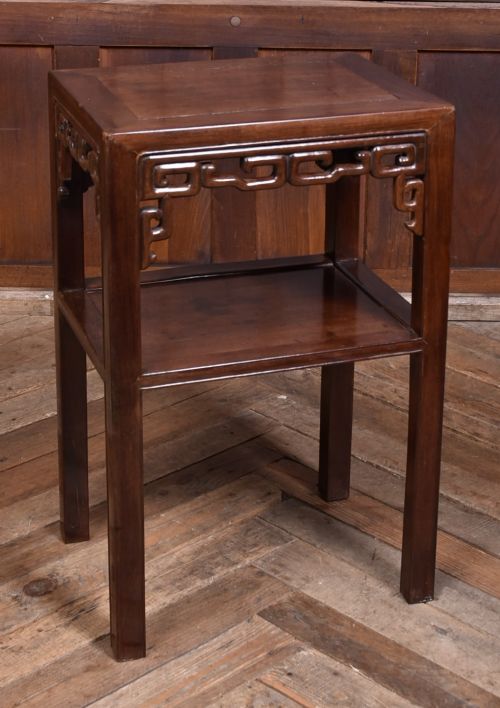
Craftsmen utilised heavy Asian and tropical hardwoods, notably rosewood, hongmu, teak and elm, selected for their natural strength and deep grain. These dense timbers allow for crisp hand-carving without splitting.
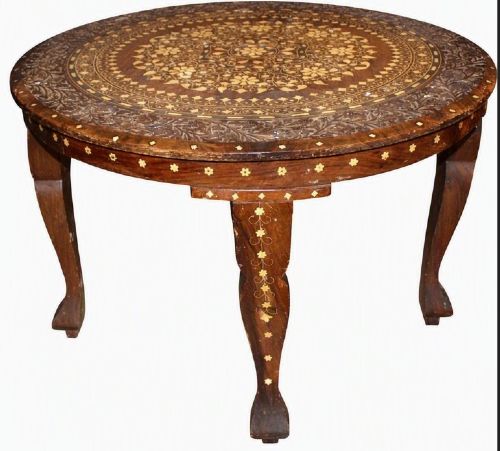
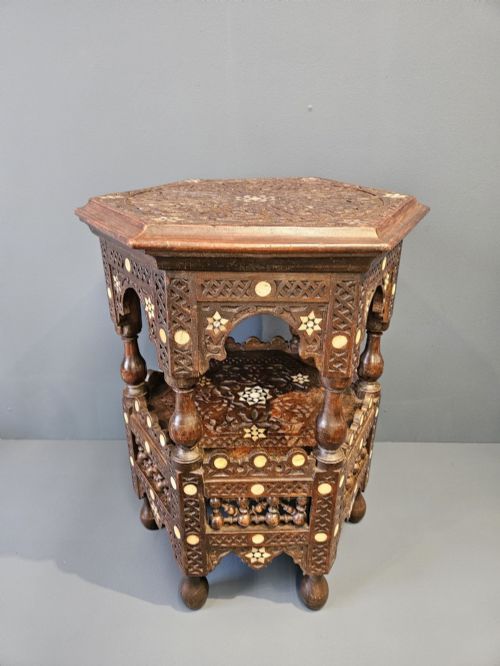
Surfaces frequently integrate contrasting materials such as polished marble inserts, mother of pearl inlay and carved bone details. Joinery relies on traditional interlocking techniques rather than modern metal fasteners, ensuring structural stability.
Some nineteenth-century makers incorporated carved elephant heads directly into the table frame.
Assessing quality in oriental accent furniture
The standard of a piece rests primarily on the depth and crispness of the hand-carving. Superior examples display sharp undercutting and well-defined motifs, whereas lesser items show softer, shallower execution.
Timber selection and grain matching further separate categories. Items fashioned from solid hongmu or rosewood with intact marble panels and precise inlay command greater respect than simpler elm or mixed-timber variants.
Liberty And Co·Gabriel Viardot
The Hardwood Oriental Accent Table Glossary
- Hongmu
- A traditional Chinese term denoting dense, dark hardwoods used for fine furniture. It translates literally as red wood and includes various species of dense tropical timber.
- Jardiniere stand
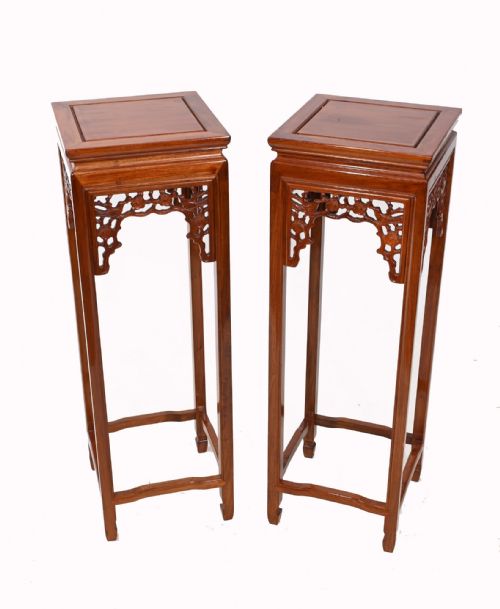
- A tall, slender table designed specifically to hold a heavy plant pot or floral arrangement. These stands often feature inset marble tops to protect the wood from moisture.
- Nest of tables
- A set of graduated tables designed to fit neatly beneath one another when not in use. They provide flexible surface space in compact sitting areas.
- Anglo-Indian
- A descriptive term for furniture made in India during the British colonial period, combining traditional local carving styles with European forms. Such pieces often incorporate intricate bone inlay and dense hardwood structures.
- Japonisme
- A late nineteenth-century European artistic movement influenced by Japanese art and design. Objects in this style reflect Eastern aesthetic principles adapted for Western interiors.
Hardwood Oriental Accent Table: Frequently Asked Questions
What is a hardwood oriental accent table used for?
These tables function as versatile surfaces for lamps, drinks or decorative objects within a living space. Taller variants often hold plants or vases, while lower forms serve as coffee tables.
Their compact proportions allow them to fit easily beside seating or in corners where standard furniture proves too bulky.
How do I care for marble top tables?
Marble inserts require gentle cleaning with a damp cloth and mild soap to avoid scratching the polished surface. Acidic liquids should be wiped away immediately to prevent staining.
The surrounding hardwood benefits from occasional treatment with appropriate furniture wax to maintain its natural lustre.
Are these tables sturdy enough for daily use?
The dense hardwoods employed in these pieces provide inherent strength and structural durability. Traditional joinery methods ensure they withstand regular household demands.
However, heavily carved edges and delicate inlay work warrant sensible handling to avoid accidental impact damage.
How do I distinguish Chinese Qing dynasty styles?
Qing period designs typically feature robust proportions, deep relief carving and motifs such as dragons, foliage or geometric borders. The timber is usually dark and heavily grained, such as hongmu or rosewood.
Later Victorian adaptations often blend these oriental motifs with European furniture shapes, such as octagonal lamp tables.