







Hardwood Chinese Table
When you search for a hardwood chinese table, you find a rich variety of nineteenth and early twentieth century furniture crafted for scholar studios, formal rooms and domestic spaces.
Hardwood Chinese Table
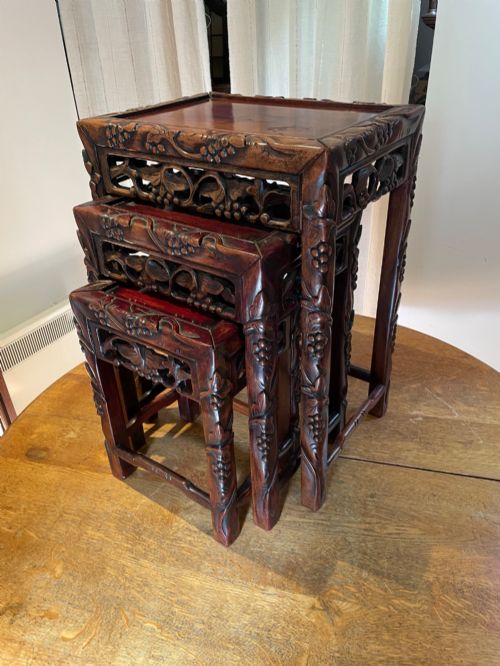
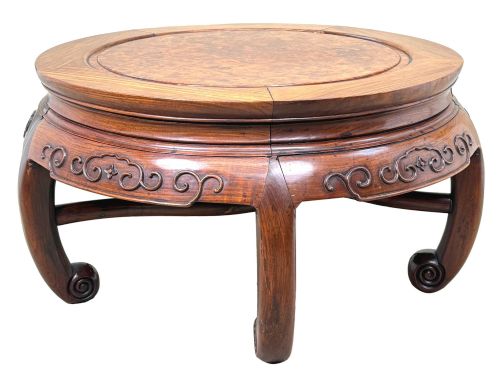
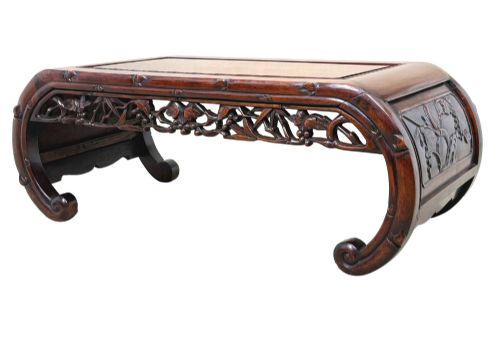
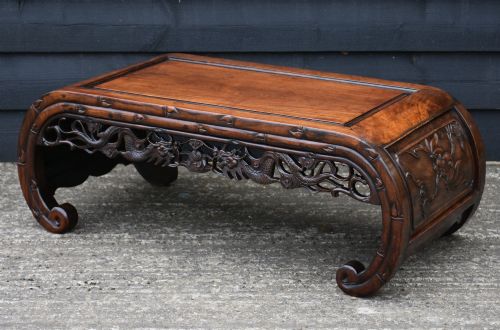
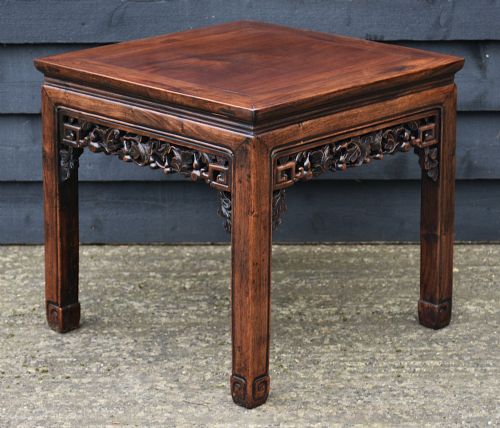
A hardwood chinese table encompasses a wide array of domestic and scholarly forms originating from the nineteenth and early twentieth centuries. Pieces frequently encountered on this page include low tables, opium tables, altar tables, and nests of four tables designed for versatile household use.
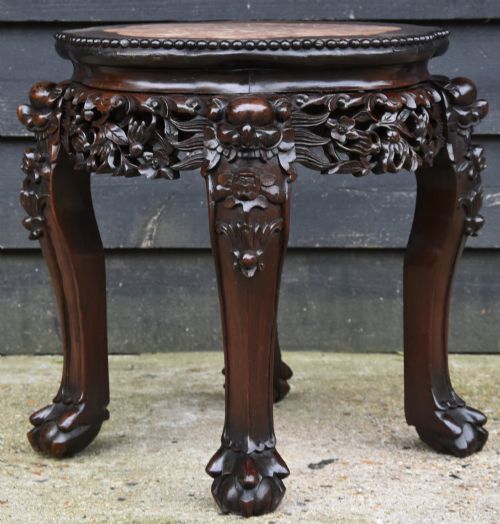
Beyond standard dining or side designs, the selection includes specialised furnishings such as plant stands, jardiniere stands, vase tables, and coffee tables. These objects reflect the rich traditions of Chinese craftsmanship, spanning the Qing Dynasty and later export periods.
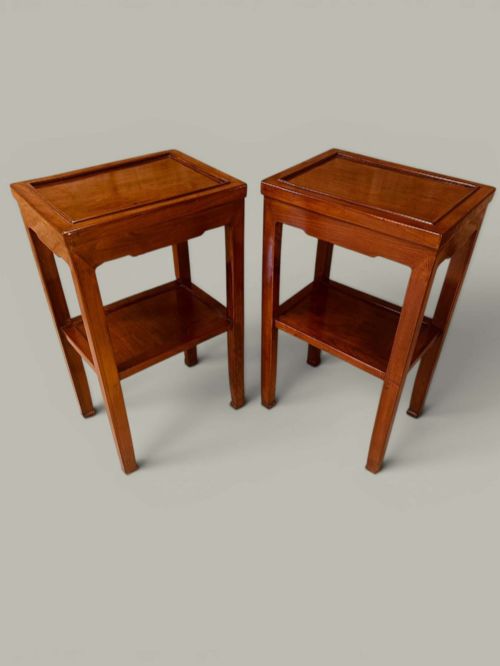
Makers produced these functional items to suit specific interior settings, ranging from intimate scholars studios to grand reception rooms. The survival of pairs and matched sets indicates that many pieces were commissioned or arranged to balance symmetrical interior layouts.
Materials and construction methods
Carpenters utilised dense tropical hardwoods such as rosewood, hongmu, huanghuali, and padauk, selected for their deep natural colour and heavy weight. These resilient timbers provided a stable foundation for intricate relief carving and structural longevity without excessive bulk.
Many surfaces incorporate contrasting inset panels of veined marble, smooth mother of pearl, or bone inlay, creating geometric and floral motifs across tabletops and stands. Joinery often relied on precise interlocking techniques rather than visible metal fasteners, preserving the clean lines of the timber.
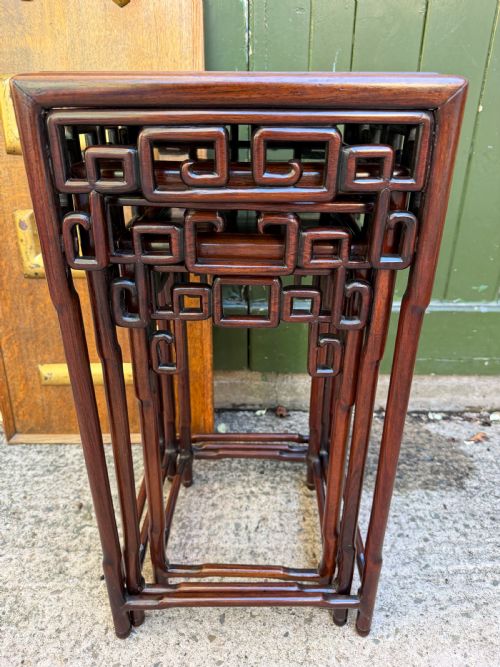
Additional detailing involved subtle brass mounts, bamboo emulation, and carved pierced aprons that frame the legs. Artisans also applied delicate silk embroidery or utilised elm and burr wood for secondary elements to enhance visual texture.
Hardwood Chinese Table Retail Price Guide 2026
Typical asking prices for hardwood chinese table among the pieces listed under this phrase on Sellingantiques today, from the lower quarter to the upper quarter. They describe what is for sale here now, not the wider market.
Listings span the nineteenth century through the 1920s, featuring materials like rosewood, marble, mother of pearl, and brass across various tables and stands.
Distinctions in construction and material grade
Quality separates pieces by the selection of timber grain, the weight and density of the hardwood, and the depth of the carving. Superior examples display striking natural figuring in rosewood or huanghuali alongside crisp, undercut relief work that remains sharp to the touch.
The integration of inset materials dictates execution standards, with premium tables featuring flawless, tightly fitted marble panels or securely pinned mother of pearl without gaps. Finer pieces maintain structural rigidity and balanced proportions across complex forms like nested sets or tall altar tables.
The Hardwood Chinese Table Glossary
- Hongmu
- A traditional dense red hardwood highly prized by Chinese cabinetmakers for its deep colour and durability. It frequently forms the primary structure of nineteenth century tables and stands.
- Kang table
- A low rectangular table traditionally placed on a heated brick platform or bed for dining, writing, or resting. These pieces now serve widely as low coffee tables.
- Altar table
- A substantial piece featuring upturned flanges or flat rectangular surfaces, originally designed for ritual spaces but utilised domestically for display. They often showcase elongated proportions and carved aprons.
- Nest of tables
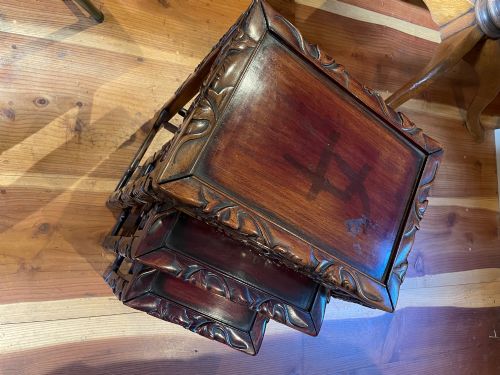
- A graduated set of four tables designed to fit neatly beneath one another when not in use. This space-saving form gained immense popularity during the late nineteenth and early twentieth centuries.
Hardwood Chinese Table: Frequently Asked Questions
What is an opium table used for today?
Historically, these low tables served households for dining and social gatherings on raised platforms. Today, their low profile makes them ideal for modern living rooms as coffee tables.
Their compact dimensions allow them to sit comfortably in front of low seating without dominating the room's proportions.
How do I care for a marble top table?
Marble inset panels require gentle cleaning with a damp cloth and mild soap to preserve the polished surface. Avoid abrasive cleaners or acidic liquids that can etch the stone over time.
Conditioning the surrounding hardwood with appropriate wax keeps the timber nourished and protects the joint where wood meets stone.
Are nest of tables sturdy?
These nesting sets rely on precise joinery and stable leg frames designed to support everyday objects despite their slender appearance. The thick hardwoods used in their construction provide surprising heft and structural integrity.
Even the smallest table in a set maintains balanced proportions capable of holding lamps, cups, or decorative items securely.
How can I tell the age of these pieces?
Dating relies on stylistic shifts, construction methods, and material availability characteristic of the nineteenth century and the Qing Dynasty. Gradual wear patterns, patina on the hardwood, and traditional joinery offer reliable indicators of age.
Consulting the specific period evidence listed for each piece helps place it within the broader timeline of Chinese export and domestic production.