


Vintage Asian Coffee Table
These vintage asian coffee table pieces bring low-slung proportion and deep timber grain to a room.
Vintage Asian Coffee Table
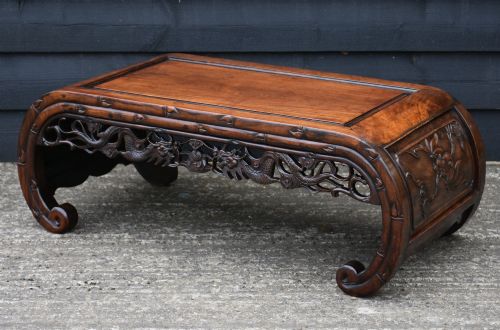
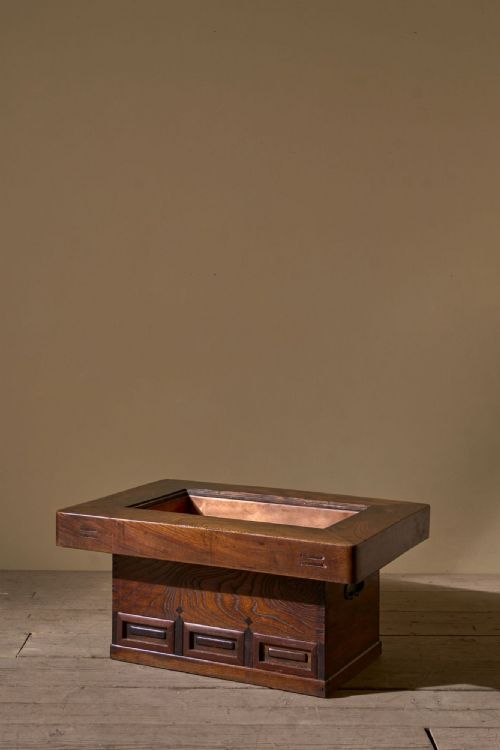
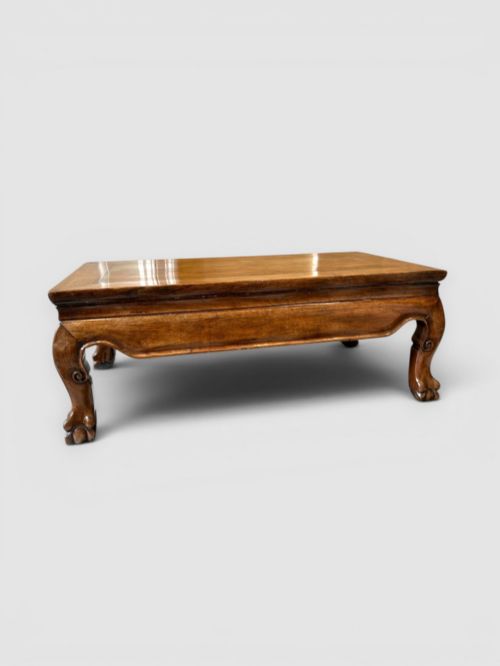
A vintage asian coffee table encompasses low timber surfaces originating from traditional domestic furniture forms, including low kang tables, opium tables, and hibachi stands adapted for modern sitting heights. Buyers searching for a vintage asian coffee table encounter low rectangular proportions, nesting sets, and occasional tables spanning the nineteenth century through the mid-twentieth century.
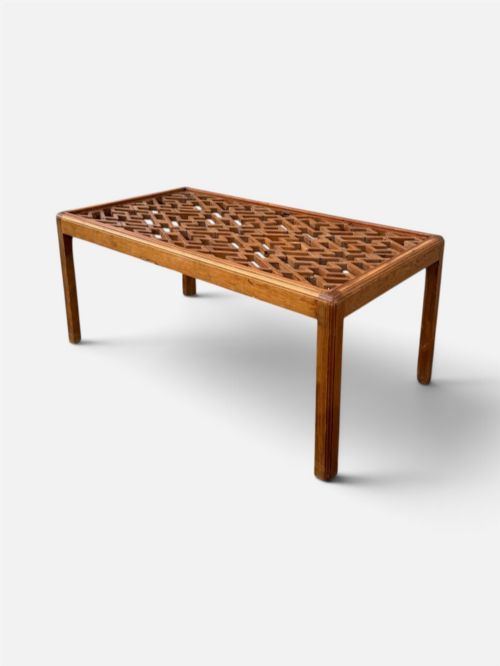
The materials on this page lean heavily towards dense Asian hardwoods like rosewood, elm, and hongmu, alongside lacquered finishes and glass-topped hybrid forms. Traditional Chinese, Chinoiserie, Japanese Mingei, and Anglo-Burmese styles dominate the selection, bringing carved dragon details, fretwork panels, and raised relief work into domestic living spaces.
Materials and construction methods
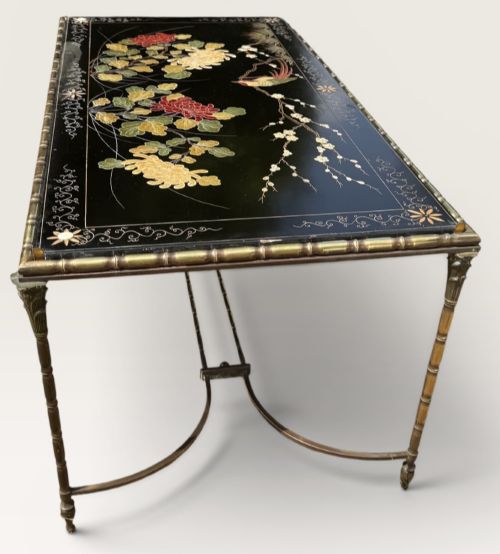
Cabinetmakers constructed these tables using heavy hardwoods such as rosewood, teak, and elm, often joined with traditional timber framing techniques that allow natural wood movement. Surfaces receive smooth polishing to highlight the grain, or layers of lacquer applied in Chinese and Burmese workshops to create deep, reflective sheens.
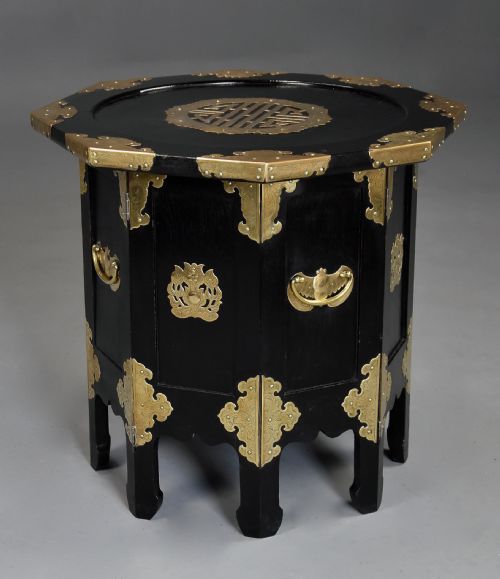
Decorative elements involve detailed hand-carving directly into the solid timber or applying brass mounts, ebonised treatments, and raised relief ornamentation. Some pieces integrate glass tops above antique fretwork panels, merging historical architectural fragments with functional modern furniture.
Listings span periods from the nineteenth century through the 1950s, featuring woods like elm, teak, and rosewood alongside lacquered finishes.
Distinguishing quality across the range
Quality rests in the depth and crispness of the hand-carved details, particularly around aprons, legs, and figural motifs like dragons or elephants. Heavy, dense timbers such as rosewood and hongmu command greater appreciation than softer woods due to their weight and endurance.
The integrity of the lacquer finish and the precision of joinery separate standard utility pieces from finer decorative works. Original hardware, undisturbed patination on the timber, and balanced proportions elevate the status of an individual table.
Maison Bagues
The Vintage Asian Coffee Table Glossary
- Kang table
- A low platform table traditionally used on heated brick beds in northern Chinese homes for dining and writing.
- Opium table
- A low rectangular wooden table with short legs, adapted in trade and manufacturing for general domestic use.
- Chinoiserie
- European decorative style reflecting Chinese artistic motifs, popular in furniture decoration during various historical periods.
- Mingei
- Japanese folk craft movement celebrating utilitarian objects created by anonymous artisans using regional materials.
- Hongmu
- A category of dense, dark tropical hardwoods prized in traditional Chinese furniture making for stability and rich colour.
- Hibachi
- A traditional Japanese heating device featuring an open container, occasionally converted into a low occasional table.
Vintage Asian Coffee Table: Frequently Asked Questions
How were low coffee tables originally used?
These low timber platforms served for sitting close to the floor during meals, writing, or preparing tea in traditional households.
Over time, many of these pieces found new purpose in western interiors as coffee tables positioned beside low seating.
How do I care for a lacquered wooden table?
Keep wooden and lacquered surfaces away from direct sunlight and extreme humidity fluctuations to prevent timber movement or finish cracking.
Dust gently with a dry, soft cloth and avoid chemical polishes that might damage the historical lacquer layers.
What is the difference between elm and rosewood?
Elm offers a fibrous, prominent grain pattern with a lighter rustic warmth that suits vernacular furniture styles.
Rosewood provides a denser, heavier substance with deep reddish-brown tones capable of holding crisp, intricate carved details.
Can nesting tables be separated safely?
Nesting tables slide out easily from beneath one another to provide flexible surface space during gatherings.
Lift each table clear of its neighbours rather than dragging them to protect the joining edges and legs from unnecessary friction.