

Hanging Lantern Light
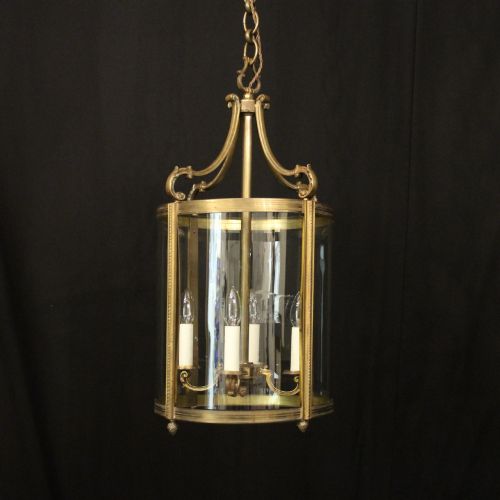
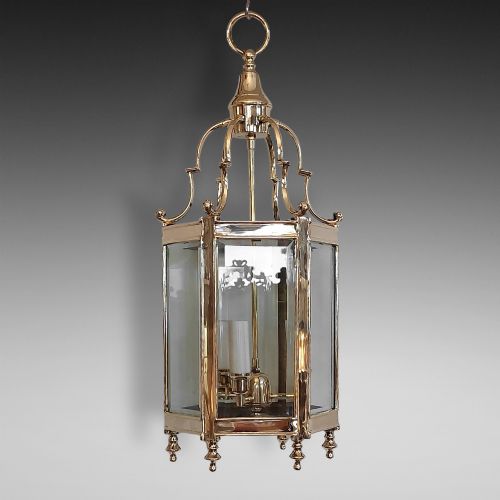
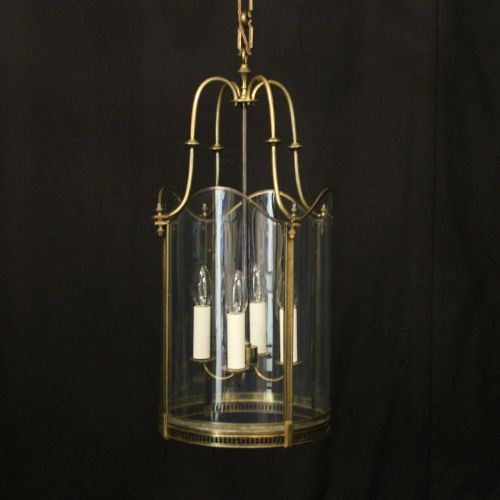
These hanging lantern light fixtures illuminate entrance halls and corridors, bringing period character and warm downward illumination to domestic spaces.
Hanging Lantern Light
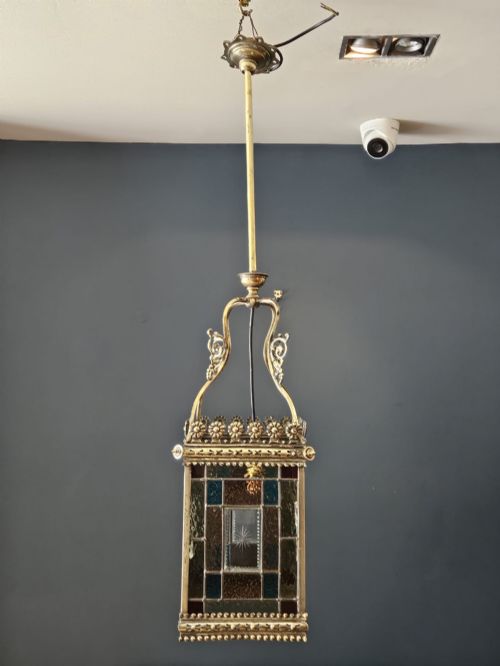
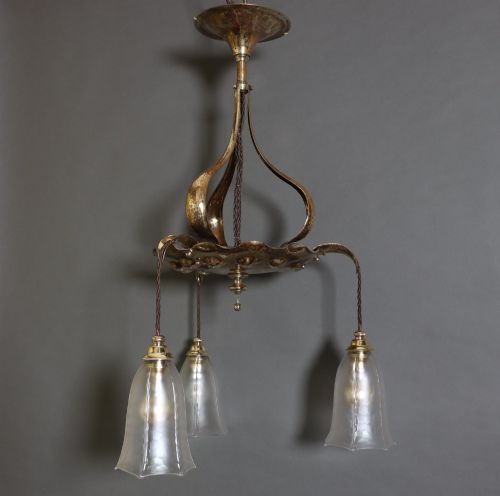
A hanging lantern light operates as an architectural statement piece for hallways, vestibules, and high-ceilinged rooms. When exploring this selection, buyers encounter forms ranging from simple glass and metal enclosures to elaborate multi-light fixtures.
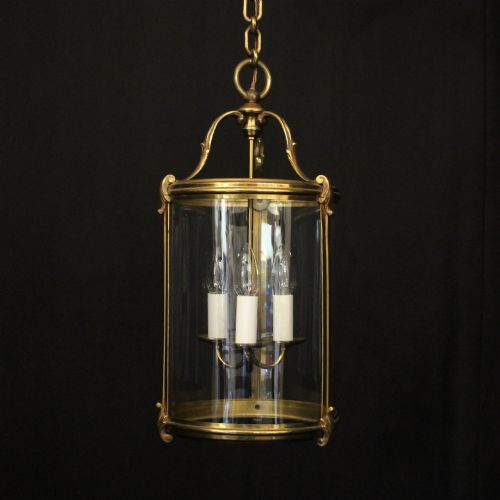
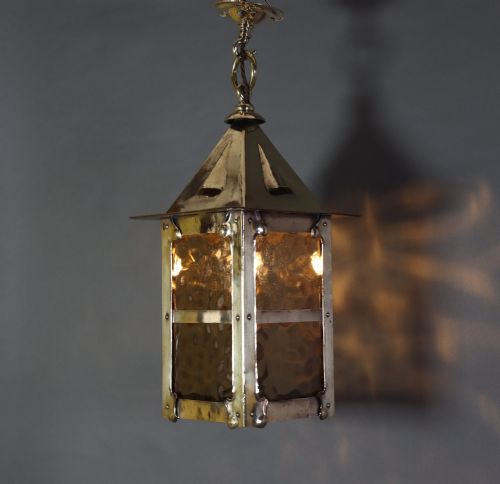
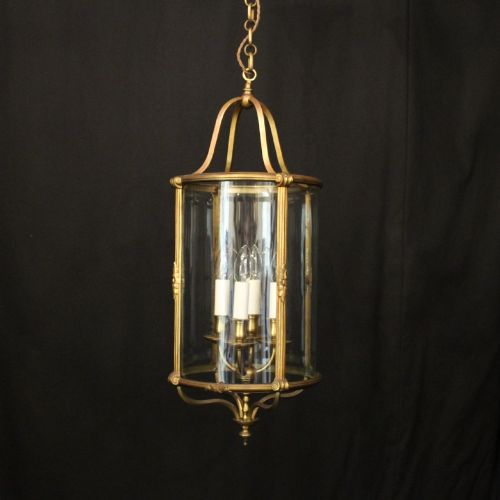
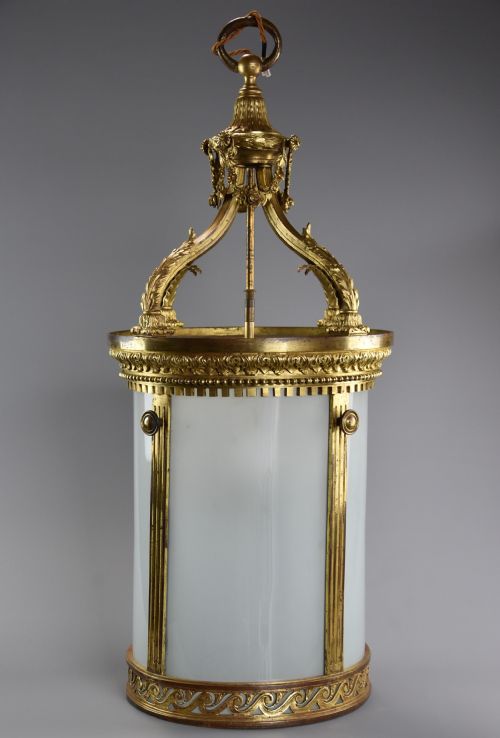
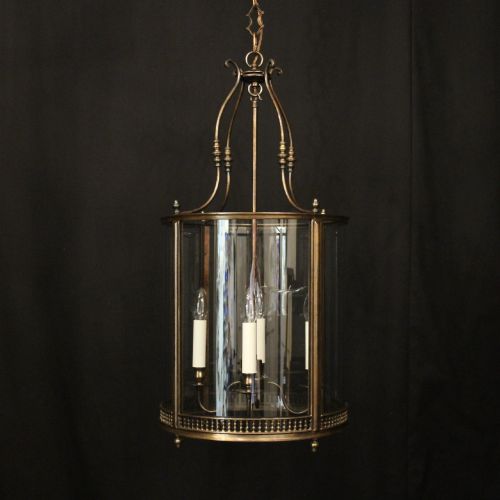
The inventory on this page draws heavily from Victorian, Edwardian, and early twentieth-century periods. French designs with gilded bronze or brass and convex glass frequently appear alongside English Arts and Crafts interpretations.
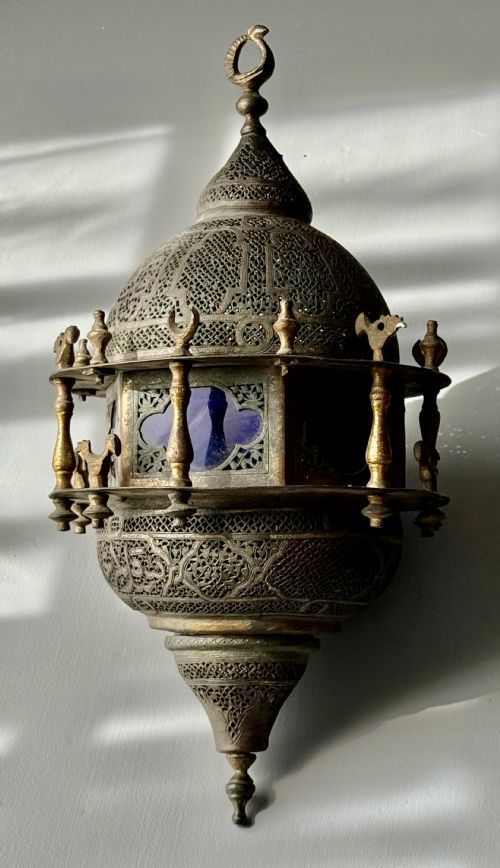
Moorish Revival, Gothic, and Neo-Classical styles provide distinct alternatives to standard domestic hall lighting. These pieces utilise chains, rods, or ceiling hooks to suspend glass-paned metal frames at adjustable heights.
Materials and Construction
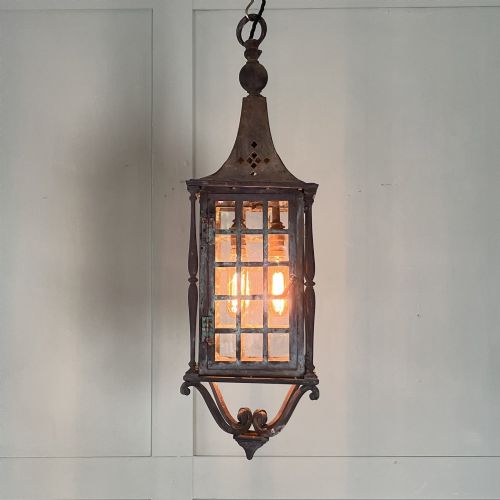
Metalworking forms the structural backbone of these fixtures, utilising brass, gilt bronze, copper, wrought iron, and lead. Artisans cast, hammered, and soldered these metals to form rigid frames capable of housing glass panels.
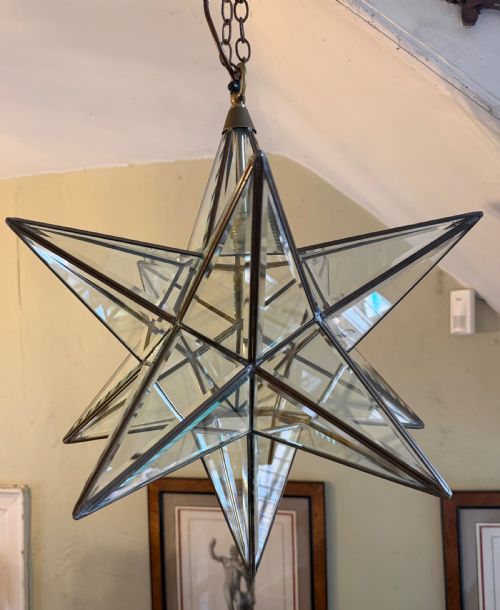
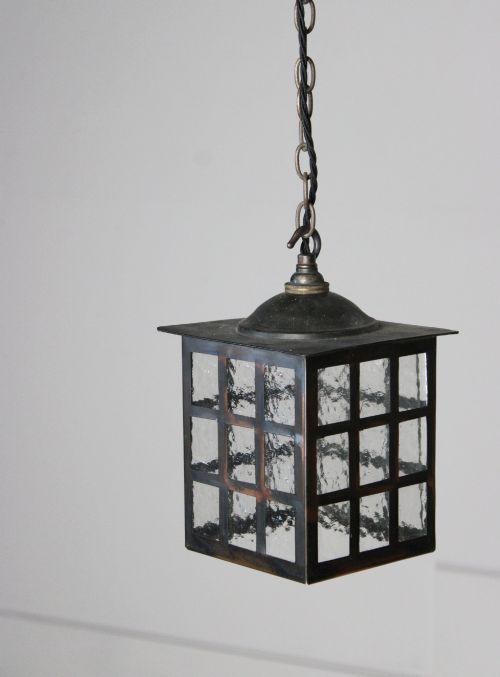
Glazing techniques vary widely, incorporating bevelled glass, leaded stained glass, hand-blown bullseye glass, and faceted crystals. Craftsmen secured these panes within metal cames or hinged doors designed for internal bulb access.
Finishing methods included fire-gilding on bronze, chemical patination on copper and brass, and detailed metal piercing for stylistic light projection.
Listings feature brass, gilt bronze, copper, and iron structures paired with leaded, bevelled, or bullseye glass across Victorian and Edwardian periods.
Distinctions in Quality
The refinement of the cast metal ornamentation separates standard production lighting from exceptional examples. Finer pieces display crisp chasing on gilt bronze, heavy gauge brass frames, and substantial structural weight rather than thin stamped metal.
Glass selection dictates much of the visual impact. High-quality lanterns incorporate heavy, hand-blown convex lenses or precisely bevelled panes that refract light cleanly, whereas lower tiers rely on plain, thin sheet glass.
Proportion and architectural harmony distinguish superior designs. Master makers balanced the dimensions of the cage against the complexity of the glazing and metalwork to create a cohesive silhouette.
GEC
The Hanging Lantern Light Glossary
- Convex glass
- Curved glass panels that project outward from the lantern frame. This treatment magnifies the internal light source and softens the output.
- Came
- A slender strip of cast lead or brass with a grooved channel used to hold individual panes of glass together in leaded windows and lanterns.
- Gilt bronze
- Bronze metal treated with a thin layer of gold or gold-coloured alloy applied through fire-gilding or electroplating. It provides a durable, lustrous surface finish.
- Bulls-eye glass
- Thick, circular glass panes featuring a prominent central node left over from the traditional glass-blowing pontil mark. They create distinctive distortion and texture.
- Bevelled glass
- Glass panes featuring an angled edge ground down along the perimeter. This process catches and splits light into prismatic colours.
Hanging Lantern Light: Frequently Asked Questions
Where should I hang a hall lantern?
These fixtures suit entrance hallways, stairwells, and high-ceilinged landings where vertical space allows proper suspension.
Ensure the bottom of the lantern clears head height while remaining low enough to cast adequate light across the threshold.
How do I determine the period of a lantern?
Examine the metal construction techniques, screw types, and stylistic motifs. Victorian and Edwardian examples often feature heavy brass castings and leaded joints, while 1920s pieces lean towards streamlined or French gilded bronze designs.
Patination and wiring methods also offer clues, though many antique fixtures have been updated for modern electrical standards.
Can these lights be wired for modern homes?
Most antique lanterns accept standard internal bulb fittings and modern electrical wiring. Professional electricians can safely re-wire older brass and bronze frames to meet current safety regulations.
Original candle-holders are routinely adapted to conceal modern lamp holders without altering the exterior appearance.