

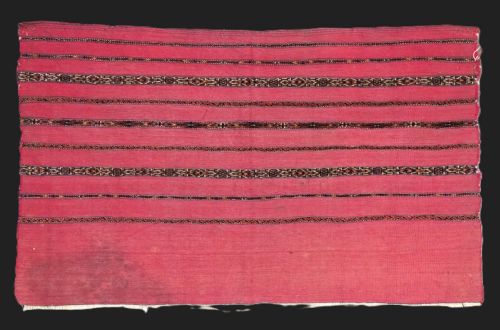


Handwoven Wool Flatweave
Handwoven wool flatweave textiles bring the rich geometric artistry and nomadic heritage of Persian, Caucasian, and Anatolian tribal weavers directly into contemporary interiors.
Handwoven Wool Flatweave
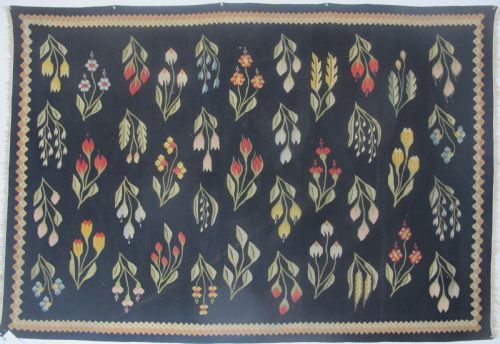
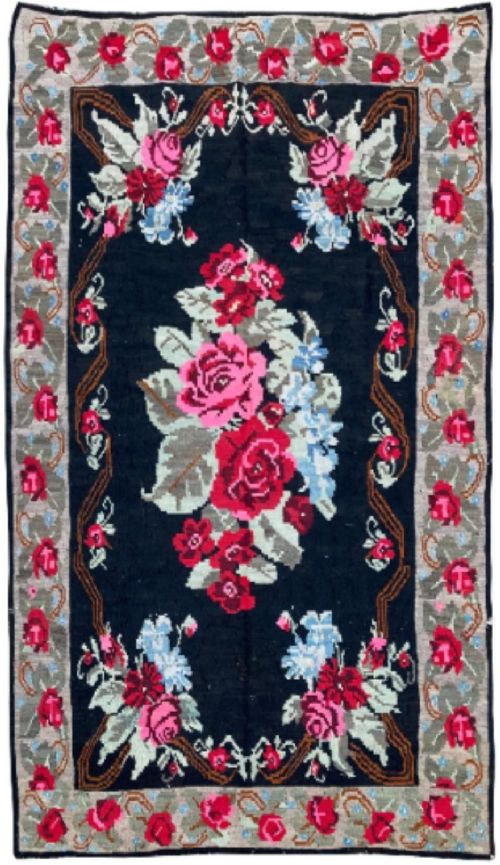
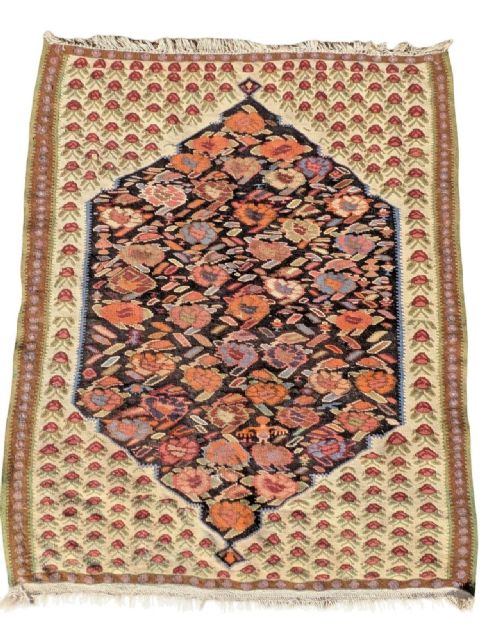
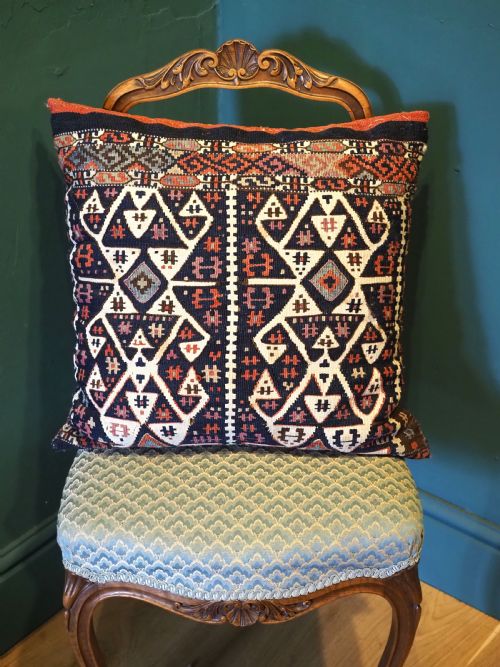
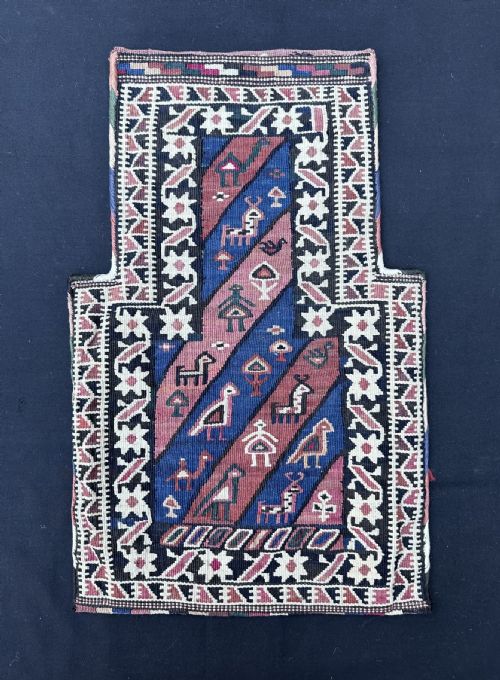
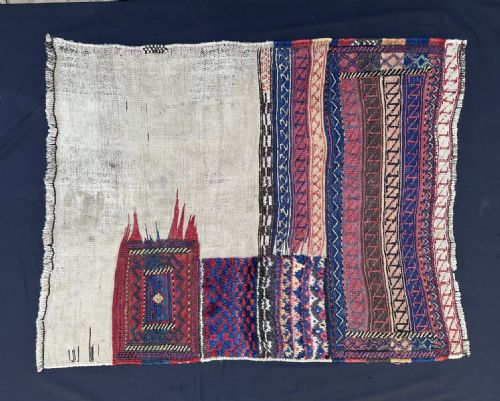
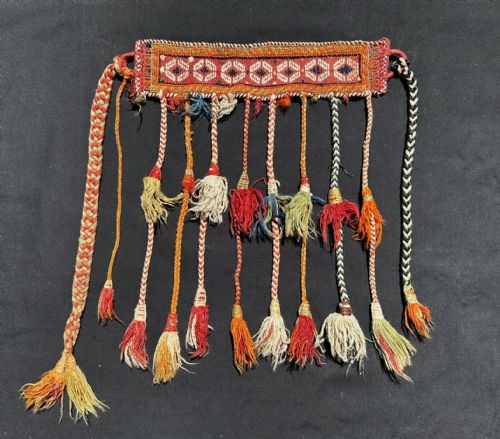
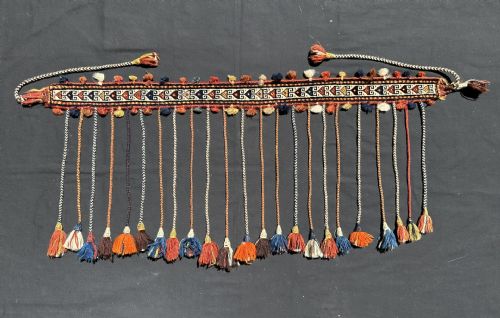
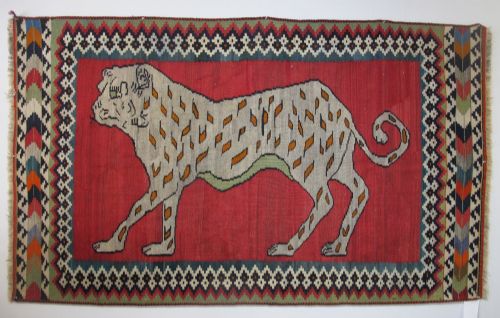
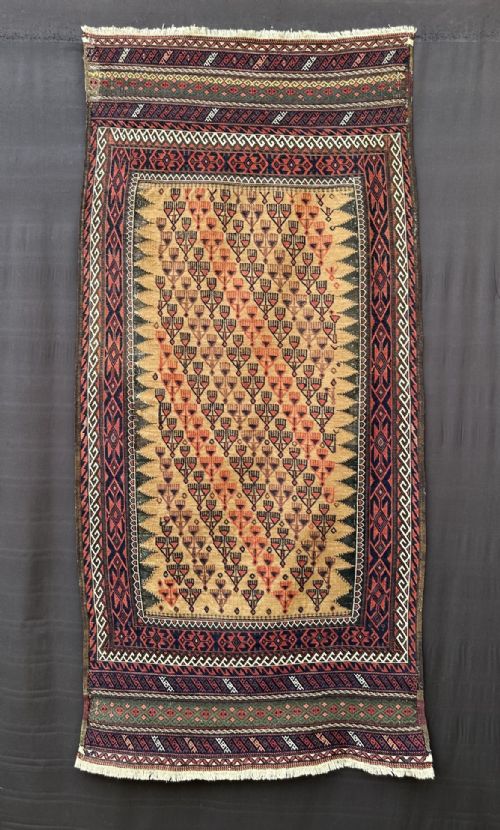
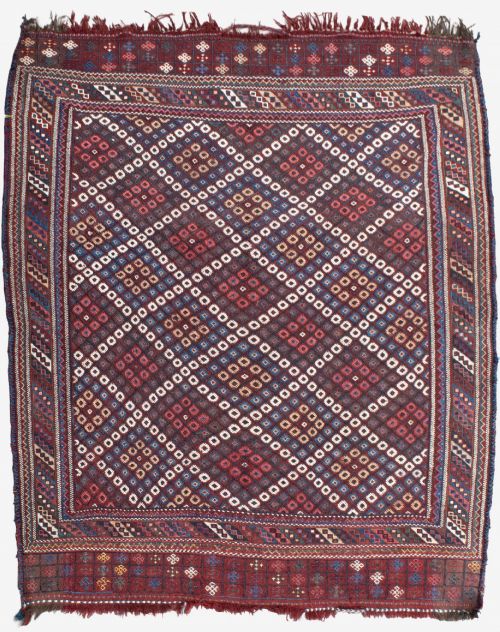
A handwoven wool flatweave comprises traditional nomadic and village textiles produced across Persia, the Caucasus, Turkey, Central Asia, and Eastern Europe from the mid-nineteenth century through the early twentieth century. When exploring this selection, buyers encounter functional objects transformed into decorative pieces, including kilim rugs, runners, cushions, and utility bags.
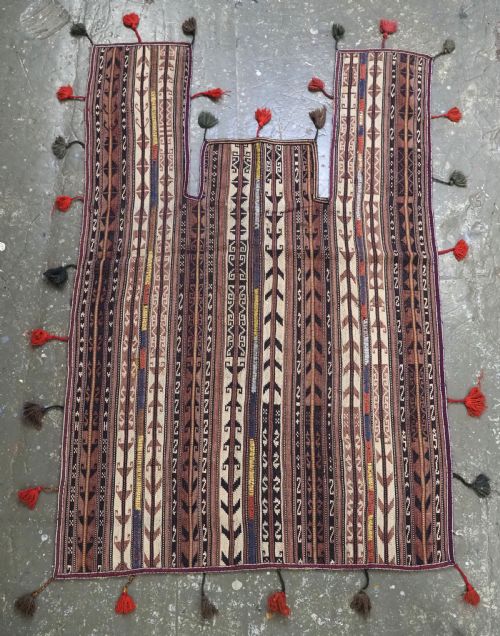
The inventory on this page spans distinct regional forms such as Qashqai kilims, Afshar sofreh, Yomut Turkmen torbas, and Caucasian Karabagh weavings. These items reflect specific tribal traditions and utilitarian origins, ranging from ceremonial horse blankets to dining bread cloths.
Materials and construction
The structural foundation relies predominantly on wool, cotton, and occasional camel wool or goat hair spun by hand. Natural dyes provide the enduring palette observed across regional tribal workshops and nomadic camps.
Weavers utilised intricate flat-weaving techniques without pile, sometimes incorporating mixed media like cowrie shells into utilitarian items such as saddle bags and vanity bags.
Listings feature wool, cotton, camel wool, and goat hair combined with natural dyes across periods spanning the nineteenth and twentieth centuries.
Distinctions in quality
Excellence in these textiles rests upon the tightness of the weave, the clarity of the geometric or floral motifs, and the depth of the natural dyes. Finer examples display meticulous structural precision in dense formats, such as fine-weave Tekke chuval faces or regional Caucasian kilims.
The integrity of the original wool materials and the authenticity of regional tribal designs elevate certain pieces, distinguishing standard utility covers from masterworks of nomadic textile art.
The Handwoven Wool Flatweave Glossary
- Kilim
- A flat-woven carpet or rug produced without a pile by tightly interweaving warp and weft strands. This technique creates a lightweight textile decorated with sharp geometric patterns.
- Sofreh
- A spread or cloth traditionally used for dining, food preparation, or bread storage among nomadic and village communities in Persia. These flatweaves often feature minimalist field designs suited to their domestic function.
- Chuval
- A large storage bag made by Turkmen tribes, typically featuring guls and banded flatweave structures. Surviving examples are often collected as face panels.
- Mafrash
- A rectangular storage sack or chest panel woven by nomadic groups such as the Yomut Turkmen. They employ durable flatweave techniques designed for transport on animal back.
- Warp
- The vertical threads stretched tightly on a loom before weaving begins. The weft threads are passed through these stationary structural elements to form the fabric.
Handwoven Wool Flatweave: Frequently Asked Questions
How were these flatweaves used originally?
Nomadic and village communities utilised these textiles for practical daily survival, including floor coverings, grain storage, animal decoration, and dining spreads.
Items like salt-bags, bread sofrehs, and horse blankets served functional roles before surviving as decorative pieces.
Where do these tribal textiles originate?
The pieces originate across regions spanning Persia, the Caucasus, Anatolia, Central Asia, and parts of Eastern Europe such as Romania and Ukraine.
Specific tribes like the Qashqai, Afshar, Yomut Turkmen, and Shahsavan developed distinct regional styles and colour palettes.
How should I care for a wool flatweave?
Gentle vacuuming without a rotating brush helps remove dust and grit from the flat-woven structure.
Professional textile cleaning is recommended for addressing stains to preserve the natural wool fibres and vegetable dyes.
How do I identify the age of a piece?
Dating relies on examining material wear, the composition of the wool, and the characteristics of the natural dyes used in the weave.
Stylistic motifs and regional weaving structures help place pieces within nineteenth and early twentieth-century periods.