



Vintage Tapestry Rug
When you search for a vintage tapestry rug, you are looking at woven and embroidered floor coverings and wall panels from Central Asia, Europe, and the Near East.
Vintage Tapestry Rug
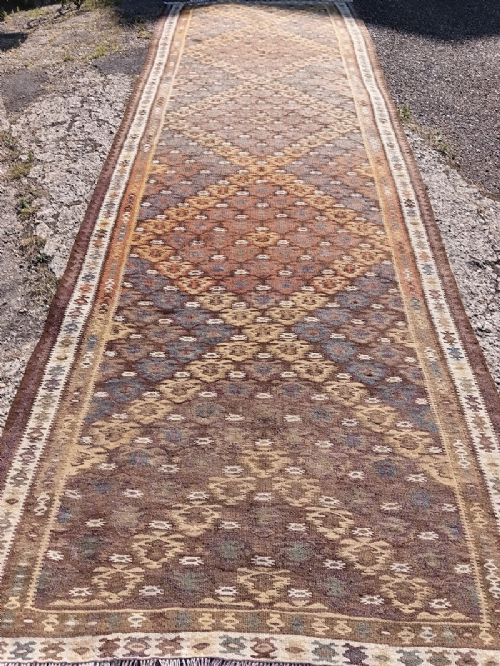
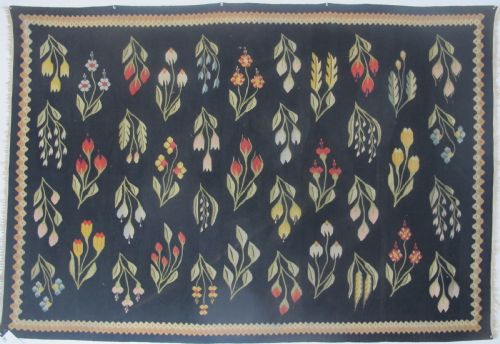
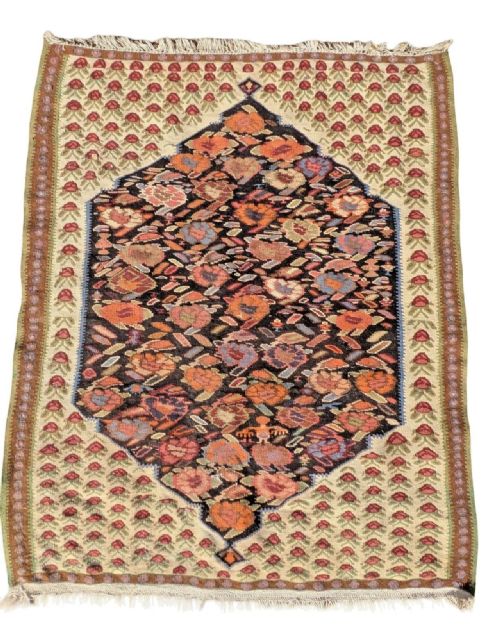
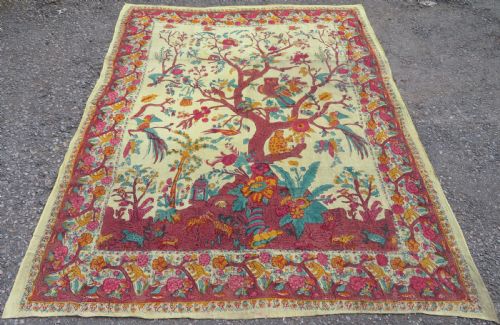
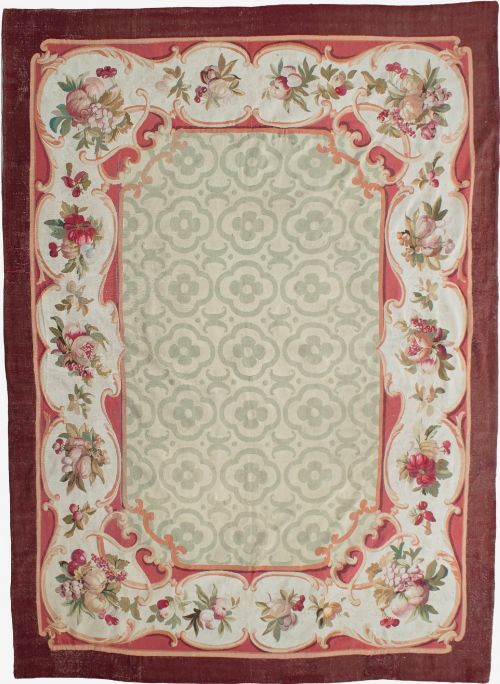
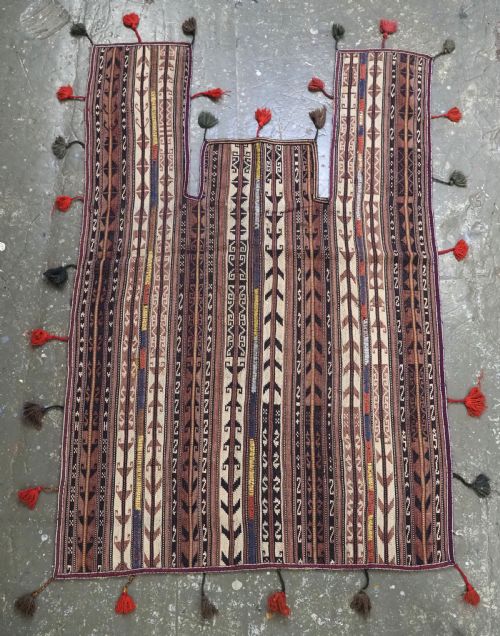
A vintage tapestry rug encompasses flatweaves, embroideries, and textile panels originating from diverse traditions, including Central Asian tribal workshops and European studios. Buyers exploring this category encounter floor carpets, wall hangings, ceremonial horse covers, and detailed dowry embroideries.
The selection ranges from geometric kilims and pile carpets to silk suzanis and felt appliqués, spanning periods from the mid-nineteenth century into the twentieth century. These textiles served both utilitarian functions in nomadic households and decorative roles in formal interiors.
Regional styles dictate the visual language, with specific motifs and colour palettes identifying pieces from Uzbekistan, Persia, Romania, and Turkmenistan. Each format reflects the cultural practices and textile techniques of its specific origin.
How they were made
Artisans constructed these textiles using natural materials such as wool, cotton, silk, and felt, often incorporating natural dyes to achieve varied colour palettes. Foundations frequently employ sturdy cotton or wool canvases to support dense stitching and flatwoven structures.
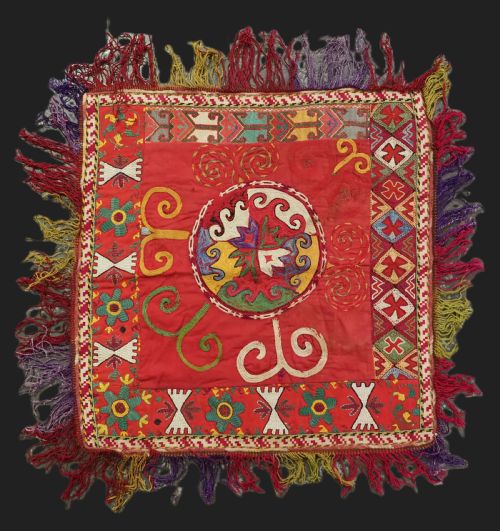
Techniques vary from needlepoint embroidery and silk-on-silk stitching to warp-faced flatweaving and felt applique work. Skilled makers combined these methods with structural elements like leather binding and wooden support components where appropriate.
Vintage Tapestry Rug Retail Price Guide 2026
Typical asking prices for vintage tapestry rug among the pieces listed under this phrase on Sellingantiques today, from the lower quarter to the upper quarter. They describe what is for sale here now, not the wider market.
Listings feature textiles spanning from the mid-nineteenth century through the 1940s, utilising cotton, wool, silk, and felt materials.
What varies in quality
Quality in these textiles depends upon the precision of the needlework, the complexity of the design layout, and the integrity of the base materials. Finer examples display tight, even stitching and well-balanced compositions that maintain their structural stability.
The depth and vibrancy of the coloration, particularly in pieces utilising natural dyes, contribute significantly to the visual merit of the piece. Preservation of the original format, whether an embroidered hanging or a flatwoven carpet, also distinguishes superior specimens.
The Vintage Tapestry Rug Glossary
- Kilim
- A flatwoven carpet or rug produced without a pile, common in traditional weaving traditions across Eastern Europe and the Near East. These textiles are constructed by tightly interweaving warp and weft strands to create flat geometric patterns.
- Suzani
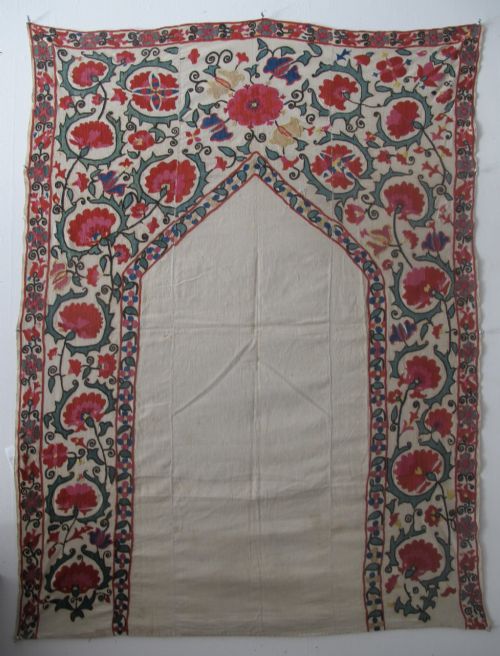
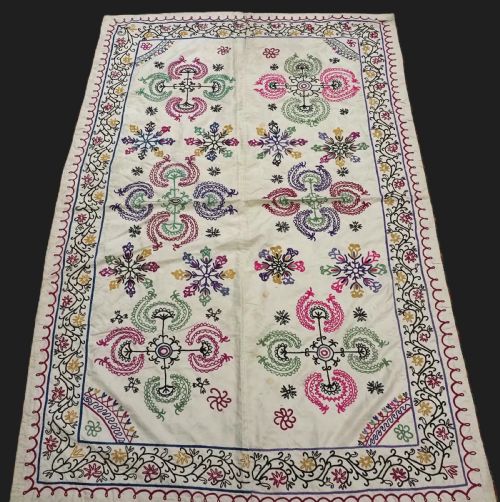
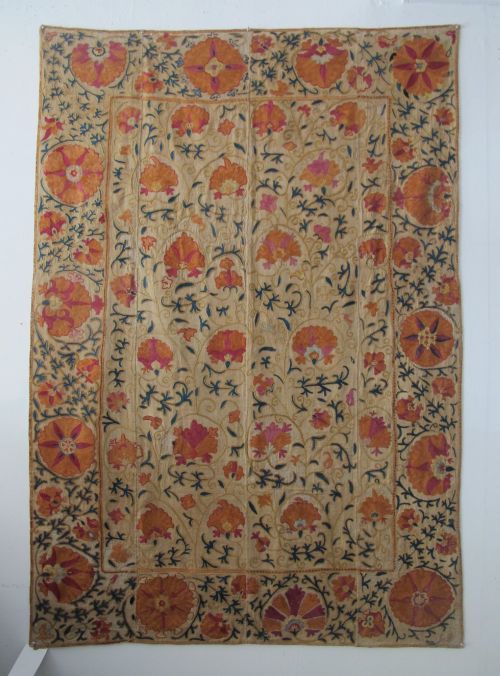
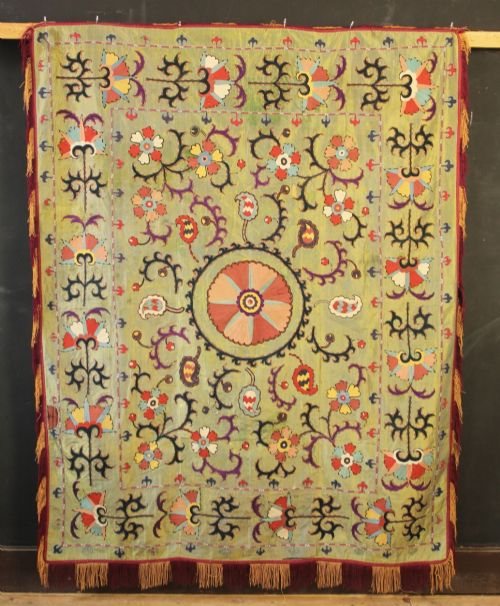
- A type of embroidered textile traditionally made in Tajikistan, Uzbekistan, and other Central Asian regions. These pieces usually feature large floral or architectural motifs stitched on cotton or silk foundations.
- Asmalyk
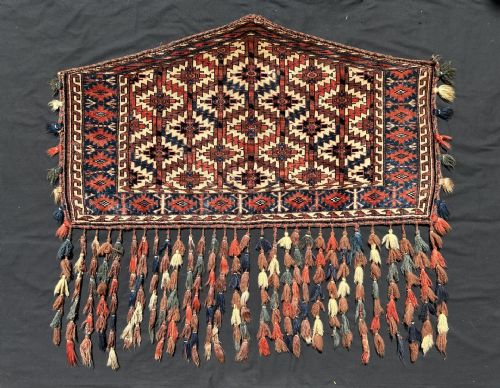
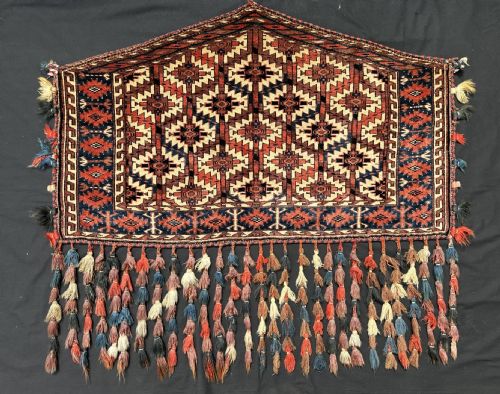
- A pentagonal trapezoid trapping produced by Turkmen tribes, traditionally hung inside a yurt or used in wedding processions. They often feature complex geometric guls and careful wool construction.
- Applique
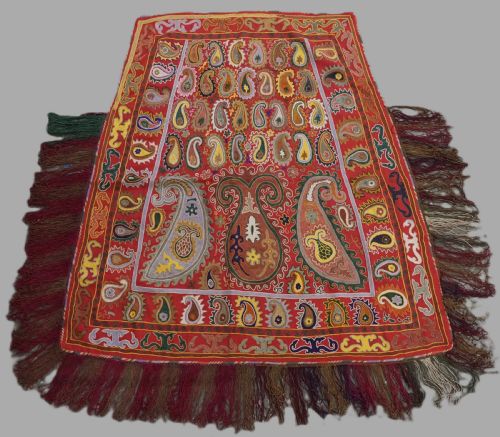
- A sewing technique in which smaller pieces of fabric, such as felt or silk, are sewn onto a larger background panel to build up a decorative design. This method is frequently observed in Persian Rasht embroideries.
- Sofreh
- A utilitarian textile used as a spread for eating or food preparation among nomadic and semi-nomadic groups. These flatweaves combine practical function with traditional tribal designs.
- Gul
- A medallion-like design element used repeatedly as a primary motif in Central Asian carpets and tribal weaving. The specific form of the gul often identifies the particular tribe or clan that made the piece.
Vintage Tapestry Rug: Frequently Asked Questions
What is a vintage tapestry rug?
A vintage tapestry rug is a woven or embroidered textile originating from traditions across Central Asia, Europe, and Persia, dating from the nineteenth and twentieth centuries.
These pieces encompass flatwoven kilims, silk embroideries, and wall panels that served both domestic and ceremonial purposes.
How do I care for a vintage rug?
Care for these textiles involves gentle vacuuming without a rotating brush and keeping them out of direct sunlight to protect natural dyes.
Professional textile cleaning is recommended to maintain the integrity of delicate silk or wool fibres over time.
How can I identify regional styles?
Regional styles are distinguished by specific motifs, such as geometric guls on Turkmen pieces or large floral medallions on Uzbek suzanis and Romanian kilims.
The choice of materials, including silk-on-silk embroidery or felt applique, also points directly to the geographic origin of the work.