

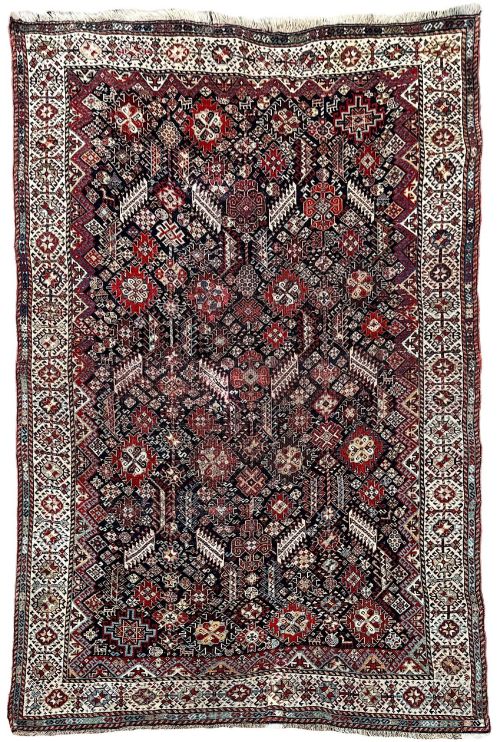




Qashqai Nomadic Carpet
A qashqai nomadic carpet brings the rich visual heritage of south-west Persia directly to the floor.
Qashqai Nomadic Carpet
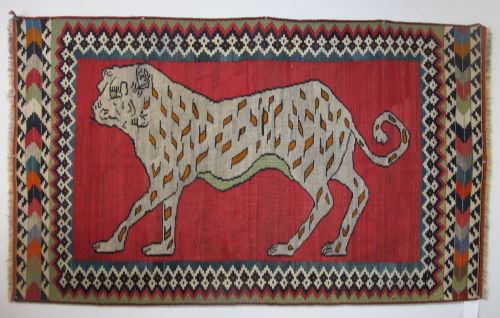
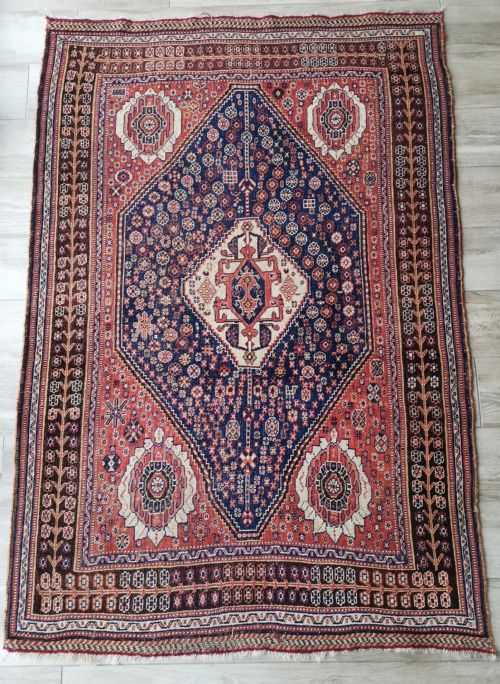
A qashqai nomadic carpet encompasses woven tribal rugs, flat-woven kilims, saddle bag cushions and long runner formats originating from south-west Persia. The selections here span the nineteenth and early twentieth centuries, capturing the distinct artistic output of nomadic weavers working within tribal confederacies.
Buyers frequently encounter traditional formats featuring geometric central medallions, tree of life compositions, and figurative motifs such as lions and peacocks. These textiles range from smaller village rugs to larger main carpets suitable for anchoring a principal room.
The inventory heavily represents historic Persian tribal artistry, connecting contemporary interiors with traditional nomadic craftsmanship through enduring geometric layouts and distinct regional palettes.
How they were made
These carpets are constructed using hand-spun wool for the pile and structure, combined with cotton foundations in specific examples. Natural dyes provide the underlying coloration, yielding rich and variable tones across the surface of each textile.
Nomadic weavers utilised traditional upright or horizontal floor looms, executing both pile-woven techniques and flat-woven kilim structures. The careful preparation of hand-spun wool ensured a durable fabric capable of enduring the practical demands of daily nomadic life.
Qashqai Nomadic Carpet Retail Price Guide 2026
Typical asking prices for qashqai nomadic carpet among the pieces listed under this phrase on Sellingantiques today, from the lower quarter to the upper quarter. They describe what is for sale here now, not the wider market.
Listings span from the mid-nineteenth century through the early twentieth century, focusing on wool construction and natural dyes.
What varies in quality
The overall fineness of the weave and the complexity of the tribal iconography distinguish exceptional examples from standard production. Greater knot density and intricate detailing in borders and central motifs indicate superior craftsmanship by the weaver.
The depth and nuance of natural dye colours contribute significantly to the visual stature of a carpet. Uniformity in hand-spun wool preparation and the preservation of the original pile height maintain the structural integrity and aesthetic impact of the piece.
The Qashqai Nomadic Carpet Glossary
- Kilim
- A flat-woven textile produced without a pile, traditionally utilised as a floor covering or storage hanging by nomadic tribes.
- Gabbeh
- A coarse, thick-piled rug featuring sparse, abstract geometric designs, historically woven for household utility.
- Medallion
- A central ornamental motif dominating the field of a carpet, often geometric or floral in configuration.
- Khamseh
- A confederation of five tribes in south-west Persia sharing stylistic and weaving traditions closely related to neighbouring groups.
- Shekarlu
- A specific sub-tribe within the Qashqai confederation known for distinct border designs and pictorial motifs.
Qashqai Nomadic Carpet: Frequently Asked Questions
Where were qashqai nomadic carpets made?
These textiles were produced by nomadic and village weavers in south-west Persia, particularly within the region historically associated with the Qashqai tribal confederacy.
Weavers travelled seasonally across these landscapes, drawing inspiration from their immediate environment for the geometric patterns and pictorial motifs embedded in the wool.
How do I style a tribal rug at home?
A qashqai nomadic carpet works effectively as a focal point in living rooms, studies, or hallways, adding warmth and historical texture to modern or traditional interiors.
Pacing the textile over neutral flooring allows the rich natural dyes and intricate tribal motifs to remain visually prominent without overwhelming the surrounding space.
What is the difference between a rug and a kilim?
A traditional rug incorporates a thick wool pile knotted onto a foundation, offering a plush surface underfoot and substantial weight.
In contrast, a kilim is flat-woven without pile, resulting in a lighter, reversible textile with a smooth surface texture.