





Handwoven Tent Bag
A handwoven tent bag brings nomadic Central Asian heritage into a modern interior, offering rich tribal patterns and deep historical resonance.
Handwoven Tent Bag
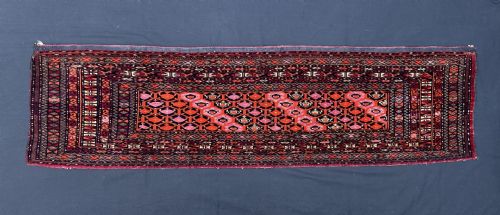
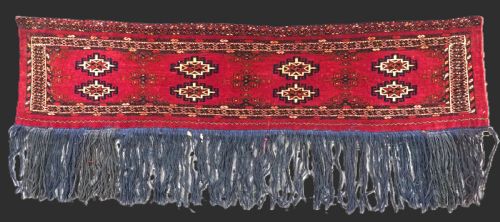
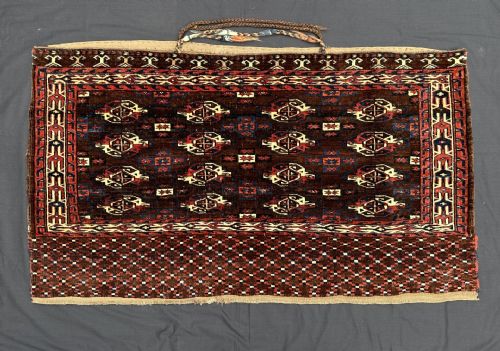
When searching for a handwoven tent bag, collectors examine authentic tribal textiles originating from Central Asian regions such as Turkmenistan and the Trans-Caspian steppes. These pieces encompass various utilitarian forms including storage bags, face pieces, and tent pole bags created by tribes like the Yomut, Saryk, and Ersari.
The items seen on this page date from the mid-nineteenth century through to the early twentieth century, specifically spanning the decades between 1850 and 1900. They include larger chuval storage sacks, smaller torba bags used for dowry or household goods, and specialised okbash tent-pole bags.
Tribal weavers produced these items for practical nomadic use inside traditional dwellings, yet their intricate designs and structured formats now serve as striking textile wall hangings or decorative rug panels. Each piece reflects the distinct visual vocabulary of specific tribal groups residing across Central Asia.
How they were made
Nomadic weavers constructed these textiles primarily using hand-spun wool and standard wool, occasionally incorporating white cotton and crimson silk for contrast and structural detail. Artisans employed natural dyes to achieve deep, lasting hues across the woollen pile and flatwoven grounds.
The construction techniques relied on dense knotting and careful weaving to withstand daily nomadic life inside tents. Many surviving examples retain their original woollen backs or finish with specific tribal gul motifs woven directly into the fabric structure.
Handwoven Tent Bag Retail Price Guide 2026
Typical asking prices for handwoven tent bag among the pieces listed under this phrase on Sellingantiques today, from the lower quarter to the upper quarter. They describe what is for sale here now, not the wider market.
Listings feature pieces utilising wool, natural dyes, cotton, and silk across periods spanning 1850 to 1900.
What varies in quality
The finesse of the weave separates standard utilitarian pieces from exceptional dowry or tribal examples, with tighter knots yielding sharper geometric definition. The complexity and clarity of traditional motifs, such as Salor guls or specialised secondary patterns, dictate the visual strength of the textile.
Condition and completeness also define the piece, as items retaining their original wool backs or structural components present a more complete historical record than isolated bag faces.
The Handwoven Tent Bag Glossary
- Chuval
- A large tent storage bag traditionally used by Turkmen nomads for household possessions. These sacks were woven in panel form and later separated or preserved whole.
- Torba
- A smaller tribal bag format typically employed for dowry items or specific storage within the yurt. They frequently feature intricate primary guls and meticulous border work.
- Okbash
- A specialised tent-pole bag designed to cover the ends of wooden struts inside a nomadic dwelling. These pieces possess a distinctive shape tailored to their specific utilitarian function.
- Gul
- A medallion motif repeated across tribal rugs and bags to identify specific clans or regions. These primary design elements vary by tribe, including Yomut and Saryk variations.
- Beshir
- A regional style associated with Ersari weavers residing near the Amu Darya river basin. These textiles often incorporate alternative palettes and design influences such as ikat patterns.
Handwoven Tent Bag: Frequently Asked Questions
How were these bags used?
Nomadic families used large chuval bags for storing blankets, clothing, and possessions inside their dwellings. Smaller torba bags held smaller household items or served specific roles in traditional dowries.
Specialised okbash pieces covered the exposed ends of wooden tent poles to protect the structure and decorate the interior space. Every bag fulfilled a distinct practical requirement within daily nomadic life.
How do I date a tribal bag?
Dating relies on examining the materials, dyestuffs, and structural characteristics visible in the weave. Pieces seen on this page generally date from the mid-nineteenth century to 1900, reflecting nineteenth-century nomadic production methods.
Earlier examples often display certain natural dye palettes and finer hand-spun wool structures. Comparing the specific tribal gul designs against known historical examples helps narrow the period of creation.
How do I display a textile bag?
These textiles adapt well to interior display when mounted securely as wall hangings or placed where foot traffic is absent. Protecting the wool from direct sunlight preserves the natural dyes used by the original weavers.
Many collectors prefer framing or hanging them flat to showcase the complete design geometry. Allowing the textile to breathe ensures the historical wool and cotton fibres remain stable over time.