

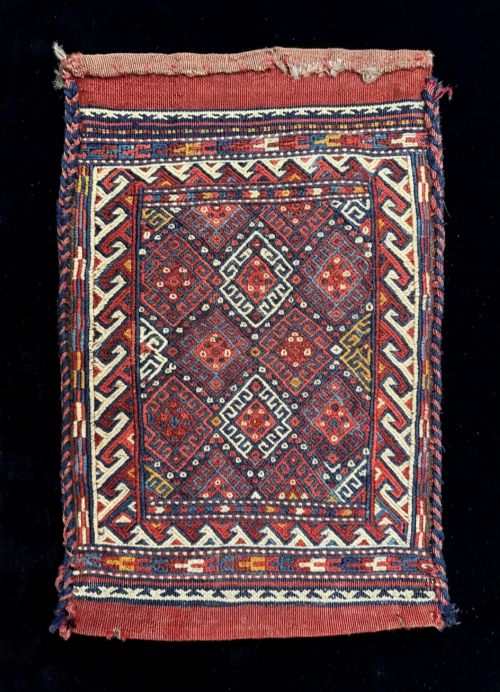
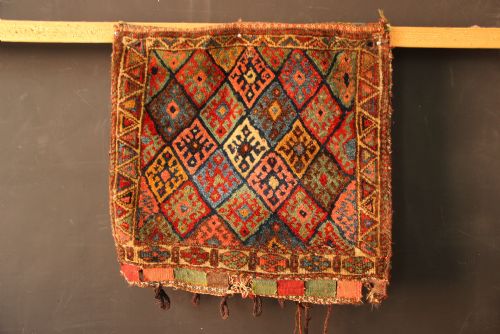



Handwoven Persian Tribal Cushion
These handwoven persian tribal cushion pieces are historic saddlebags and storage sacks transformed into soft furnishings, prized for their genuine nomadic artistry and rich colour.
Handwoven Persian Tribal Cushion
A handwoven persian tribal cushion typically originates from nineteenth-century nomadic and village groups across Persia, including Qashqai, Baluch, Kurdish, Luri, and Bakhtiari tribes. Buyers encounter these textiles repurposed from utilitarian items such as saddlebags, grain sacks, and storage bags into functional home accessories.
The regional variety is wide, spanning the Khorasan province in the north-east to the Zagros mountains in the west. Pieces often retain elements of their original construction, such as kilim flatweave backs or complete saddlebag formats adapted for modern seating.
Markers of quality and craftsmanship
Quality rests in the fineness of the knotting, the complexity of the tribal geometry, and the integrity of the surviving weave. Superior examples display precise execution in traditional motifs and exceptional depth of colour from natural dyes.
The retention of original bag faces, complete backs, and authentic structural elements elevates a piece beyond simpler fragments. The harmony of the palette and the clarity of the nomadic design dictate the visual strength of the textile.
Handwoven Persian Tribal Cushion Retail Price Guide 2026
Typical asking prices for handwoven persian tribal cushion among the pieces listed under this phrase on Sellingantiques today, from the lower quarter to the upper quarter. They describe what is for sale here now, not the wider market.
Listings feature natural dyes, hand-spun wool, and cotton across periods spanning from the eighteen-fifties through the early twentieth century.
The Handwoven Persian Tribal Cushion Glossary
- Bag face
- The decorative front panel of a nomadic storage sack or saddlebag, most commonly utilised for cushions.
- Khorjin
- The Persian term for a double saddlebag, often separated or adapted into individual cushions.
- Kilim
- A flatweave textile lacking pile, frequently forming the backings or gussets of tribal bags.
- Natural dyes
- Colourants derived from plant, insect, and mineral sources, standard in nineteenth-century Persian weaving.
- Tacheh
- A traditional large storage sack or wheat-sack woven by nomadic and village tribes.
Handwoven Persian Tribal Cushion: Frequently Asked Questions
What is a tribal bag face?
A tribal bag face is the ornamented front panel of a utilitarian nomadic container, such as a saddlebag or storage sack. These panels carried the primary geometric patterns and iconography of the weaver's specific tribe.
Today, these durable panels are carefully converted into cushions while preserving their historical surface and construction.
How do I care for an antique cushion?
These antique textiles require gentle treatment, primarily light vacuuming without a rotating brush and professional specialist cleaning when necessary. Keeping them out of direct, harsh sunlight protects the natural dyes from fading over time.
Using a suitable inner pad that fills the corners ensures the historic wool and flatweave structure maintains proper support without undue strain.
Are these cushions made from original bags?
Yes, the pieces are created from authentic nineteenth-century and early twentieth-century nomadic textiles, including saddlebags, grain sacks, and vanity bags. Many retain original flatweave backs, kilim sections, or side attachments from their days of functional use.
Makers adapt these historic items into cushions to preserve the textile art for contemporary interiors.