




Persian Tribal Flatweave
A persian tribal flatweave represents the utilitarian textile artistry of nomadic and village groups, offering geometric designs and rich regional character that collectors value for domestic interiors.
Persian Tribal Flatweave
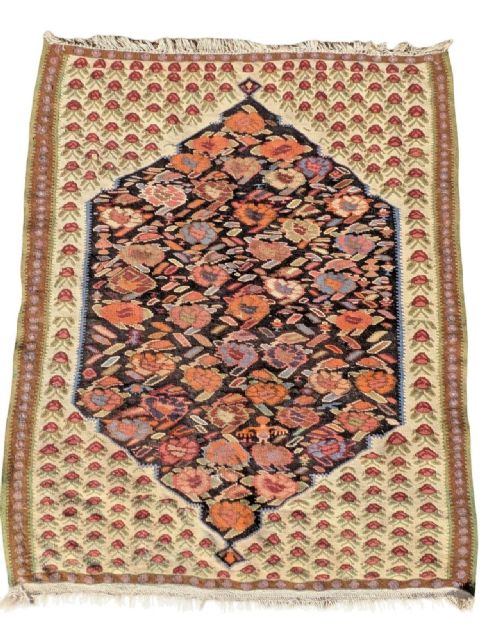
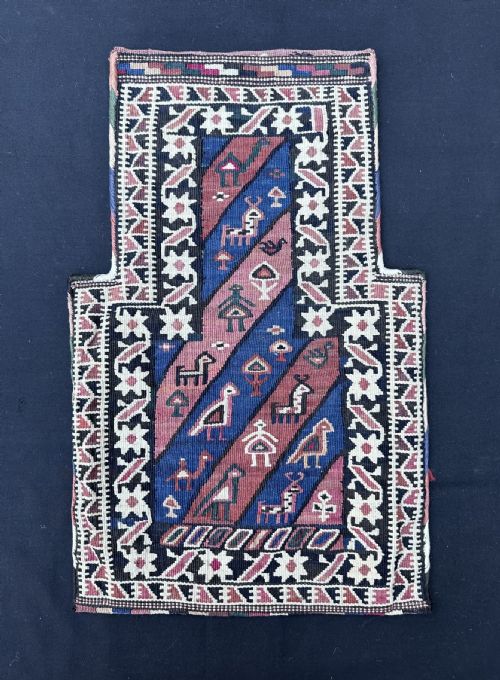
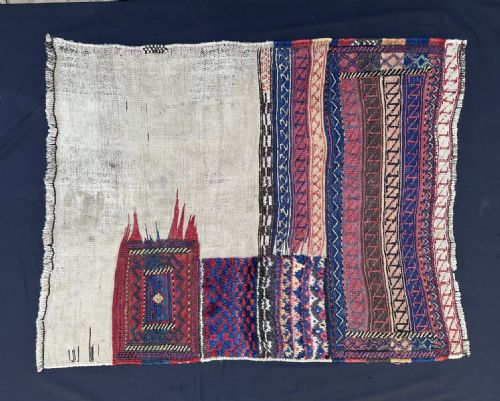
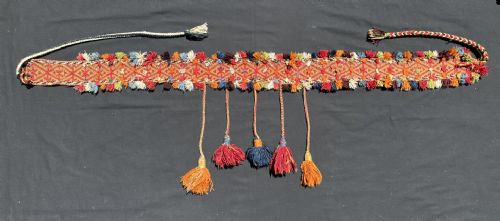
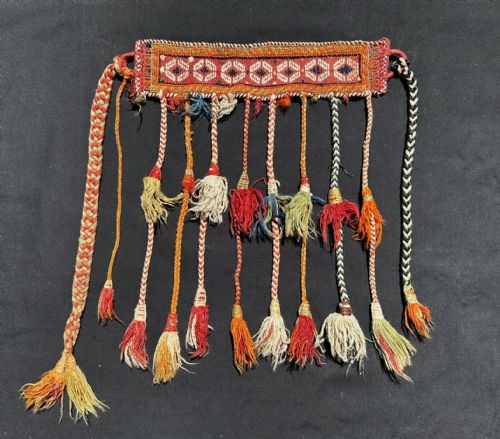
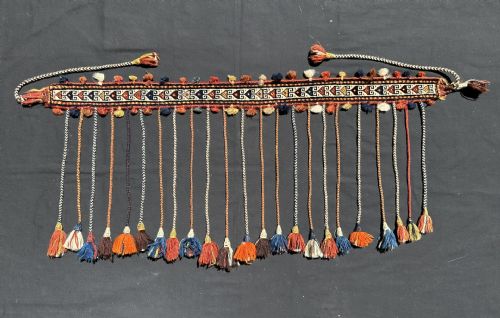
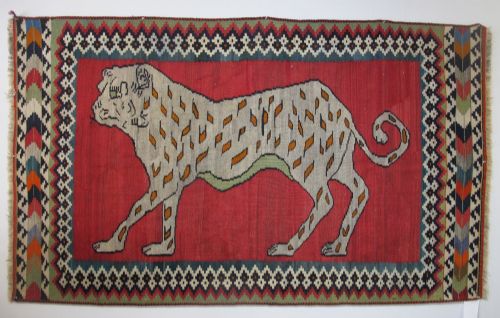
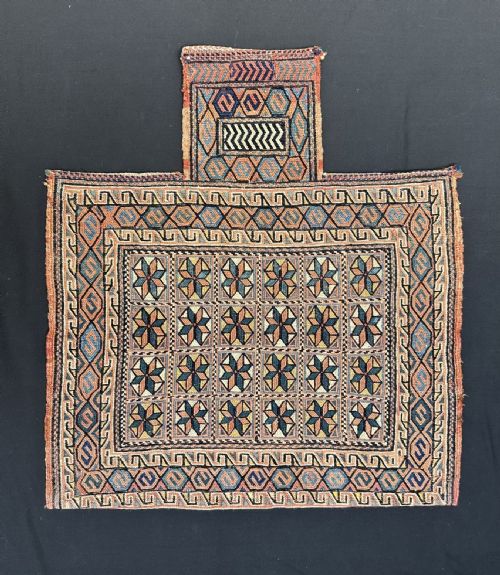
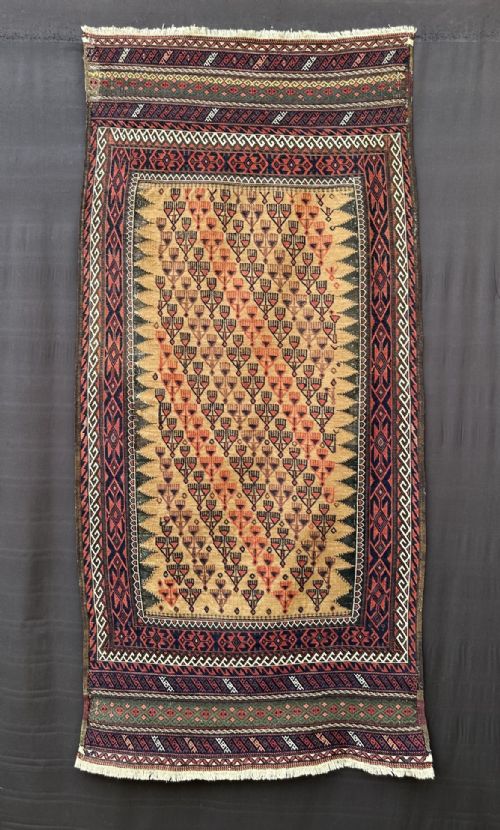
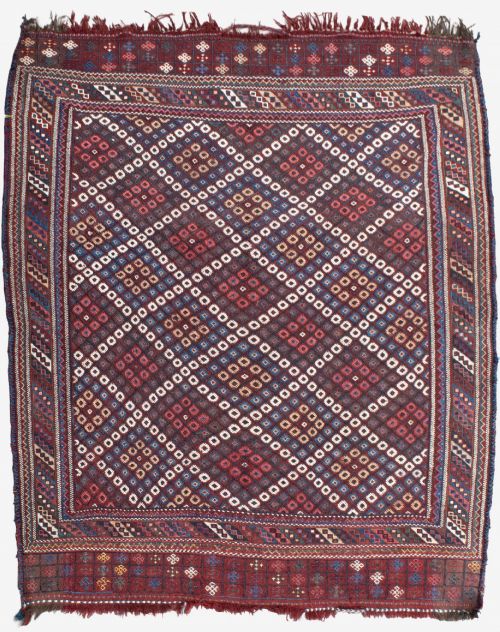
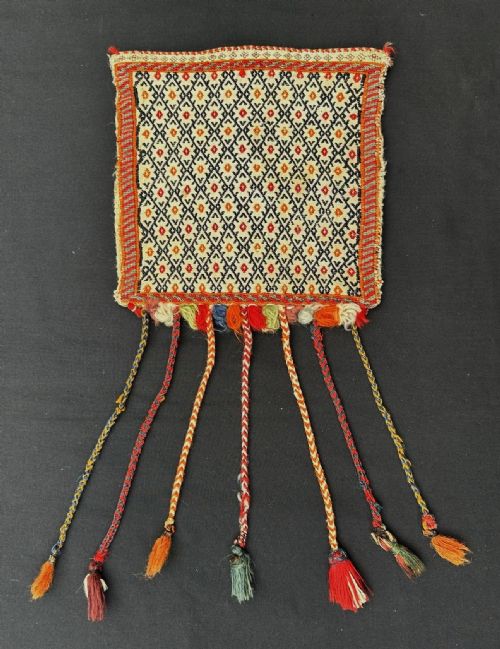
A persian tribal flatweave encompasses practical objects made by nomadic confederacies and village groups across regions like Fars, Kerman, and Khorassan. These items range from large room-size carpets and kilims to specific utility pieces such as salt bags, bread sofrehs, animal trappings, and grain bags.
The objects seen here reflect the output of distinct groups including the Qashqa'i, Afshar, Bakhtiari, Shahsavan, and Baluch tribes. Each weaving tradition utilises specific structural methods and local motifs passed down through generations within particular regional boundaries.
Buyers encountering this group will find diverse forms spanning the nineteenth and early twentieth centuries, dominated by kilims and utilitarian containers. These pieces provide direct insight into the domestic and pastoral lives of the makers through practical weaving rather than purely decorative output.
Materials and Construction Techniques
Weavers relied primarily on hand-spun wool for the foundation and surface, occasionally incorporating cotton for structural strength or goat hair for durable edges and selvedges. Silk appears in specific decorative flatweaves like jajims, while natural dyes derived from plants and minerals supplied the palette across all regions.
The construction relies on interweaving warp and weft threads without knotted piles, creating crisp geometric patterns through slit-tapestry techniques or supplementary weft-wrapping methods like Soumak. This planar structure kept the textiles lightweight and functional for nomadic transport.
Nomadic weavers occasionally incorporated cowrie shells into storage bags to ward off the evil eye.
Factors Determining Quality
Quality in these flatweaves rests on the tightness of the weave, the handling of the wool, and the clarity of the design geometry. Tighter packing of the weft threads creates a firmer, more durable textile that preserves intricate motifs over decades of daily use.
The depth and variation of the dye colours contribute significantly to visual success, particularly where natural colour shifts occur within individual strands of wool. Finer examples display precise control over complex iconography, such as animal trappings or specific tribal medallions, executed with balanced proportions.
The Persian Tribal Flatweave Glossary
- Kilim
- A flatwoven textile produced without a pile by tightly interleaving warp and weft threads. This technique creates a lightweight fabric with identical patterns visible on both sides.
- Sofreh
- A cloth used specifically for sharing meals, kneading bread, or spreading food on the ground. These rectangular pieces often feature strong central fields flanked by simple borders.
- Soumak
- A supplementary weft-wrapping technique that produces a textured, braided surface on the face of the textile and loose floats on the reverse. It adds structural thickness and durability to utility bags and rugs.
- Jajim
- A tightly woven flat textile traditionally constructed from narrow strips stitched together, often characterised by bold stripes or geometric patterns. Silk and wool variants served both decorative and practical domestic functions.
- Tacheh
- A specific type of storage container or grain bag produced by nomadic women. These pieces combine utilitarian service with precise regional iconography.
Persian Tribal Flatweave: Frequently Asked Questions
What is a tribal flatweave?
A tribal flatweave is a non-pile textile created by nomadic or village weavers using tapestry or wrapping techniques. These pieces served practical domestic functions rather than acting as purely decorative floor coverings.
They encompass items such as rugs, sofrehs, and storage bags produced across various Persian provinces using local wool and natural dyes.
How were salt bags used?
Salt bags served as functional containers for storing and transporting rock salt or household items within nomadic camps. Their small format allowed them to be hung inside tents or loaded onto pack animals.
Weavers decorated these utilitarian objects with traditional tribal motifs that reflected their specific sub-tribe and region.
How do I identify different tribes?
Tribal attribution relies on specific combinations of structure, colour palette, and recurring geometric motifs unique to groups like the Qashqa'i, Afshar, or Shahsavan. Certain weaving structures, such as specific Soumak wraps or slit-tapestry intervals, point directly to particular geographic areas.
Examining the materials, such as the inclusion of goat hair or specific wool preparations, aids in confirming the origin.
How do I care for antique flatweaves?
Antique flatweaves require gentle treatment, starting with regular, low-suction vacuuming without a rotating brush bar to remove embedded dust. Keeping them out of direct sunlight prevents the natural dyes from fading over time.
Using a breathable underlay helps secure the textile on smooth floors and prevents unnecessary friction against the flat structure.