


Tribal Kilim Textile
When you explore a tribal kilim textile, you encounter flatwoven wool and silk creations made by nomadic groups for daily use.
Tribal Kilim Textile
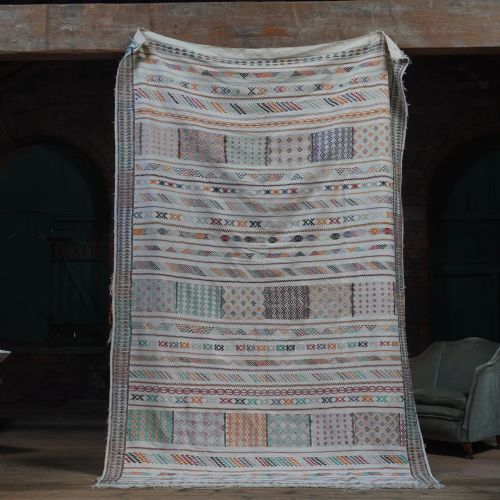
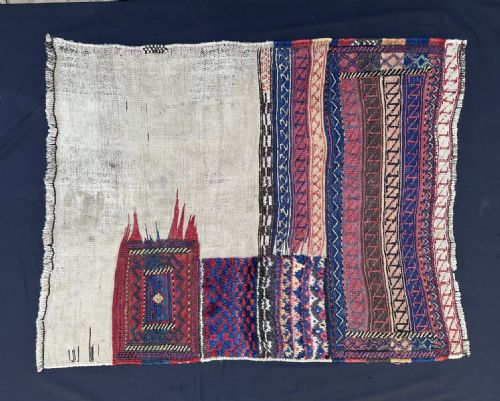
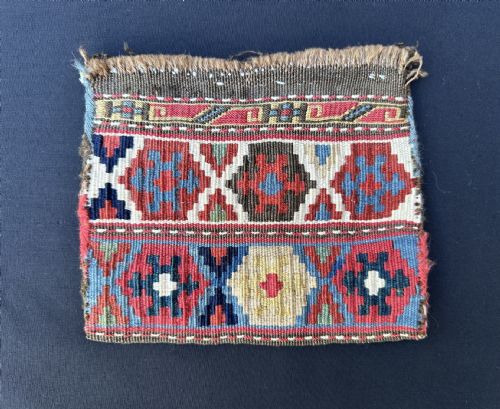
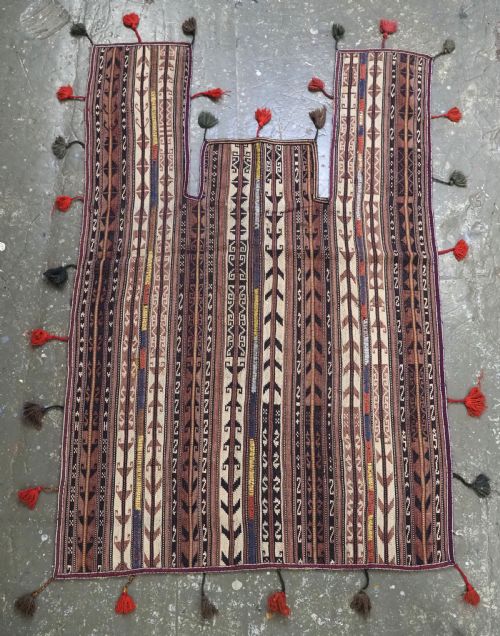
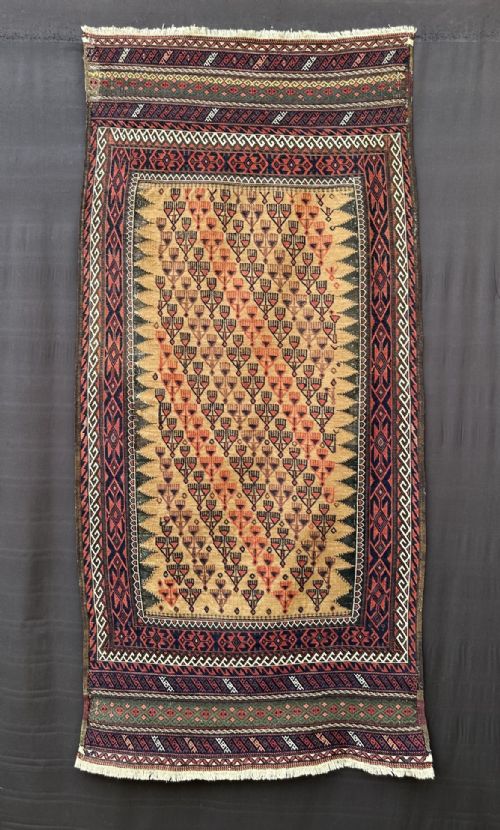
A tribal kilim textile encompasses flatwoven rugs, covers, storage bags, and eating cloths produced by nomadic and village weavers across Persia, the Caucasus, Central Asia, and Anatolia. When you search for this phrase, you find utilitarian objects such as bread sofreh, grain sacks, and horse blankets that served practical purposes within tribal camps. The pieces on this page span from the late nineteenth century into the early twentieth century, reflecting traditional weaving methods passed down through generations.
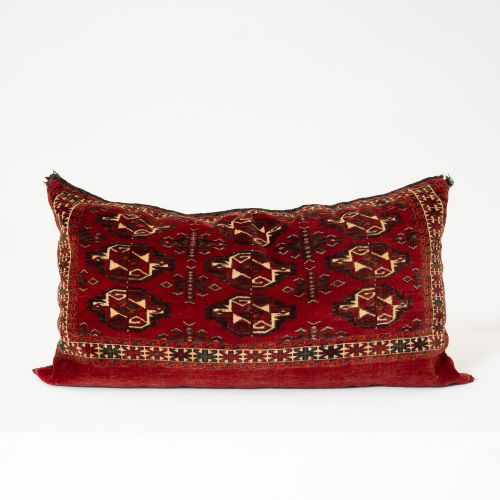
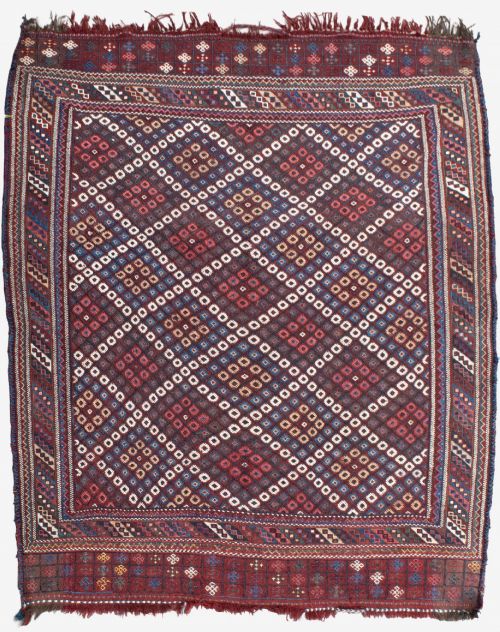
The selection ranges from complete storage bags and tent bands to panels repurposed into cushions and small kilims. Many items originate from specific confederacies and tribes, including the Qashqa'i, Shahsevan, Yomut Turkmen, and Bakhtiari. These textiles bring geometric patterns and functional designs into modern interiors as wall hangings or floor coverings.
What varies in quality
Quality in these textiles rests upon the tightness of the weave, the fineness of the spun wool, and the complexity of the geometric layout. Tighter packing of the weft threads creates a firmer, more durable fabric that holds its structural integrity across decades of use.
The integrity of natural dyes and the precision of the tribal motifs also distinguish superior examples. Pieces retaining original backs, tassels, and complete panel configurations demonstrate higher preservation standards among surviving nomadic textiles.
Nomadic weavers packed entire households into woven bags, meaning your cushion once carried someone's best copper pot across a mountain pass.
The Tribal Kilim Textile Glossary
- Sofreh
- A flatwoven cloth used for dining, kneading bread, or serving food within nomadic households. These textiles usually feature strong geometric borders and field patterns.
- Mafrash
- A large rectangular storage bag or chest panel used by nomadic tribes for bedding and household goods during migration. They are frequently encountered as individual panels or reconstructed flatweaves.
- Tacheh
- A traditional grain or wheat sack woven by tribal groups to transport provisions. Their utilitarian design often employs sturdy banded weft work.
- Torba
- A small hanging bag produced by Turkmen and other Central Asian tribes for domestic storage inside tents. They often display intricate banded flatweave designs.
- Flatweave
- A textile produced without pile by interlocking warp and weft threads together. This technique creates a smooth, tapestry-like fabric utilised for rugs, bags, and covers.
Tribal Kilim Textile: Frequently Asked Questions
What is a sofreh used for?
A sofreh is a traditional flatwoven cloth spread upon the ground for dining or preparing bread within nomadic communities. They served as communal spaces for sharing meals and handling daily culinary tasks.
Over time, these textiles became prized for their bold graphic designs and minimalist geometric fields. Today, collectors often display them as wall hangings or place them in low-traffic areas of the home.
How do I care for a tribal flatweave?
Regular gentle vacuuming without a rotating brush helps remove dust and prevents fibres from breaking down. Keeping the textile out of direct sunlight protects natural dyes from fading.
If professional cleaning is required, specialists experienced in antique flatweaves should handle the piece. Spot cleaning should be avoided unless managed by a textile conservator.
What is a mafrash panel?
A mafrash is a large storage container used by nomads to pack bedding and belongings during seasonal migrations. The sides and ends were woven separately before being assembled into a heavy-duty box shape.
Surviving examples often appear as individual panels or flattened fragments. Many are framed or turned into small kilims and cushions.
How can I tell different tribal styles apart?
Tribal styles are distinguished by specific colour palettes, wool qualities, and characteristic geometric motifs unique to each region. For instance, Shahsevan weaving often incorporates fine banded patterns, while Qashqa'i textiles display rich reds and deep indigos.
Examining the structure, edge finishes, and secondary materials provides further clues to a piece's geographical origin and tribal confederacy.