

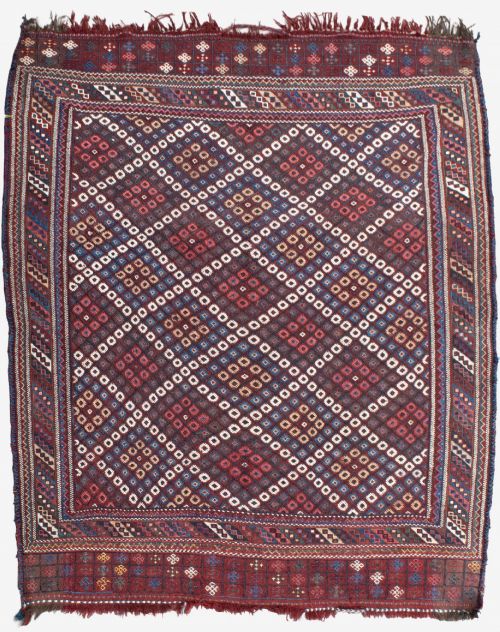


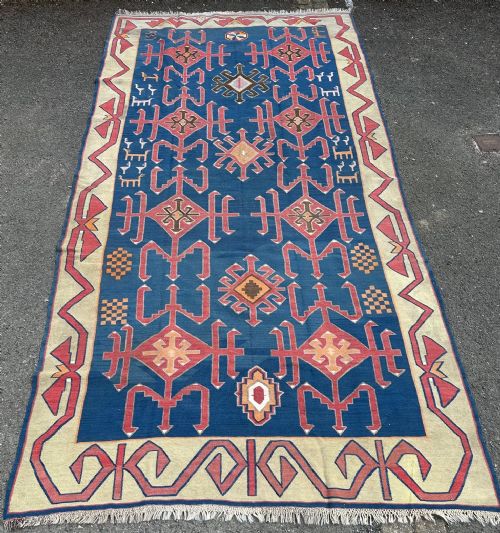


Handwoven Kilim Rug
A handwoven kilim rug brings rich tribal character and flat-woven textile history into a room through geometric patterns and authentic nomadic craftsmanship.
Handwoven Kilim Rug
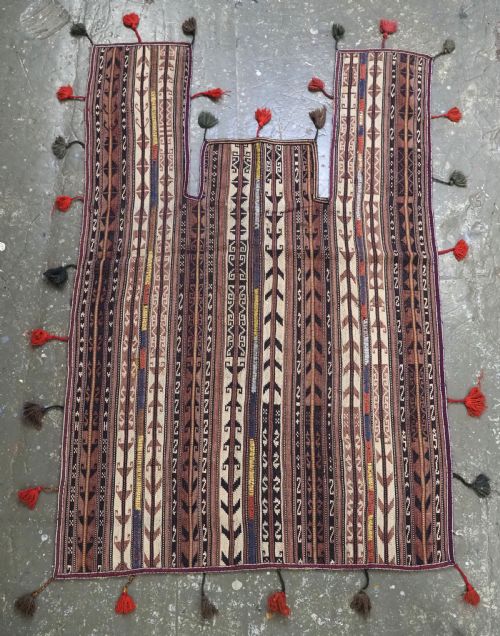
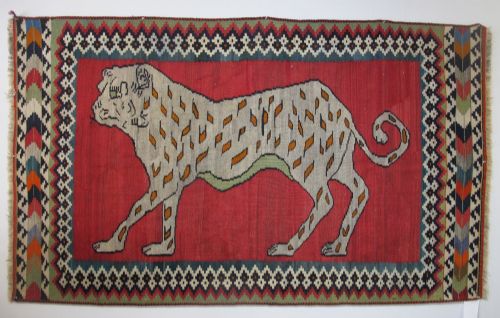
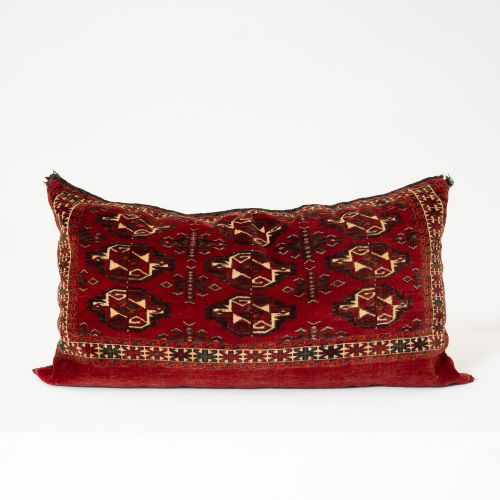
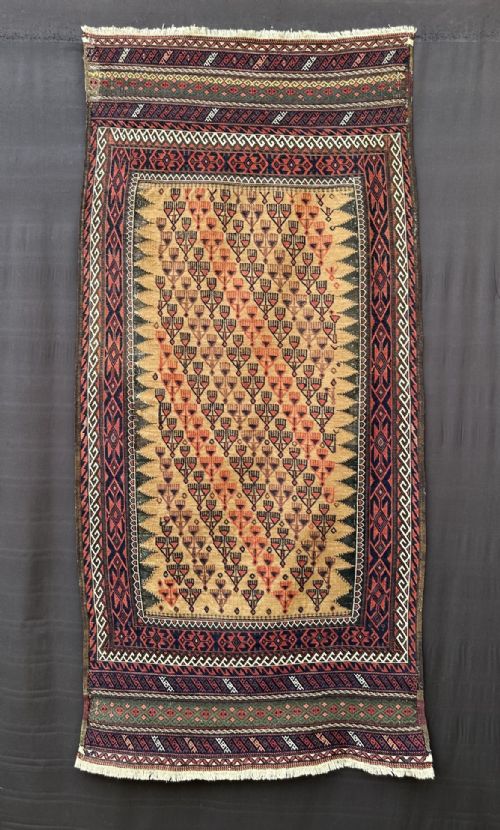
When you search for a handwoven kilim rug, you encounter flat-woven textiles produced by nomadic and village communities across Persia, the Caucasus, Anatolia, and Central Asia. These pieces served various utilitarian functions in daily tribal life, ranging from floor coverings and wall hangings to grain bags, dining cloths, and horse blankets.
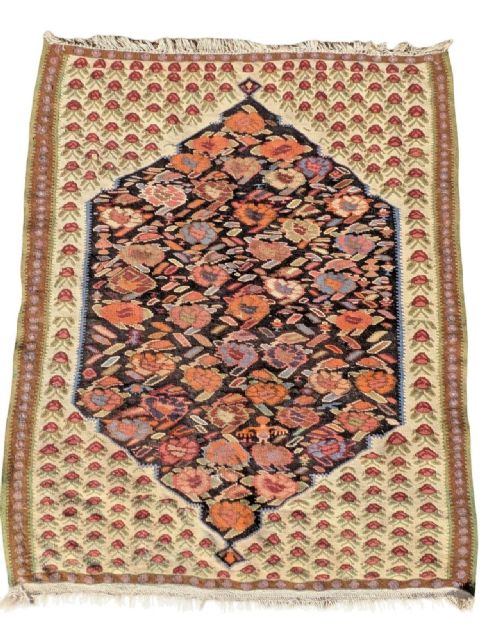
The selections available include room-sized carpets, runners, and smaller utility panels originating from the nineteenth and early twentieth centuries. Pieces associated with specific groups like the Qashqai, Afshar, Yomut Turkmen, and Shahsavan appear frequently across the inventory.
How they were made
Makers utilised hand-spun wool, cotton, and occasionally goat hair, weaving the structure without a pile using a slit-weave or banded flat-weave technique. This process creates sharp, graphic geometric contours as the weft threads wrap tightly around the warp.
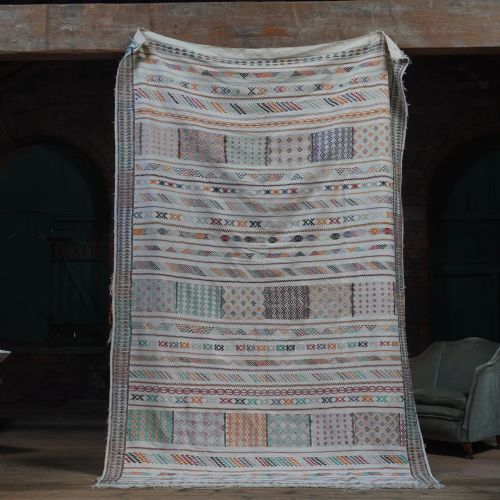
Natural dyes provide the palette, yielding rich tones that age with subtlety across the wool and occasional cactus silk fibres found in Moroccan variations.
Some dining cloths still bear the faint, storied traces of nomadic bread-making and communal feasts from a century ago.
What varies in quality
The distinction between a standard utility piece and a finer example rests on the tightness of the weave and the precision of the geometric layout. Tighter construction and complex banded designs indicate greater technical skill by the weaver.
Condition and integrity of the original edges, along with the depth and retention of natural colour palettes, define the standing of individual specimens within the range.
The Handwoven Kilim Rug Glossary
- Sofreh
- A flat-woven textile traditionally used as a spread for dining, kneading dough, or carrying bread within nomadic households.
- Mafrash
- A large storage bag or chest panel woven in flat-weave or pile techniques by Turkmen and other tribal groups.
- Warp
- The stationary vertical threads stretched onto a loom that form the structural foundation of the textile.
- Weft
- The horizontal coloured threads passed through the warp to create the visible pattern and flat-woven fabric.
- Slit-weave
- A foundational flat-weaving technique where the weft threads turn back at the boundary of a colour block, creating a small vertical slit in the fabric.
Handwoven Kilim Rug: Frequently Asked Questions
What is a kilim rug?
A kilim is a flat-woven textile produced on a vertical or horizontal loom without a raised pile. These pieces function as floor coverings, decorative panels, and utility cloths.
Nomadic weavers across Persia, Turkey, and the Caucasus utilised local wool and natural dyes to create distinctive geometric designs that reflect their regional tribal heritage.
How do I care for a flat weave?
Maintenance involves regular gentle vacuuming without a rotating brush roll to prevent snagging the flat-woven structure. Professional cleaning tailored for antique textiles preserves the wool fibres.
Keeping the textile out of direct sunlight prevents fading in the natural dyes used across older Anatolian and Caucasian pieces.
Where were these rugs made?
Originating primarily from nomadic and village workshops, these textiles stem from regions including Western and South Persia, the Caucasus, and Central Asia. Specific groups such as the Qashqai, Afshar, and Yomut Turkmen produced distinct regional styles.
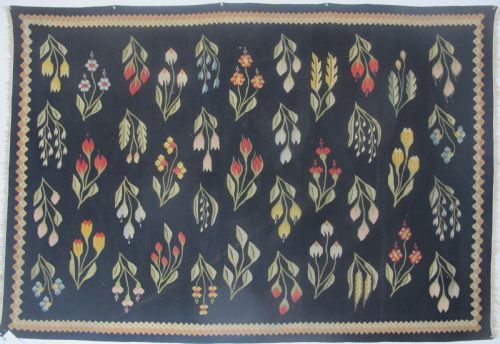
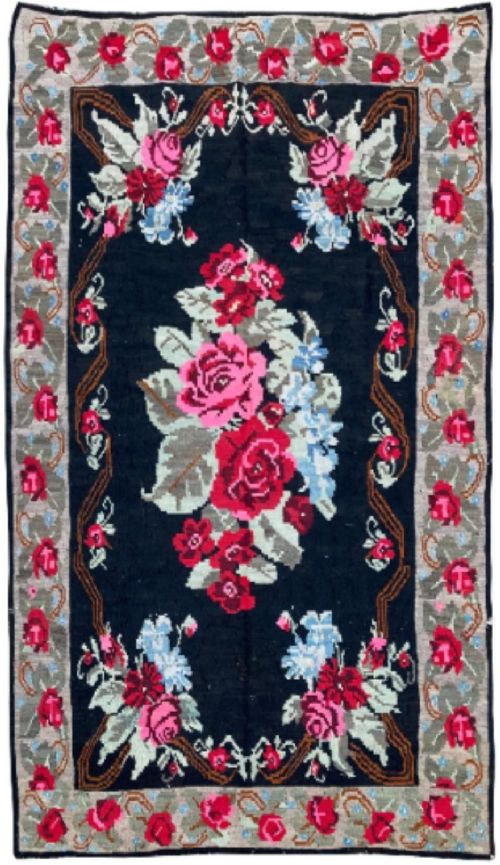
European examples from regions like Romania and Bessarabia also appear, showing floral influences distinct from tribal geometric designs.
How old are these vintage rugs?
The inventory spans the nineteenth century through the early twentieth century, with many examples dating from the decades around nineteen hundred. Dating relies on stylistic analysis, structural materials, and traditional weaving techniques characteristic of specific periods.
Earlier pieces often exhibit hand-spun wool and specific natural dye palettes that help distinguish them from later productions.