

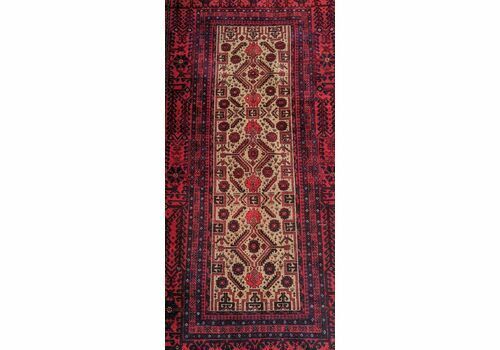
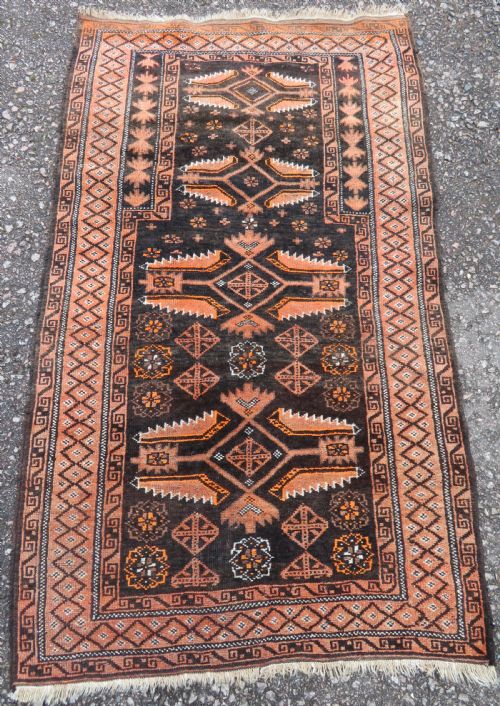


Handwoven Baluch Runner Rug
A handwoven baluch runner rug brings nomadic tribal craft into a hallway, offering rich wool texture and deep vegetable dyes.
Handwoven Baluch Runner Rug
A handwoven baluch runner rug represents the weaving traditions of nomadic and village groups across the borderlands of Persia and Afghanistan. These elongated floor coverings serve practical pathways in homes while displaying tribal motifs handed down through generations.
The pieces available span from the late nineteenth century through the early decades of the twentieth century. They include specific tribal groups such as the Taimani, Timuri, Mushwani, and Mahdad Khani, alongside prayer formats and flatwoven kilims.
Most examples reflect regional Afghan and Persian influences, incorporating deep palettes and geometric field patterns. Buyers encounter everything from compact village formats to longer corridor runners created for nomadic tents and houses.
How they were made
Weavers construct these textiles primarily from wool, occasionally incorporating camel wool, cotton, and goat hair for structural strength or contrasting pile details. Natural dyes provide the distinct palette of saturated reds, deep indigos, and warm earth tones found across the pile and flatweave sections.
The creation process combines knotted pile techniques with flatwoven kilim bands, sometimes utilising mixed techniques or joining two separately woven panels together. This construction gives the textiles their characteristic durability and varied surface texture.
Handwoven Baluch Runner Rug Retail Price Guide 2026
Typical asking prices for handwoven baluch runner rug among the pieces listed under this phrase on Sellingantiques today, from the lower quarter to the upper quarter. They describe what is for sale here now, not the wider market.
Some weavers cleverly joined two separate runner panels down the middle, creating a wide floor covering out of narrow nomadic looms.
What varies in quality
The handling of natural dyes and the depth of the resulting colours dictate much of the visual strength in these textiles. Rich, saturated hues that show subtle tonal variations indicate skilled dye work and careful preparation of the wool.
Structural integrity depends on the tightness of the weave and the preservation of the original side cords and end finishes. Finely knotted pile combined with secure flatwoven bands demonstrates superior craftsmanship from the weaver.
Djhan Beghi Tribe·Mahdad Khani Tribe
The Handwoven Baluch Runner Rug Glossary
- Kilim
- A flatwoven textile produced without a raised pile. These pieces rely on interlocking weft techniques to create crisp geometric patterns.
- Prayer rug
- A format featuring a specific mihrab or arch design indicating the direction of prayer. These rugs were traditionally used for daily devotions.
- Sofreh
- A spreading cloth used for kneading bread or serving meals within nomadic households. They often display specific tribal symbols and flatwoven borders.
- Natural dyes
- Colourants derived from plants, insects, and minerals rather than synthetic compounds. They yield harmonious, mellow tones that age gracefully over decades.
Handwoven Baluch Runner Rug: Frequently Asked Questions
How do I clean an old wool runner?
Gentle surface brushing and regular light vacuuming without a rotating beater bar help maintain the wool pile. Professional textile cleaning is necessary for deeper care.
Water and harsh detergents can damage natural dyes and weaken historical cotton or wool foundations. Keep the rug dry and away from prolonged direct sunlight.
Where were these rugs woven?
Nomadic and village weavers produced these textiles across the borderlands of Persia and Afghanistan. Khorasan and Western Afghanistan served as primary regions for these tribal workshops.
Different groups like the Taimani and Timuri contributed distinct regional designs and knotting techniques to their weaving tradition.
How do I date a tribal runner?
Examination of the wool quality, dye palette, and structural weave helps establish the approximate period. Pieces from the nineteenth century often show softer wool and deeply absorbed natural dyes.
Structural traits such as selvedge construction and end finishes also offer clues to the era of production.
Can I place a runner in a hallway?
These elongated textiles suit corridors and narrow spaces well, providing floor coverage and warmth. Placing a quality underlay beneath the rug prevents sliding and reduces friction.
Heavy foot traffic requires balancing the historic nature of the textile with practical placement in high-use areas.