
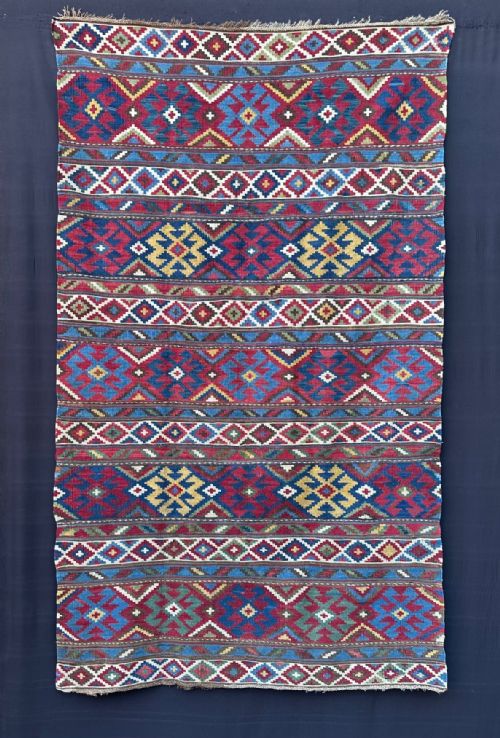


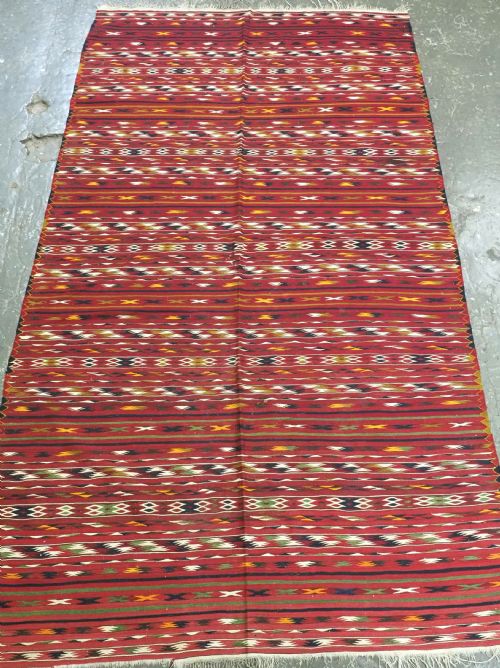


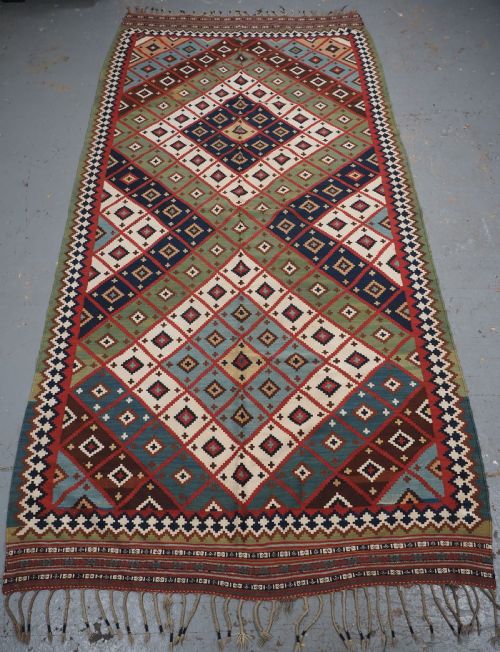
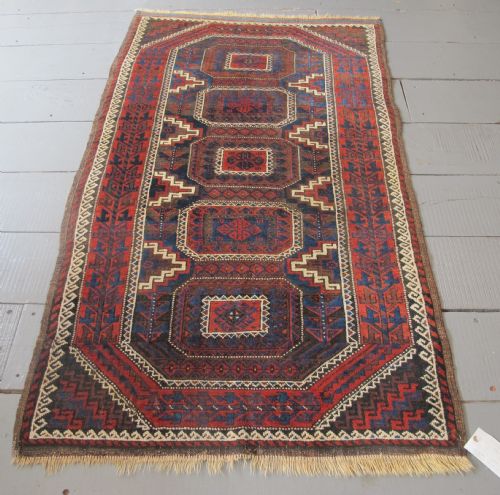

Handmade Red Area Carpet
A handmade red area carpet brings deep regional colour and tactile tribal weaving directly onto the floor.
Handmade Red Area Carpet
A handmade red area carpet encompasses antique village and nomad rugs originating from Persia, the Caucasus, Anatolia and Turkmenistan. Buyers seeking this phrase encounter traditional pieces dating from the mid-nineteenth century through the early twentieth century.
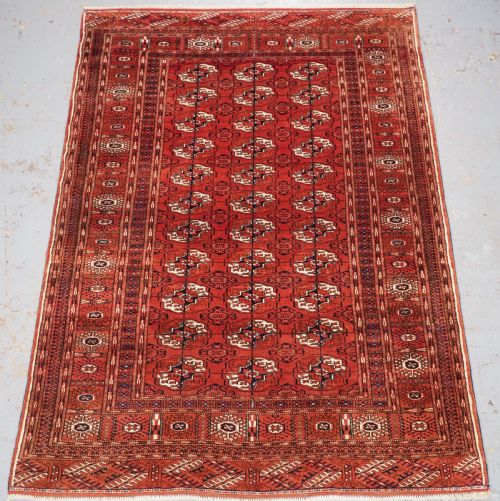
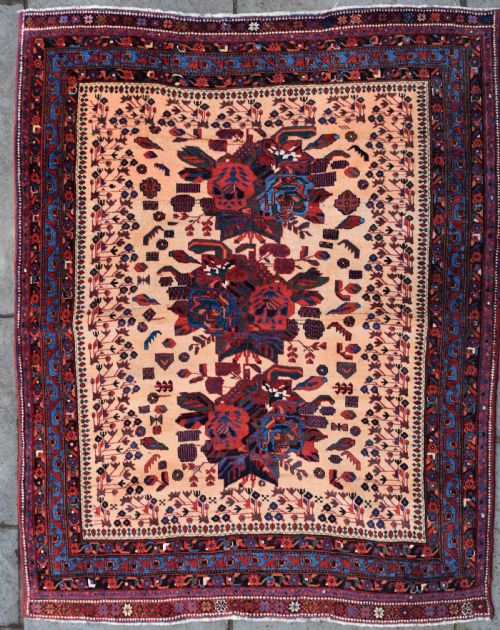
The selection on this page centres on regional forms including Heriz, Karadja, Shirvan, Milas, Khorasan, Qashqai, Belouch and Tekke Turkmen rugs and kilims. These floor coverings display characteristic tribal motifs, geometric medallions and prayer designs executed in rich red tones.
Materials and construction
These floor coverings utilise wool and hand-spun wool for the pile, paired with cotton warps in specific regional examples. Artisans wove flatweave kilims alongside knotted-pile carpets using traditional village and nomadic techniques.
Weaving methods vary from the fine weave of banded kilims to the dense structure of tribal rugs. Natural dye traditions yield the characteristic deep red hues seen across the nineteenth and early twentieth-century pieces.
Listings feature pieces spanning the mid-nineteenth century to the early twentieth century, incorporating wool and cotton materials from Persian, Caucasian, Anatolian and Turkmen traditions.
Factors of quality
Quality in these carpets rests upon the precision of the weave and the clarity of the design structure. Finer knots and tighter construction distinguish superior tribal and village examples.
The vibrancy and depth of the red dye lots, together with the integrity of the original borders and formats, elevate the standing of a rug. Surviving pieces with distinct tribal medallions or scarce gul patterns command greater interest.
The Handmade Red Area Carpet Glossary
- Gul
- A primary octagonal motif found in Turkmen weaving. It often repeats in rows across the field of the carpet.
- Kilim
- A flatwoven carpet or rug produced without a pile. These pieces rely on interlocking weft techniques.
- Warp
- The vertical threads stretched upon a loom before weaving commences. Cotton warps provide structural stability.
- Prayer rug
- A small carpet featuring a mihrab or arch design used for daily devotions. Village weavers in Anatolia produced notable examples.
- Medallion
- A central ornamental design placed in the middle of the carpet field. Heriz and Karadja rugs frequently display this feature.
Handmade Red Area Carpet: Frequently Asked Questions
How do I clean a antique carpet?
Antique wool rugs require gentle surface cleaning rather than heavy saturation. Professional specialist care preserves the natural pile and dyes.
Regular light vacuuming without a rotating power brush helps remove embedded dust without stressing the historic foundation.
Can I place these rugs in high traffic areas?
Traditional wool and cotton construction provides natural durability for everyday room settings. Placing a quality underlay beneath the carpet reduces friction against the floorboards.
Moderate foot traffic is well-suited to sturdy village weaves, provided the piece retains sound structural integrity.
How do I identify a tribal rug?
Tribal carpets display geometric motifs, stylized animal forms and repeating gul patterns rather than court-designed floral curves. Weavers working in nomadic or village communities passed these symbolic designs down through generations.
Regional palettes and distinctive wool characteristics also point toward specific tribal groups such as the Qashqai or Tekke Turkmen.
What is the difference between a kilim and a rug?
Kilims are flatwoven textiles lacking the raised pile found on traditional knotted carpets. This lighter structure makes them versatile for hanging as wall art or layering on floors.
Knotted rugs feature cut pile loops tied individually to the warp threads, offering a thicker texture underfoot.