




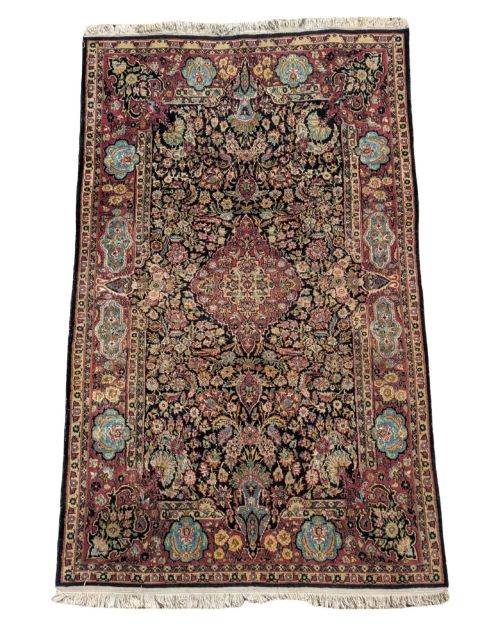
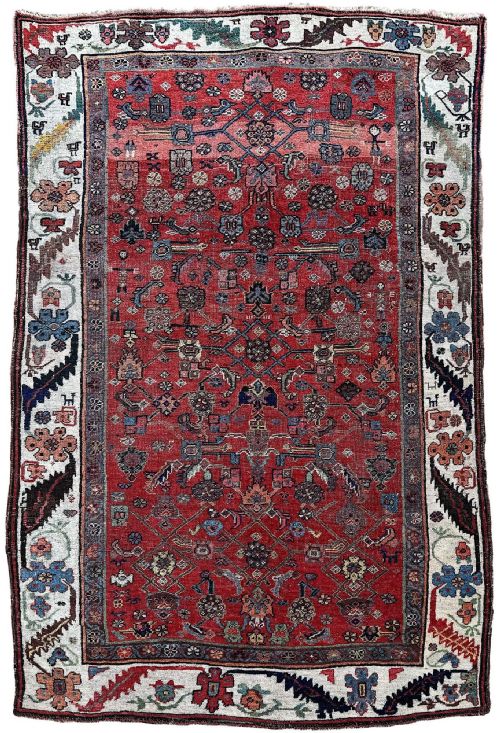
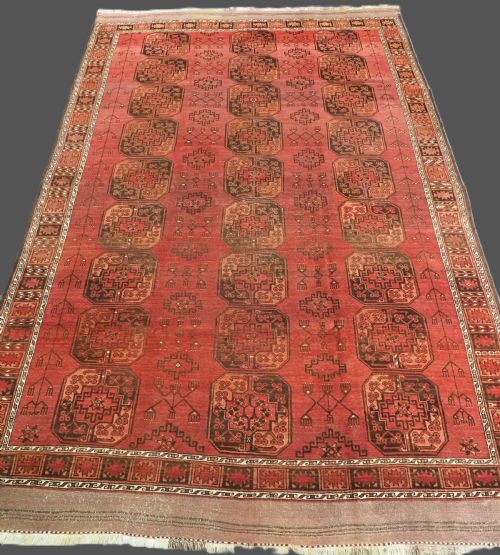
Antique Red Floor Rug
An antique red floor rug brings heavy wool and deep natural dyes directly into a hallway or living space.
Antique Red Floor Rug
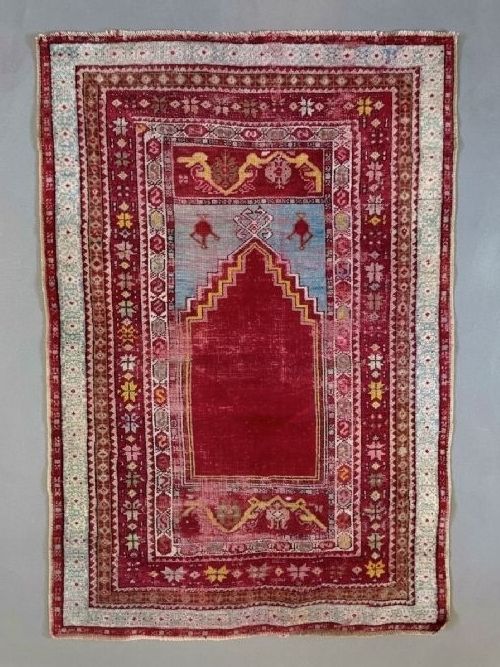
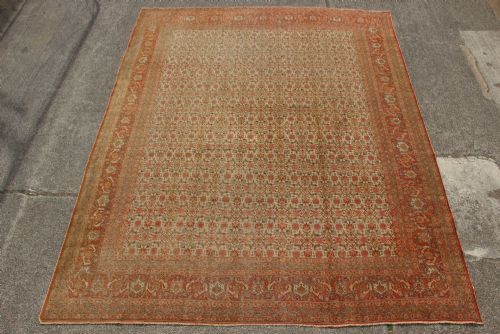
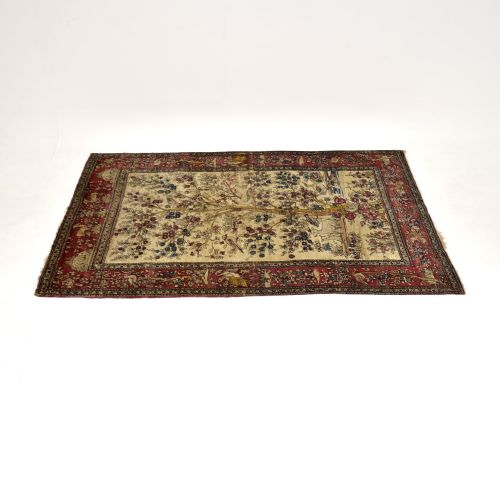
An antique red floor rug covers a broad category of woven floor coverings originating mainly from Persia, the Caucasus, and Central Asia. These textiles take the form of area rugs, large carpets, hallway runners, and hearth-sized pieces designed for domestic utility.
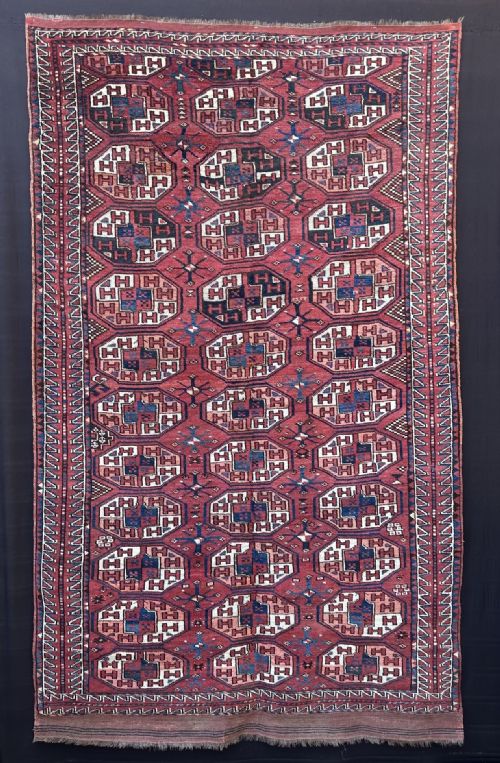
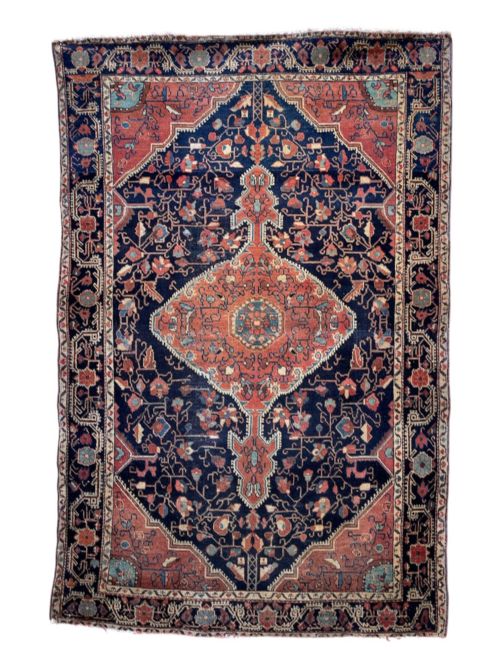
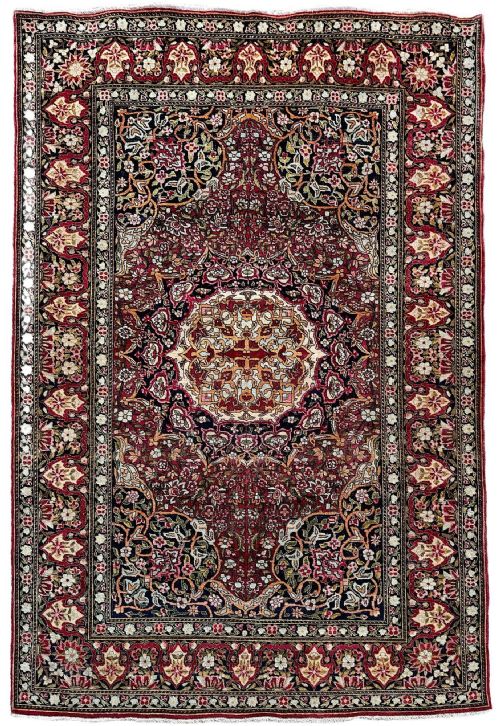
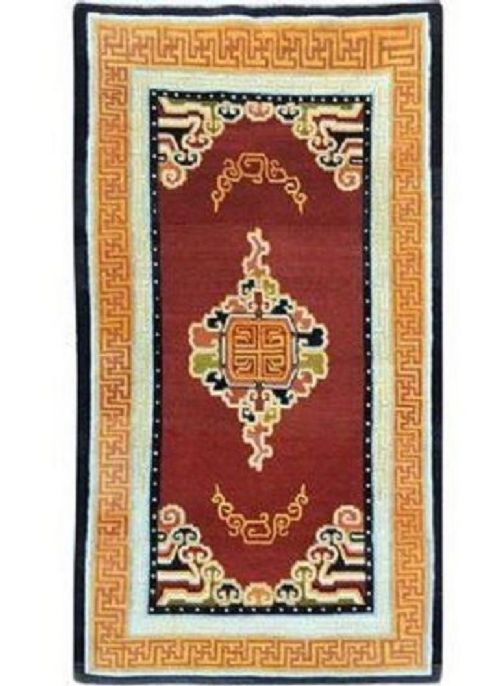
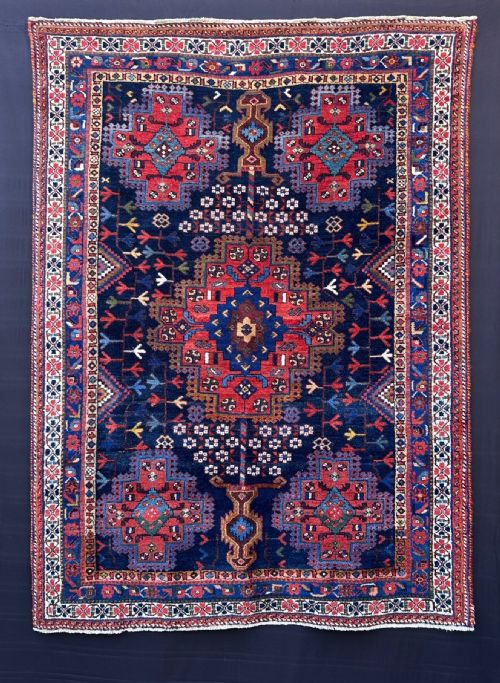
The pieces appearing on this page span from the mid-nineteenth century through the early twentieth century, encompassing traditional Persian weaving centres alongside tribal traditions from Turkmen, Afghan, and Caucasian groups. Buyers encounter formats ranging from compact village rugs to expansive carpets measuring several metres in length.
The dominant visual characteristic across these specimens is the use of red tones, ranging from warm brick hues to deep rust and crimson backgrounds. Woven structures serve both functional insulation on stone or timber floors and decorative focal points within traditional and contemporary interiors.
How they were made
The foundation of these floor coverings relies primarily on hand-spun wool, often combined with cotton for warp and weft threads to maintain structural stability. Certain pieces incorporate silk highlights to accentuate specific motifs within the pile.
Weavers knotted the pile by hand onto vertical or horizontal looms, utilising wool dyed with natural substances derived from plants and minerals. This traditional dyeing method produced the variable, mottled red shades seen across Persian Heriz, Caucasian Kazak, and Turkmen tribal carpets.
Wandering nomads occasionally tucked small pebbles directly into the wool pile to ward off the evil eye.
What varies in quality
Quality in these woven textiles rests on the density of the knotting and the precision of the tribal or city design. Finer knot counts allow for intricate geometric or floral lattice details to remain sharp and well-defined across the surface.
The integrity of the wool and the depth of the natural red dye also determine the standard of a piece. Specimens retaining uncompromised pile thickness, strong structural selvages, and complex regional designs stand at the upper end of the range.
The Antique Red Floor Rug Glossary
- Warp
- The vertical foundation threads stretched tightly on the loom before weaving begins. The pile knots are tied around these stationary cords.
- Weft
- The horizontal threads passed alternately over and under the warp strings after each row of knots. This locks the pile firmly into position.
- Pile
- The dense, vertical surface of cut wool, cotton, or silk fibres that forms the usable upper layer of the rug. Its height and density dictate the plushness of the textile.
- Selvage
- The reinforced outer edge binding running along the long sides of a rug. It prevents the weft threads from unravelling and maintains the rectangular shape.
- Knot count
- The number of individual knots per square inch or decimetre. Higher counts generally indicate greater labour investment and finer design resolution.
Antique Red Floor Rug: Frequently Asked Questions
How do I clean an antique red floor rug?
Professional dusting and specialist hand washing are essential for preserving aged wool and natural dyes. Domestic cleaning machines and harsh chemical detergents will damage the foundation fibres.
Regular gentle surface vacuuming without a rotating brush bar prevents dirt from embedding in the pile. Keeping the textile out of direct, harsh sunlight also protects the red tones from fading over time.
Can I place these rugs in high-traffic hallways?
Many of these woven pieces were originally constructed for heavy domestic use in village and tribal settings. Wool possesses natural resilience against daily friction and foot traffic.
Using an appropriate underlay beneath the floor covering prevents slipping and reduces fibre wear caused by friction against hard subfloors. Runners and village carpets from regions like Heriz and Hamadan handle hallway placement particularly well.
How do I tell Persian styles apart?
Persian weaving traditions divide into city workshops, such as Isfahan and Saroukh, and rural or tribal areas like Bakhtiar and Heriz. City pieces often display intricate curves and floral medallions.
Tribal and village rugs lean towards bolder geometric structures, hooked motifs, and stylised animal or plant forms. Examining the density of the weave and the specific regional palette clarifies the origin.
What does hearth-sized mean?
Hearth-sized denotes a smaller format floor covering specifically proportioned to sit in front of an open fireplace. These compact dimensions usually measure around two metres or less in length.
Such pieces offered portable warmth and protection for floorboards immediately surrounding the hearth. Today, they function well in small spaces, entryways, or as accent rugs.