

Hand Painted Tea Set
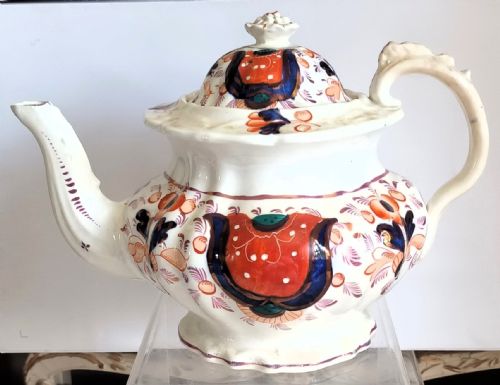
When you search for a hand painted tea set, you encounter domestic ceramic services carrying brushwork from the eighteenth, nineteenth, and twentieth centuries.
Hand Painted Tea Set
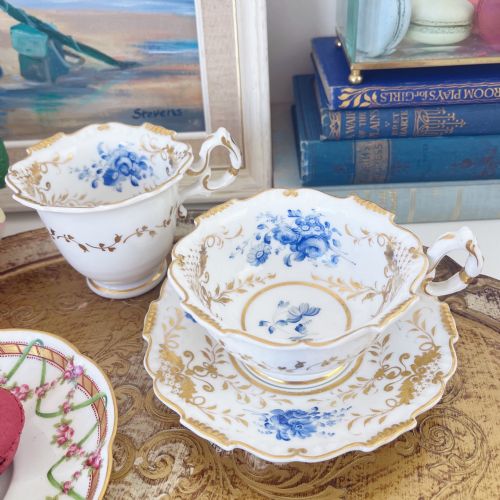
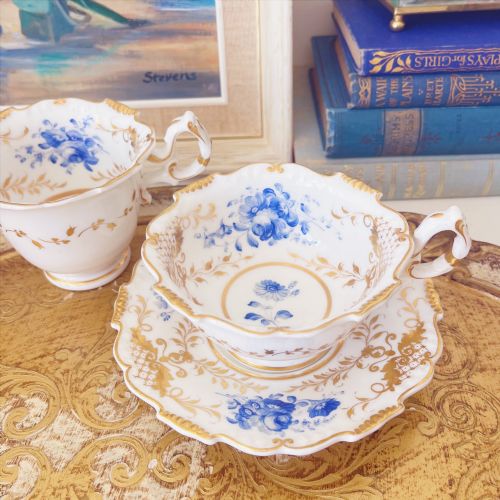
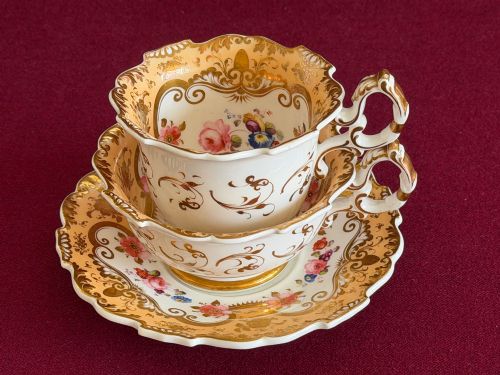
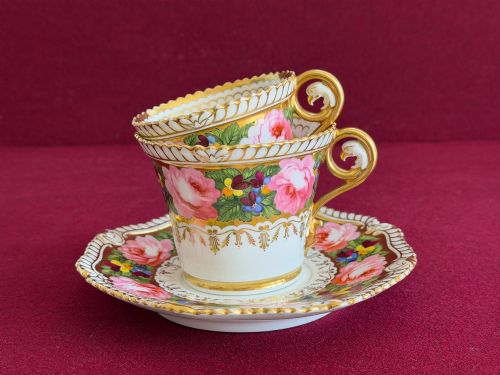
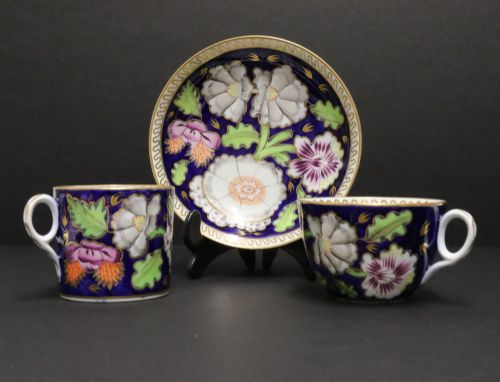
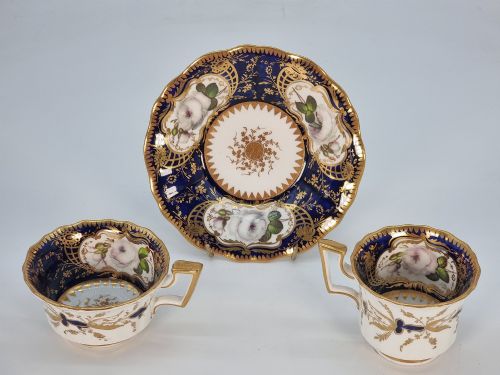
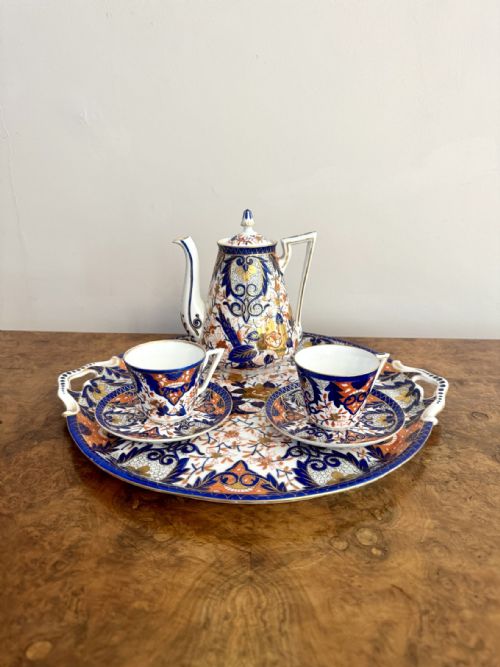
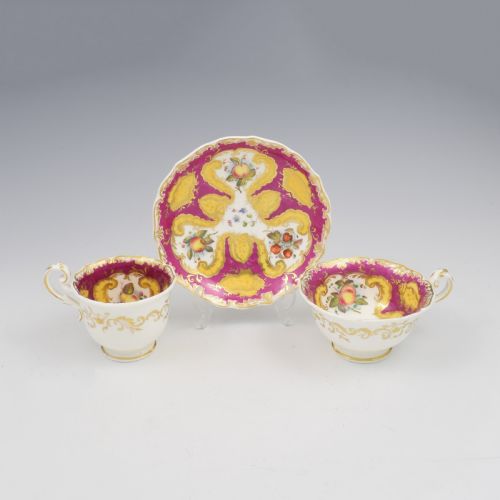
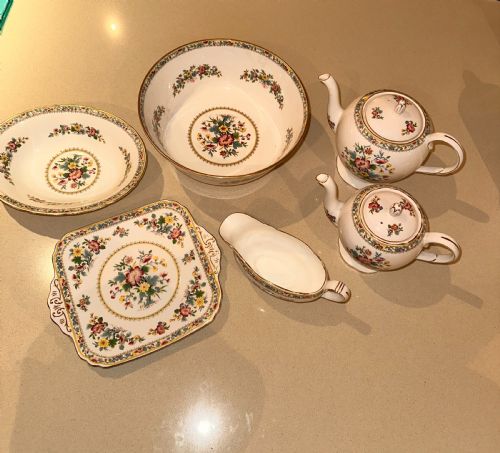
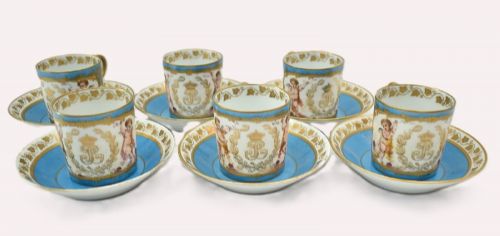
A hand painted tea set encompasses everything from solitary cabinet trios to large tea services and complete breakfast sets spanning Georgian, Regency, and Victorian eras. You will frequently meet English porcelain trios and services alongside continental productions and export wares.
The configurations range from simple cups and saucers to elaborate tea for two sets and extensive services including teapots, milk jugs, and sugar pots. Many surviving examples originate from notable English potteries and European manufactories active during the nineteenth century.
Materials and Technique
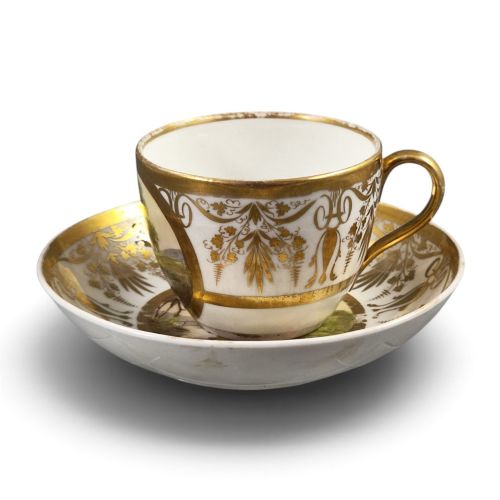
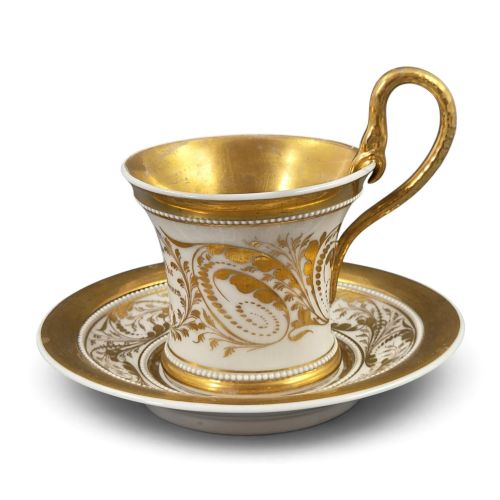
Potters shaped these wares using bone china, hard-paste porcelain, earthenware, and creamware, applying mineral pigments directly to the ceramic body by hand. Artisans then added details using gold leaf, gilding, and enamel decoration before firing the pieces in kilns.
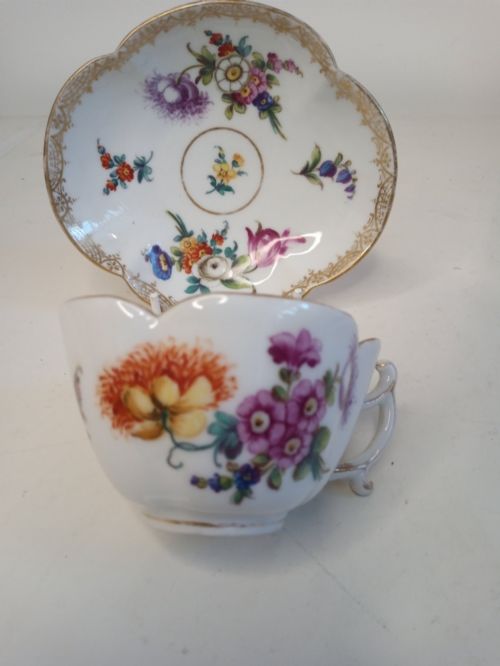
Makers such as Coalport, Worcester, and KPM Berlin utilised specialised painting techniques for floral sprays, landscapes, and oriental patterns, often incorporating blue scale grounds or blush ivory finishes.
Listings feature hard-paste porcelain, bone china, earthenware, and creamware decorated with gold leaf, enamel, and hand-painted motifs.
Evaluating Execution
The distinction between tiers rests upon the precision of the brushwork and the delicacy of the porcelain body, where finely rendered motifs demonstrate superior artisan skill. Richness of gilding and the preservation of hand-painted enamel colours elevate certain services above standard production wares.
Complexity of form and the integration of matched components within a service indicate higher workshop ambition, distinguishing standard domestic items from exhibition-quality cabinet pieces.
H & R Daniel·Chamberlain Worcester·Newhall·Coalport·KPM Berlin·Derby·Flight Barr & Barr·Hicks, Meigh & Johnson·Old Paris·Clarice Cliff·Ridgway·Minton·Davenport·Royal Worcester·Russian Imperial Porcelain Manufactory
The Hand Painted Tea Set Glossary
- Trio
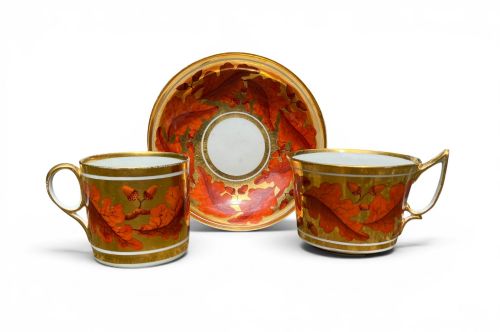
- A matching set comprising a teacup, a coffee cup, and a saucer. These three-piece groupings were popular in Regency and nineteenth-century parlours.
- Bone China
- A type of soft-paste porcelain incorporating bone ash, developed to produce a strong, translucent ceramic body suitable for delicate painting.
- Gilding
- The application of gold leaf or powdered gold to ceramic surfaces, used to highlight rims, handles, and painted panels.
- Hard-paste Porcelain
- A true porcelain made from kaolin and petuntse fired at high temperatures, yielding a durable and non-porous body.
- Kakiemon
- An asymmetrical Japanese enamel style featuring distinct floral and animal motifs, widely copied by European porcelain manufactories.
Hand Painted Tea Set: Frequently Asked Questions
How do I date a tea set?
Dating relies upon factory marks, stylistic indicators such as Regency or Victorian shapes, and the characteristics of the porcelain body. Examining the hand-painted palette also provides clues to the era of manufacture.
Changes in ceramic composition and backstamps help narrow the production window across the eighteenth and nineteenth centuries.
Can I use antique tea sets?
While these ceramics were originally created for domestic dining, older pieces featuring delicate enamel and gold leaf benefit from careful handling. Hand washing preserves the painted surfaces against modern detergents.
Many collectors prefer to display cabinet trios and services rather than subject them to daily use.
What is the difference between porcelain and earthenware?
Porcelain is fired at higher temperatures to create a vitrified, translucent body that resists moisture. Earthenware and creamware are more porous and opaque ceramics requiring a protective glaze.
Both materials served as canvases for hand-painted decoration across different price points.
Why do some sets include two cup sizes?
Trios from the Regency and Georgian periods frequently paired a wider teacup with a taller coffee cup sharing a single saucer. This configuration accommodated different hot beverages served during formal gatherings.
Later Victorian services standardised toward uniform cup designs within larger sets.