


Hand Painted Rose Plate
A hand painted rose plate brings the quiet charm of botanical and floral artistry straight to the table.
Hand Painted Rose Plate
A hand painted rose plate is a ceramic vessel adorned with floral brushwork, frequently meeting buyers in the form of eighteenth-century Chinese export porcelain, nineteenth-century English bone china, and Meiji period Japanese charger plates. These pieces encompass decorative plates, dessert services, and serving dishes created for both display and dining.
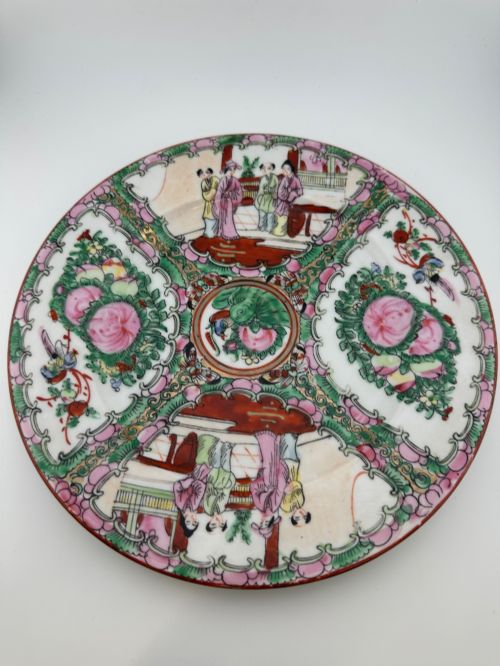
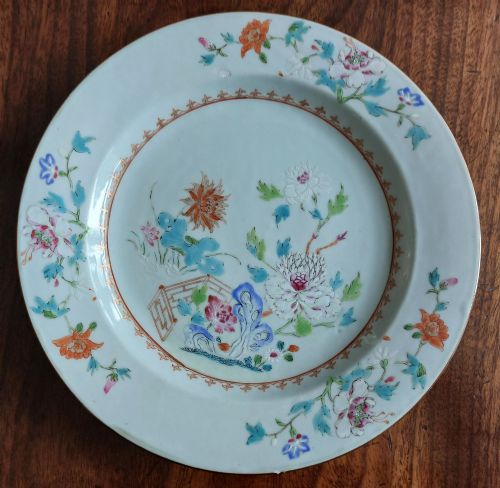
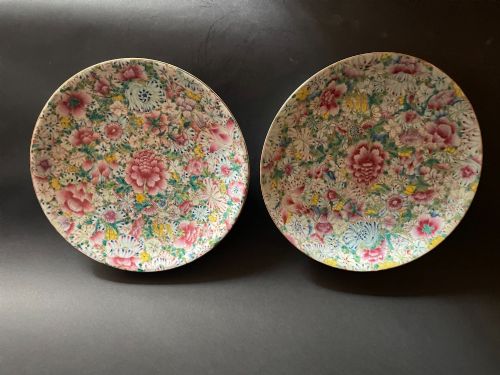
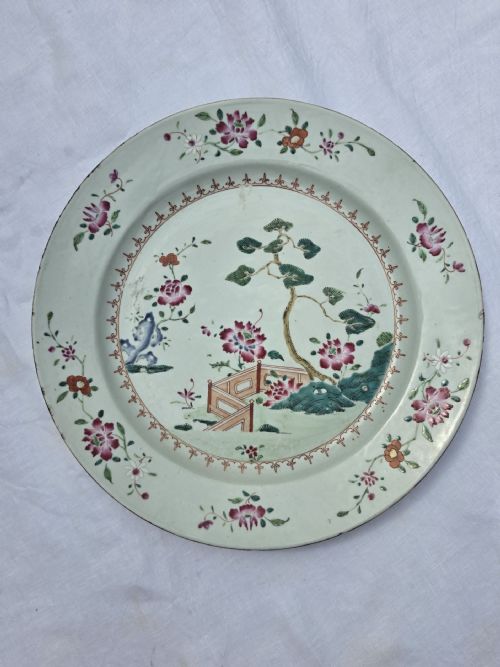
The selection ranges from Georgian armorial botanical dessert plates bearing individual rose studies to vibrant Canton rose medallion wares and intricate Qianlong famille rose platters. Buyers will also encounter twentieth-century English works from factories such as Royal Crown Derby alongside earlier oriental pieces.
The forms extend beyond standard round vessels to include trefoil trays, shamrock shapes, and large chargers designed to showcase detailed enamel painting. Each era contributes its own distinct palette, moving from soft naturalistic botanical watercolours to rich opaque polychrome enamels.
How they were made
The foundation of these objects lies in hard-paste porcelain, bone china, and refined ceramic bodies shaped by hand or mould before firing. Artisans then applied intricate designs utilising overglaze enamel pigments that required subsequent low-temperature firings to fix the colours to the glaze.
Gold leaf, gilt, and gilding were frequently introduced to highlight borders, rims, and central motifs, applied with meticulous brushwork to catch the light. This combination of ceramic body, vitreous glaze, and metallic accent defines the physical presence of the pieces.
Some nineteenth century artisans painted shamrock shapes just to keep dinner guests guessing between courses.
What varies in quality
Quality rests in the precision and sensitivity of the brushwork, distinguishing hurried commercial decoration from master hand-painted studies where individual rose petals and botanical details exhibit genuine depth. The refinement of the porcelain body itself, from translucent hard-paste to sturdy bone china, also dictates the calibre of the piece.
The application and preservation of the gilding play a significant role, with intact gold leaf and crisp overglaze enamel colours marking the distinction between standard domestic wares and fine exhibition-grade or armorial commissions.
Bloor Derby·Royal Crown Derby·Coalport
The Hand Painted Rose Plate Glossary
- Famille rose
- A major palette of Chinese ceramic enamels introduced in the eighteenth century, characterised by opaque pink or rose colours mixed from gold chloride.
- Overglaze enamel
- Pigments painted onto an already fired and glazed ceramic surface, requiring a secondary low-temperature kiln firing to fuse the colours.
- Hard-paste porcelain
- A dense, vitrified ceramic composed of kaolin and petuntse, fired at high temperatures to produce a durable, translucent body.
- Armorial plate
- A ceramic dish personalised with a client's heraldic crest, coat of arms, or armorial bearings, typically commissioned from overseas export workshops.
- Gilding
- The decorative application of gold leaf or powdered gold to ceramic surfaces, enhancing borders and pictorial elements with metallic lustre.
Hand Painted Rose Plate: Frequently Asked Questions
How were these plates used originally?
These pieces served practical dining functions for desserts, side dishes, and tea service, as well as decorative display on walls or sideboards.
Wealthy households utilised armorial and botanical services to signal status and taste during formal meals and gatherings.
How do I identify eighteenth century pieces?
Eighteenth century examples often exhibit specific stylistic markers such as Qianlong famille rose enamels, Chinese export porcelain characteristics, and hand-painted floral motifs.
The weight, paste composition, and characteristic overglaze palette provide key clues to dating these early items accurately.
Can I use these plates for dining today?
While structurally sound, antique plates featuring delicate overglaze enamels and gold leaf are generally reserved for careful display or light occasional use.
Hand washing without harsh detergents is essential to preserve the historical painted surfaces and metallic gilding over time.
What is the difference between Canton and export styles?
Canton styles typically feature vibrant panels of figures, birds, and flowers set against dense rose medallion or green grounds characteristic of nineteenth century production.
Chinese export pieces created for Western markets often incorporate specific European armorial bearings or adapted botanical layouts alongside traditional oriental forms.